
Now Reading: Best place to visit in Kragujevac
-
01
Best place to visit in Kragujevac
Best place to visit in Kragujevac
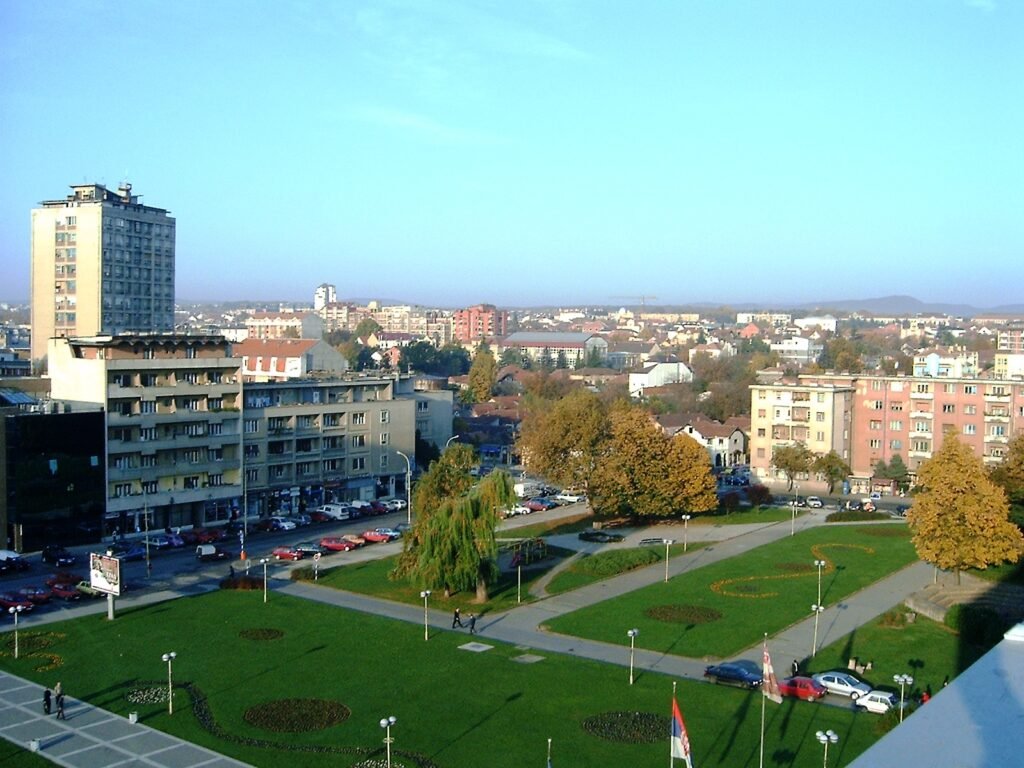
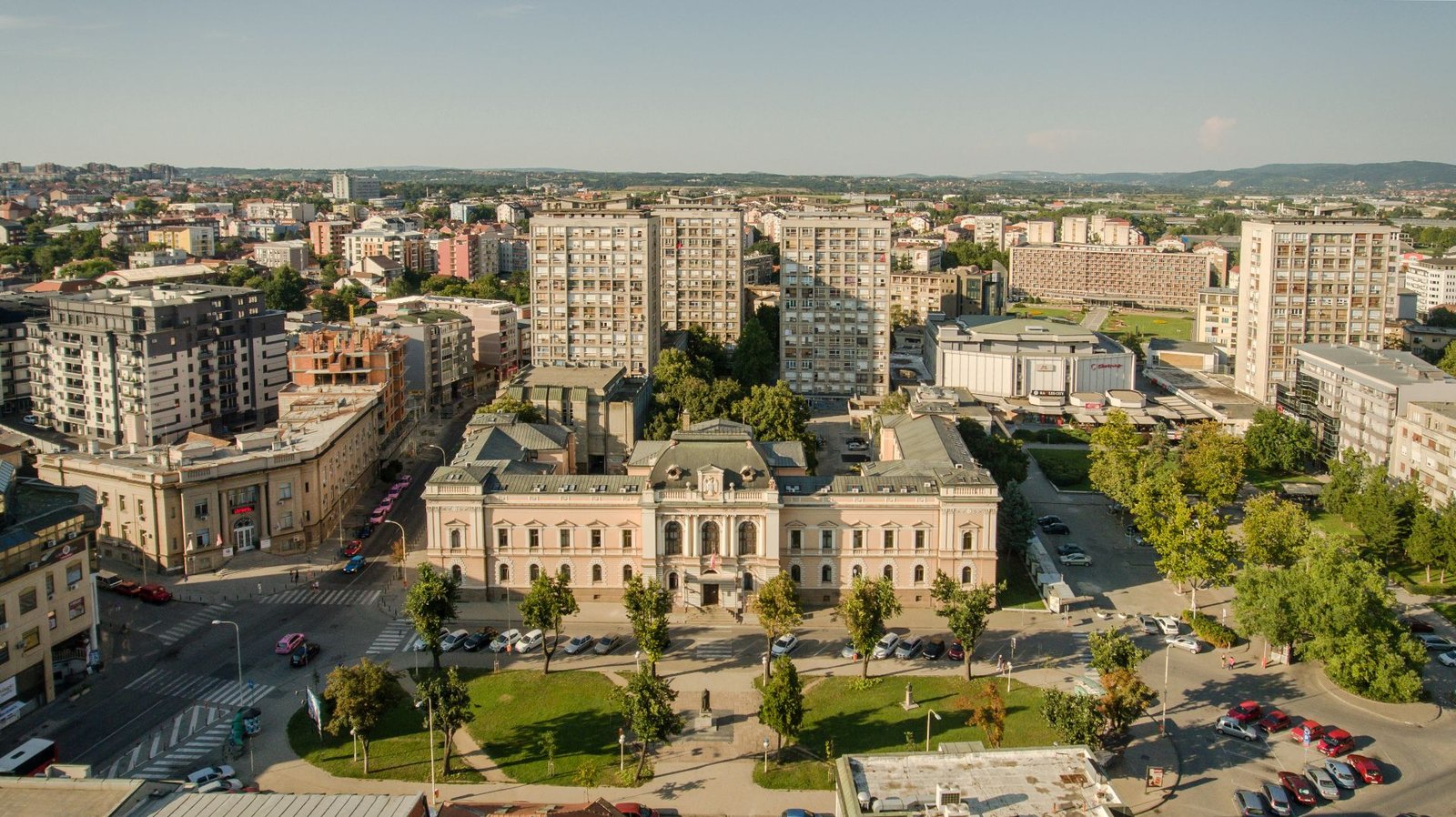
Kragujevac is one of Serbia’s most important historical and cultural cities, offering visitors a remarkable blend of national heritage, memorial sites, beautiful parks, museums, architecture, and modern urban life. Located in central Serbia, Kragujevac serves as the administrative center of the Šumadija region and holds a special place in Serbian history as the country’s first modern capital.
Throughout the nineteenth century, Kragujevac became the center of political, cultural, educational, and industrial development in Serbia. Many of the nation’s most important institutions were established here, including the first Serbian constitution, the first grammar school, the first court, and the first theater.
Today, the city combines its rich historical legacy with modern development, vibrant cultural life, green spaces, and educational institutions. Visitors can explore memorial parks, historic buildings, museums, churches, and scenic recreational areas while experiencing the authentic charm of central Serbia.
Whether you’re a history enthusiast, cultural explorer, photographer, student of European heritage, or casual traveler, Kragujevac offers a fascinating and rewarding experience.
1. Šumarice Memorial Park – A Powerful Symbol of Remembrance

The most significant attraction in Kragujevac is undoubtedly Šumarice Memorial Park.
Covering hundreds of hectares, this vast memorial complex commemorates one of the most tragic events in Serbian history. During World War II, thousands of civilians, including students and teachers, were executed here by occupying forces.
Today, the park serves as a place of remembrance, education, and reflection. Visitors can walk through peaceful green landscapes while discovering monuments, sculptures, museums, and memorial sites dedicated to the victims.
The park’s emotional significance and artistic design make it one of Serbia’s most important historical destinations.
A visit to Šumarice provides valuable insight into the country’s modern history and the resilience of its people.
2. Museum “21 October” – Understanding a Defining Historical Event

Located within Šumarice Memorial Park is the remarkable Museum 21 October.
This modern museum documents the tragic events that occurred during October 1941 and honors the memory of those who lost their lives.
Visitors can explore exhibits featuring photographs, personal stories, historical documents, artifacts, and multimedia presentations that provide a comprehensive understanding of this important chapter in Serbian history.
The museum’s architecture and exhibitions create a powerful educational experience.
It remains one of the country’s most significant memorial museums.
3. Amidža Konak – A Glimpse into Old Serbia

One of the oldest surviving buildings in the city is Amidža Konak.
Built during the early nineteenth century, this historic residence offers visitors a rare opportunity to experience traditional Serbian architecture and lifestyle from the period when Kragujevac served as the capital of Serbia.
The building houses historical exhibitions that showcase furniture, clothing, household items, and cultural artifacts from the era.
Visitors can learn about daily life during one of the most important periods in Serbia’s development.
Its preservation provides valuable insight into the country’s heritage.
4. Old Assembly Building – Birthplace of Modern Serbian Democracy

Kragujevac played a central role in the development of modern Serbia, and one of its most important landmarks is the historic Old Assembly Building.
This site is closely associated with the adoption of Serbia’s first constitution, a milestone that marked the country’s progress toward modern governance.
Visitors can explore exhibits related to political history and learn about the reforms that shaped modern Serbia.
The building symbolizes the city’s importance as a center of national development.
Its historical significance extends far beyond the region itself.
5. Cathedral Church of the Holy Spirit – A Spiritual Landmark

Among the city’s most beautiful religious sites is the Cathedral Church of the Holy Spirit.
The church features elegant architecture, impressive iconography, and a peaceful atmosphere that attracts both worshippers and visitors.
Inside, guests can admire intricate frescoes, religious artwork, and traditional Orthodox design elements that reflect centuries of spiritual tradition.
The cathedral remains an important center of religious life within the city.
Its beauty and historical significance make it a must-see attraction.
6. First Serbian Gymnasium – The Beginning of Modern Education

Kragujevac is home to the historic First Serbian Gymnasium, one of the oldest educational institutions in the country.
Founded during the early nineteenth century, the school played a crucial role in shaping generations of Serbian intellectuals, politicians, scientists, and cultural figures.
Visitors can learn about the development of education in Serbia and the city’s contribution to national progress.
The institution remains a symbol of knowledge and cultural advancement.
Its legacy continues to influence Serbian society today.
7. Šumarice Lake – Nature and Recreation

For travelers seeking relaxation, Šumarice Lake offers a beautiful natural escape.
Surrounded by greenery, walking trails, and recreational facilities, the lake is a popular destination for locals and visitors alike.
Guests can enjoy jogging, cycling, picnicking, fishing, and peaceful walks while admiring the scenic environment.
The lake provides a refreshing contrast to the city’s historical attractions.
Its tranquil atmosphere makes it one of Kragujevac’s most pleasant outdoor destinations.
8. The National Museum of Kragujevac – Exploring Local Heritage

The fascinating National Museum of Kragujevac preserves the rich cultural and historical heritage of the region.
Its collections include archaeological artifacts, historical documents, traditional crafts, artworks, and exhibits that trace the development of Kragujevac from ancient times to the present day.
Visitors gain valuable insights into the city’s role within Serbian history and culture.
The museum serves as an important educational institution and cultural center.
Its diverse exhibits appeal to visitors of all ages.
9. Industrial Heritage and the Zastava Legacy

Kragujevac is often regarded as the industrial heart of Serbia.
The city became famous through the development of the historic Zastava Automobiles industry, which played a major role in the country’s economic growth.
Visitors interested in industrial history can learn about the city’s manufacturing traditions and their impact on Serbian society.
The industrial heritage of Kragujevac remains an important part of its identity.
This legacy continues to influence modern development and innovation within the city.
10. Serbian Cuisine and Šumadija Hospitality

No visit to Kragujevac is complete without experiencing the region’s renowned cuisine and hospitality.
The Šumadija region is famous for traditional Serbian dishes prepared with fresh local ingredients. Visitors can enjoy grilled meats, homemade pastries, local cheeses, roasted specialties, traditional desserts, and regional wines.
Restaurants and cafés throughout the city provide opportunities to experience authentic Serbian culture through food.
The warmth and friendliness of local residents add to the overall travel experience.
Dining in Kragujevac offers both culinary enjoyment and cultural immersion.
Related artical : Best place to visit in Niš