
Now Reading: Best place to visit in Priština
-
01
Best place to visit in Priština
Best place to visit in Priština

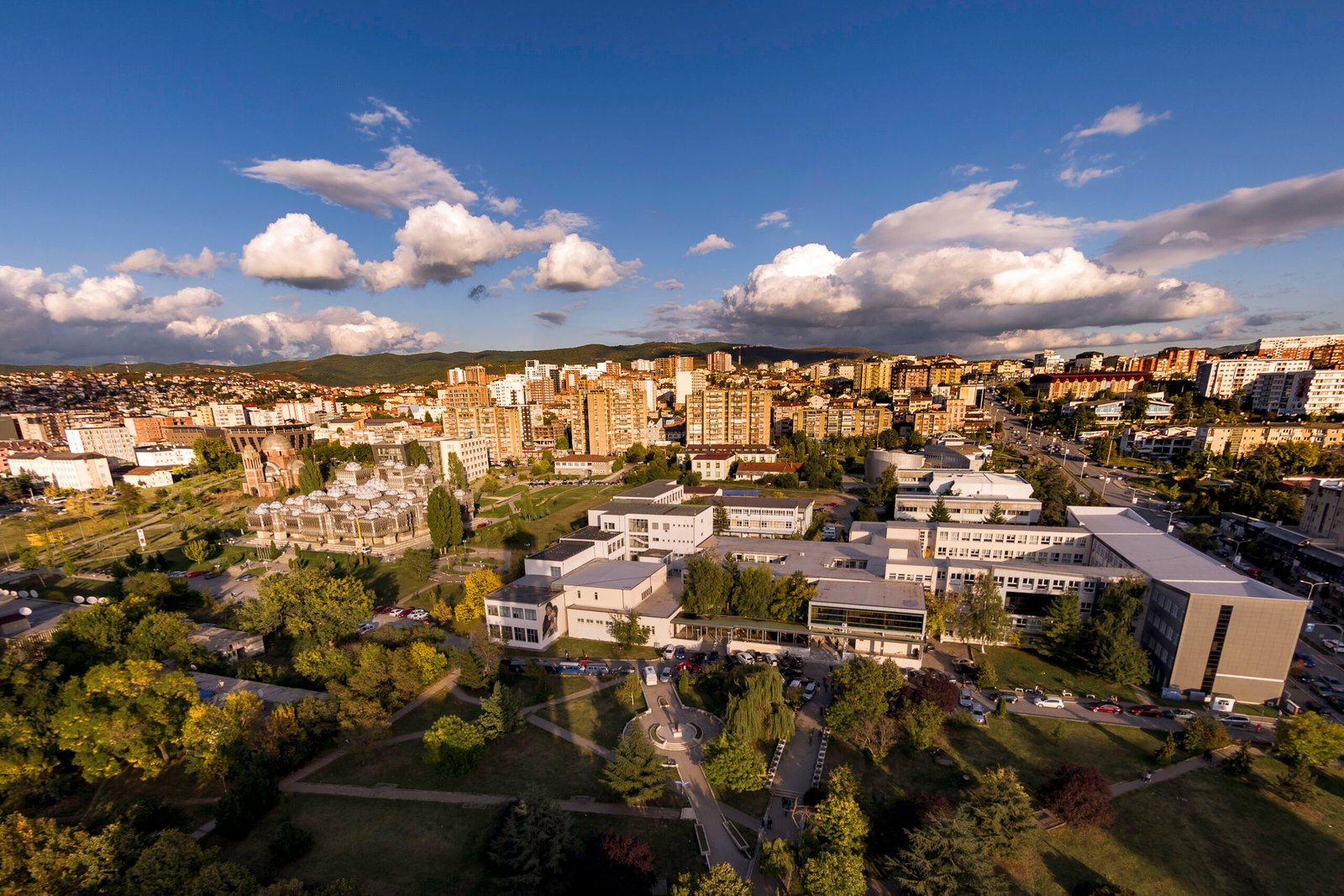
Priština is the vibrant capital and largest city of Kosovo, offering visitors a fascinating blend of ancient history, Ottoman heritage, modern architecture, cultural landmarks, lively cafés, and youthful energy. Located in the heart of the Balkans, Priština has evolved from a historic trading center into one of Southeast Europe’s most dynamic and rapidly developing capitals.
Throughout its long history, Priština has been influenced by Illyrian, Roman, Byzantine, Ottoman, and modern European civilizations. These diverse influences have shaped the city’s architecture, traditions, cuisine, and cultural identity, creating a destination where centuries-old mosques stand alongside contemporary monuments and modern public spaces.
Today, Priština is known for its welcoming atmosphere, thriving arts scene, bustling pedestrian streets, and important historical sites. Whether you’re interested in history, architecture, culture, photography, or exploring one of Europe’s youngest capitals, Priština offers a unique and rewarding travel experience.
1. Newborn Monument – The Symbol of Modern Kosovo

One of the most recognizable landmarks in the city is the famous Newborn Monument.
Unveiled in 2008 to celebrate Kosovo’s declaration of independence, the monument has become a powerful symbol of hope, freedom, and national identity.
Each year, the monument’s appearance is redesigned to reflect important social, cultural, and political themes, making it a constantly evolving work of public art.
Visitors frequently stop to photograph the landmark and learn about its significance in Kosovo’s modern history.
The Newborn Monument perfectly represents the youthful spirit and optimism that characterize contemporary Priština.
2. Mother Teresa Square – The Heart of the Capital

At the center of city life lies the beautiful Mother Teresa Square.
Named after the world-renowned humanitarian Mother Teresa, whose family roots trace back to the region, the square serves as one of the city’s most important gathering places.
Surrounded by government buildings, cultural institutions, cafés, and shops, it is a lively destination throughout the day and evening.
Visitors can enjoy walking along the pedestrian boulevard, attending cultural events, and experiencing the energetic atmosphere that defines the city.
The square provides an excellent introduction to modern Priština.
3. Imperial Mosque – A Masterpiece of Ottoman Architecture

One of the city’s most important historical landmarks is the magnificent Imperial Mosque.
Built during the fifteenth century under Ottoman rule, the mosque is among the oldest and most significant Islamic monuments in Kosovo.
Its elegant dome, minaret, and beautifully decorated interior reflect centuries of religious and architectural heritage.
Visitors can admire its craftsmanship while learning about the role of Islam in the region’s history.
The mosque remains an active place of worship and a symbol of Priština’s rich cultural legacy.
4. National Library of Kosovo – One of Europe’s Most Unique Buildings

Perhaps the most unusual building in the city is the striking National Library of Kosovo.
Designed in a distinctive architectural style featuring domes and metal lattice structures, the library is often considered one of the world’s most unique public buildings.
Its appearance has sparked debate and fascination among architects and visitors alike.
Inside, the library houses valuable collections of books, manuscripts, and historical documents.
Whether admired or questioned, the building remains one of Priština’s most famous landmarks.
5. Ethnological Museum – Discovering Kosovo’s Traditional Heritage

For those interested in local culture, the fascinating Ethnological Museum offers a journey into Kosovo’s traditional way of life.
Housed within beautifully preserved Ottoman-era buildings, the museum showcases traditional clothing, household items, tools, crafts, and cultural practices.
Visitors can learn about rural life, family traditions, and customs that have shaped communities throughout the region.
The museum provides valuable insights into Kosovo’s cultural heritage.
Its authentic atmosphere makes it one of the city’s most rewarding attractions.
6. Kosovo Museum – Exploring Thousands of Years of History

The impressive Kosovo Museum preserves the rich historical heritage of the region.
Its collections include archaeological discoveries, ancient artifacts, ethnographic exhibits, and historical documents spanning thousands of years.
Visitors can explore the history of Illyrian tribes, Roman settlements, medieval kingdoms, Ottoman rule, and modern Kosovo.
The museum offers essential context for understanding the region’s complex and fascinating past.
History enthusiasts will find the exhibits particularly rewarding.
7. Germia Park – Nature Within the City

Just outside the city center lies the beautiful Germia Park.
This expansive natural area features forests, walking trails, cycling routes, picnic areas, and recreational facilities that provide a peaceful escape from urban life.
Visitors can enjoy hiking, jogging, cycling, and outdoor relaxation while surrounded by nature.
The park is especially popular during the warmer months when residents gather to enjoy the fresh air and scenic surroundings.
Its accessibility makes it one of Priština’s most beloved destinations.
8. Gracanica Monastery – A UNESCO World Heritage Treasure

A short drive from Priština brings visitors to the magnificent Gračanica Monastery.
Recognized as a UNESCO World Heritage Site, the monastery is one of the finest examples of medieval Serbian Orthodox architecture in the Balkans.
Its beautiful frescoes, elegant design, and spiritual significance make it one of Kosovo’s most important cultural landmarks.
Visitors can admire centuries-old artwork and experience the peaceful atmosphere of this remarkable religious site.
The monastery remains a highlight for history and architecture enthusiasts.
9. Old Bazaar Area – A Glimpse of Historic Priština

The historic bazaar district offers visitors a glimpse into Priština’s Ottoman past.
Although much of the original bazaar has changed over time, the area still retains elements of its historical character through traditional shops, cafés, and architectural remnants.
Visitors can explore narrow streets, interact with local merchants, and experience the atmosphere of one of the city’s oldest neighborhoods.
The area reflects centuries of trade and cultural exchange.
Its historical significance adds depth to the modern city experience.
10. Priština’s Café Culture and Nightlife

Priština is famous throughout the Balkans for its vibrant café culture and energetic nightlife.
The city is filled with stylish coffee shops, restaurants, bars, and cultural venues where locals gather to socialize and relax.
Visitors can enjoy traditional Balkan cuisine, international dishes, live music, and a lively atmosphere that continues well into the evening.
The youthful population contributes to the city’s dynamic energy and creative spirit.
Experiencing Priština’s social scene is an essential part of any visit.
Related artical : Best place to visit in Subotica