
Now Reading: Best place to visit in Skopje
-
01
Best place to visit in Skopje
Best place to visit in Skopje

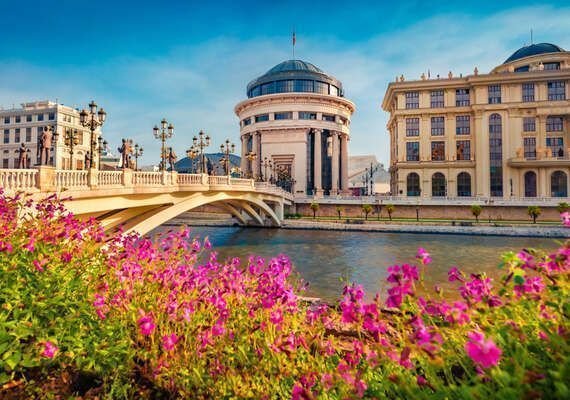
Skopje, the capital of North Macedonia, is one of the Balkans’ most captivating cities, offering visitors a unique blend of ancient history, Ottoman heritage, modern architecture, grand monuments, vibrant culture, and scenic riverfront views. Situated along the banks of the Vardar River, Skopje has served as an important crossroads of civilizations for more than two thousand years.
Throughout its history, Skopje has been influenced by Romans, Byzantines, Ottomans, Serbs, and modern European cultures, creating a rich tapestry of traditions and architectural styles. The city has endured earthquakes, wars, and political transformations, yet it continues to thrive as a dynamic center of culture, commerce, and tourism.
Today, visitors are greeted by monumental statues, historic mosques, medieval fortresses, bustling bazaars, elegant squares, and a lively café culture that reflects the city’s unique identity. Whether you’re a history enthusiast, architecture lover, photographer, cultural explorer, or casual traveler, Skopje offers an unforgettable journey through one of Southeast Europe’s most intriguing capitals.
1. Macedonia Square – The Heart of Skopje

At the center of the city lies the magnificent Macedonia Square.
As the largest square in North Macedonia, it serves as the social, cultural, and symbolic heart of the capital. Surrounded by grand buildings, fountains, cafés, hotels, and monuments, the square is always filled with activity.
Its most famous feature is the towering statue commonly associated with Alexander the Great, which dominates the skyline and has become one of the city’s most recognizable landmarks.
Visitors often begin their exploration of Skopje here while enjoying the vibrant atmosphere and impressive architecture.
The square perfectly reflects the city’s blend of history and modern ambition.
2. Stone Bridge – The Symbol of Skopje

The iconic Stone Bridge is perhaps the most important symbol of the city.
Spanning the Vardar River, the bridge has connected different parts of Skopje for centuries and remains one of the finest examples of Ottoman-era engineering in the Balkans.
Walking across the bridge allows visitors to transition between the modern city center and the historic Old Bazaar district.
Its elegant stone arches and historical significance make it one of the most photographed attractions in North Macedonia.
The bridge beautifully represents Skopje’s role as a meeting point between cultures and eras.
3. Skopje Fortress (Kale) – A Journey Through Ancient History

Overlooking the city from a hilltop is the historic Skopje Fortress, commonly known as Kale Fortress.
The fortress has protected the city since ancient times and offers visitors spectacular views of Skopje, the Vardar River, and surrounding mountains.
Archaeological discoveries indicate that the site has been occupied since prehistoric times, making it one of the city’s oldest landmarks.
Visitors can explore ancient walls, towers, and pathways while learning about the city’s strategic importance throughout history.
The panoramic views alone make the climb worthwhile.
4. Old Bazaar – The Soul of Historic Skopje

One of the largest and best-preserved Ottoman marketplaces in the Balkans is the fascinating Old Bazaar.
The district features narrow cobblestone streets, historic mosques, traditional tea houses, artisan workshops, restaurants, and centuries-old buildings that transport visitors back in time.
For hundreds of years, the bazaar served as the commercial center of the city and remains a vibrant hub of culture and trade.
Visitors can shop for handmade crafts, sample local cuisine, and explore historic landmarks hidden throughout the neighborhood.
The atmosphere of the Old Bazaar is unlike anywhere else in the city.
5. Memorial House of Mother Teresa

Skopje is proud to be the birthplace of Mother Teresa.
The beautiful Memorial House of Mother Teresa commemorates her life, humanitarian work, and global legacy.
Visitors can view photographs, personal belongings, historical exhibits, and multimedia presentations that tell the story of one of the world’s most admired figures.
The memorial serves as both a museum and a place of inspiration.
It remains one of Skopje’s most visited cultural attractions.
6. Millennium Cross – A Monument Above the City

Towering above the city on Mount Vodno is the impressive Millennium Cross.
Standing 66 meters high, it is one of the largest crosses in the world and can be seen from many parts of the city.
Visitors can reach the monument by cable car while enjoying breathtaking views of Skopje and the surrounding countryside.
The observation area offers some of the finest panoramic scenery in the region.
The combination of natural beauty and spiritual symbolism makes it a popular destination.
7. Mount Vodno – Nature Above the Capital

Nature lovers will appreciate the beauty of Mount Vodno.
Located just outside the city center, the mountain offers hiking trails, cycling routes, scenic viewpoints, forests, and outdoor recreation opportunities.
Visitors can escape the urban environment while enjoying fresh air and spectacular landscapes.
The mountain is particularly beautiful during spring and autumn.
Its accessibility makes it a favorite destination for both residents and tourists.
8. Matka Canyon – One of North Macedonia’s Greatest Natural Wonders

A short drive from Skopje brings visitors to the stunning Matka Canyon.
This breathtaking natural wonder features dramatic cliffs, crystal-clear waters, caves, monasteries, and abundant wildlife.
Visitors can enjoy boat tours, kayaking, hiking, cave exploration, and photography while surrounded by extraordinary scenery.
Matka Canyon is considered one of the most beautiful destinations in North Macedonia.
Its peaceful atmosphere and natural beauty make it an essential day trip from the capital.
9. Church of St. Clement of Ohrid – A Modern Religious Landmark

Among the city’s most important religious landmarks is the impressive Church of St. Clement of Ohrid.
The church features a distinctive modern design while honoring traditional Orthodox Christian architecture.
Visitors can admire beautiful icons, frescoes, and interior decorations while experiencing the spiritual atmosphere of one of the city’s most significant places of worship.
The church plays an important role in the religious and cultural life of North Macedonia.
Its architecture makes it a unique landmark within the city.
10. Skopje’s Cuisine and Café Culture

Skopje is a paradise for food lovers.
The city’s cuisine reflects influences from the Balkans, the Mediterranean, and the Ottoman Empire, creating a rich culinary tradition filled with grilled meats, fresh vegetables, pastries, cheeses, and flavorful local specialties.
Visitors can enjoy traditional dishes in historic restaurants, modern eateries, and charming cafés located throughout the city.
The café culture is particularly vibrant, with locals spending hours socializing over coffee and conversation.
Dining in Skopje provides a wonderful opportunity to experience local hospitality and culture.
Related artical : Best place to visit in Priština