
Now Reading: Best place to visit in Sulaiman-Too
-
01
Best place to visit in Sulaiman-Too
Best place to visit in Sulaiman-Too
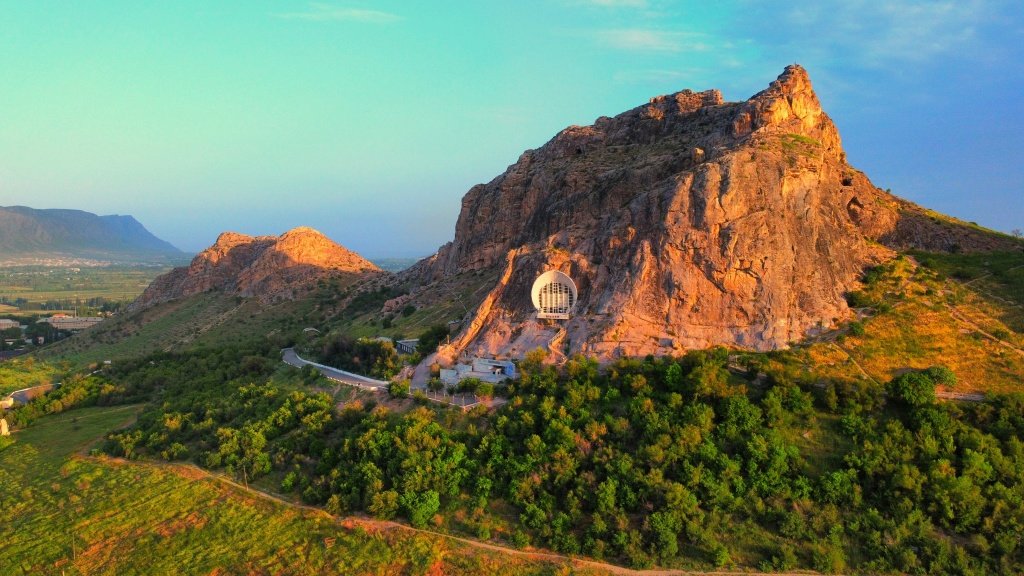
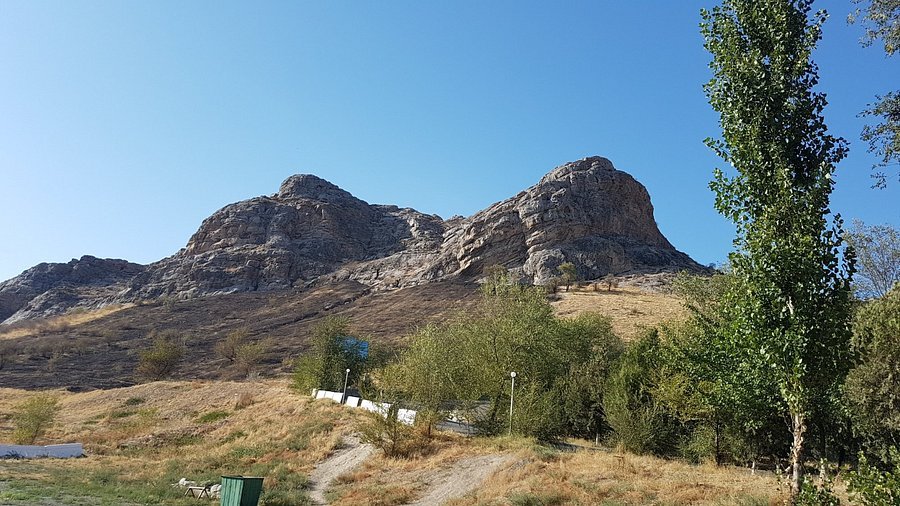
Sulaiman-Too is the most sacred mountain in Kyrgyzstan and one of the most important cultural and historical landmarks in Central Asia. Located in the heart of Osh, the mountain rises dramatically above the city and has served as a place of worship, pilgrimage, trade, and cultural exchange for more than a thousand years.
Recognized as a UNESCO World Heritage Site in 2009, Sulaiman-Too stands as a symbol of Osh and reflects the region’s rich spiritual heritage. Throughout history, merchants traveling along the Silk Road, religious pilgrims, rulers, and local communities have visited the mountain seeking blessings, protection, and guidance.
The mountain contains ancient caves, museums, shrines, viewpoints, archaeological sites, and historical monuments that make it one of the most fascinating destinations in Kyrgyzstan.
The following attractions represent the best places to visit at Sulaiman-Too.
1. Sulaiman-Too Summit – The Sacred Heart of Osh

History and Significance
For centuries, the summit of Sulaiman-Too has been regarded as a sacred place by local communities and pilgrims.
Historical records indicate that travelers along the Silk Road stopped here to pray and seek blessings before continuing their journeys through Central Asia.
The mountain’s spiritual significance predates Islam and continued after the spread of the religion throughout the region.
Why Visit?
Visitors come to admire:
- Religious significance
- Historic pilgrimage routes
- Panoramic city views
- Ancient cultural traditions
- Stunning mountain scenery
The summit remains the most important location on the mountain.
2. Sulaiman-Too Museum – History Inside the Mountain

History
Built inside a natural cave during the Soviet era, the museum preserves the archaeological and cultural history of the region.
Its exhibits document thousands of years of human activity around Sulaiman-Too.
Visitor Experience
Visitors can explore:
- Archaeological artifacts
- Ancient tools
- Historical exhibits
- Cultural displays
- Silk Road history
The museum provides an excellent introduction to the mountain’s heritage.
3. Takht-i-Sulaiman Shrine – The Throne of Solomon
History
According to local legends, the prophet Solomon once visited this mountain and prayed at this sacred location.
For generations, pilgrims have climbed to the shrine seeking spiritual blessings.
Why Visit?
Visitors appreciate:
- Religious significance
- Historical legends
- Sacred atmosphere
- Cultural heritage
- Scenic mountain views
The shrine remains one of the most important pilgrimage destinations in Kyrgyzstan.
4. Babur’s Prayer House – A Connection to the Mughal Empire

History
Babur, the founder of the Mughal Empire, visited Osh during his youth and greatly admired Sulaiman-Too.
A small prayer house associated with Babur stands near the summit and commemorates his connection to the mountain.
Visitor Experience
Visitors can learn about:
- Mughal history
- Central Asian heritage
- Historical architecture
- Babur’s legacy
- Silk Road culture
The site offers both historical and cultural value.
5. Ancient Petroglyphs – Messages from the Past
History
The mountain contains ancient carvings created by early inhabitants of the region.
These petroglyphs depict animals, symbols, hunting scenes, and daily life.
Some carvings date back several centuries and provide valuable insight into ancient cultures.
Why Visit?
Visitors can discover:
- Ancient artwork
- Archaeological treasures
- Historical symbols
- Cultural traditions
- Early human creativity
The petroglyphs represent an important part of the mountain’s heritage.
6. Sacred Cave Complexes – Mystical Places of Worship

History
Numerous caves throughout Sulaiman-Too have been used for spiritual and religious purposes for centuries.
Pilgrims often visited these caves seeking blessings, healing, and protection.
Visitor Experience
Visitors can explore:
- Historic cave chambers
- Religious landmarks
- Unique geological formations
- Ancient traditions
- Spiritual sites
The caves add mystery and significance to the mountain.
7. Silk Road Viewpoint – Where History Meets Nature

History
Sulaiman-Too overlooks routes that once formed part of the great Silk Road network connecting East and West.
Merchants, travelers, and diplomats passed through the region for centuries.
Why Visit?
Visitors enjoy:
- Panoramic city views
- Historical significance
- Photography opportunities
- Mountain scenery
- Cultural insights
The viewpoint provides a unique perspective on Osh’s role in Silk Road history.
8. Eastern Ridge Trail – The Scenic Hiking Route

History
The mountain’s trails have been used by pilgrims and travelers for generations.
Today, they provide access to many of the mountain’s historical attractions.
Visitor Experience
The trail offers:
- Easy hiking opportunities
- Scenic viewpoints
- Historical landmarks
- Photography locations
- Beautiful landscapes
It is one of the most enjoyable ways to explore the mountain.
9. Sunset Viewpoint – The Most Beautiful View of Osh

History
For centuries, visitors have gathered on the mountain to admire the setting sun over the Fergana Valley.
The evening light transforms the city and surrounding mountains into a spectacular landscape.
Why Visit?
Visitors can witness:
- Golden city views
- Colorful skies
- Mountain silhouettes
- Stunning photography opportunities
- Peaceful surroundings
Sunset is considered one of the best times to visit Sulaiman-Too.
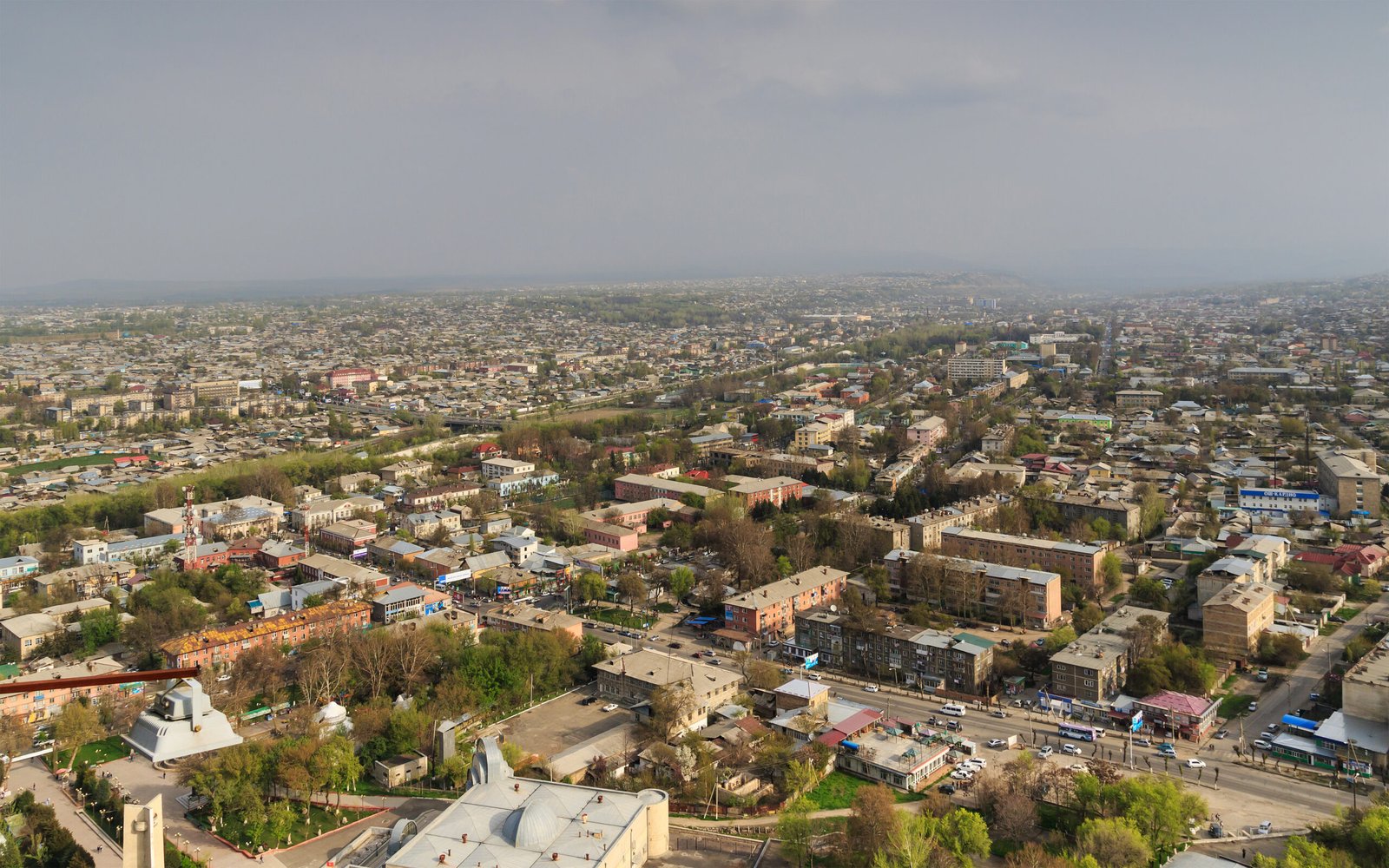
10. Panoramic Observation Deck – The Best View in Southern Kyrgyzstan

History
The mountain has long served as a natural observation point over Osh and the surrounding Fergana Valley.
Today, designated viewpoints allow visitors to safely enjoy these breathtaking vistas.
Visitor Experience
The observation deck offers:
- 360-degree panoramic views
- City landscapes
- Mountain scenery
- Photography opportunities
- Unforgettable sightseeing experiences
Many travelers consider it the finest viewpoint in Osh.
Related artical : Best place to visit in Osh