
Now Reading: Best place to visit in Bopolu
-
01
Best place to visit in Bopolu
Best place to visit in Bopolu

Introduction
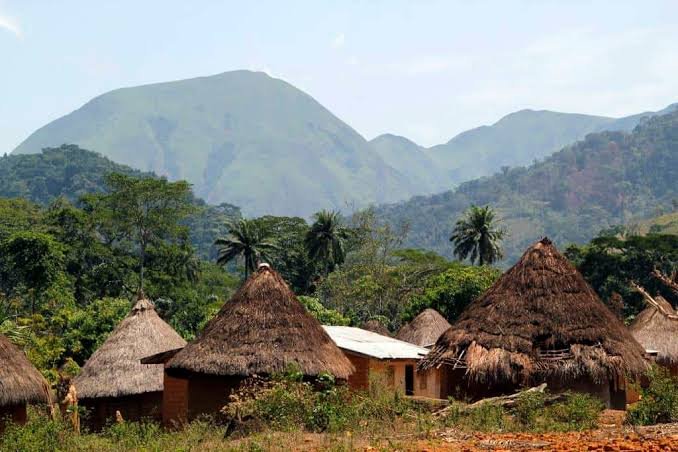
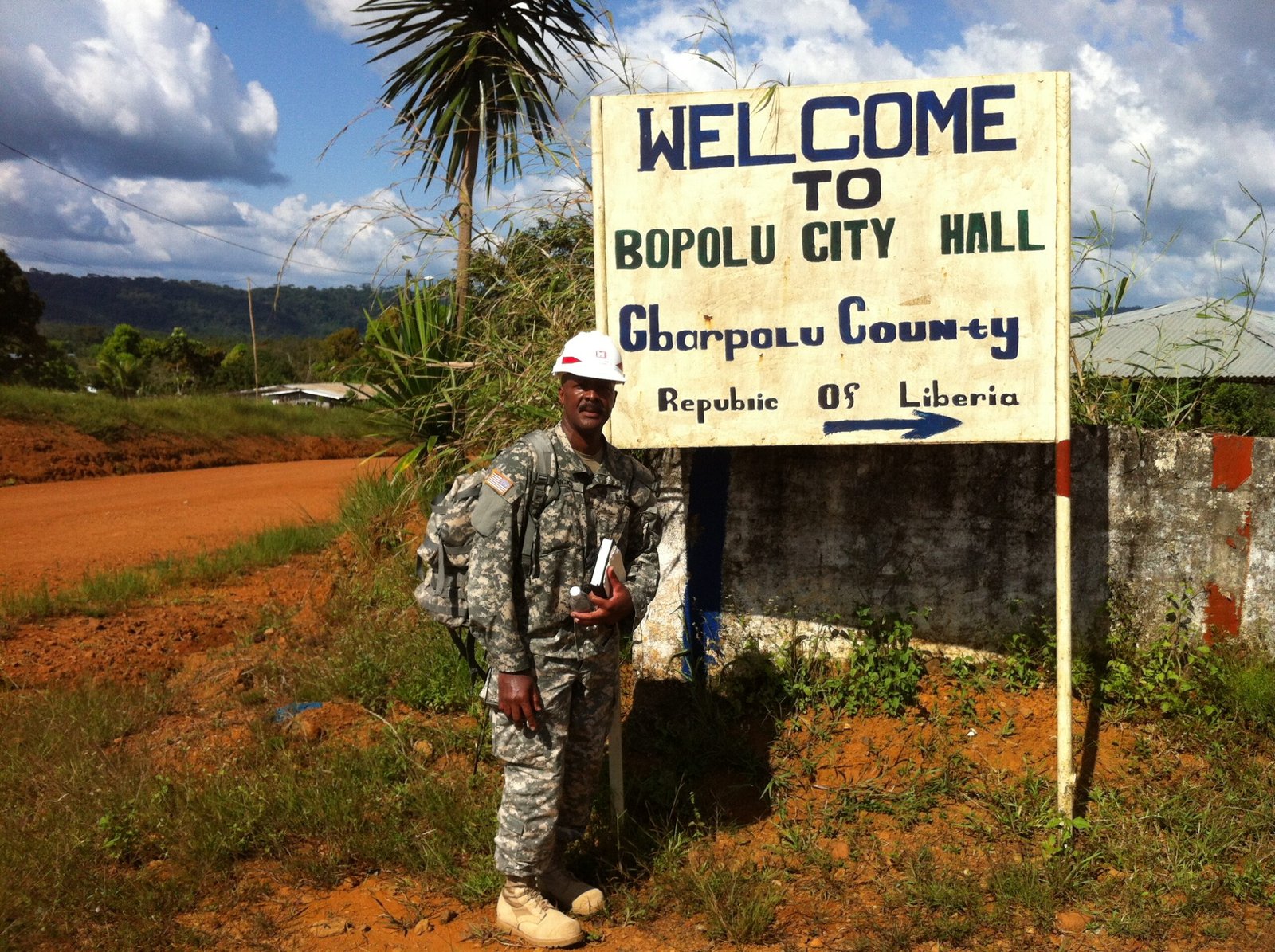
Bopolu is one of Liberia’s most historically significant towns and serves as the capital of Gbarpolu County. Located in the western part of the country, Bopolu is surrounded by dense tropical forests, fertile agricultural lands, rivers, and traditional communities that have preserved their cultural heritage for generations. Although relatively small in size compared to Liberia’s major urban centers, Bopolu occupies a unique place in the nation’s history as the former capital of a powerful indigenous kingdom and an important center of regional trade.
The town offers visitors an opportunity to explore a side of Liberia that is deeply connected to traditional history, cultural identity, and natural beauty. Its peaceful atmosphere, rich historical legacy, and close relationship with the surrounding environment make Bopolu one of the country’s most fascinating destinations for travelers interested in authentic cultural experiences.
Today, Bopolu serves as an administrative center while continuing to preserve the traditions and stories that shaped its remarkable past.
History of Bopolu
The history of Bopolu extends far beyond the establishment of modern Liberia. During the eighteenth and nineteenth centuries, the town became the capital of the powerful Gola Kingdom and later played a central role in regional trade networks that connected the interior of West Africa with coastal settlements.
Bopolu was particularly associated with the influential ruler King Sao Boso, who helped establish the town as an important political and commercial center. Traders traveling through the region exchanged goods such as kola nuts, textiles, agricultural products, and other commodities, contributing to the prosperity of the kingdom.
Throughout the nineteenth century, Bopolu maintained significant influence despite changing political conditions brought about by the expansion of Liberia and European colonial interests in West Africa. The town’s strategic location allowed it to remain an important center for governance, commerce, and cultural exchange.
Today, Bopolu stands as a living reminder of Liberia’s indigenous history and the powerful kingdoms that existed before the formation of the modern nation.
1. Historic Bopolu Kingdom Site
Legacy of a Historic Kingdom
One of the most important attractions in Bopolu is its connection to the historic kingdom that once dominated the region. The town served as the political and administrative center of a powerful indigenous state that controlled important trade routes and influenced surrounding communities.
Although many original structures no longer survive, the historical significance of the area remains deeply embedded in local traditions and oral history. Community elders continue to preserve stories about the kingdom’s leaders, diplomatic relationships, and commercial achievements.
Visitors interested in African history can gain valuable insight into the political systems and cultural traditions that existed long before colonial influence reached the region.
The legacy of the kingdom continues to shape local identity and community pride.
2. Bopolu Central Market

The Economic Heart of the Town
Bopolu Central Market serves as the primary commercial center of the region.
Farmers, traders, and artisans from surrounding communities gather here to sell fresh produce, cassava, rice, vegetables, fish, textiles, household goods, and handcrafted products. The market plays an essential role in supporting local livelihoods while strengthening social connections between villages.
The vibrant atmosphere provides visitors with an authentic glimpse into daily life in rural Liberia. Market days often attract people from distant communities, transforming the town into a lively center of activity and cultural exchange.
The market remains a vital institution that reflects the entrepreneurial spirit of the region.
3. Gola Cultural Heritage

Preserving Indigenous Traditions
Bopolu is closely associated with the Gola People, one of Liberia’s oldest ethnic communities. The Gola possess a rich cultural heritage that includes traditional music, dance, storytelling, ceremonies, and artistic craftsmanship.
Community celebrations often feature vibrant performances that showcase the history and values of the people. Oral traditions continue to play an important role in preserving historical knowledge and transmitting cultural identity to younger generations.
Visitors can learn about traditional customs while gaining a deeper appreciation for the diversity of Liberia’s cultural landscape.
The preservation of Gola heritage remains central to community life in Bopolu.
4. Forest Landscapes of Gbarpolu County

A Region of Extraordinary Natural Beauty
The forests surrounding Bopolu are among the most impressive natural environments in Liberia. Dense tropical vegetation, towering trees, and diverse wildlife create a landscape of remarkable ecological importance.
These forests support numerous species of birds, mammals, reptiles, and plants while providing valuable resources for local communities. Traditional knowledge regarding forest management and medicinal plants continues to influence daily life throughout the region.
Visitors interested in eco-tourism and environmental conservation will find the forests of Gbarpolu County particularly rewarding.
The natural beauty of the area contributes significantly to Bopolu’s appeal as a destination.
5. Agricultural Communities and Rural Life

The Foundation of Local Prosperity
Agriculture remains the backbone of the economy in Bopolu and surrounding communities. Farmers cultivate rice, cassava, cocoa, vegetables, palm oil, and other crops that support local livelihoods and contribute to food security.
Traditional farming methods coexist with modern agricultural practices, reflecting the region’s ongoing development. The fertile soil and favorable climate make agriculture one of the most important sectors in Gbarpolu County.
Visitors can observe farming activities while learning about the essential role agriculture plays in sustaining community life.
The agricultural landscape also enhances the scenic beauty of the countryside.
6. Community Festivals and Traditional Celebrations

Celebrating Culture and Identity
Community festivals remain an important part of life in Bopolu. These events bring together families, villages, and cultural groups to celebrate shared traditions through music, dance, storytelling, and ceremonial activities.
Festivals provide opportunities to honor ancestors, strengthen social bonds, and preserve cultural practices that have survived for generations. They also offer visitors a unique chance to experience the rich cultural life of the region.
The colorful celebrations reflect the enduring strength of local traditions and community values.
Participation in these events often leaves a lasting impression on visitors.
7. Rivers and Waterways

Lifelines of the Region
Numerous rivers and streams flow through the landscapes surrounding Bopolu, supporting agriculture, fishing, transportation, and domestic activities. These waterways have shaped settlement patterns and economic development throughout the region for centuries.
The rivers also contribute to biodiversity by providing habitats for fish, birds, and other wildlife. Their scenic beauty adds to the region’s natural appeal.
Visitors can explore river environments while learning about the importance of water resources in rural Liberia.
The waterways remain essential to both the economy and ecology of Gbarpolu County.
8. Traditional Craftsmanship

Artistry and Creativity
Local artisans in and around Bopolu produce a variety of traditional crafts, including baskets, carvings, textiles, and decorative items. These products reflect generations of accumulated knowledge and artistic skill.
Craftsmanship serves both economic and cultural purposes, providing income while preserving traditional techniques. Visitors often appreciate the opportunity to observe artisans at work and purchase authentic handmade products.
The creative traditions of the region contribute to its unique cultural character.
These crafts remain important symbols of community identity and heritage.
9. Administrative Importance of Modern Bopolu
Capital of Gbarpolu County
As the capital of Gbarpolu County, Bopolu serves as the center of regional governance and public administration. Government offices coordinate development initiatives, infrastructure projects, healthcare services, and educational programs throughout the county.
The town’s administrative role has contributed to improvements in public services and economic opportunities for residents. New investments continue to strengthen its position as a regional center.
Visitors can observe how local governance supports community development and regional progress.
The town remains an important hub for public life in western Liberia.
10. The Future of Bopolu

Balancing Tradition and Progress
Modern Bopolu continues to grow while preserving the historical and cultural heritage that defines its identity. Investments in education, healthcare, transportation, and agriculture are creating new opportunities for residents while strengthening community resilience.
Development efforts aim to improve quality of life while protecting the natural environment and cultural traditions that make the region unique. This balance between progress and preservation represents one of Bopolu’s greatest strengths.
As Liberia continues to develop, Bopolu remains an important symbol of the nation’s historical roots and future aspirations.
Its story reflects the resilience, creativity, and determination of the people who call it home.
Related artical : Best place to visit in Bensonville