
Now Reading: Best place to visit in Cestos
-
01
Best place to visit in Cestos

Best place to visit in Cestos

Introduction
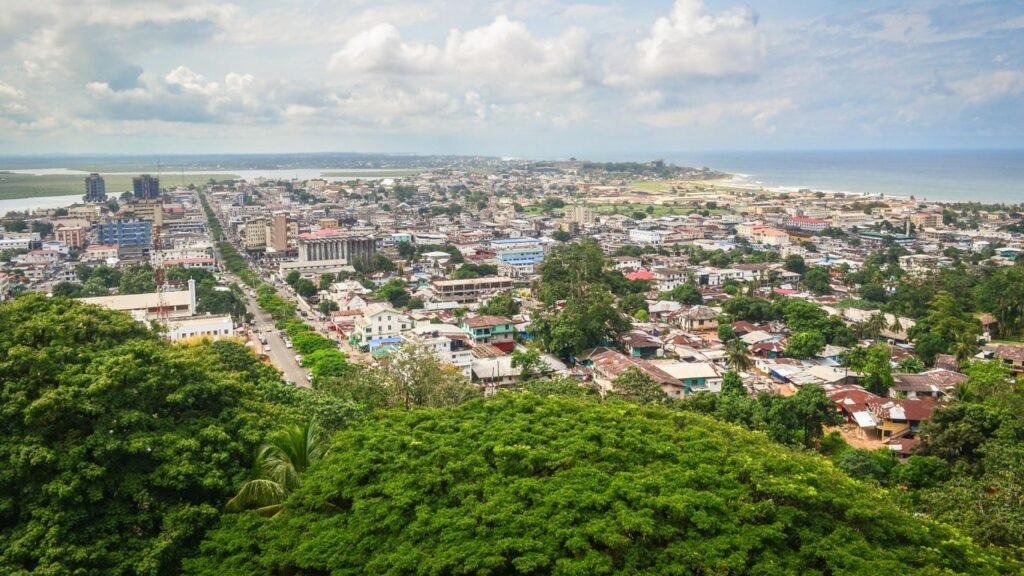
Cestos is the capital of River Cess County and one of Liberia’s most picturesque coastal towns. Situated along the banks of the Cestos River near the Atlantic Ocean, the town is known for its peaceful atmosphere, rich cultural traditions, beautiful waterways, tropical forests, and historical significance. Although smaller than many of Liberia’s major cities, Cestos plays an important role as an administrative, economic, and cultural center for the surrounding region.
The town offers visitors a unique opportunity to experience Liberia’s natural beauty and traditional way of life. Surrounded by rivers, wetlands, forests, and agricultural communities, Cestos represents a side of Liberia that remains largely untouched by large-scale urbanization. The combination of scenic landscapes and cultural heritage makes it one of the most interesting destinations in southeastern Liberia.
Today, Cestos continues to serve as a gateway to River Cess County’s remarkable natural environments while preserving traditions that have been passed down through generations.
History of Cestos
The history of Cestos is closely linked to the Cestos River, which has served as a lifeline for communities throughout the region for centuries. Long before modern Liberia was established, indigenous groups settled along the riverbanks and depended on fishing, farming, hunting, and trade for their livelihoods.
European traders began visiting the region during the era of maritime commerce along the West African coast. The river provided access to inland communities, making it an important route for transportation and trade. Over time, settlements developed around the river, eventually leading to the growth of what is now Cestos.
During the twentieth century, the town gradually expanded as administrative institutions, schools, healthcare facilities, and commercial activities developed throughout River Cess County. Following Liberia’s civil conflicts, reconstruction efforts helped improve infrastructure and strengthen public services.
Today, Cestos remains an important center of governance and community life while maintaining a strong connection to its historical roots.
1. Cestos River

The Lifeline of the Region
The Cestos River is undoubtedly the town’s most important natural landmark. Flowing through forests, wetlands, and agricultural communities before reaching the Atlantic Ocean, the river has supported local populations for centuries.
Fishing remains a major activity along its waters, while farmers rely on the river for irrigation and transportation. The river also supports diverse wildlife and contributes significantly to the ecological richness of the region.
Visitors can enjoy scenic views, observe traditional fishing practices, and experience the peaceful beauty of one of Liberia’s most important waterways.
The river continues to shape the economy, culture, and identity of River Cess County.
2. River Cess Coastal Beaches

Untouched Coastal Beauty
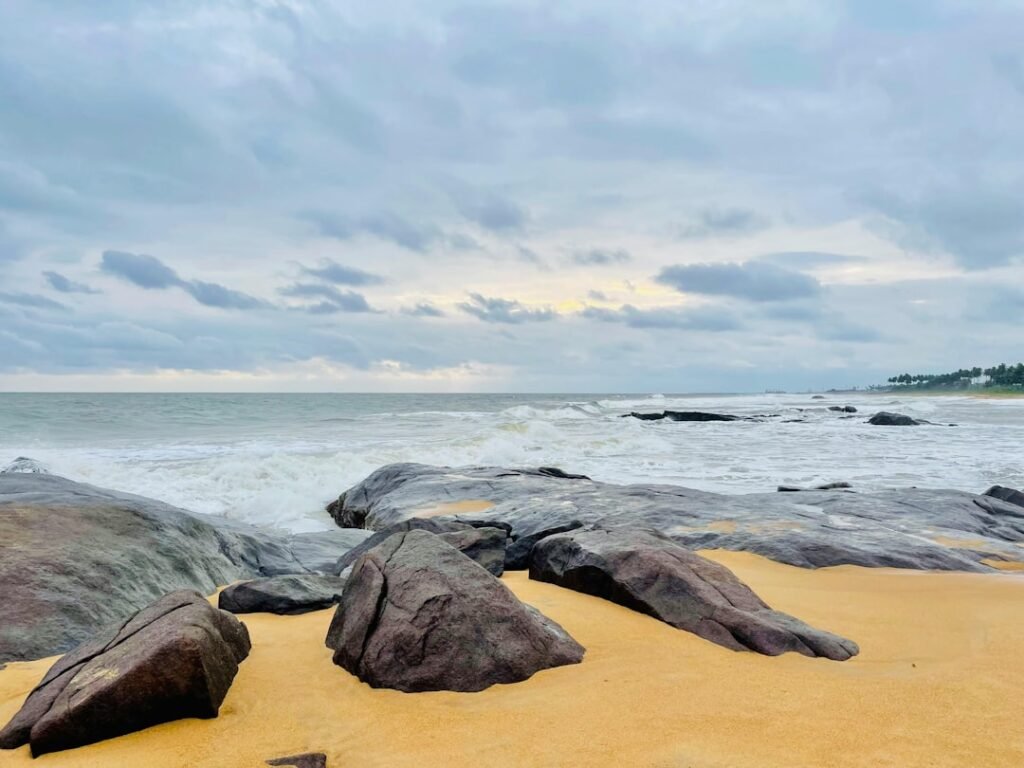
The coastline near Cestos features beautiful stretches of sandy beaches that remain largely undeveloped and unspoiled. These beaches offer visitors a chance to enjoy the natural beauty of Liberia’s Atlantic coast away from crowded tourist destinations.
The sound of ocean waves, expansive views of the sea, and peaceful surroundings create a relaxing atmosphere ideal for photography, walking, and nature observation.
Fishing communities along the coast maintain strong connections to the ocean and continue traditions that have existed for generations.
The beaches represent one of the region’s most valuable natural attractions.
3. Mangrove Wetlands

Ecological Importance
The mangrove ecosystems surrounding Cestos are among the most important natural habitats in River Cess County. These wetlands support fish populations, birds, crustaceans, and numerous other species while helping protect the coastline from erosion.
Mangroves also serve as breeding grounds for marine life and contribute significantly to local fisheries. Conservation efforts seek to preserve these ecosystems while promoting sustainable use of natural resources.
Visitors interested in environmental tourism can learn about the crucial role mangroves play in maintaining ecological balance.
The wetlands highlight the extraordinary biodiversity of southeastern Liberia.
4. Traditional Fishing Villages

Preserving Maritime Heritage
Fishing villages near Cestos offer insight into traditional coastal life in Liberia. Generations of fishermen have relied on rivers and the Atlantic Ocean to provide food and income for their families.
Colorful fishing boats, nets, and daily catches create a vibrant atmosphere that reflects the region’s maritime heritage. Visitors can observe fishing activities and learn about techniques passed down through generations.
These communities play a vital role in the local economy and cultural identity of River Cess County.
Their traditions remain an important part of the region’s heritage.
5. River Cess County Forests

Exploring Liberia’s Natural Landscapes
Dense tropical forests surround much of the Cestos region, creating habitats for diverse plant and animal species. These forests provide valuable resources for local communities and contribute to environmental sustainability.
Birds, monkeys, reptiles, and countless plant species inhabit the region, making it an attractive destination for nature enthusiasts. Traditional knowledge about medicinal plants and forest resources remains an important aspect of community life.
Visitors can explore the beauty of Liberia’s rainforests while learning about conservation and sustainable resource management.
The forests are among the region’s greatest natural treasures.
6. Cultural Heritage of River Cess County

Rich Traditions and Community Life
The people of River Cess County maintain strong cultural traditions that continue to shape daily life. Music, dance, storytelling, ceremonies, and artistic expression remain important aspects of community identity.
Traditional festivals bring together families and villages to celebrate shared history and values. These events provide opportunities to preserve customs while strengthening social bonds.
Visitors interested in cultural tourism can gain valuable insight into the traditions that define the region.
The preservation of heritage remains a source of pride for local communities.
7. Agricultural Heartland

Supporting Local Livelihoods
Agriculture remains the foundation of the local economy. Farmers cultivate rice, cassava, vegetables, cocoa, and palm products that support families throughout River Cess County.
The fertile soils and favorable climate make farming an essential part of community life. Agricultural traditions have been maintained for generations and continue to contribute to food security and economic stability.
Visitors can observe rural life and learn about the importance of agriculture in Liberia’s development.
The agricultural landscape adds to the region’s scenic beauty.
8. Local Markets and Commerce

The Center of Community Activity
Local markets in Cestos provide a vibrant setting where farmers, fishermen, traders, and artisans gather to exchange goods and services.
Fresh produce, seafood, handcrafted items, textiles, and household products are sold throughout the market, creating an energetic atmosphere that reflects the region’s entrepreneurial spirit.
Markets also serve as important social spaces where residents maintain relationships and share information.
Visitors can experience authentic Liberian commerce while exploring community life.
9. Government and Administrative Center
Capital of River Cess County
As the capital of River Cess County, Cestos serves as the center of regional governance and public administration. Government institutions coordinate development programs, healthcare services, education initiatives, and infrastructure projects throughout the county.
The town’s administrative role has encouraged economic growth and improved access to public services.
Visitors can gain insight into how local government contributes to regional development and community well-being.
Cestos remains an important hub for civic life in southeastern Liberia.
10. The Future of Cestos

Balancing Development and Conservation
Modern Cestos continues to evolve through investments in education, healthcare, transportation, and economic development. Community leaders and government institutions are working to improve living standards while preserving the natural environments that make the region unique.
Efforts to protect rivers, forests, and wetlands are helping ensure that future generations can continue to benefit from these valuable resources.
The town’s commitment to sustainable development reflects the resilience and vision of its people.
As River Cess County grows, Cestos remains a symbol of harmony between tradition, nature, and progress.
Related artical : Best place to visit in Bopolu