
Now Reading: Best place to visit in Mulanje
-
01
Best place to visit in Mulanje
Best place to visit in Mulanje
1. Mount Mulanje

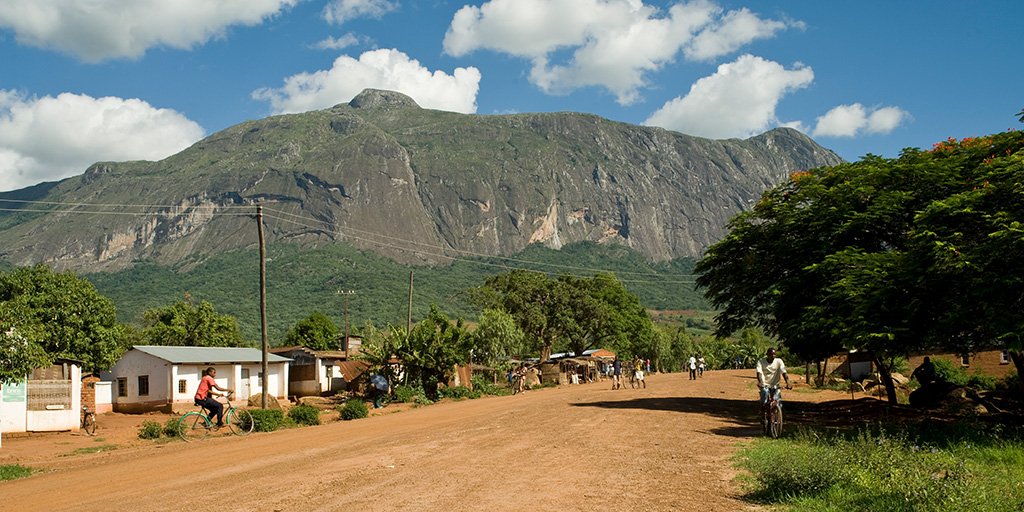
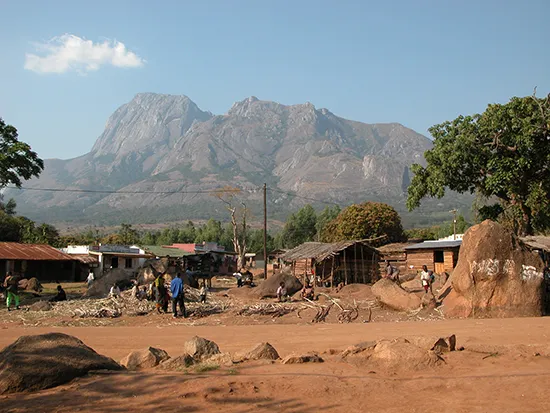
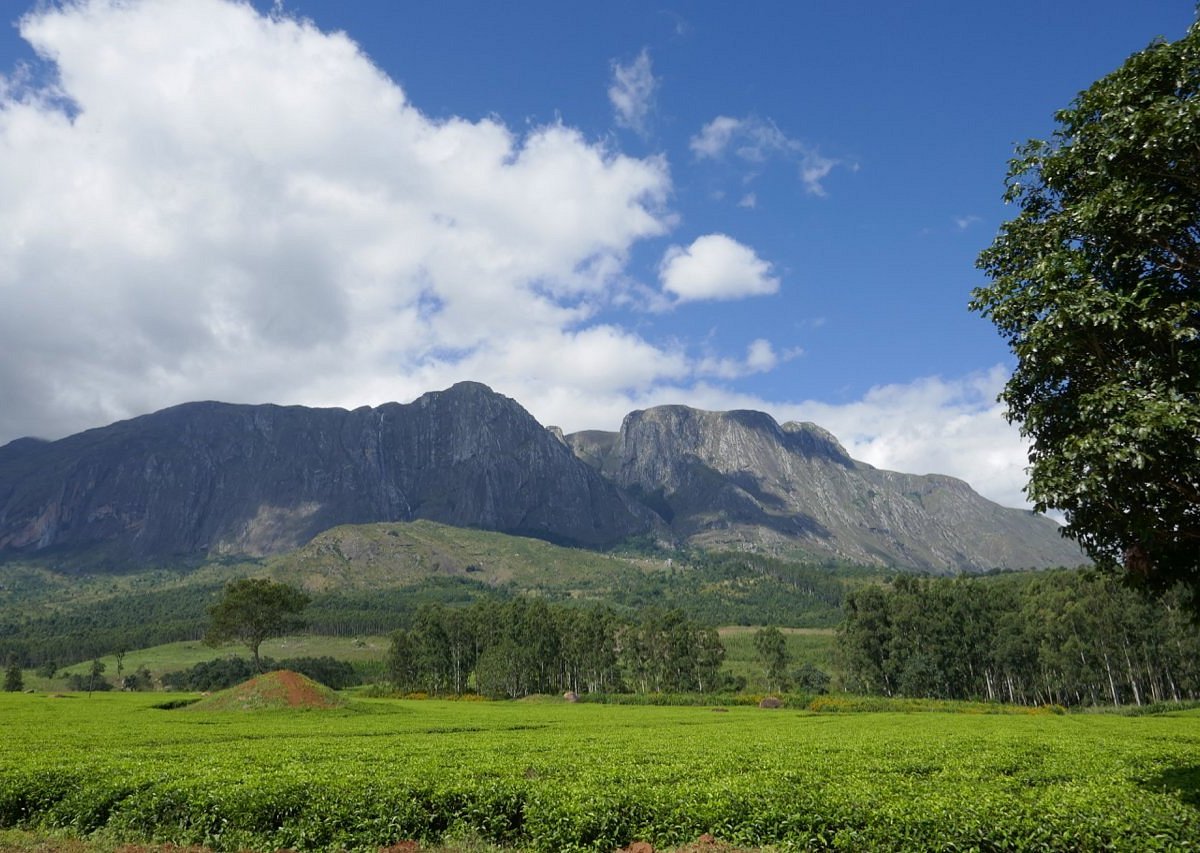
Mount Mulanje is the most iconic natural landmark in Malawi and one of the most spectacular mountain ranges in Africa. Rising dramatically from the surrounding plains, the massif reaches its highest point at Sapitwa Peak, which stands at over 3,000 meters above sea level. Often referred to as the “Island in the Sky,” Mount Mulanje dominates the landscape with its granite cliffs, deep valleys, waterfalls, forests, and breathtaking mountain scenery.
The mountain attracts hikers, climbers, nature enthusiasts, and photographers from around the world. Numerous trails lead visitors through diverse ecosystems ranging from tropical forests to alpine grasslands. Along the way, travelers encounter rare plants, unique wildlife, crystal-clear streams, and spectacular viewpoints. The mountain’s beauty changes throughout the day as sunlight and clouds create dramatic visual effects across the granite peaks. Mount Mulanje is not only Malawi’s most famous mountain but also one of the country’s greatest natural treasures.
2. Sapitwa Peak

Sapitwa Peak is the highest point in Malawi and the ultimate goal for many hikers visiting Mount Mulanje. The name “Sapitwa” means “do not go there” in the local language, reflecting the myths and legends associated with this impressive summit. Reaching the peak requires determination and physical effort, but the reward is one of the most spectacular panoramic views in southern Africa.
From the summit, visitors can see vast stretches of Malawi, neighboring Mozambique, and the surrounding valleys and plains. The journey to Sapitwa passes through forests, rocky slopes, mountain huts, and scenic viewpoints that showcase the incredible beauty of the Mulanje Massif. For adventure seekers, climbing Sapitwa Peak is an unforgettable experience.
3. Dziwe la Nkhalamba

Dziwe la Nkhalamba, often called the “Old Man’s Pool,” is one of the most beautiful natural attractions on Mount Mulanje. Surrounded by granite rocks and lush vegetation, this crystal-clear mountain pool is fed by cool streams flowing from the high peaks above.
Visitors often stop here during hiking excursions to relax and enjoy the peaceful surroundings. The pool’s clear waters reflect the surrounding cliffs and forest, creating a picturesque setting that is perfect for photography. Local legends add cultural significance to the site, making it one of the most memorable destinations on the mountain.
4. Likhubula Falls

Likhubula Falls is one of the most visited waterfalls in the Mulanje region. The waterfall cascades through rocky terrain surrounded by indigenous forest, creating a tranquil and refreshing environment. The sound of rushing water and the cool mountain air make this destination especially appealing during warm weather.
Accessible through scenic hiking trails, the falls provide opportunities for relaxation, photography, and nature appreciation. The surrounding area is rich in biodiversity and offers excellent opportunities to observe birds and native plant species.
5. Mulanje Cedar Forests

The Mulanje Cedar Forests are home to the Mulanje Cedar, Malawi’s national tree and one of the country’s most important endemic species. Found only on Mount Mulanje, these forests play a vital role in the mountain’s ecosystem and conservation efforts.
Visitors hiking through these forests experience a unique environment filled with towering trees, cool temperatures, and beautiful mountain scenery. The forests provide habitat for numerous birds and wildlife species while contributing to the ecological importance of the Mulanje Massif. Exploring the cedar forests offers a deeper appreciation of Malawi’s natural heritage.
6. Chambe Peak

Chambe Peak is one of the most dramatic and recognizable peaks on Mount Mulanje. Its massive granite wall is considered one of the largest rock faces in Africa and attracts experienced climbers from around the world.
Even for visitors who do not climb, the peak provides spectacular scenery and excellent photographic opportunities. The surrounding landscapes include forests, rivers, and mountain trails that showcase the rugged beauty of the massif. Chambe Peak is widely regarded as one of the most impressive geological features in Malawi.
7. Likhubula Forest Reserve

Likhubula Forest Reserve protects important sections of the lower slopes of Mount Mulanje and serves as a gateway to many hiking routes. The reserve contains dense forests, streams, waterfalls, and diverse wildlife habitats that attract nature lovers and researchers.
Visitors can enjoy scenic walks through the forest while observing colorful birds, butterflies, and native plant species. The reserve’s peaceful atmosphere and ecological significance make it one of the most attractive natural areas in the region.
8. Tea Estates of Mulanje

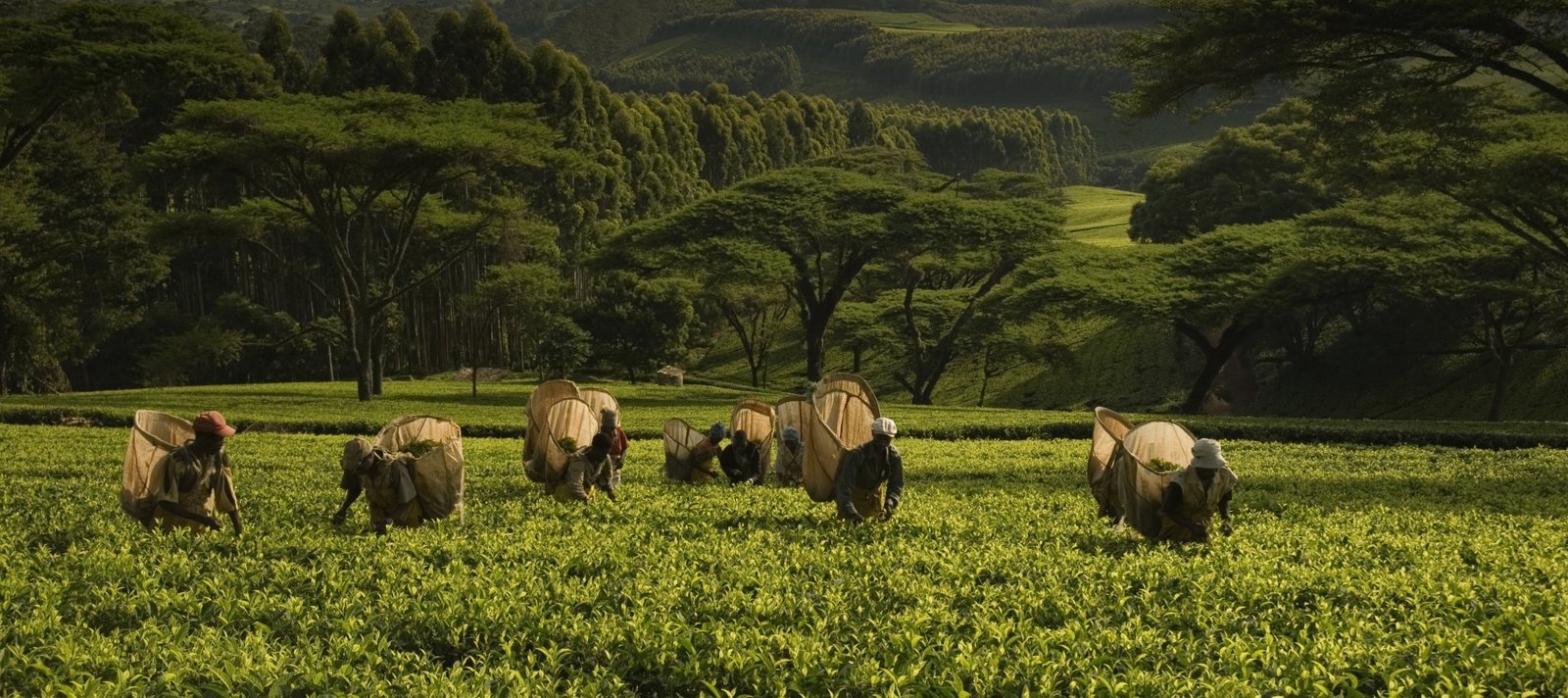
The tea estates surrounding Mulanje create some of the most beautiful agricultural landscapes in Malawi. Vast green fields stretch across rolling hills beneath the towering backdrop of Mount Mulanje, creating scenery that rivals famous tea-growing regions around the world.
Visitors can tour tea plantations, learn about tea cultivation and processing, and enjoy spectacular views of the mountain. The estates play an important role in Malawi’s economy while offering unique tourism experiences that combine agriculture, history, and natural beauty.
9. Fort Lister
Fort Lister is one of the most important historical landmarks in the Mulanje district. Built during the colonial era, the fort served administrative and military purposes and played a role in the region’s historical development.
Today, visitors can explore the site and learn about the history of colonial administration and local communities. The fort provides valuable insight into the cultural and historical evolution of southern Malawi and remains an important heritage attraction.
10. Ruo River Valley

The Ruo River Valley is one of the most scenic areas surrounding Mount Mulanje. Flowing along the border between Malawi and Mozambique, the river creates fertile landscapes, dramatic valleys, and beautiful natural scenery. The combination of flowing water, green vegetation, and mountain backdrops makes the valley one of the region’s most picturesque destinations.
Visitors can enjoy sightseeing, photography, birdwatching, and opportunities to explore rural communities that depend on the river for agriculture and daily life. The valley’s natural beauty and peaceful atmosphere make it an excellent destination for travelers seeking a deeper connection with the landscapes of Mulanje.
Related artical : Best place to visit in Mchinji