
Now Reading: Best place to visit in Malawi
-
01
Best place to visit in Malawi
Best place to visit in Malawi
1. Lake Malawi

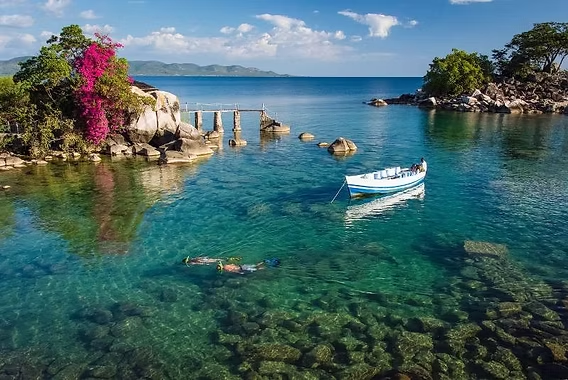
Lake Malawi is one of Africa’s greatest natural treasures and the third-largest lake on the continent. Stretching approximately 580 kilometers from north to south, the lake forms much of Malawi’s eastern border and plays a vital role in the country’s culture, economy, and tourism industry. Often referred to as the “Lake of Stars,” Lake Malawi earned its nickname from the thousands of lanterns used by fishermen at night, creating a magical display of lights across the water.
The lake is internationally renowned for its extraordinary biodiversity and contains more species of fish than any other lake in the world. Scientists have identified hundreds of colorful cichlid fish species, many of which are found nowhere else on Earth. This remarkable biodiversity has made Lake Malawi an important destination for researchers, conservationists, and nature enthusiasts.
Visitors to Lake Malawi can enjoy a wide range of activities including swimming, snorkeling, kayaking, sailing, scuba diving, fishing, and boat cruises. The crystal-clear waters provide excellent visibility, allowing travelers to observe vibrant aquatic life beneath the surface. Along the shoreline, visitors will discover picturesque fishing villages, sandy beaches, rocky coves, and lush landscapes that create unforgettable scenery.
Beyond its natural beauty, Lake Malawi serves as the lifeblood of countless communities. Fishing remains a primary source of income and food for many residents, while tourism provides economic opportunities throughout the region. Whether exploring secluded beaches, engaging with local cultures, or simply relaxing by the water, visitors quickly understand why Lake Malawi is considered one of Africa’s most beautiful freshwater destinations.
2. Lake Malawi National Park

Lake Malawi National Park is one of the most significant conservation areas in Africa and holds the distinction of being Malawi’s first UNESCO World Heritage Site. Established in 1980, the park was created to protect the unique ecosystems of the southern section of Lake Malawi and the incredible diversity of aquatic species found within its waters.
The park encompasses a collection of islands, rocky shorelines, forests, and surrounding lake environments that support one of the world’s richest freshwater ecosystems. The most famous inhabitants of the park are the cichlid fish species, whose diversity and evolutionary significance have attracted international scientific attention for decades. Many of these species display brilliant colors that rival those found in tropical coral reefs.
Visitors can participate in snorkeling and diving excursions that reveal the underwater wonders of the lake. Crystal-clear water allows for exceptional visibility, making it possible to observe fish species in their natural habitat. Boat trips around the islands provide opportunities to enjoy breathtaking scenery while learning about conservation efforts designed to preserve this extraordinary environment.
The park is also home to various bird species, reptiles, and mammals that inhabit the surrounding forests and rocky landscapes. Hiking trails lead visitors to scenic viewpoints overlooking the lake, while educational programs provide insight into the ecological importance of the region. Lake Malawi National Park represents a remarkable success story in environmental conservation and remains one of the country’s premier tourist destinations.
3. Liwonde National Park

Liwonde National Park is widely regarded as Malawi’s premier wildlife destination and one of the finest safari parks in southern Africa. Located along the banks of the Shire River, the park covers a vast area of floodplains, woodlands, grasslands, and wetlands that support an extraordinary diversity of wildlife.
The park is particularly famous for its large elephant population, which can often be seen gathering along the riverbanks to drink and bathe. Visitors also have opportunities to encounter hippos, crocodiles, buffaloes, antelopes, warthogs, and numerous bird species. Conservation efforts have successfully reintroduced lions, cheetahs, and other predators, helping restore the ecological balance of the region.
One of the most unique experiences in Liwonde is the boat safari along the Shire River. Unlike traditional game drives, these excursions allow visitors to observe wildlife from the water while enjoying close encounters with hippos, crocodiles, and birds. The river scenery creates a peaceful and immersive safari experience that is difficult to find elsewhere in Africa.
The park’s diverse landscapes provide excellent opportunities for photography, wildlife observation, and nature appreciation. Luxury lodges and eco-friendly camps offer comfortable accommodations while maintaining a strong commitment to conservation. Liwonde National Park continues to attract travelers seeking authentic safari experiences combined with outstanding wildlife viewing opportunities.
4. Majete Wildlife Reserve

Majete Wildlife Reserve stands as one of Africa’s greatest conservation success stories. Once heavily affected by poaching and habitat degradation, the reserve has undergone a remarkable transformation through dedicated conservation efforts. Today, Majete is one of Malawi’s most successful wildlife destinations and a leading example of ecological restoration.
The reserve is now home to the famous Big Five—lion, leopard, elephant, buffalo, and rhinoceros—making it one of the few places in Malawi where visitors can experience a complete African safari. In addition to these iconic species, Majete supports numerous antelope species, hippos, crocodiles, and more than 300 bird species.
Game drives provide excellent opportunities to observe wildlife in their natural habitat, while guided walking safaris offer a deeper understanding of the reserve’s ecosystems. Visitors can explore diverse landscapes that include river valleys, forests, rocky hills, and open savannahs.
Majete’s success demonstrates the positive impact of conservation partnerships and sustainable tourism. The reserve not only protects wildlife but also supports local communities through employment, education, and development programs. Today, Majete Wildlife Reserve represents one of Malawi’s most impressive tourism and conservation achievements.
5. Nyika National Park
Nyika National Park is Malawi’s largest national park and one of the most unique wilderness areas in Africa. Dominated by the vast Nyika Plateau, the park offers rolling grasslands, mountain scenery, forests, rivers, and an abundance of wildlife that create a landscape unlike any other safari destination.
The park’s high altitude results in cool temperatures and extensive grasslands that resemble European countryside more than traditional African savannah. During the rainy season, thousands of wildflowers bloom across the plateau, transforming the landscape into a colorful natural spectacle.
Visitors can encounter zebras, antelopes, hyenas, leopards, and numerous bird species while exploring the park through game drives, hiking, mountain biking, and horseback riding. The scenic beauty of the plateau makes every journey through the park a memorable experience.
Nyika’s remote location contributes to its peaceful atmosphere and sense of wilderness. Unlike more crowded safari destinations, visitors often enjoy vast landscapes with few other travelers in sight. The park’s unique ecology, stunning scenery, and abundant wildlife make it one of Malawi’s most extraordinary attractions.
6. Mount Mulanje

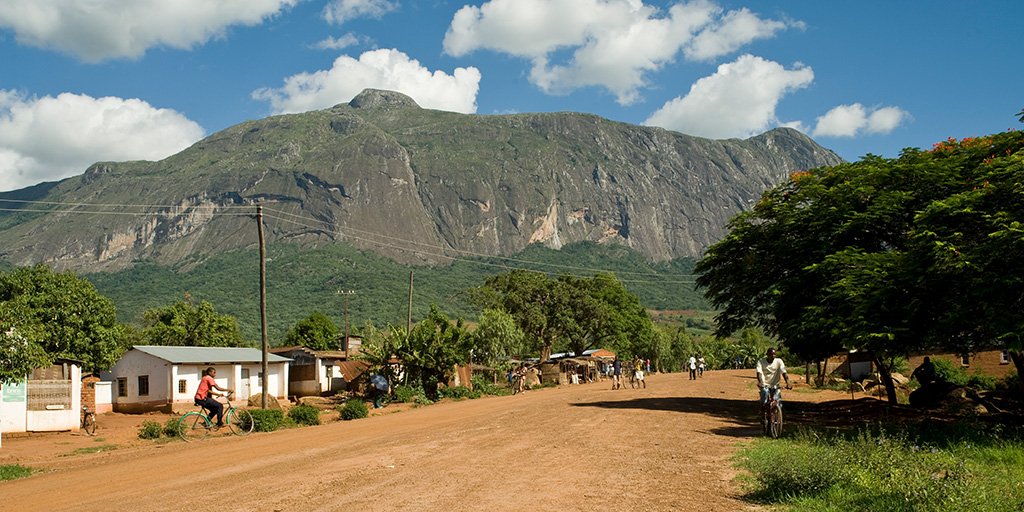
Mount Mulanje is Malawi’s most iconic mountain and one of the most spectacular geological formations in Africa. Rising dramatically from the surrounding plains, the massif reaches over 3,000 meters at Sapitwa Peak, the highest point in Malawi.
Known as the “Island in the Sky,” Mount Mulanje features towering granite cliffs, deep valleys, waterfalls, streams, and ancient forests. The mountain attracts hikers, climbers, photographers, and nature lovers from around the world who come to experience its breathtaking beauty.
Numerous trails lead visitors through diverse ecosystems ranging from tropical forests to alpine grasslands. Along the way, hikers encounter crystal-clear rivers, unique plant species, and panoramic viewpoints that reveal spectacular landscapes extending far beyond the mountain itself.
Mount Mulanje is also home to the Mulanje Cedar, Malawi’s national tree, which grows naturally only in this region. The mountain’s ecological significance, cultural importance, and dramatic scenery make it one of the country’s most treasured natural landmarks.
7. Zomba Plateau

Zomba Plateau is one of Malawi’s most beautiful mountain destinations and a favorite retreat for both locals and international visitors. Rising above the historic city of Zomba, the plateau offers cool temperatures, scenic forests, waterfalls, rivers, and some of the country’s most impressive viewpoints.
Visitors can explore numerous hiking and cycling trails that wind through pine forests, grasslands, and mountain landscapes. Popular attractions include waterfalls, trout streams, and spectacular viewpoints overlooking the surrounding valleys and distant Lake Chilwa.
The plateau’s peaceful atmosphere provides a welcome escape from the heat of the lowlands. Horse riding, birdwatching, picnicking, and photography are popular activities throughout the year. The combination of natural beauty and accessibility makes Zomba Plateau one of Malawi’s most visited outdoor destinations.
8. Cape Maclear

Cape Maclear is one of Malawi’s most famous tourist destinations and serves as the gateway to Lake Malawi National Park. Located on the southern shores of Lake Malawi, this charming lakeside village is renowned for its sandy beaches, clear waters, and relaxed atmosphere.
Visitors can enjoy swimming, snorkeling, kayaking, sailing, and boat excursions while exploring the surrounding islands and protected waters. The area is particularly famous for its vibrant underwater life and exceptional snorkeling opportunities.
The village itself offers a welcoming environment where travelers can interact with local communities, enjoy fresh fish dishes, and experience traditional Malawian hospitality. Cape Maclear’s combination of natural beauty, cultural authenticity, and recreational opportunities has made it one of the country’s most beloved destinations.
9. Monkey Bay

Monkey Bay is an important lakeside town located on the southern shores of Lake Malawi and serves as a major transportation and tourism hub. The town is closely connected to Lake Malawi National Park and provides access to many of the lake’s most famous attractions.
Visitors can explore beautiful beaches, fishing villages, islands, and scenic viewpoints while enjoying activities such as boating, fishing, kayaking, and snorkeling. Monkey Bay Harbour remains one of the busiest ports on Lake Malawi and offers fascinating insights into daily life along the lake.
The town’s strategic location makes it an excellent base for exploring nearby destinations including Cape Maclear, Thumbi Island, and other attractions within the national park. The combination of natural beauty and cultural experiences makes Monkey Bay a key stop on any Lake Malawi itinerary.
10. Nkhata Bay

Nkhata Bay is one of the most scenic and culturally rich destinations along the shores of Lake Malawi. Surrounded by forested hills that descend dramatically into crystal-clear waters, the town offers some of the most breathtaking lakeside scenery in the country.
The region is famous for its excellent diving and snorkeling opportunities, thanks to clear waters and abundant fish species. Visitors can also enjoy kayaking, sailing, boat trips, and lakeside relaxation while taking in spectacular views of the surrounding mountains.
Beyond its natural attractions, Nkhata Bay is home to vibrant local communities that preserve the traditions of the Tonga people. Cultural tours, village visits, and local markets provide opportunities to learn about the history and customs of the region. The combination of stunning landscapes, rich culture, and outdoor adventure makes Nkhata Bay one of Malawi’s most unforgettable destinations.
11. Kasungu National Park

Kasungu National Park is the second-largest national park in Malawi and one of the country’s most important wildlife conservation areas. Located in the central region near the border with Zambia, the park covers more than 2,000 square kilometers of pristine wilderness consisting of miombo woodlands, grasslands, rivers, and seasonal wetlands. Its vast size and relatively untouched environment make it one of the most authentic safari destinations in Malawi.
The park is home to a wide variety of wildlife including elephants, buffaloes, antelopes, warthogs, hyenas, and numerous bird species. Conservation programs have significantly improved wildlife populations, making Kasungu increasingly attractive for safari tourism. Visitors can enjoy game drives through scenic landscapes while observing animals in their natural habitat.
Birdwatchers are particularly drawn to Kasungu because of its rich avian diversity. During different seasons, hundreds of bird species can be spotted throughout the park’s forests and wetlands. The peaceful atmosphere, expansive wilderness, and impressive wildlife make Kasungu National Park an ideal destination for travelers seeking an authentic African safari experience away from crowded tourist routes.
12. Nkhotakota Wildlife Reserve

Nkhotakota Wildlife Reserve is the oldest and largest wildlife reserve in Malawi, covering more than 1,800 square kilometers of rugged wilderness. Situated between the escarpments of the Great Rift Valley and the shores of Lake Malawi, the reserve contains dense forests, rivers, mountains, and remote valleys that create one of the country’s most spectacular natural environments.
The reserve gained international recognition through one of Africa’s largest wildlife relocation projects, during which hundreds of elephants and other animals were successfully transferred to help restore the ecosystem. Today, visitors can encounter elephants, buffaloes, antelopes, baboons, and a rich variety of bird species throughout the reserve.
Unlike many safari destinations, Nkhotakota offers a true wilderness experience with fewer tourists and vast untouched landscapes. Hiking, wildlife viewing, birdwatching, and nature photography are among the most popular activities. The reserve’s dramatic scenery and conservation success story make it one of Malawi’s most inspiring natural attractions.
13. Vwaza Marsh Wildlife Reserve

Vwaza Marsh Wildlife Reserve is one of Malawi’s most beautiful protected areas and serves as an important wildlife sanctuary in the northern region of the country. Covering more than 1,000 square kilometers, the reserve consists of wetlands, grasslands, forests, and lakes that support an impressive variety of wildlife.
One of the reserve’s most famous features is Lake Kazuni, which attracts large numbers of animals and birds throughout the year. Visitors often see elephants, buffaloes, hippos, antelopes, crocodiles, and numerous bird species gathering around the lake. The peaceful waters and surrounding landscapes create outstanding opportunities for wildlife photography.
The reserve is also known for its rich biodiversity and scenic beauty. Guided walks and game drives allow visitors to explore the area’s ecosystems while learning about conservation efforts. The combination of wetlands, wildlife, and tranquil landscapes makes Vwaza Marsh Wildlife Reserve one of Malawi’s hidden gems.
14. Kande Beach

Kande Beach is one of the most popular tourist destinations on the shores of Lake Malawi and is renowned for its long sandy beaches, crystal-clear waters, and vibrant atmosphere. Located on the western shore of the lake, Kande Beach attracts travelers from around the world seeking relaxation, adventure, and cultural experiences.
The beach offers a wide range of activities including swimming, kayaking, snorkeling, sailing, scuba diving, and beach volleyball. Horse riding along the shoreline is particularly popular and provides a unique way to experience the beauty of Lake Malawi. The calm waters and pleasant climate make Kande Beach an ideal destination throughout the year.
Beyond recreational activities, visitors can engage with nearby communities and learn about local traditions and fishing practices. The combination of beautiful scenery, excellent facilities, and cultural experiences has made Kande Beach one of Malawi’s most beloved lakeside destinations.
15. Chongoni Rock Art Area

The Chongoni Rock Art Area is one of Malawi’s most important historical and cultural treasures. Designated as a UNESCO World Heritage Site, the area contains more than 120 rock art sites spread across forested hills and rocky outcrops. These ancient paintings provide valuable insight into the lives, beliefs, and traditions of communities that inhabited the region over many centuries.
The artwork reflects contributions from different cultural groups, including hunter-gatherers and later farming communities. Many paintings depict ceremonies, spiritual practices, hunting scenes, and symbolic imagery that reveal aspects of ancient life in Central Africa. The site remains culturally significant to local communities today.
Visitors exploring Chongoni can hike through scenic landscapes while discovering rock shelters that preserve these remarkable works of art. Guided tours help explain the historical and cultural importance of the paintings, making Chongoni one of Malawi’s most fascinating archaeological destinations.
16. Mzuzu

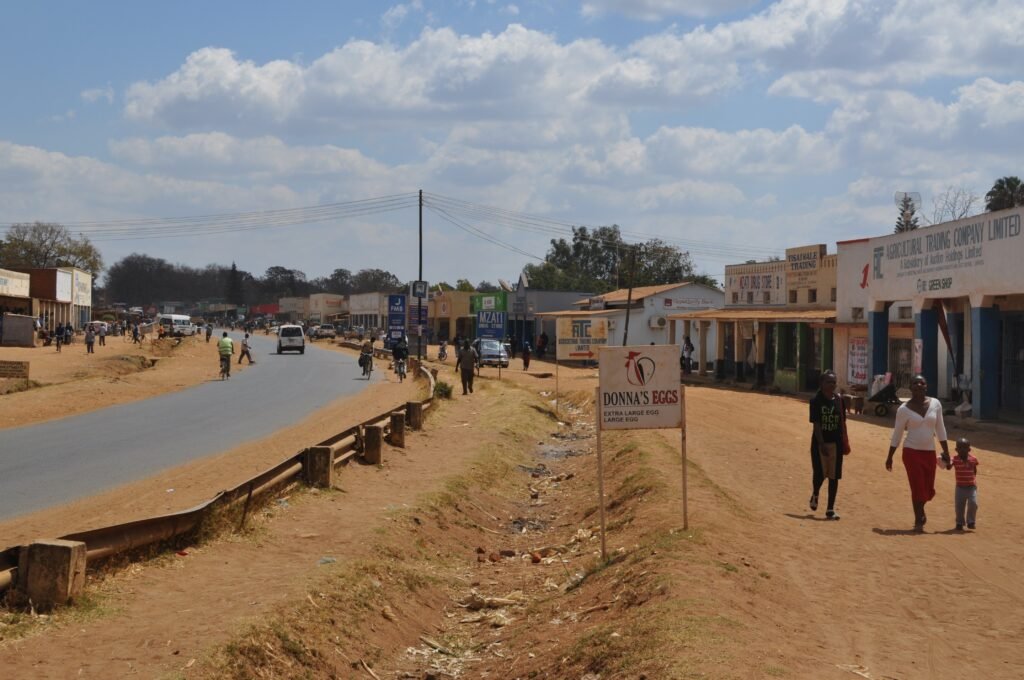
Mzuzu is the largest city in northern Malawi and serves as the economic, educational, and cultural hub of the region. Surrounded by rolling hills, forests, and fertile farmland, the city enjoys a pleasant climate and offers a unique blend of urban development and natural beauty.
The city is famous for its coffee production, vibrant markets, educational institutions, and friendly atmosphere. Visitors can explore local markets, cultural centers, restaurants, and nearby natural attractions while experiencing the lifestyle of northern Malawi. Mzuzu is also an important gateway to destinations such as Nyika National Park, Vwaza Marsh Wildlife Reserve, and Lake Malawi.
The city’s growing economy and cultural diversity make it an important center for tourism and commerce. Whether used as a base for exploration or visited as a destination itself, Mzuzu provides valuable insight into modern life in northern Malawi.
17. Lilongwe Wildlife Centre

Lilongwe Wildlife Centre is Malawi’s leading wildlife rescue and rehabilitation facility and one of the country’s most important conservation organizations. Located within the capital city, the center provides sanctuary for injured, orphaned, and rescued animals while promoting environmental education and conservation awareness.
The center is home to monkeys, antelopes, reptiles, birds, and other wildlife species that have been rescued from illegal trade, habitat loss, or injury. Visitors can learn about rehabilitation programs and conservation efforts designed to protect Malawi’s biodiversity.
Walking trails wind through beautiful forest habitats, offering opportunities to observe wildlife while enjoying a peaceful natural environment. Educational programs, guided tours, and conservation initiatives make Lilongwe Wildlife Centre both an important sanctuary and a valuable tourist attraction.
18. Satemwa Tea Estate

Satemwa Tea Estate is one of Malawi’s most famous agricultural and tourism destinations. Established in 1923 in the Thyolo Highlands, the estate is internationally recognized for producing premium tea and coffee while preserving its rich historical heritage.
Visitors can tour expansive tea plantations that cover rolling hills beneath spectacular mountain scenery. Guided experiences introduce guests to every stage of tea production, from harvesting and processing to tasting and packaging. Tea-tasting sessions allow visitors to sample a variety of award-winning products produced on the estate.
The estate also features colonial-era buildings, scenic walking trails, and beautiful gardens that contribute to its unique charm. Satemwa combines agriculture, history, sustainability, and tourism, making it one of Malawi’s most distinctive destinations.
19. Mua Mission

Mua Mission is one of Malawi’s most significant cultural and educational institutions. Located in the central region of the country, the mission is home to the renowned Kungoni Centre of Culture and Art, which works to preserve and celebrate Malawi’s diverse cultural heritage.
Visitors can explore museums and galleries displaying traditional masks, carvings, paintings, musical instruments, and historical artifacts representing various ethnic groups across Malawi. The center provides valuable insight into the customs, beliefs, and artistic traditions that shape the country’s identity.
Traditional dance performances, storytelling sessions, and cultural workshops allow visitors to engage directly with local heritage. Mua Mission is widely regarded as one of the best places in Malawi to learn about the country’s rich cultural history and artistic traditions.
20. Karonga Museum

Karonga Museum is one of Malawi’s most important museums and a leading center for archaeology, paleontology, and cultural history. Located in northern Malawi, the museum gained international recognition through significant fossil discoveries that revealed important information about ancient life and human evolution in the region.
The museum houses fascinating exhibits featuring dinosaur fossils, prehistoric animal remains, archaeological artifacts, and displays documenting the history of local communities. Visitors can learn about geological processes, ancient ecosystems, and the scientific discoveries that have placed Karonga on the global research map.
In addition to paleontology, the museum explores the cultural heritage of northern Malawi through exhibits highlighting traditional lifestyles, trade networks, and historical developments. Educational programs and interactive displays make Karonga Museum an engaging destination for visitors of all ages. It remains one of the country’s most valuable centers for learning and cultural preservation.
Related artical : Best place to visit in Phalombe