
Now Reading: Best place to visit in Kuala Lumpur
-
01
Best place to visit in Kuala Lumpur
Best place to visit in Kuala Lumpur
1. Petronas Twin Towers

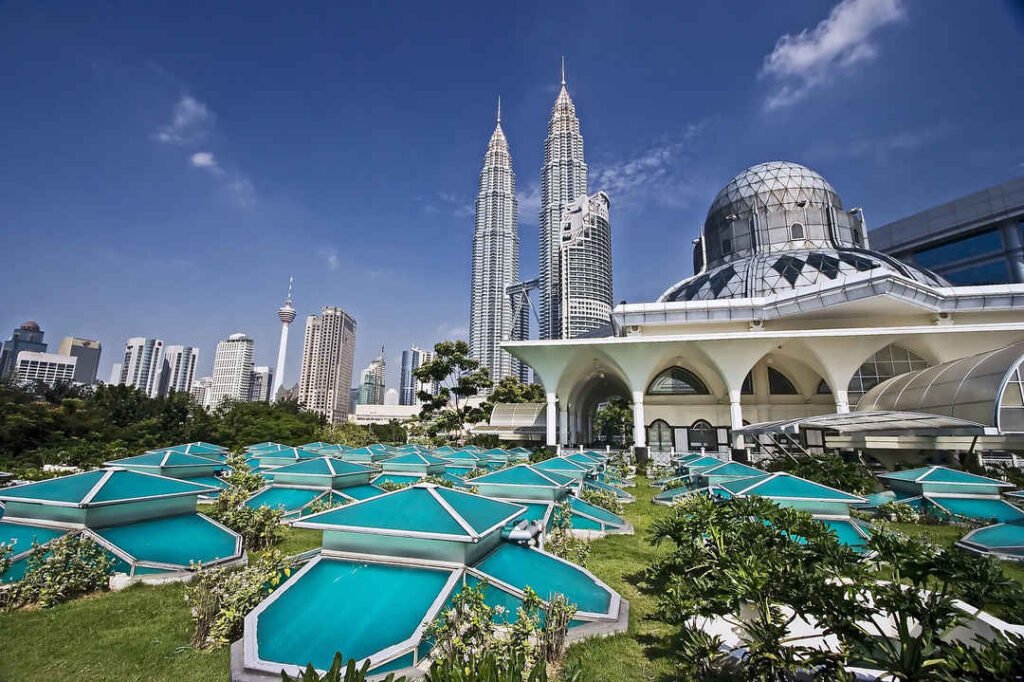
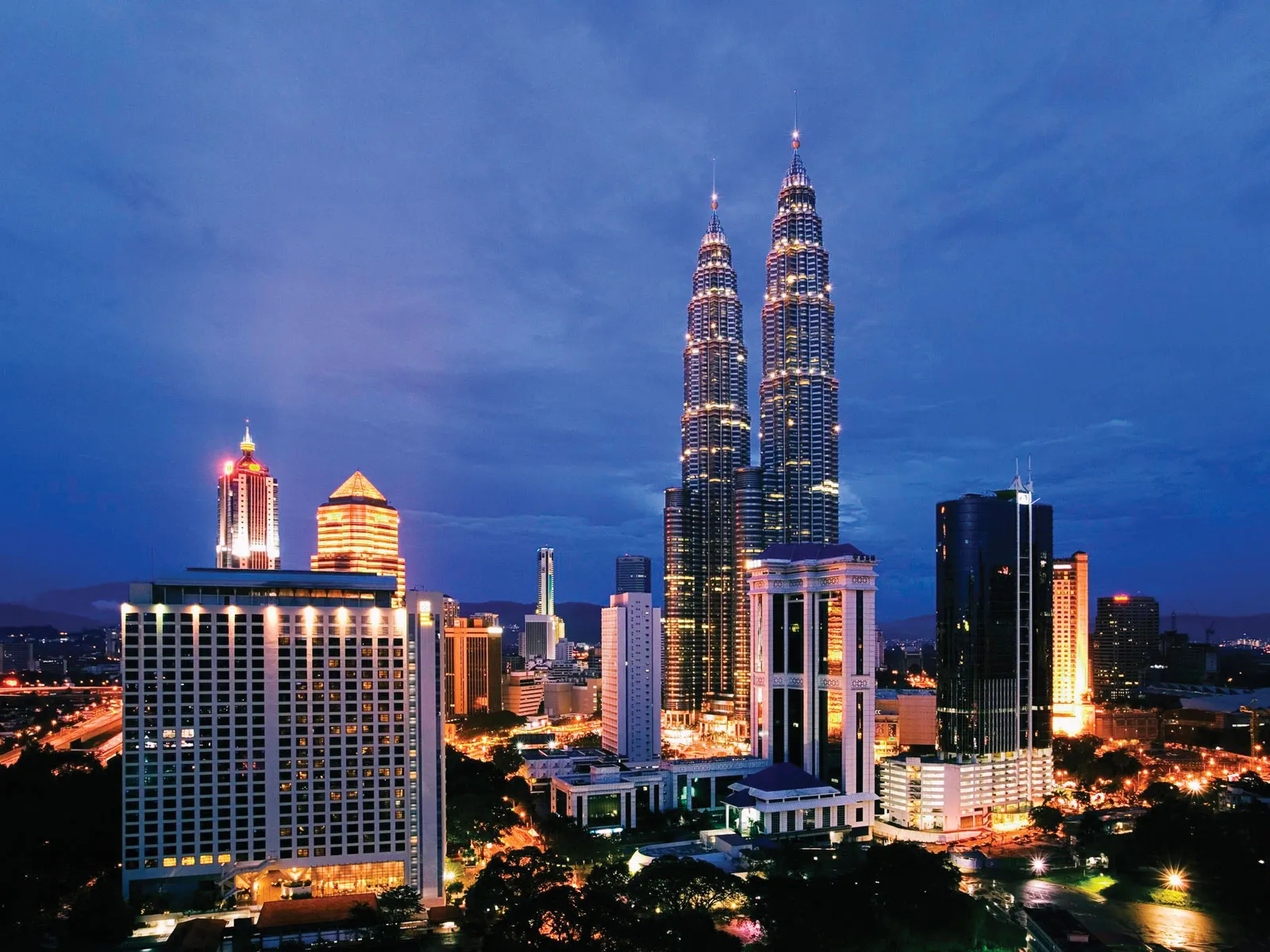
The Petronas Twin Towers are the most iconic landmark in Malaysia and the defining symbol of Kuala Lumpur’s modern skyline. Standing at 452 meters, these magnificent twin skyscrapers were once the tallest buildings in the world and remain among the most recognizable architectural achievements globally. Designed with inspiration from Islamic geometry, the towers combine cutting-edge engineering with cultural significance, creating a structure that reflects Malaysia’s ambition and identity.
Visitors can explore the famous Skybridge that connects the two towers and ascend to the observation deck for breathtaking panoramic views of Kuala Lumpur. The surrounding KLCC area features luxury shopping, fine dining, cultural attractions, and beautifully landscaped parks. At night, the illuminated towers create a spectacular sight that attracts photographers and tourists from around the world. A visit to Kuala Lumpur would be incomplete without experiencing the grandeur of the Petronas Twin Towers.
2. Batu Caves

Batu Caves is one of Malaysia’s most important religious and cultural landmarks. Located just outside Kuala Lumpur, the site consists of a series of limestone caves and temples that have become a major pilgrimage destination for Hindus. The towering golden statue of Lord Murugan standing at the entrance is among the largest of its kind in the world and serves as a striking welcome to visitors.
The colorful staircase leading to the main cave has become one of Malaysia’s most photographed attractions. Inside the caves, visitors discover impressive temple complexes, natural rock formations, and fascinating cultural traditions. During the annual Thaipusam festival, millions of devotees and tourists gather here, creating one of the most spectacular religious events in Southeast Asia.
3. Menara Kuala Lumpur

Menara Kuala Lumpur, commonly known as KL Tower, is one of the tallest telecommunications towers in the world and one of the city’s most popular attractions. Rising above Bukit Nanas Forest Reserve, the tower offers unmatched views of Kuala Lumpur’s skyline and surrounding landscapes.
Visitors can access observation decks and the famous Sky Box, a glass platform extending from the tower that provides thrilling views hundreds of meters above the city. The tower also features restaurants, cultural performances, and educational exhibits. Whether visited during the day or at night, KL Tower offers some of the best panoramic views in Malaysia.
4. Merdeka Square

Merdeka Square holds immense historical significance as the site where Malaysia’s national flag was first raised following independence in 1957. Surrounded by colonial-era architecture and historic buildings, the square provides visitors with insight into the country’s journey toward nationhood.
The nearby Sultan Abdul Samad Building, with its distinctive Moorish design and clock tower, remains one of Kuala Lumpur’s most recognizable landmarks. The area also contains museums, cultural institutions, and historical monuments that help tell the story of Malaysia’s rich heritage.
5. Chinatown Kuala Lumpur

Kuala Lumpur’s Chinatown is a vibrant district known for its bustling markets, traditional architecture, street food, and cultural heritage. Centered around Petaling Street, the area is filled with vendors selling souvenirs, clothing, electronics, handicrafts, and local delicacies.
Visitors can explore historic temples, traditional shophouses, and hidden alleyways while enjoying authentic Chinese-Malaysian cuisine. The lively atmosphere and rich cultural influences make Chinatown one of the city’s most exciting destinations.
6. Bukit Bintang

Bukit Bintang is Kuala Lumpur’s premier entertainment and shopping district. The area is home to luxury malls, international brands, restaurants, cafés, nightlife venues, and entertainment centers that attract visitors from around the world.
By day, travelers can explore modern shopping complexes and cultural attractions. By night, the district transforms into a vibrant hub filled with lights, music, and activity. Bukit Bintang perfectly represents Kuala Lumpur’s dynamic and cosmopolitan character.
7. Thean Hou Temple

Thean Hou Temple is one of Southeast Asia’s largest and most beautiful Chinese temples. Dedicated to the sea goddess Mazu, the temple combines traditional Chinese architecture with stunning decorative elements, creating a peaceful and visually impressive environment.
Visitors can admire intricate carvings, colorful lanterns, and panoramic views of Kuala Lumpur from the temple grounds. The site also hosts festivals and cultural celebrations throughout the year, making it an important center of Chinese heritage in Malaysia.
8. KLCC Park

KLCC Park is a beautifully landscaped urban park located at the base of the Petronas Twin Towers. Designed to provide green space within the heart of the city, the park features walking paths, fountains, gardens, playgrounds, and scenic lakes.
Visitors can relax while enjoying views of the towering skyscrapers that surround the area. The evening fountain shows are particularly popular, combining music, lights, and water displays to create a memorable experience.
9. National Mosque of Malaysia

The National Mosque, or Masjid Negara, is one of Malaysia’s most important religious landmarks. Built after independence, the mosque symbolizes national unity and reflects the country’s Islamic heritage through its distinctive modern architectural design.
Visitors can admire the impressive prayer hall, elegant minaret, and beautifully landscaped gardens while learning about Islamic culture and traditions. The mosque remains an active place of worship and an important cultural attraction.
10. Central Market

Central Market is one of Kuala Lumpur’s most beloved cultural attractions and a paradise for shoppers interested in traditional Malaysian arts and crafts. Originally established as a wet market in the nineteenth century, the building has been transformed into a vibrant cultural center showcasing the country’s diverse heritage.
Visitors can browse stalls selling batik fabrics, handmade jewelry, wood carvings, paintings, souvenirs, and traditional products from various Malaysian communities. Cultural performances, workshops, and local food vendors further enhance the experience. Central Market provides an excellent introduction to Malaysia’s artistic traditions and remains one of the best places to discover authentic local craftsmanship.
Related artical : Best place to visit in Malawi