
Now Reading: Best place to visit in Mali
-
01
Best place to visit in Mali
Best place to visit in Mali
1. Timbuktu Travel Guide: Discover the Legendary City of Gold and Ancient Knowledge in Mali

Introduction
Timbuktu is one of the world’s most legendary cities, famous for its rich history, ancient Islamic scholarship, and remarkable role in the trans-Saharan trade network. Located on the southern edge of the Sahara Desert in northern Mali, Timbuktu has captivated explorers, historians, and travelers for centuries. The city’s name became synonymous with distant adventure and unimaginable wealth during the Middle Ages, when it served as one of Africa’s greatest centers of commerce and education.
Founded in the 11th century by Tuareg nomads, Timbuktu quickly evolved from a seasonal trading camp into one of the most influential cities of the Mali Empire and later the Songhai Empire. It became a meeting place where merchants transported gold, salt, ivory, textiles, spices, and other valuable goods across the Sahara, connecting West Africa with North Africa and the Middle East. At the same time, Timbuktu emerged as one of the world’s leading centers of Islamic learning, attracting scholars, students, and intellectuals from across Africa and beyond.
Today, Timbuktu is recognized as a UNESCO World Heritage Site and remains one of Africa’s most significant historical destinations. Its ancient mosques, priceless manuscript collections, traditional mud-brick architecture, and enduring cultural heritage continue to preserve the legacy of one of history’s greatest civilizations.
History of Timbuktu
The history of Timbuktu dates back to around the 11th century when Tuareg nomads established a settlement near a well managed by an elderly woman named Buktu. The camp became known as “Tin Buktu,” meaning “The Place of Buktu.”
Its strategic location near the Niger River and the Sahara Desert made it an ideal crossroads for trade caravans traveling between North Africa and West Africa. During the 13th century, Timbuktu became part of the Mali Empire under the leadership of Sundiata Keita.
The city’s greatest period of prosperity occurred during the 14th and 15th centuries, especially under the reign of Mansa Musa. Following his famous pilgrimage to Mecca in 1324, Mansa Musa invested heavily in the development of Timbuktu by constructing magnificent mosques, libraries, and educational institutions.
At its peak, Timbuktu became one of the most important intellectual centers in the Islamic world. Thousands of students studied subjects such as theology, astronomy, medicine, mathematics, geography, law, literature, and philosophy. The city’s scholars produced countless handwritten manuscripts, many of which survive today.
During the late 15th century, Timbuktu became part of the Songhai Empire and continued to flourish until Moroccan forces conquered the city in 1591. Although its political influence gradually declined afterward, Timbuktu remained an important symbol of African scholarship and cultural achievement.
2. Djenné Travel Guide: Explore Mali’s Ancient City of Mud-Brick Architecture and Timeless Heritage

Introduction
Djenné is one of the oldest continuously inhabited cities in sub-Saharan Africa and one of Mali’s most treasured cultural destinations. Located on the floodplain of the Bani River in central Mali, Djenné has been a center of trade, Islamic scholarship, architecture, and cultural exchange for more than a thousand years. Renowned for its extraordinary mud-brick buildings, vibrant markets, and historic streets, the city offers visitors an unforgettable journey into the heart of West African history.
Recognized as a UNESCO World Heritage Site, Djenné is celebrated for preserving one of the finest collections of Sudano-Sahelian architecture in the world. Its narrow streets, beautifully crafted earthen homes, historic mosques, and bustling marketplaces create a unique atmosphere that reflects centuries of tradition. Walking through Djenné feels like stepping into a living museum, where local communities continue to maintain their architectural heritage using techniques passed down through generations.
For travelers interested in history, culture, photography, architecture, or traditional African life, Djenné is one of the most fascinating destinations in Mali and all of West Africa.
History of Djenné
Djenné has a remarkable history dating back more than 2,000 years. The nearby archaeological site of Djenné-Djenno is one of the oldest known urban settlements in sub-Saharan Africa and was an important trading center long before the rise of the Mali Empire.
As Islam spread across West Africa during the medieval period, Djenné became a leading center of Islamic learning and commerce. Merchants from across the Sahara traded gold, salt, ivory, textiles, grains, and manuscripts, making the city one of the wealthiest commercial hubs in the region.
During the Mali Empire and later the Songhai Empire, Djenné flourished as an important destination for scholars, traders, and religious leaders. The city’s prosperity led to the construction of magnificent mud-brick buildings, many of which still stand today. Its unique architectural style has been preserved through the collective efforts of the local community, ensuring that Djenné remains one of the world’s most remarkable historic cities.
3. Great Mosque of Djenné Travel Guide: Discover the World’s Largest Mud-Brick Mosque

Meta Description
Explore the Great Mosque of Djenné in Mali, the world’s largest mud-brick building and a UNESCO World Heritage Site. Discover its history, architecture, cultural importance, and the best time to visit.
Introduction
Great Mosque of Djenné is one of Africa’s most remarkable architectural masterpieces and the largest mud-brick building in the world. Located in the historic city of Djenné, this magnificent mosque represents centuries of Islamic tradition, African craftsmanship, and community spirit. Its distinctive Sudano-Sahelian architecture, characterized by towering earthen walls and wooden support beams, has made it one of Mali’s most recognizable landmarks.
The mosque remains an active place of worship while serving as an international symbol of West African heritage. Every year, the local community participates in the famous annual replastering festival, where residents gather to repair and strengthen the mosque using traditional mud construction techniques. This unique event reflects the strong bond between the monument and the people of Djenné.
Today, visitors from around the world come to admire its impressive design, learn about its cultural significance, and explore one of Africa’s most treasured UNESCO World Heritage Sites.
History
The original mosque was established during the 13th century after the ruler of Djenné converted to Islam. The current structure was completed in 1907 using traditional mud-brick construction techniques while preserving the historic architectural style that had defined the site for centuries.
Throughout its history, the mosque has served as the spiritual and educational center of Djenné. Islamic scholars gathered here to teach theology, law, and literature, making the city an important center of learning in West Africa.
Its unique architecture has inspired builders across the Sahel region and continues to demonstrate how traditional earthen construction can create monumental buildings that survive for generations through careful community maintenance.
Best Time to Visit
The ideal time to visit the Great Mosque of Djenné is from November to February, when temperatures are cooler and more comfortable for sightseeing. Visitors who wish to witness the famous annual replastering festival should plan their trip during the festival period, which usually takes place before the rainy season.
4. Bandiagara Escarpment Travel Guide: Explore Mali’s Spectacular Cliff Landscapes

Meta Description
Discover the Bandiagara Escarpment in Mali, a UNESCO World Heritage Site known for its dramatic cliffs, ancient villages, Dogon culture, and breathtaking landscapes.
Introduction
Bandiagara Escarpment is one of the most spectacular natural and cultural landmarks in West Africa. Stretching for nearly 150 kilometers across central Mali, the sandstone cliffs rise dramatically above the surrounding plains, creating one of the continent’s most impressive geological formations.
Beyond its natural beauty, the escarpment is internationally renowned as the homeland of the Dogon people, whose villages cling to the cliffs and preserve centuries-old traditions. Ancient granaries, mud-brick houses, sacred caves, and dramatic viewpoints make the region one of Mali’s most fascinating travel destinations.
Recognized as a UNESCO World Heritage Site, the Bandiagara Escarpment combines extraordinary landscapes with one of Africa’s richest cultural histories.
History
Human settlement around the Bandiagara Escarpment dates back thousands of years. Before the arrival of the Dogon people, the cliffs were inhabited by the Tellem, an ancient civilization famous for building homes and burial sites high within the rock face.
Around the 15th century, the Dogon settled in the region to escape expanding empires and preserve their traditional beliefs. Over the centuries they developed unique architecture, farming techniques, religious practices, and artistic traditions that continue today.
Because of its exceptional cultural and natural significance, UNESCO designated the Bandiagara Escarpment as a World Heritage Site in 1989.
Best Time to Visit
The best time to visit the Bandiagara Escarpment is between November and February, when temperatures are pleasant for hiking, village visits, and photography.
5. Dogon Country Travel Guide: Experience Mali’s Ancient Traditions and Mountain Villages

Meta Description
Explore Dogon Country in Mali, famous for its ancient villages, cliff-side architecture, rich cultural heritage, traditional ceremonies, and breathtaking landscapes.
Introduction
Dogon Country is one of Africa’s most extraordinary cultural destinations, celebrated for its dramatic cliffside villages, ancient traditions, and remarkable architectural heritage. Located along the Bandiagara Escarpment in central Mali, Dogon Country is home to the Dogon people, one of West Africa’s most distinctive ethnic groups.
Visitors are drawn to the region by its unique combination of stunning landscapes, traditional mud-brick villages, sacred shrines, and vibrant cultural practices that have been preserved for centuries. Walking through Dogon Country offers an opportunity to experience a way of life that remains closely connected to history, spirituality, and nature.
The region’s breathtaking scenery and cultural richness have earned international recognition as part of the UNESCO-listed Bandiagara Escarpment.
History
The Dogon people migrated to this region around the 15th century, seeking refuge among the cliffs where they could preserve their traditions and independence. Before their arrival, the Tellem people inhabited the escarpment and built remarkable cliff dwellings and burial sites that can still be seen today.
Over the centuries, the Dogon developed a rich cultural identity expressed through traditional architecture, wood carving, mask-making, agriculture, astronomy, and ceremonial dances. Oral history, religious beliefs, and community traditions continue to play a central role in daily life.
Today, Dogon Country remains one of the most culturally significant regions in Africa, attracting visitors interested in history, anthropology, and traditional African culture.
Best Time to Visit
The ideal time to visit Dogon Country is from November to February, when cooler temperatures make hiking through villages and exploring the escarpment much more enjoyable.
6. National Museum of Mali Travel Guide: Discover the Rich Cultural Heritage of Mali

Meta Description
Explore the National Museum of Mali in Bamako, home to fascinating archaeological discoveries, traditional artifacts, ancient manuscripts, and cultural exhibitions that showcase Mali’s rich history and diverse heritage.
Introduction
National Museum of Mali is one of the country’s most important cultural institutions and one of the finest museums in West Africa. Located in the capital city of Bamako, the museum preserves and celebrates Mali’s extraordinary history, traditions, and artistic achievements. Visitors can explore an impressive collection of archaeological discoveries, ancient artifacts, traditional musical instruments, tribal masks, textiles, pottery, sculptures, and historical manuscripts that illustrate the story of Mali from prehistoric times to the modern era.
The museum is surrounded by beautifully landscaped gardens featuring traditional architecture, making it a peaceful destination for families, students, historians, and travelers. Interactive exhibitions and educational displays provide valuable insight into the cultures of the Bambara, Dogon, Tuareg, Songhai, Fulani, and many other communities that have shaped Mali’s identity.
Whether you are passionate about history, archaeology, or African art, the National Museum of Mali offers an unforgettable cultural experience.
History
The National Museum of Mali was established to preserve the country’s rich cultural heritage and archaeological treasures. Over the decades, it has expanded its collections through archaeological excavations, historical research, and cultural preservation projects. Today, the museum safeguards thousands of priceless objects representing Mali’s ancient civilizations, medieval empires, and diverse ethnic traditions.
It also plays a vital role in promoting education, conservation, and appreciation of Mali’s artistic legacy through exhibitions, workshops, and cultural events.
Best Time to Visit
The best time to visit the National Museum of Mali is from November to February, when Bamako experiences cooler temperatures, making sightseeing around the museum and the city much more comfortable.
7. Bamako Grand Mosque Travel Guide: Discover One of Mali’s Most Important Religious Landmarks

Meta Description
Visit the Bamako Grand Mosque, one of Mali’s most important Islamic landmarks, renowned for its impressive architecture, peaceful atmosphere, and cultural significance in the heart of Bamako.
Introduction
Bamako Grand Mosque is one of the largest and most significant religious landmarks in Mali. Located in the center of the capital city, the mosque serves as an important place of worship for thousands of Muslims while standing as a symbol of the country’s deep Islamic heritage.
Its elegant architecture, featuring towering minarets, spacious prayer halls, decorative arches, and beautiful Islamic design, makes it one of Bamako’s most recognizable landmarks. Visitors admire the mosque not only for its religious importance but also for its impressive construction and peaceful surroundings.
Although primarily a place of worship, the mosque attracts travelers interested in architecture, history, and the cultural traditions of Mali.
History
The Bamako Grand Mosque was constructed during the 20th century with financial support from Saudi Arabia. Since its completion, it has become one of the country’s principal Islamic centers, hosting daily prayers, Friday congregations, and important religious celebrations such as Eid.
Over the years, the mosque has become an iconic landmark representing Bamako’s spiritual and cultural life while welcoming visitors who wish to appreciate its remarkable architecture from the outside.
Best Time to Visit
The ideal time to visit the Bamako Grand Mosque is between November and February, when the weather is pleasant for walking around the city. Visitors should dress modestly and avoid visiting during busy prayer times unless participating in worship.
8. Niger River Travel Guide: Experience the Lifeline of West Africa

Meta Description
Discover the Niger River, one of Africa’s longest rivers, flowing through Mali with stunning landscapes, traditional fishing villages, scenic boat trips, and centuries of cultural and historical importance.
Introduction
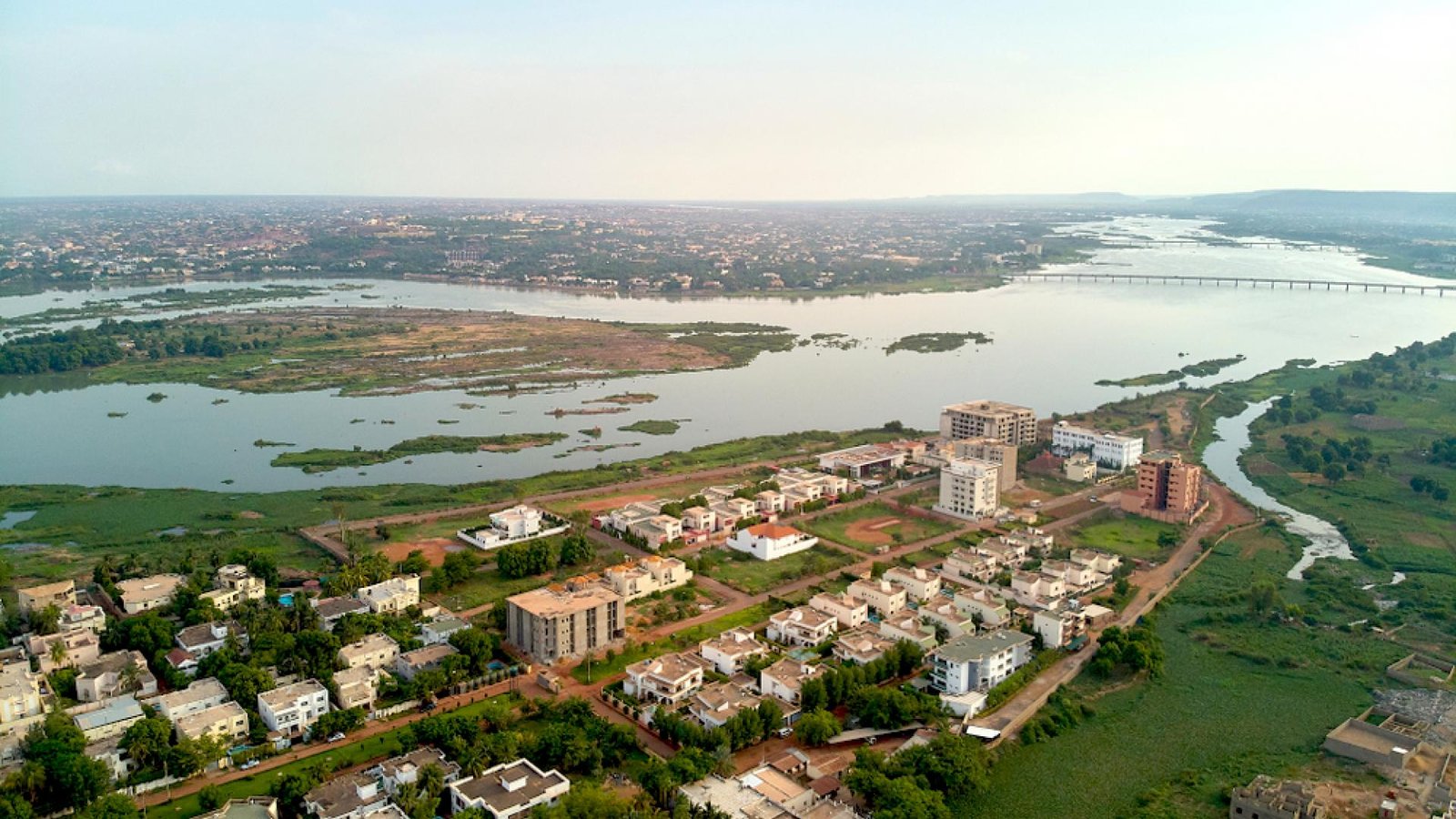
Niger River is one of Africa’s most important rivers and the lifeblood of Mali. Stretching more than 4,000 kilometers across West Africa, the river passes through some of Mali’s most historic cities, including Bamako, Mopti, Djenné, Gao, and Timbuktu. For centuries, the Niger River has supported agriculture, fishing, transportation, trade, and the growth of powerful African empires.
Its fertile floodplains sustain millions of people while creating diverse ecosystems filled with birds, fish, and wildlife. Traditional wooden boats known as pirogues still navigate the river, transporting people and goods between riverside communities.
Visitors can enjoy scenic cruises, birdwatching, riverside markets, fishing villages, and spectacular sunsets while experiencing one of Africa’s greatest natural landmarks.
History
The Niger River has played a central role in the history of West Africa for thousands of years. Ancient kingdoms such as the Mali Empire and Songhai Empire depended on the river for trade, agriculture, and communication. Merchants transported gold, salt, ivory, textiles, and other valuable goods along the river, helping cities like Timbuktu and Gao become internationally famous trading centers.
Today, the Niger River continues to support local communities and remains one of Mali’s most valuable natural resources.
Best Time to Visit
The best time to visit the Niger River is from November to February, when cooler temperatures and pleasant weather provide excellent conditions for boat trips, photography, sightseeing, and exploring nearby villages.
9. La Dune Rose Travel Guide: Explore Mali’s Stunning Pink Sand Dunes

Meta Description
Discover La Dune Rose in Mali, a breathtaking desert destination famous for its pink-colored sand dunes, spectacular sunsets, peaceful Sahara landscapes, and unforgettable outdoor adventures.
Introduction
La Dune Rose is one of Mali’s most beautiful natural attractions, offering visitors the opportunity to experience the peaceful beauty of the Sahara Desert. The site is named after its distinctive pink-colored sand dunes, which appear especially vibrant during sunrise and sunset when the changing light transforms the landscape into shades of pink, orange, and gold.
Unlike busy tourist destinations, La Dune Rose provides a quiet and relaxing environment where visitors can enjoy panoramic desert views, photography, camel rides, and breathtaking sunsets. The surrounding landscape features rolling dunes, scattered desert vegetation, and wide-open skies that create an unforgettable atmosphere.
Whether you are a nature enthusiast, adventure traveler, or photographer, La Dune Rose offers one of the most scenic desert experiences in Mali.
History
For centuries, the desert surrounding La Dune Rose has been part of the ancient caravan routes that connected West Africa with North Africa. Camel caravans transporting gold, salt, textiles, and spices crossed these landscapes while stopping at nearby settlements and oases.
Although La Dune Rose is primarily known for its natural beauty rather than historical monuments, it remains an important symbol of Mali’s Saharan environment and continues to attract visitors seeking authentic desert experiences.
Today, the area is appreciated for its geological beauty, peaceful atmosphere, and spectacular sunsets, making it one of the country’s hidden natural treasures.
Best Time to Visit
The best time to visit La Dune Rose is between November and February, when cooler temperatures make walking on the dunes, enjoying camel rides, and watching the sunset much more comfortable. Early morning and late afternoon provide the best lighting for photography.
10. Gao Travel Guide: Explore the Historic Capital of the Songhai Empire

Meta Description
Explore Gao, one of Mali’s oldest cities and the historic capital of the Songhai Empire. Discover ancient monuments, rich cultural heritage, the Niger River, and fascinating history in this legendary West African destination.
Introduction
Gao is one of the oldest and most historically significant cities in West Africa. Located on the banks of the Niger River in eastern Mali, Gao served as the capital of the powerful Songhai Empire, one of the greatest African empires between the 15th and 16th centuries. Today, the city remains an important cultural, commercial, and historical center that preserves centuries of African heritage.
Visitors to Gao can explore impressive historical monuments, lively local markets, traditional neighborhoods, and beautiful riverside scenery. The city’s rich history, combined with its unique blend of Songhai, Tuareg, Fulani, and Arab cultures, makes it one of Mali’s most fascinating destinations.
Whether you are interested in ancient civilizations, architecture, or cultural exploration, Gao offers an unforgettable journey into the history of one of Africa’s greatest empires.
History
Gao’s history dates back more than one thousand years. By the 9th century, it had become an important trading center along the trans-Saharan trade routes. Merchants exchanged gold, salt, ivory, textiles, and other valuable goods, helping Gao grow into one of the wealthiest cities in West Africa.
During the 15th century, Gao became the capital of the Songhai Empire under rulers such as Askia Mohammad I. Under his leadership, the empire expanded significantly, and Gao became a center of trade, education, and Islamic scholarship.
One of the city’s most famous landmarks is the Tomb of Askia, a UNESCO World Heritage Site built in 1495. This remarkable mud-brick monument remains a powerful symbol of the Songhai Empire and one of the finest examples of Sudano-Sahelian architecture.
Today, Gao continues to preserve its rich cultural traditions while serving as an important gateway to eastern Mali and the Sahara Desert.
Best Time to Visit
The ideal time to visit Gao is from November to February, when temperatures are cooler and more suitable for exploring historical sites, visiting the Niger River, and enjoying outdoor activities. The dry season also provides excellent conditions for photography and cultural tours.
11. Askia Tomb Travel Guide: Discover the Historic Symbol of the Songhai Empire

Meta Description
Discover the Tomb of Askia in Gao, Mali, a UNESCO World Heritage Site and one of West Africa’s most iconic historical monuments. Learn about its history, architecture, and the best time to visit.
Introduction
Tomb of Askia is one of Mali’s most important historical landmarks and a lasting symbol of the powerful Songhai Empire. Built in 1495 by Emperor Askia Mohammad I after returning from his pilgrimage to Mecca, the tomb has remained an important religious and cultural site for more than five centuries.
Constructed using traditional mud-brick architecture, the monument stands approximately 17 meters tall and is surrounded by a mosque and cemetery. Its impressive design reflects the distinctive Sudano-Sahelian architectural style that has become famous throughout West Africa. Today, the Tomb of Askia is recognized as a UNESCO World Heritage Site and attracts historians, architects, and travelers from around the world.
History
The Tomb of Askia was commissioned shortly after Askia Mohammad I became ruler of the Songhai Empire. During his reign, Gao became one of Africa’s greatest centers of trade, education, and Islamic scholarship. The monument served not only as the emperor’s burial place but also as a symbol of political strength and religious devotion.
Over the centuries, the tomb has undergone restoration while preserving its traditional earthen construction methods, making it one of the finest surviving monuments from the Songhai Empire.
Best Time to Visit
The ideal time to visit is November to February, when the weather is cooler and perfect for exploring Gao and its historic monuments.
12. Siby Travel Guide: Discover the Natural Beauty and Legends of Southern Mali

Meta Description
Explore Siby, Mali, famous for its stunning rock formations, Manding history, hiking trails, and breathtaking natural landscapes near Bamako.
Introduction
Siby is a beautiful destination located about 50 kilometers southwest of Bamako. Surrounded by dramatic sandstone cliffs, forests, and scenic hills, Siby is one of Mali’s most popular destinations for hiking, nature lovers, and cultural tourism.
The town is deeply connected to the legends of the ancient Mali Empire and the heroic stories of Sundiata Keita. Visitors come to admire spectacular landscapes, explore traditional Manding villages, and experience the peaceful atmosphere of southern Mali.
History
Siby has an important place in Manding history and is closely associated with the founding legends of the Mali Empire. According to local tradition, the area served as a refuge for Sundiata Keita during his struggle to unite the Manding kingdoms.
Over the centuries, Siby has preserved its cultural traditions while becoming one of the country’s most popular eco-tourism destinations thanks to its unique rock formations and beautiful countryside.
Best Time to Visit
The best time to visit Siby is between November and February, when cool temperatures make hiking and sightseeing much more enjoyable.
13. Kamablon Sacred Hut Travel Guide: Discover the Spiritual Heart of the Mali Empire

Meta Description
Visit the Kamablon Sacred Hut in Kangaba, Mali, one of the country’s most sacred historical landmarks and an important symbol of the Mali Empire’s cultural heritage.
Introduction
Kamablon Sacred Hut is one of the most sacred cultural landmarks in Mali and an enduring symbol of the ancient Mali Empire. Located in the historic town of Kangaba, the Kamablon has served for centuries as a gathering place for traditional leaders, elders, and griots who preserve the oral history of the Manding people.
Built using traditional mud-brick construction techniques, the Kamablon is periodically rebuilt according to ancient customs, demonstrating the community’s commitment to preserving its heritage. It remains an important destination for visitors interested in African history, traditional governance, and cultural ceremonies.
History
According to Manding tradition, the Kamablon has existed since the 13th century during the reign of Sundiata Keita. It became the meeting place where important decisions affecting the empire were discussed and where griots preserved the history of the Manding people through oral storytelling.
Today, the Kamablon continues to symbolize unity, leadership, and the remarkable legacy of one of Africa’s greatest civilizations.
Best Time to Visit
The ideal time to visit is November to February, when pleasant weather allows visitors to comfortably explore Kangaba and its surrounding historical sites.
14. Boucle du Baoulé National Park Travel Guide: Explore Mali’s Largest Wildlife Sanctuary

Meta Description
Discover Boucle du Baoulé National Park in Mali, a protected wildlife reserve featuring savanna landscapes, diverse wildlife, ancient archaeological sites, and unforgettable nature experiences.
Introduction
Boucle du Baoulé National Park is one of Mali’s largest protected natural areas and an important destination for wildlife enthusiasts and nature lovers. Covering thousands of square kilometers across western Mali, the park features vast savannas, forests, rivers, and rocky hills that support a rich variety of wildlife.
Visitors can enjoy birdwatching, scenic drives, photography, and opportunities to observe native animals in their natural habitats. The park also contains prehistoric rock art and archaeological sites, making it significant for both natural and cultural heritage.
History
Established in 1982, Boucle du Baoulé National Park was created to protect Mali’s wildlife and ecosystems. Archaeological discoveries within the park indicate that humans inhabited this region thousands of years ago, leaving behind rock engravings and ancient settlements.
Today, conservation efforts continue to protect its biodiversity while promoting sustainable tourism.
Best Time to Visit
The best time to visit is November to February, when temperatures are cooler and wildlife is easier to observe.
15. Hombori Mountains Travel Guide: Mali’s Most Spectacular Mountain Landscape

Meta Description
Explore the Hombori Mountains in Mali, known for dramatic rock formations, hiking opportunities, traditional villages, and breathtaking desert scenery.
Introduction
Hombori Mountains are among Mali’s most spectacular natural attractions. Rising dramatically from the surrounding plains, these ancient sandstone peaks create one of the country’s most impressive landscapes. The mountains attract hikers, photographers, and adventure travelers seeking breathtaking scenery and unique geological formations.
Traditional villages surrounding the mountains preserve local customs and offer visitors an authentic cultural experience.
History
The Hombori Mountains have stood for millions of years and have long served as natural shelters for local communities. Archaeological evidence suggests that people have lived in the area since prehistoric times. Today, the mountains remain an important cultural and natural landmark in Mali.
Best Time to Visit
Visit between November and February for pleasant hiking conditions and clear panoramic views.
16. Sélingué Lake Travel Guide: Relax at Mali’s Beautiful Freshwater Paradise

Meta Description
Discover Sélingué Lake in Mali, a scenic freshwater destination offering boating, fishing, birdwatching, beautiful sunsets, and peaceful lakeside landscapes.
Introduction
Sélingué Lake is one of Mali’s most picturesque freshwater destinations. Formed by the construction of the Sélingué Dam on the Sankarani River, the lake has become a popular destination for relaxation, fishing, boating, and nature tourism.
Its calm waters, green surroundings, and abundant birdlife make it an ideal escape from busy city life. Visitors can enjoy boat rides, lakeside picnics, photography, and spectacular sunsets reflected across the water.
History
Sélingué Lake was created following the construction of the Sélingué Dam during the late 20th century to support hydroelectric power generation and irrigation. Over time, the reservoir developed into an important ecological area supporting local fisheries, wildlife, and tourism.
Today, it plays a vital role in both Mali’s economy and recreation.
Best Time to Visit
The ideal time to visit Sélingué Lake is November to February, when the weather is cooler and perfect for outdoor activities.
17. Farako Waterfalls Travel Guide: Discover Mali’s Hidden Natural Wonder

Meta Description
Discover Farako Waterfalls in Mali, a beautiful natural attraction surrounded by lush forests, scenic landscapes, and peaceful walking trails. Learn about its history and the best time to visit.
Introduction
Farako Waterfalls is one of Mali’s hidden natural treasures, offering visitors a peaceful escape into lush greenery and refreshing waterfalls. Located in southern Mali, the waterfalls are surrounded by forests, rocky cliffs, and beautiful natural scenery that provide a relaxing environment for nature lovers and photographers.
The flowing water, fresh air, and tranquil atmosphere make Farako Waterfalls an ideal destination for hiking, picnics, birdwatching, and outdoor adventures. During the rainy season, the waterfalls become even more spectacular as the increased water flow creates a breathtaking natural display.
History
Farako Waterfalls have long been appreciated by nearby communities for their natural beauty and importance as a freshwater source. Over the years, the site has become increasingly popular with local visitors seeking recreation and relaxation while remaining one of Mali’s lesser-known eco-tourism destinations.
Best Time to Visit
The best time to visit Farako Waterfalls is from July to November, when the waterfalls are at their fullest after the rainy season. For comfortable weather and sightseeing, November to February is also an excellent period.
18. Kéniéba Travel Guide: Discover Mali’s Historic Gold Mining Region

Meta Description
Explore Kéniéba in western Mali, a historic gold mining region known for its scenic landscapes, cultural heritage, and traditional villages.
Introduction
Kéniéba is a historic town in western Mali, close to the border with Senegal. Famous for its rich gold deposits, Kéniéba has played an important role in Mali’s mining industry for centuries. Beyond its mineral wealth, the town is surrounded by rolling hills, rivers, forests, and traditional villages that offer visitors an authentic experience of rural Mali.
Travelers visiting Kéniéba can enjoy beautiful landscapes, learn about traditional and modern gold mining, and discover the rich cultural traditions of the local communities.
History
Gold has been mined around Kéniéba since the days of the ancient Ghana and Mali Empires. The region became internationally known because of its valuable mineral resources, attracting traders and later modern mining companies. Today, mining remains one of the area’s most important economic activities while preserving its historical significance.
Best Time to Visit
The ideal time to visit Kéniéba is between November and February, when temperatures are cooler and more comfortable for sightseeing and exploring the surrounding countryside.
19. Mopti Port Travel Guide: Experience the Gateway to the Niger River

Meta Description
Visit Mopti Port in Mali, a vibrant riverside destination where the Niger and Bani Rivers meet. Discover traditional boats, colorful markets, and the rich river culture of West Africa.
Introduction
Mopti Port is one of Mali’s busiest river ports and an important transportation hub connecting communities along the Niger and Bani Rivers. Often called the “Venice of Mali,” Mopti is famous for its bustling harbor filled with traditional wooden boats, colorful markets, and vibrant river life.
Visitors can watch fishermen unload their daily catch, observe merchants trading goods, enjoy scenic boat rides, and experience the lively atmosphere that has defined Mopti for centuries.
History
For generations, Mopti Port has served as one of Mali’s principal commercial centers. The port became especially important during the colonial era, facilitating trade and transportation throughout the Niger River basin. Today, it continues to support fishing, agriculture, and regional commerce while attracting tourists interested in Mali’s river culture.
Best Time to Visit
The best time to visit Mopti Port is from November to February, when pleasant weather makes boat trips and sightseeing enjoyable.
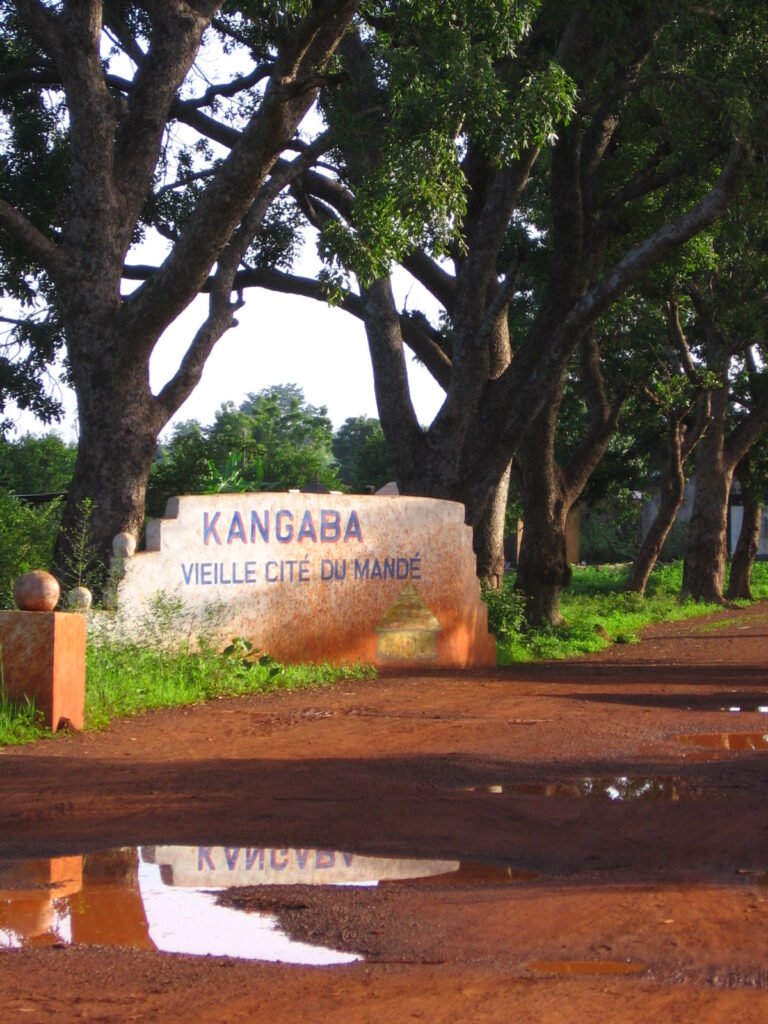
20. Kangaba Travel Guide: Explore the Birthplace of the Mali Empire

Meta Description
Discover Kangaba, one of Mali’s most historic towns and the birthplace of the Mali Empire. Explore ancient traditions, cultural landmarks, and the legendary heritage of Sundiata Keita.
Introduction
Kangaba is one of Mali’s most historically important towns, located in the Koulikoro Region near the Niger River. Widely regarded as the birthplace of the Mali Empire, Kangaba is closely associated with the legendary Emperor Sundiata Keita. The town is renowned for its sacred cultural sites, traditional Mandinka heritage, and rich historical significance.
Visitors can explore ancient landmarks, experience traditional ceremonies, visit artisan communities, and learn about the origins of one of Africa’s greatest empires.
History
Kangaba became an important political and cultural center during the 13th century under the rule of Sundiata Keita. The town served as a gathering place for Mandinka leaders and remains home to the sacred Kamablon Sacred Hut, where important cultural ceremonies continue to take place. Oral traditions preserved by griots have helped maintain Kangaba’s remarkable history for centuries.
Best Time to Visit
The ideal time to visit Kangaba is November to February, when cooler temperatures provide comfortable conditions for exploring historical sites and surrounding villages.
Related artical : Best place to isit in Banamba