
Now Reading: Best place to visit in Kangaba
-
01
Best place to visit in Kangaba
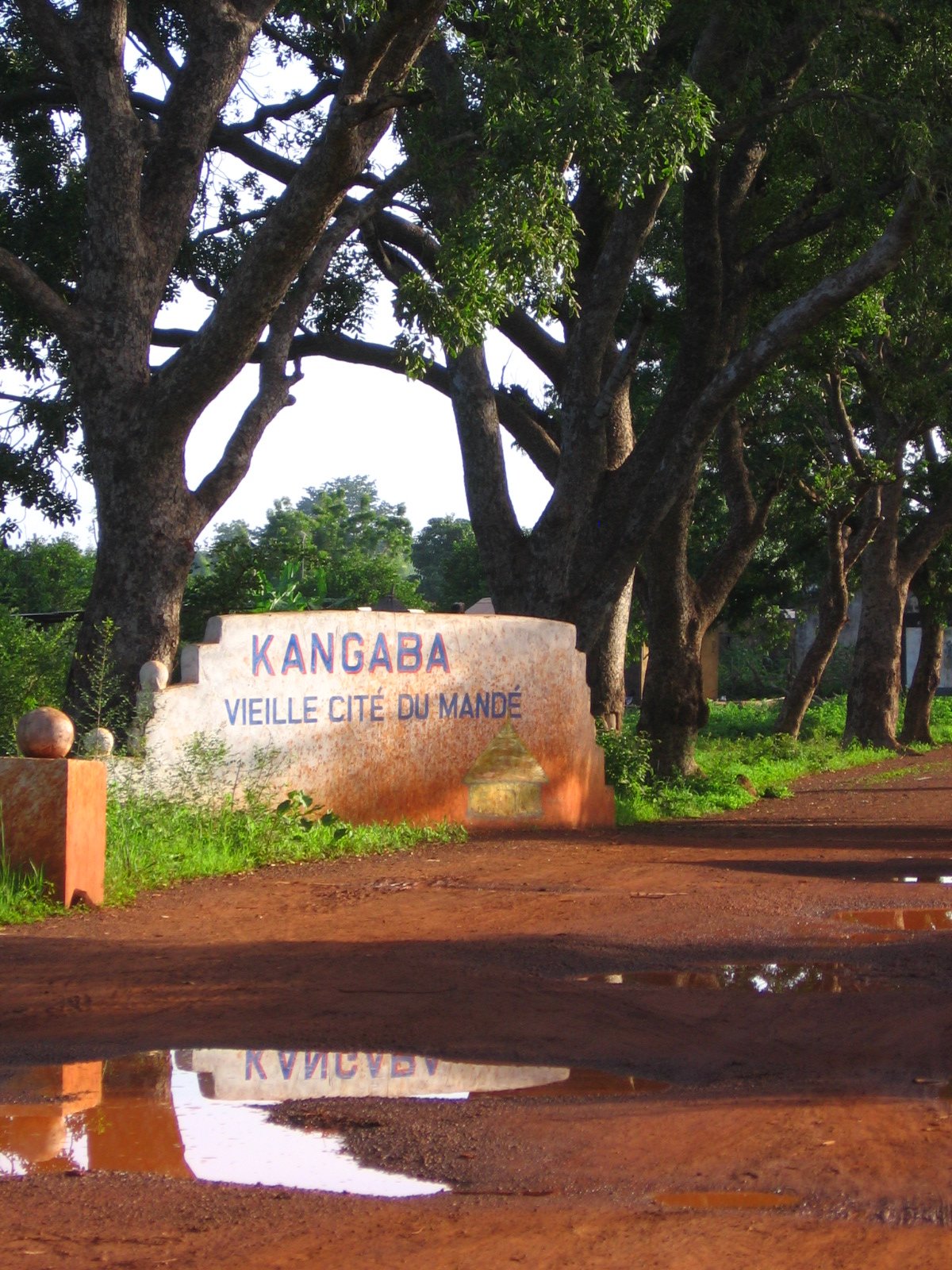
Best place to visit in Kangaba
Kangaba is one of Mali’s most historically significant towns, located in the Koulikoro Region on the banks of the Niger River near the border with Guinea. Widely regarded as one of the birthplaces of the legendary Mali Empire, Kangaba is deeply connected to the history of the great Emperor Sundiata Keita. Surrounded by forests, rivers, fertile farmland, and traditional Mandinka villages, the town is renowned for its ancient cultural heritage, sacred sites, and historical landmarks. Visitors can explore the origins of one of Africa’s greatest empires while experiencing authentic Mandinka traditions and beautiful natural landscapes.
Below are the top tourist attractions to visit in Kangaba.
1. Kamablon Sacred Hut

The Kamablon Sacred Hut is the most famous landmark in Kangaba and one of the most important cultural monuments in Mali. According to Mandinka tradition, this sacred structure has served for centuries as the gathering place of elders and traditional leaders connected to the legacy of the Mali Empire. The hut is reconstructed periodically using traditional building techniques and plays a central role during important cultural ceremonies.
Visitors can admire its traditional architecture while learning about the history of the Mandinka people and the oral traditions preserved by local griots. The Kamablon remains a powerful symbol of unity, heritage, and the origins of one of Africa’s greatest civilizations.
Discover the Birthplace of the Mali Empire
Visitors can explore one of Mali’s most sacred historical sites while learning about the traditions that have been preserved for generations.
2. Niger River Waterfront

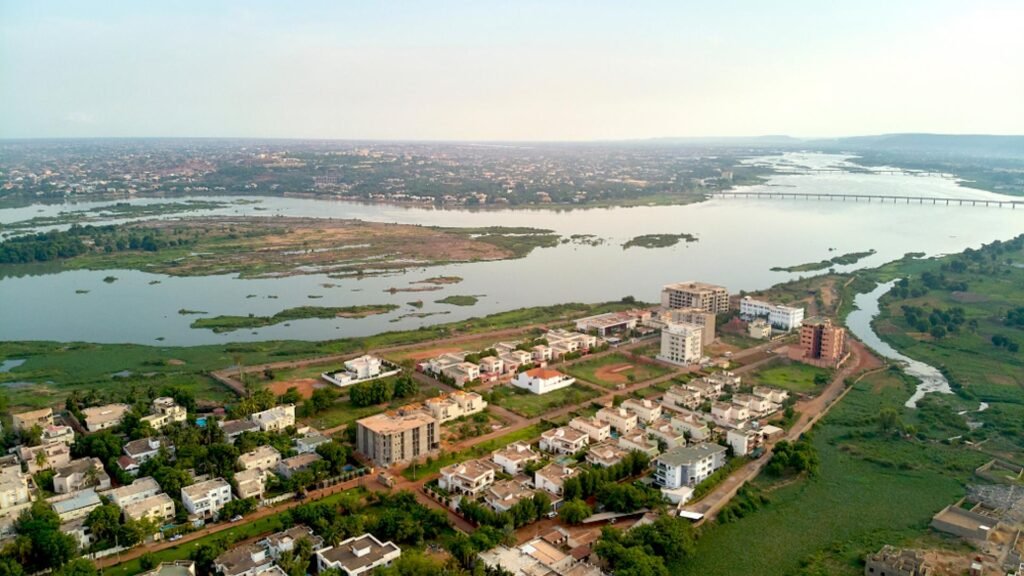
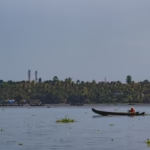
The Niger River flows through Kangaba and has shaped the town’s history for centuries. The peaceful waterfront offers beautiful scenery where traditional fishing boats, wooden canoes, and local communities continue to rely on the river for transportation, fishing, and agriculture.
Visitors can enjoy relaxing walks along the riverbank, photograph spectacular sunsets, observe fishermen at work, and experience the tranquil atmosphere that characterizes this historic riverside town.
Experience Authentic River Life
The waterfront provides visitors with an opportunity to witness traditional river culture while enjoying some of the most scenic views in southern Mali.
3. Traditional Mandinka Villages

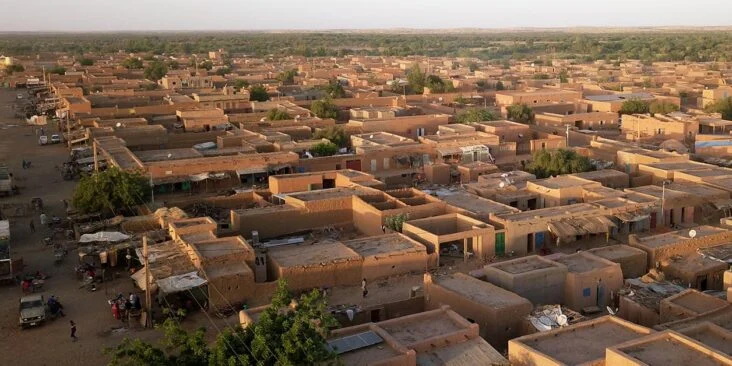
The villages surrounding Kangaba preserve the customs, architecture, music, and traditions of the Mandinka people, whose history is closely linked to the rise of the Mali Empire. Traditional mud-brick homes, farming communities, and cultural ceremonies continue to reflect centuries-old ways of life.
Visitors can meet local families, experience genuine hospitality, and gain a deeper understanding of Mandinka heritage.
Discover Traditional Village Life
Visitors can learn about local customs, farming traditions, storytelling, and the cultural values that continue to define the region.
4. Kangaba Central Market
The Kangaba Central Market is the commercial heart of the town, where local traders sell fresh produce, grains, spices, handmade textiles, pottery, leather goods, jewelry, woven baskets, and traditional handicrafts. The lively market reflects the agricultural richness and cultural diversity of the region.
Experience Authentic Market Culture
Visitors can browse colorful stalls, purchase handmade souvenirs, sample regional foods, and interact with friendly local vendors.
5. Sundiata Keita Heritage Sites

Kangaba is closely associated with the legendary Emperor Sundiata Keita, who founded the Mali Empire in the 13th century. Several cultural sites and local traditions commemorate his life and achievements, making the region one of Mali’s most historically important destinations.
Follow the Legacy of an African Emperor
Visitors can learn about the fascinating history of the Mali Empire while exploring the cultural traditions connected to one of Africa’s greatest historical figures.
6. Traditional Artisan Village

Kangaba is home to skilled artisans producing beautifully handcrafted wood carvings, pottery, leather goods, woven baskets, jewelry, and colorful textiles using techniques passed down through generations.
Support Local Craftsmanship
Visitors can watch craftsmen at work and purchase authentic handmade products that reflect the artistic heritage of the Mandinka people.
7. Sacred Forests of Kangaba
The forests surrounding Kangaba hold cultural and spiritual significance within Mandinka traditions. These peaceful woodlands have long been associated with ceremonies, folklore, and local beliefs while also supporting diverse plant and animal life.
Explore Sacred Natural Landscapes
Visitors can appreciate the natural beauty of the forests while learning about their cultural importance to local communities.
8. Traditional Music and Griot Performances

Kangaba is renowned for preserving the tradition of the griots—oral historians and musicians who recount the history of the Mali Empire through storytelling, songs, and performances accompanied by instruments such as the kora and balafon.
Experience Living History
Visitors can enjoy traditional music performances while discovering the rich oral traditions that have preserved West African history for centuries.
9. Agricultural Countryside

The fertile countryside surrounding Kangaba features rice fields, millet farms, mango orchards, and traditional farming villages. These landscapes provide beautiful scenery and offer visitors an authentic glimpse into rural life in southern Mali.
Discover Rural Mali
Visitors can enjoy scenic drives, interact with farming communities, and learn about agricultural traditions that have sustained the region for generations.
10. Kangaba Countryside

The countryside surrounding Kangaba combines lush forests, fertile farmland, rocky hills, and picturesque villages into one of southern Mali’s most attractive landscapes. The peaceful environment is ideal for photography, nature walks, birdwatching, and cultural exploration.
Explore the Historic Heartland of Mali
Visitors can admire breathtaking landscapes, discover traditional communities, and experience the remarkable combination of history, culture, and natural beauty that makes Kangaba one of Mali’s most significant destinations.
Related artical : Best place to visit in Ménaka