Now Reading: Best place to visit in Jordan
-
01
Best place to visit in Jordan
Best place to visit in Jordan
1. Petra – Jordan’s Rose-Red Wonder of the Ancient World

Petra is Jordan’s most famous attraction and one of the world’s greatest archaeological treasures. Carved into rose-colored sandstone cliffs over 2,000 years ago by the Nabataeans, Petra served as the capital of a prosperous trading kingdom that connected Arabia, Egypt, and the Mediterranean. The city’s wealth came from controlling trade routes that carried spices, incense, silk, and precious goods across the ancient world.
Visitors enter Petra through the dramatic Siq, a narrow canyon flanked by towering rock walls that eventually reveals the magnificent Treasury, one of the most photographed monuments in the world. Beyond the Treasury lies an enormous archaeological city featuring royal tombs, temples, theaters, colonnaded streets, and the spectacular Monastery. Petra demonstrates extraordinary engineering skills, particularly its advanced water management systems that allowed a thriving city to exist in a desert environment.
Recognized as a UNESCO World Heritage Site and one of the New Seven Wonders of the World, Petra attracts millions of visitors annually. The city remains a symbol of Jordan’s cultural heritage and a testament to the creativity and ingenuity of the Nabataean civilization.
2. Wadi Rum – The Valley of the Moon

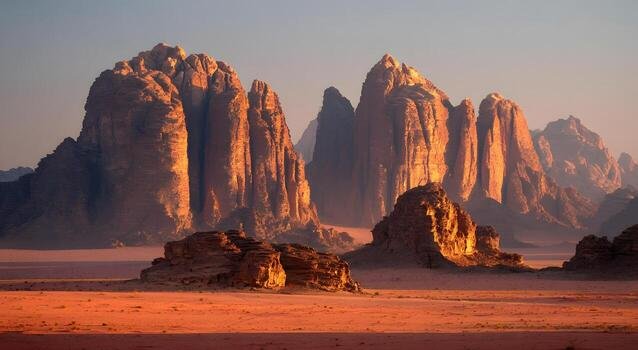
Wadi Rum is one of the most breathtaking desert landscapes on Earth. Known as the Valley of the Moon, Wadi Rum features towering sandstone mountains, vast red sand dunes, narrow canyons, ancient inscriptions, and endless desert horizons that create a scene unlike anywhere else in the world.
For thousands of years, nomadic Bedouin tribes have called this region home, developing traditions and lifestyles perfectly adapted to the harsh desert environment. The area’s natural beauty has attracted explorers, filmmakers, and adventurers from around the globe. Numerous international films, including science fiction and historical epics, have used Wadi Rum as a filming location due to its otherworldly appearance.
Visitors can experience jeep safaris, camel rides, desert camping, hiking, rock climbing, and stargazing beneath some of the clearest skies in the Middle East. At night, the desert transforms into a peaceful wilderness where countless stars illuminate the landscape.
Today, Wadi Rum is a UNESCO World Heritage Site and one of Jordan’s premier tourism destinations, offering unforgettable experiences that combine natural beauty, cultural heritage, and adventure.
3. Dead Sea – The Lowest Point on Earth

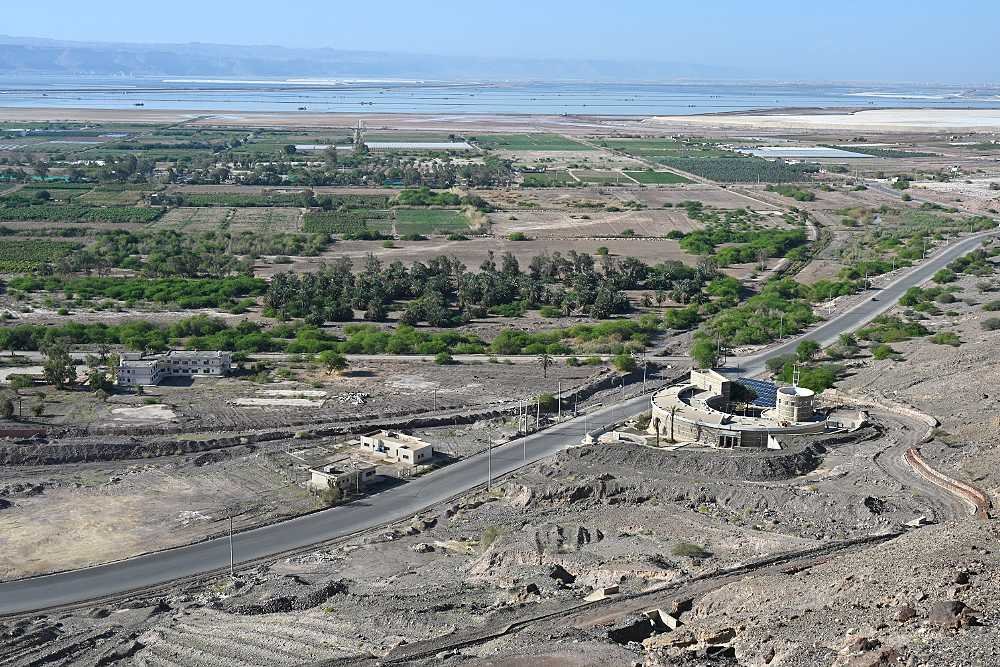
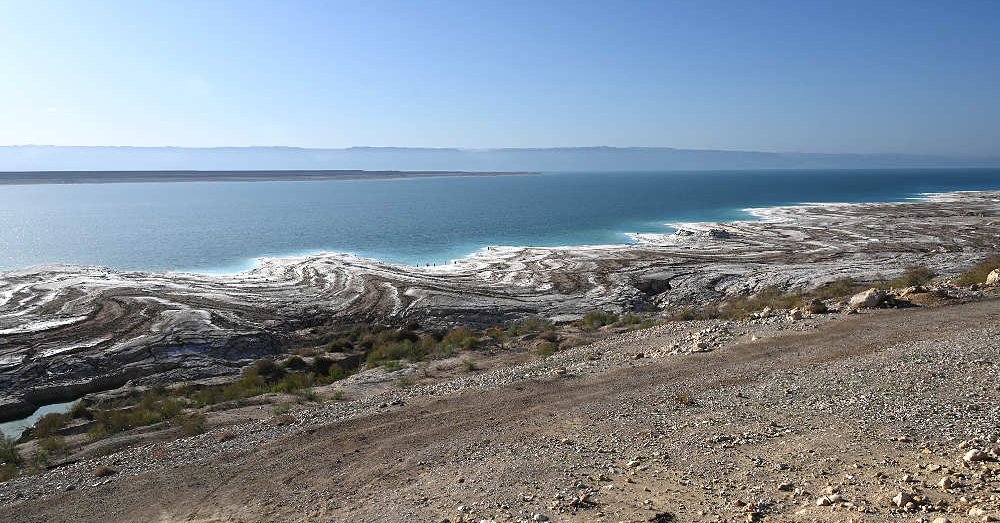
Dead Sea is one of the world’s most extraordinary natural wonders and the lowest exposed point on Earth’s surface. Located more than 430 meters below sea level, the Dead Sea is famous for its exceptionally high salt concentration, allowing visitors to float effortlessly on its surface.
For centuries, the Dead Sea has been valued for its mineral-rich waters and therapeutic mud, which are believed to offer various health and skincare benefits. Ancient civilizations, including the Egyptians, Romans, and Nabataeans, recognized the area’s unique properties and utilized its natural resources.
The surrounding landscape is equally impressive, featuring dramatic desert mountains, salt formations, and breathtaking sunsets. Luxury resorts along the Jordanian shoreline offer visitors opportunities to relax, experience wellness treatments, and enjoy panoramic views of the sea and surrounding terrain.
The Dead Sea remains one of Jordan’s most visited destinations and continues to attract travelers seeking relaxation, wellness, and one of the world’s most unique natural experiences.
4. Jerash – The Pompeii of the East

Jerash is one of the best-preserved Roman cities in the world and is often called the “Pompeii of the East.” Once known as Gerasa, Jerash flourished as a major city of the Decapolis and became a center of commerce, culture, and administration during the Roman Empire.
Visitors can explore remarkable structures including Hadrian’s Arch, the Oval Plaza, the Temple of Artemis, the South Theater, and the impressive Cardo Maximus lined with towering columns. Walking through Jerash offers an immersive journey into ancient Roman urban life.
The city’s exceptional preservation allows visitors to appreciate the scale and sophistication of Roman engineering and architecture. Jerash remains one of Jordan’s most important archaeological sites and a highlight of any visit to the country.
5. Amman Citadel – The Historic Heart of Jordan’s Capital

Amman Citadel sits atop one of Amman’s seven hills and represents thousands of years of continuous human settlement. This remarkable archaeological site contains remains from Roman, Byzantine, and Islamic civilizations, reflecting the city’s long and complex history.
The Citadel’s most famous landmarks include the Temple of Hercules, the Umayyad Palace, and the Byzantine Church. Visitors enjoy stunning panoramic views of modern Amman while exploring ancient ruins that tell the story of Jordan’s capital through the ages.
As one of the oldest continuously inhabited locations in the world, the Citadel remains a symbol of Amman’s rich historical legacy and cultural importance.
6. Roman Theatre – Amman’s Architectural Masterpiece

Roman Theatre is one of Jordan’s most impressive Roman monuments. Built during the second century CE, the theater could accommodate approximately 6,000 spectators and served as a major venue for performances, ceremonies, and public events.
Carved into a hillside in downtown Amman, the theater remains remarkably well preserved and continues to host cultural events and performances today. Visitors can climb the seating tiers and enjoy panoramic views of the surrounding city.
The Roman Theatre stands as a powerful reminder of Amman’s role as an important city within the Roman Empire and remains one of the capital’s most visited landmarks.
7. Aqaba – Jordan’s Gateway to the Red Sea

Aqaba is Jordan’s only coastal city and serves as the country’s gateway to the Red Sea. Known for its crystal-clear waters, colorful coral reefs, luxury resorts, and year-round sunshine, Aqaba is a paradise for beach lovers and diving enthusiasts.
The city’s strategic location has made it an important trading port for centuries. Today, visitors enjoy snorkeling, scuba diving, sailing, fishing, and exploring marine ecosystems that rank among the most beautiful in the world.
Beyond its beaches, Aqaba offers historical attractions, bustling markets, and vibrant waterfront districts that combine modern tourism with traditional Jordanian culture.
8. Mount Nebo – The Promised Land Viewpoint

Mount Nebo is one of Jordan’s most important religious and historical landmarks. According to biblical tradition, this is the mountain where Moses viewed the Promised Land before his death.
The site offers spectacular panoramic views of the Jordan Valley, the Dead Sea, Jerusalem, and surrounding regions. Visitors can explore the memorial church, which contains beautifully preserved Byzantine mosaics depicting animals, hunting scenes, and daily life.
Mount Nebo attracts pilgrims, historians, and travelers from around the world who come to experience its spiritual significance and breathtaking scenery.
9. Madaba Mosaic Map – The World’s Oldest Holy Land Map

Madaba Mosaic Map is one of the most important archaeological treasures in the Middle East. Located within the historic Saint George’s Church, the sixth-century mosaic depicts the Holy Land and surrounding regions with remarkable detail
Composed of hundreds of thousands of colored stone pieces, the map provides valuable insight into geography, cities, roads, and religious sites during the Byzantine period. Scholars continue to study the mosaic for its historical and cartographic significance.
Madaba itself is known as the “City of Mosaics” and remains one of Jordan’s most important cultural and religious destinations.
10. Dana Biosphere Reserve – Jordan’s Greatest Natural Sanctuary

Dana Biosphere Reserve is Jordan’s largest and most diverse protected natural area. Covering hundreds of square kilometers, the reserve contains a stunning variety of ecosystems ranging from forested mountains and rocky canyons to desert landscapes and fertile valleys.
Dana is home to hundreds of plant species and numerous rare animals, including the Nubian ibex, Syrian wolf, and various birds of prey. The reserve is internationally recognized for its biodiversity and conservation efforts.
Visitors can enjoy hiking, birdwatching, eco-tourism experiences, and overnight stays in eco-lodges while exploring one of Jordan’s most spectacular natural environments. Dana offers a unique opportunity to experience the country’s extraordinary ecological diversity and remains one of the most rewarding destinations for nature lovers and adventure travelers.
11. Mujib Biosphere Reserve – Jordan’s Grand Canyon of Adventure and Nature

Mujib Biosphere Reserve is one of Jordan’s most spectacular natural attractions and the lowest nature reserve in the world. Located near the eastern shores of the Dead Sea, the reserve stretches from the rugged mountains of central Jordan down to more than 400 meters below sea level.
Known for its dramatic canyons, waterfalls, rivers, and breathtaking landscapes, Mujib offers visitors an unforgettable adventure experience. The reserve is home to diverse wildlife, including the Nubian ibex, foxes, hyenas, and numerous bird species.
One of the most popular activities is canyon hiking through flowing water, where visitors climb waterfalls, navigate narrow gorges, and explore hidden natural pools. These adventures provide a unique opportunity to experience Jordan’s wilderness firsthand.
Beyond its recreational value, Mujib plays an important role in biodiversity conservation and environmental education. The reserve protects unique ecosystems that support hundreds of plant and animal species adapted to the region’s challenging conditions.
Today, Mujib Biosphere Reserve stands as one of Jordan’s premier eco-tourism destinations, attracting nature lovers and adventure seekers from around the world.
12. Ajloun Castle – The Fortress of Saladin’s Legacy

Ajloun Castle is one of Jordan’s most impressive Islamic fortresses and a symbol of medieval military architecture. Built in 1184 by a commander serving under Saladin, the castle was designed to defend the region against Crusader expansion and protect important trade routes.
Perched atop a hill surrounded by forests and valleys, the fortress offers panoramic views across northern Jordan. Massive walls, towers, secret passages, and defensive structures demonstrate the engineering expertise of the Ayyubid period.
Throughout its history, Ajloun Castle served as a military stronghold, administrative center, and symbol of resistance during the Crusader era. Visitors today can explore its halls, chambers, stairways, and observation points while learning about one of the most important periods in Middle Eastern history.
The castle remains one of Jordan’s most visited historical landmarks and an enduring symbol of national heritage.
13. Umm Qais – Ancient Gadara and the City of Philosophers

Umm Qais, known in ancient times as Gadara, was one of the most important cities of the Decapolis and a major center of culture, philosophy, and commerce during the Roman period.
The city is famous for its black basalt ruins, Roman theater, colonnaded streets, ancient churches, and magnificent views overlooking the Sea of Galilee, the Jordan Valley, and the Golan Heights.
Historically, Gadara produced notable philosophers, poets, and intellectuals who contributed to the cultural life of the Greco-Roman world. The city’s prosperity was fueled by trade, agriculture, and its strategic location along regional routes.
Today, visitors explore its archaeological treasures while enjoying some of the most breathtaking vistas in Jordan. Umm Qais combines history, culture, nature, and spirituality into one remarkable destination.
14. Shobak Castle – The Crusader Stronghold of Southern Jordan

Shobak Castle is one of Jordan’s most important medieval fortresses and one of the earliest Crusader castles built east of the Jordan River.
Constructed in 1115 by Baldwin I of Jerusalem, the fortress controlled important caravan routes connecting Arabia with the Mediterranean. Its strategic location allowed Crusader forces to monitor trade and military movements throughout southern Jordan.
Visitors can explore ancient tunnels, defensive walls, watchtowers, chapels, and underground chambers. The castle’s dramatic hilltop setting provides stunning views of surrounding mountains and valleys.
Today, Shobak Castle remains one of Jordan’s most fascinating historical sites and offers valuable insights into the era of the Crusades.
15. Al-Maghtas – The Baptism Site of Jesus Christ

Al-Maghtas, also known as Bethany Beyond the Jordan, is one of Christianity’s most sacred pilgrimage destinations.
According to Christian tradition, this is the location where Jesus Christ was baptized by John the Baptist in the Jordan River.
The site contains ancient churches, baptismal pools, monasteries, caves, and archaeological remains dating back to the Byzantine period. Pilgrims from around the world visit Al-Maghtas to experience its spiritual significance and historical importance.
Recognized as a UNESCO World Heritage Site, Al-Maghtas stands as one of the most important religious landmarks in the Middle East.
16. Azraq Wetland Reserve – Jordan’s Desert Oasis Sanctuary

Azraq Wetland Reserve is one of Jordan’s most important ecological treasures. Located within the eastern desert, the reserve protects a rare wetland ecosystem that serves as a critical stopover point for migratory birds traveling between Africa, Europe, and Asia.
The reserve supports diverse wildlife including herons, flamingos, ducks, raptors, amphibians, and various desert species. Elevated boardwalks allow visitors to explore wetlands, observe wildlife, and learn about conservation efforts.
Historically, Azraq’s water sources supported caravans, armies, and settlements crossing the desert. Today, environmental initiatives aim to restore and preserve this unique ecosystem for future generations.
Azraq remains a symbol of life and resilience in one of Jordan’s driest regions.
17. Desert Castles – Jordan’s Architectural Gems of the Desert

The famous Desert Castles of Jordan are among the country’s most fascinating historical attractions. These include sites such as Qasr Amra, Qasr Kharana, and Qasr Al-Azraq.
Constructed primarily during the Umayyad period in the 7th and 8th centuries, these structures served as hunting lodges, administrative centers, caravan stations, and military outposts. Their architecture reflects a blend of Islamic, Byzantine, and Persian influences.
Qasr Amra is particularly famous for its well-preserved frescoes depicting hunting scenes, celestial imagery, and daily life. These artworks provide rare insight into early Islamic art and culture.
Today, Jordan’s Desert Castles attract historians, architects, and travelers interested in exploring the country’s rich Islamic heritage.
18. Little Petra – The Hidden Nabataean Treasure

Little Petra, known locally as Siq al-Barid, is a smaller Nabataean settlement located just north of Petra.
Like its larger counterpart, Little Petra features impressive rock-cut architecture carved directly into sandstone cliffs. Archaeologists believe the site functioned as a trading station and accommodation center for merchants and travelers entering Petra.
The narrow canyon leading into the site creates a dramatic atmosphere, while ancient dining halls, temples, residences, and painted chambers reveal the sophistication of Nabataean culture.
Less crowded than Petra itself, Little Petra offers visitors a more intimate experience of Jordan’s ancient heritage.
19. King’s Highway – Jordan’s Legendary Ancient Route

King’s Highway is one of the oldest continuously used roads in the world. Stretching through Jordan from north to south, this historic route has connected civilizations, traders, pilgrims, and armies for thousands of years.
The highway passes through some of Jordan’s most important destinations, including Madaba, Mount Nebo, Karak, Shobak, and Petra. Along the way, travelers encounter dramatic landscapes, ancient ruins, castles, valleys, and traditional villages.
Historically, the route facilitated commerce between Egypt, Arabia, Syria, and Mesopotamia. Today, it remains one of Jordan’s most scenic drives and offers a unique journey through the country’s history and natural beauty.
The King’s Highway is not simply a road—it is a living corridor of civilization spanning millennia.
20. Wadi Bin Hammad – Jordan’s Hidden Tropical Canyon

Wadi Bin Hammad is one of Jordan’s most beautiful and lesser-known natural attractions. Hidden among the mountains near Karak, this stunning canyon features flowing streams, waterfalls, lush vegetation, colorful rock formations, and a surprisingly tropical atmosphere.
Unlike many desert valleys in Jordan, Wadi Bin Hammad contains year-round water that supports dense plant life and creates a refreshing environment for visitors. Hiking through the canyon involves walking alongside streams, beneath overhanging cliffs, and through narrow passages surrounded by greenery.
The canyon’s unique ecosystem makes it a favorite destination for photographers, hikers, and nature enthusiasts seeking an alternative to Jordan’s more famous attractions.
Today, Wadi Bin Hammad remains one of Jordan’s best-kept natural secrets, offering an unforgettable experience where water, rock, and vegetation combine to create one of the country’s most extraordinary landscapes.
Related artical : Best place to visit in Ghor Al Safi