
Now Reading: Best place to visit in Kirkuk
-
01
Best place to visit in Kirkuk
Best place to visit in Kirkuk
1. Kirkuk Citadel – The Ancient Fortress of Kirkuk

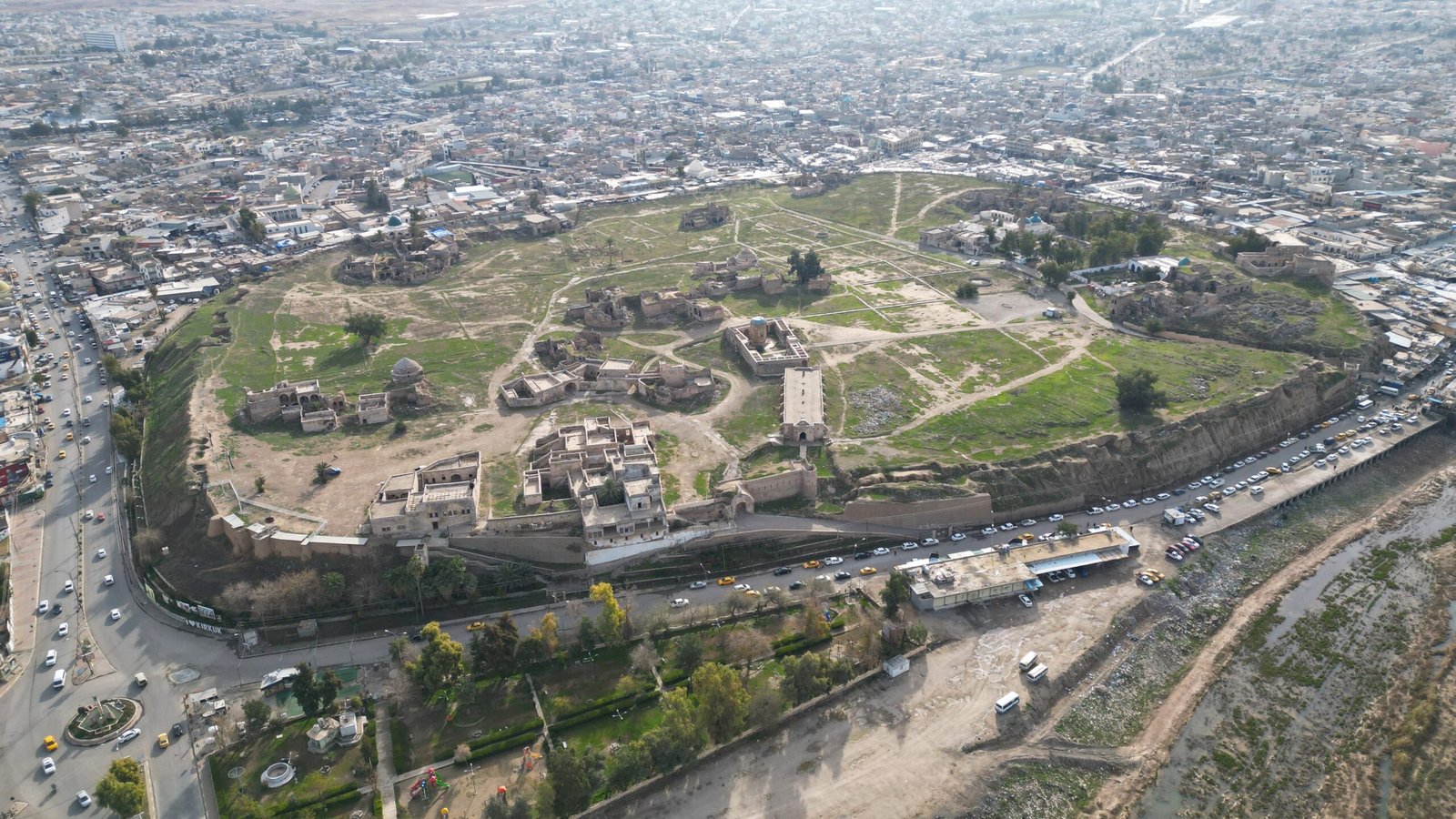
Kirkuk Citadel is the most famous historical landmark in the city and one of the oldest continuously inhabited sites in Iraq. Situated on a strategic hill overlooking Kirkuk, the citadel has witnessed thousands of years of history and the rise and fall of numerous civilizations.
Visitors exploring the citadel experience ancient walls, historical neighborhoods, archaeological remains, traditional architecture, and panoramic views across the city.
The fortress has been influenced by Assyrian, Babylonian, Persian, Seljuk, Ottoman, and Arab civilizations throughout its long history.
Its elevated location made it an important defensive stronghold and administrative center.
Photography lovers especially appreciate the historical atmosphere and city views.
Every visit feels historical and unforgettable.
2. Kirkuk Grand Bazaar – The Traditional Commercial Heart of the City

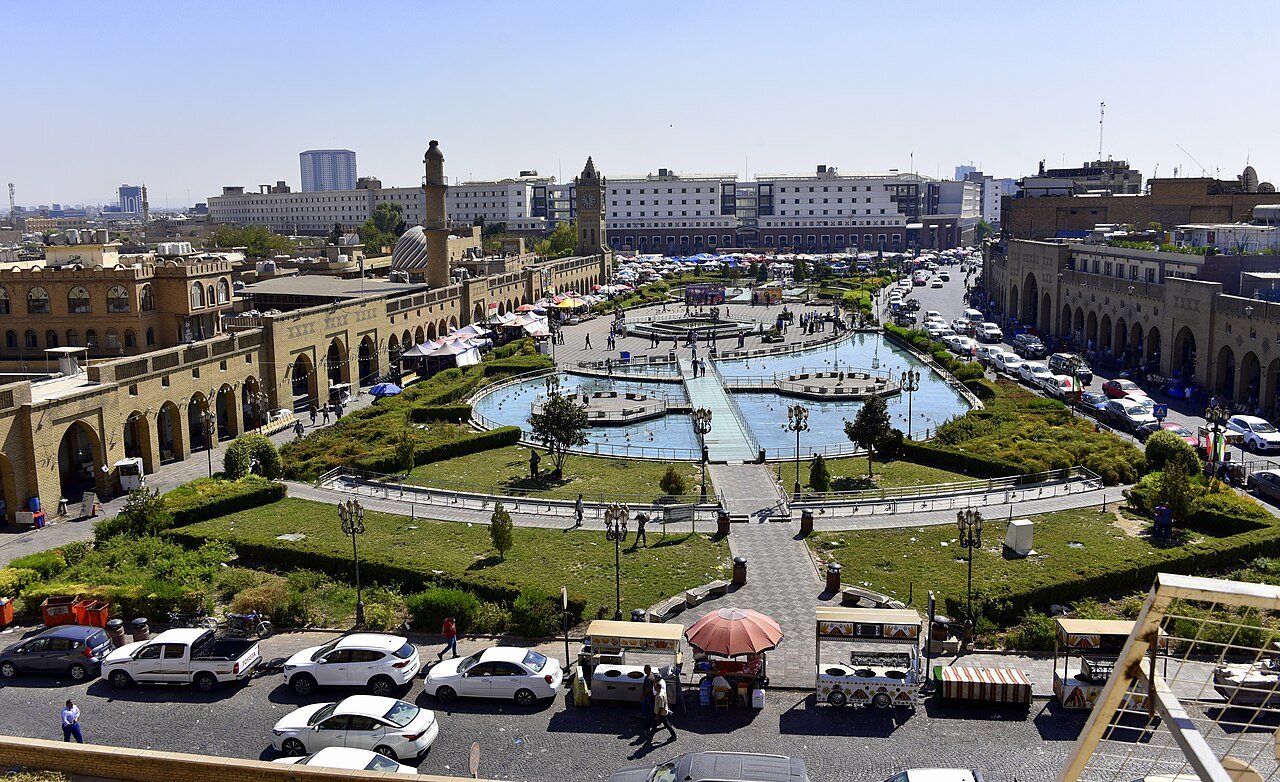
Kirkuk Grand Bazaar is one of the oldest and busiest marketplaces in northern Iraq and reflects the city’s rich multicultural heritage.
Visitors exploring the bazaar discover spices, textiles, traditional clothing, handicrafts, jewelry, local sweets, and authentic Iraqi culture.
For centuries, traders traveling between Mesopotamia, Anatolia, and Persia exchanged goods within the market’s bustling streets.
The lively atmosphere continues to make the bazaar an important center of commerce and social life.
The market provides visitors with a genuine glimpse into the traditions of Kirkuk.
Photography lovers especially appreciate the colorful displays and historic surroundings.
Every visit feels authentic and memorable.
3. Qishla of Kirkuk – The Ottoman Heritage Landmark

Qishla of Kirkuk is one of the most important Ottoman-era monuments in the city.
Originally constructed as a military barracks and administrative center, the structure reflects the influence of Ottoman architecture and governance in northern Iraq.
Visitors exploring the site experience historical buildings, traditional courtyards, stone architecture, and fascinating stories connected to the region’s past.
The complex played an important role in maintaining security and administration during the Ottoman period.
Today, it remains an important symbol of Kirkuk’s historical heritage.
Photography lovers especially appreciate the architecture and historical atmosphere.
Every visit feels educational and inspiring.
4. Baba Gurgur – The Eternal Flame of Kirkuk

Baba Gurgur is one of the most famous natural landmarks in Iraq and is known worldwide as the “Eternal Flame.”
Natural gas emerging from underground has fueled continuous flames at the site for centuries, inspiring myths, legends, and historical accounts.
Visitors exploring the area experience geological phenomena, historical significance, oil heritage, and fascinating natural scenery.
The region is also famous for its oil reserves, which have played a major role in Iraq’s economy.
Baba Gurgur remains one of the oldest known oil fields in the world.
Photography lovers especially appreciate the unique natural phenomenon.
Every visit feels fascinating and unforgettable.
5. Kirkuk Archaeological Museum – Discovering Ancient Mesopotamia

Kirkuk Archaeological Museum preserves valuable artifacts from the civilizations that flourished throughout northern Mesopotamia.
Visitors exploring the museum experience ancient pottery, sculptures, historical manuscripts, archaeological discoveries, and exhibits spanning thousands of years.
The collections highlight the importance of Kirkuk as a crossroads of cultures and civilizations.
The museum provides valuable insight into the region’s rich historical heritage.
History enthusiasts especially enjoy learning about the ancient peoples who shaped the area.
Photography lovers especially appreciate the historical displays and cultural exhibits.
Every visit feels educational and inspiring.
6. Khasa River – The Natural Waterway of Kirkuk

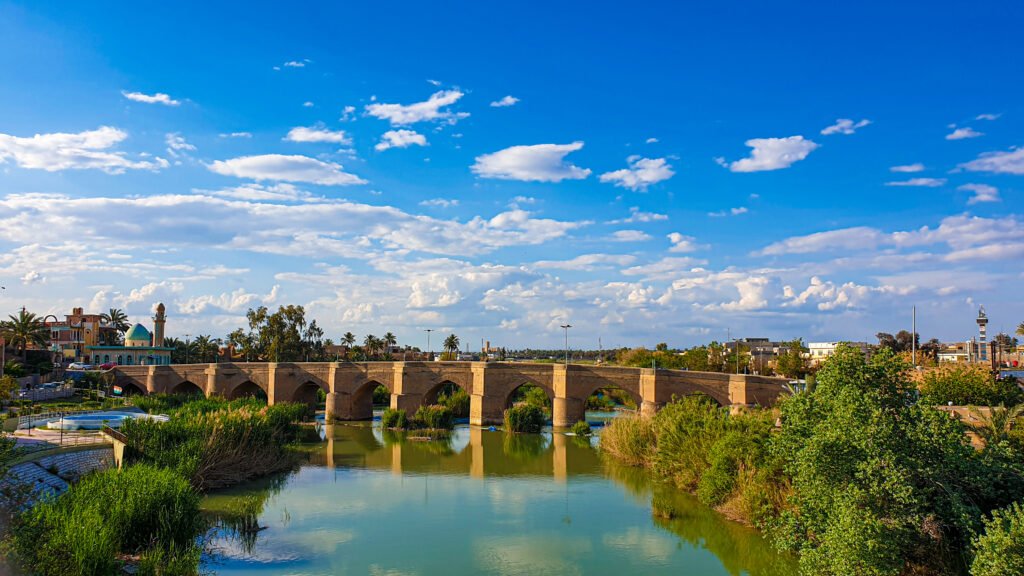
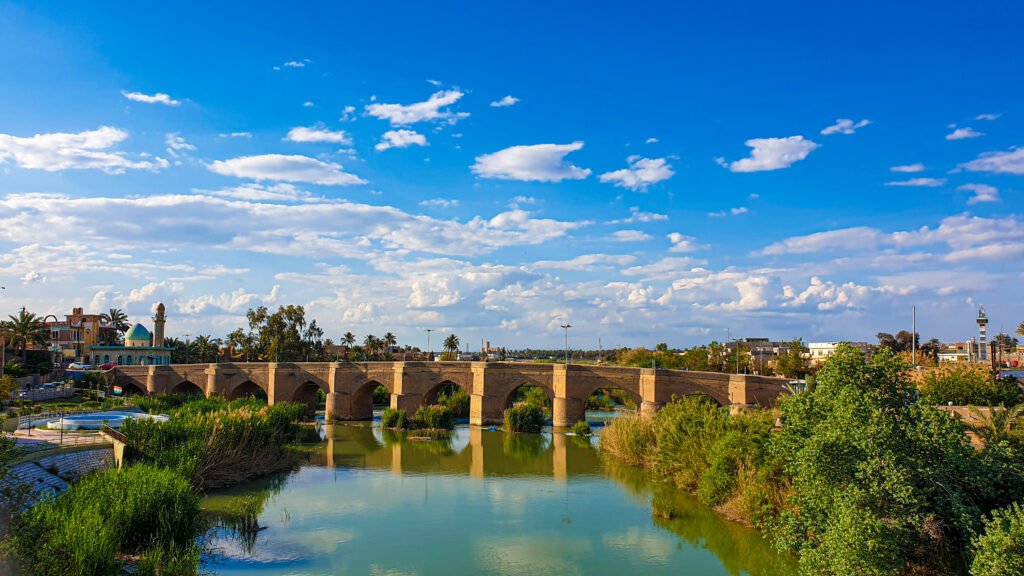
Khasa River flows through the city and has played an important role in local agriculture and urban development for generations.
Visitors exploring the riverbanks experience scenic landscapes, walking areas, bridges, local parks, and peaceful natural surroundings.
The river contributes to the city’s environmental beauty and provides important resources for nearby communities.
The surrounding areas offer relaxing spaces for residents and visitors alike.
Its calm waters create pleasant scenery throughout the city.
Photography lovers especially appreciate the riverside views and natural atmosphere.
Every visit feels relaxing and refreshing.
7. Ancient Arrapha – The Historical Origins of Kirkuk

Ancient Arrapha represents the ancient origins of modern Kirkuk and dates back thousands of years to the Assyrian period.
The settlement played an important role within the Assyrian Empire and later became part of various Mesopotamian kingdoms and empires.
Visitors interested in ancient history can explore archaeological remains and learn about one of the oldest continuously inhabited regions in Iraq.
The site demonstrates the deep historical roots of Kirkuk within the cradle of civilization.
Its legacy continues to shape the city’s cultural identity today.
Photography lovers especially appreciate the historical landscapes and archaeological significance.
Every visit feels like a journey through ancient history.
8. Kirkuk Food Culture – The Diverse Flavors of Northern Iraq

Kirkuk is one of Iraq’s most culturally diverse cities and offers a unique blend of Kurdish, Arab, Turkmen, and Assyrian culinary traditions.
Visitors can enjoy traditional dishes such as Dolma, Kebabs, Quzi, Kubba, grilled meats, rice specialties, local breads, sweets, and regional delicacies.
The city’s position at the crossroads of northern Iraq introduced culinary influences from Mesopotamia, Anatolia, Persia, and the Arab world.
Traditional restaurants and local markets preserve recipes passed down through generations.
The multicultural nature of Kirkuk is reflected in its rich and varied cuisine.
Food lovers especially enjoy exploring local eateries and experiencing authentic Iraqi hospitality.
Every meal feels flavorful and unforgettable.
Kirkuk beautifully combines ancient Mesopotamian heritage, Assyrian history, Ottoman landmarks, multicultural traditions, natural wonders, archaeological treasures, and extraordinary cuisine, making it one of the most historically significant cities in northern Iraq.
Related artical : Best place to visit in Erbil