
Now Reading: Best place to visit in Malta
-
01
Best place to visit in Malta
Best place to visit in Malta
1. Valletta Travel Guide: Discover Malta’s Historic Capital City

Meta Description
Explore Valletta, the historic capital of Malta and a UNESCO World Heritage Site. Discover its rich history, magnificent architecture, cultural attractions, and the best time to visit.
Introduction
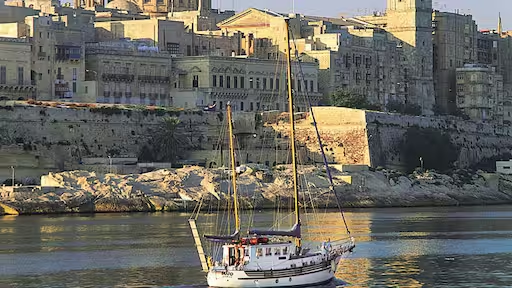
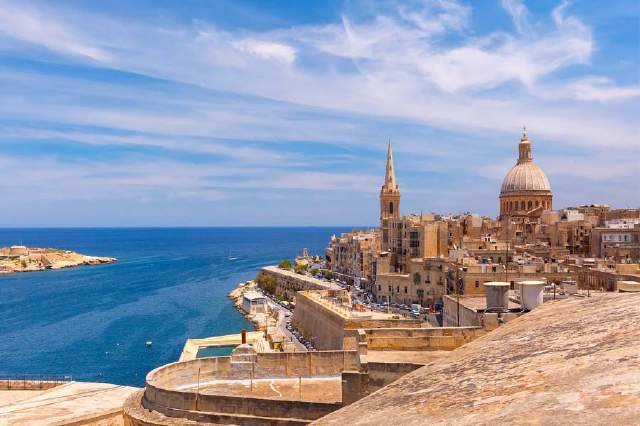
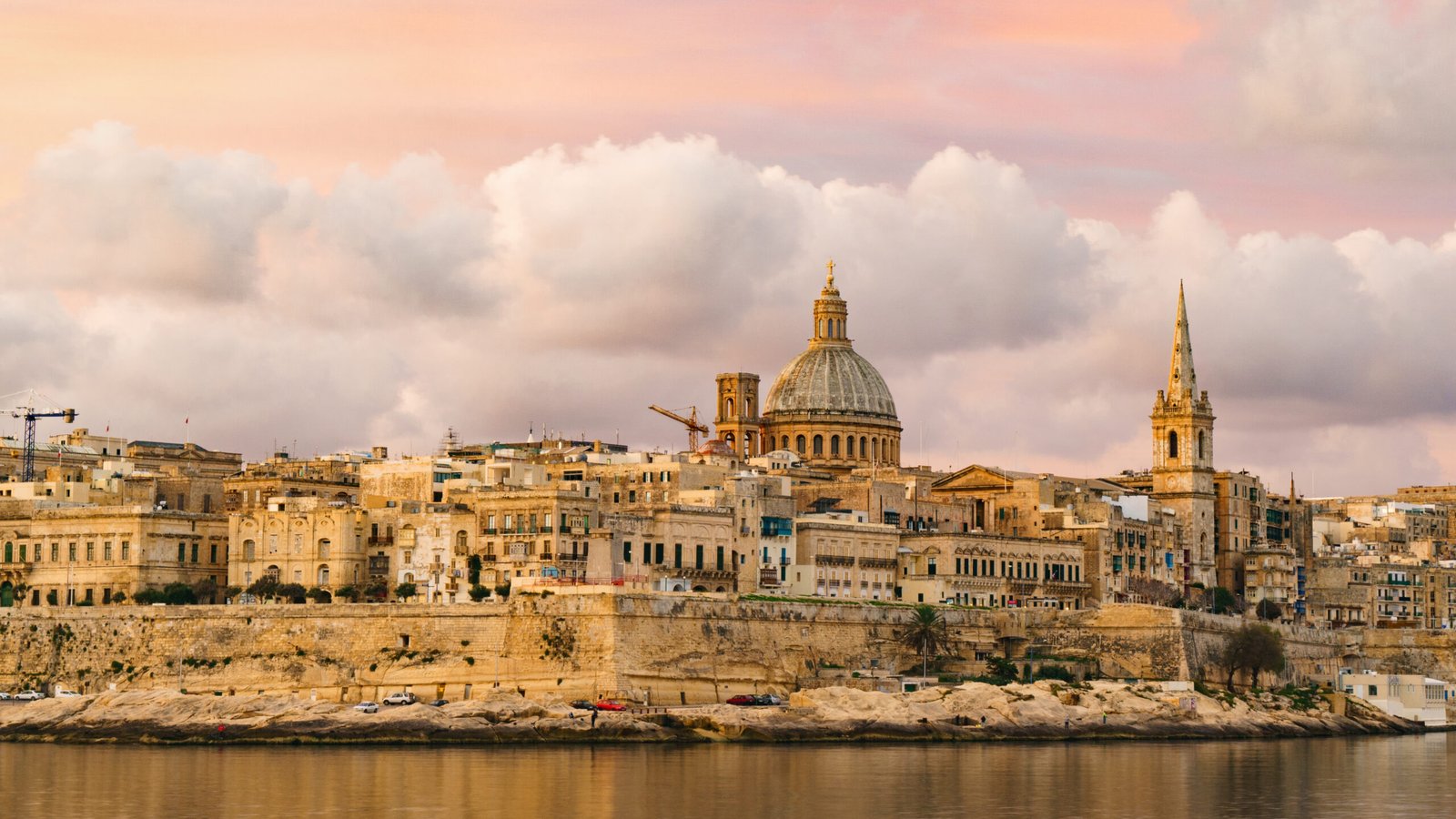
Valletta is the vibrant capital of Malta and one of Europe’s smallest yet most historically significant cities. Founded in the 16th century by the Knights of St. John after the Great Siege of Malta, Valletta is renowned for its magnificent Baroque architecture, impressive fortifications, elegant palaces, museums, churches, and breathtaking views over the Grand Harbour.
Recognized as a UNESCO World Heritage Site, Valletta is often described as an open-air museum. Every street reflects centuries of history, while its lively cafés, cultural festivals, and waterfront promenades make it one of the Mediterranean’s most attractive travel destinations. Whether you are interested in history, architecture, food, or photography, Valletta offers an unforgettable experience.
History
Valletta was founded in 1566 by Jean Parisot de Valette following the successful defense of Malta during the Great Siege of 1565. Designed as a fortified city, Valletta quickly became the political, military, and cultural center of the island.
Throughout the centuries, the city was ruled by the Knights of St. John, the French, and later the British before Malta gained independence in 1964. Today, Valletta remains the country’s capital and one of Europe’s best-preserved historic cities.
Best Time to Visit
The best time to visit Valletta is from April to June and September to November, when the weather is warm, sunny, and ideal for sightseeing without the peak summer crowds.
2. St. John’s Co-Cathedral Travel Guide: Malta’s Greatest Baroque Masterpiece

Meta Description
Discover St. John’s Co-Cathedral in Valletta, Malta’s most famous Baroque church, home to magnificent artwork, ornate interiors, and masterpieces by Caravaggio.
Introduction
St. John’s Co-Cathedral is one of the finest examples of Baroque architecture in Europe and the most important religious monument in Malta. Built by the Knights of St. John in the late 16th century, the cathedral is famous for its richly decorated interior, marble floors, gilded ceilings, and priceless collection of religious art.
The cathedral’s greatest treasure is The Beheading of Saint John the Baptist by Caravaggio, regarded as one of the greatest masterpieces in Western art. Every room and chapel showcases extraordinary craftsmanship, making the cathedral one of Malta’s most visited attractions.
History
Construction of St. John’s Co-Cathedral began in 1573 under the direction of the Knights of St. John and was completed in 1578. Although its exterior appears simple, the interior was transformed during the 17th century into an extraordinary Baroque masterpiece with elaborate carvings, paintings, and decorative marble.
For centuries, the cathedral served as the principal church of the Knights and remains one of Malta’s most treasured cultural landmarks.
Best Time to Visit
The ideal time to visit is from October to April, when visitor numbers are generally lower, allowing a more relaxed experience inside the cathedral.
3. Upper Barrakka Gardens Travel Guide: Enjoy the Best Panoramic Views in Malta

Meta Description
Visit Upper Barrakka Gardens in Valletta, Malta, and enjoy breathtaking panoramic views of the Grand Harbour, historic fortifications, and one of the island’s most beautiful public gardens.
Introduction
Upper Barrakka Gardens is one of Malta’s most popular attractions, offering spectacular panoramic views over the Grand Harbour and the historic Three Cities. Perched atop Valletta’s fortified walls, these beautifully landscaped gardens combine peaceful green spaces with some of the island’s finest viewpoints.
Visitors can stroll among fountains, statues, flowering gardens, and shaded walkways while admiring the impressive harbor below. The gardens are also famous for the historic Saluting Battery, where ceremonial cannon firings continue to take place daily, attracting visitors from around the world.
History
The Upper Barrakka Gardens were originally created in the 16th century as a private recreational area for the Italian Knights of the Order of St. John. In the early 19th century, the gardens were opened to the public and gradually became one of Valletta’s most beloved landmarks.
Over time, the gardens have been carefully maintained, preserving their historical charm while offering one of the most picturesque viewpoints in Malta.
Best Time to Visit
The best time to visit Upper Barrakka Gardens is during spring (March to May) and autumn (September to November). Early morning and sunset provide the most spectacular lighting for photography and panoramic views of the Grand Harbour.
4. Mdina Travel Guide: Explore Malta’s Enchanting Silent City

Meta Description
Discover Mdina, Malta’s ancient fortified city, famous for its medieval streets, magnificent palaces, historic churches, and timeless atmosphere. Learn about its fascinating history and the best time to visit.
Introduction
Mdina is one of Malta’s most iconic destinations and is often called the “Silent City.” Perched on a hill in the center of the island, Mdina is a beautifully preserved medieval city surrounded by massive stone walls and narrow cobbled streets. Once Malta’s capital, the city is renowned for its elegant palaces, ancient churches, stunning viewpoints, and peaceful atmosphere.
Walking through Mdina feels like stepping back in time. The city has remained largely unchanged for centuries, with its honey-colored limestone buildings, hidden courtyards, and quiet alleyways creating a magical setting. Today, Mdina is a UNESCO Tentative List site and one of Malta’s most visited historical attractions.
History
Mdina’s origins date back more than 4,000 years, with evidence of settlement during the Bronze Age. The Phoenicians established the city around the 8th century BC, and it later flourished under Roman rule as Melite. During the medieval period, the Arabs reshaped the city and gave it the name “Mdina,” meaning “walled city.”
After the arrival of the Knights of St. John in 1530, Valletta became Malta’s new capital, but Mdina remained an important religious and noble center. Today, it continues to preserve its extraordinary architectural and cultural heritage.
Best Time to Visit
The best time to visit Mdina is from March to May and September to November, when the weather is pleasant for walking through the historic streets. Evening visits are especially popular because the city becomes peaceful and beautifully illuminated.
5. Rabat Travel Guide: Discover Malta’s Historic Town of Ancient Heritage

Meta Description
Explore Rabat, Malta’s historic town famous for ancient catacombs, Roman heritage, charming streets, and rich cultural history near the Silent City of Mdina.
Introduction
Rabat is a charming historic town located just outside the walls of Mdina. Rich in archaeological treasures, religious landmarks, and traditional Maltese architecture, Rabat offers visitors an authentic glimpse into Malta’s fascinating past. The town is best known for its underground catacombs, Roman remains, beautiful churches, and peaceful streets lined with cafés and local shops.
Unlike the quieter atmosphere of neighboring Mdina, Rabat combines historical attractions with everyday local life, making it an excellent destination for travelers interested in history, culture, and Maltese traditions.
History
Rabat developed as a suburb of the ancient Roman city of Melite. During Roman rule, it became an important residential area, and later gained religious significance due to its association with Saint Paul, who is believed to have stayed in the area after his shipwreck in Malta.
Throughout the centuries, Rabat continued to grow around its churches, monasteries, and archaeological sites while preserving its historical character. Today, it remains one of Malta’s most culturally significant towns.
Best Time to Visit
The ideal time to visit Rabat is between April and June or September and November, when temperatures are comfortable for exploring its historic streets and underground attractions.
6. Ħal Saflieni Hypogeum Travel Guide: Explore Malta’s Incredible Underground Temple

Meta Description
Visit the Ħal Saflieni Hypogeum in Malta, a UNESCO World Heritage Site featuring extraordinary underground chambers, prehistoric engineering, and one of the world’s oldest sacred monuments.
Introduction
Ħal Saflieni Hypogeum is one of the world’s most extraordinary prehistoric monuments and the only known underground prehistoric temple complex. Dating back more than 5,000 years, this remarkable site was carved entirely from solid limestone and served as both a sacred temple and burial chamber.
Recognized as a UNESCO World Heritage Site, the Hypogeum consists of interconnected underground halls, chambers, passageways, and ceremonial rooms spread across three levels. Its remarkable engineering and mysterious history continue to fascinate archaeologists and visitors alike.
Because visitor numbers are strictly limited to protect the fragile site, the Hypogeum offers an exclusive and unforgettable experience.
History
The Ħal Saflieni Hypogeum was constructed between approximately 4000 BC and 2500 BC by Malta’s prehistoric inhabitants. Archaeologists believe it functioned both as a place of worship and as a burial site, with the remains of thousands of individuals discovered inside.
The site was accidentally rediscovered in 1902 during construction work and has since become one of the world’s most important prehistoric archaeological discoveries.
Best Time to Visit
The Hypogeum is open throughout the year, but the best time to visit Malta is from March to June and September to November. Advance booking is highly recommended because daily visitor numbers are limited.
7. Megalithic Temples of Malta Travel Guide: Explore the World’s Oldest Free-Standing Monuments

Meta Description
Discover the Megalithic Temples of Malta, UNESCO World Heritage Sites dating back over 5,000 years. Explore ancient stone temples, prehistoric architecture, and Malta’s remarkable archaeological heritage.
Introduction
Megalithic Temples of Malta are among the oldest free-standing stone structures in the world, predating both Stonehenge and the Egyptian pyramids. Built between 3600 BC and 2500 BC, these remarkable prehistoric temples demonstrate the extraordinary engineering skills and spiritual beliefs of Malta’s earliest civilizations.
The UNESCO World Heritage property includes several temple complexes, such as Ġgantija, Ħaġar Qim, Mnajdra, Tarxien Temples, and others. Together, they offer visitors an extraordinary journey into Malta’s prehistoric past.
History
The temples were constructed by Malta’s prehistoric communities more than 5,000 years ago using massive limestone blocks, some weighing several tons. Archaeologists believe they were used for religious ceremonies, rituals, and community gatherings. Their sophisticated layouts, astronomical alignments, and artistic carvings continue to amaze researchers today.
In 1980, UNESCO recognized these remarkable monuments as World Heritage Sites because of their exceptional historical and archaeological value.
Best Time to Visit
The ideal time to visit is March to June and September to November, when pleasant temperatures make exploring the outdoor archaeological sites more comfortable.
8. Blue Grotto Travel Guide: Experience Malta’s Spectacular Sea Caves

Meta Description
Visit the Blue Grotto in Malta, famous for its crystal-clear blue waters, spectacular sea caves, scenic boat tours, and breathtaking Mediterranean coastal views.
Introduction
Blue Grotto is one of Malta’s most breathtaking natural attractions. Located along the island’s southern coastline, the Blue Grotto consists of a series of magnificent sea caves carved by the Mediterranean Sea over thousands of years.
The caves are renowned for their brilliant blue waters, created by sunlight reflecting through the sea and illuminating the limestone formations beneath the surface. Visitors can enjoy unforgettable boat tours, admire dramatic coastal cliffs, swim in crystal-clear waters, and capture spectacular photographs of one of Malta’s most iconic landscapes.
History
The Blue Grotto has long been admired by local fishermen and sailors for its remarkable natural beauty. Over time, it became one of Malta’s most famous tourist attractions due to its unique sea caves and extraordinary light reflections.
Today, daily boat excursions allow visitors to explore the caves while learning about their geological formation and local history.
Best Time to Visit
The best time to visit is April to October, with early morning offering the brightest blue reflections and calm sea conditions for boat tours.
9. Golden Bay Travel Guide: Relax at One of Malta’s Most Beautiful Beaches

Meta Description
Discover Golden Bay, one of Malta’s most popular sandy beaches, offering golden sand, crystal-clear waters, water sports, spectacular sunsets, and family-friendly activities.
Introduction
Golden Bay is one of the island’s most famous beaches, attracting visitors with its wide stretch of golden sand, turquoise Mediterranean waters, and spectacular coastal scenery. Surrounded by rocky cliffs and natural landscapes, Golden Bay is a favorite destination for swimming, sunbathing, kayaking, paddleboarding, and watching unforgettable sunsets.
Its excellent facilities, restaurants, and easy accessibility make it one of the best beaches in Malta for both families and adventure seekers.
History
Golden Bay has been a popular recreational destination for generations. As Malta’s tourism industry developed during the 20th century, the beach became internationally recognized for its natural beauty and high-quality visitor facilities while preserving its scenic coastal environment.
Today, it remains one of Malta’s premier seaside destinations.
Best Time to Visit
The ideal time to visit Golden Bay is May to October, when warm temperatures and calm seas create perfect beach conditions.
10. Mellieħa Bay Travel Guide: Discover Malta’s Largest Sandy Beach

Meta Description
Explore Mellieħa Bay, Malta’s largest sandy beach, famous for shallow waters, family-friendly activities, water sports, and beautiful Mediterranean scenery.
Introduction
Mellieħa Bay, also known as Ghadira Bay, is the largest and one of the most popular sandy beaches in Malta. Located on the island’s northern coast, the bay is renowned for its soft golden sand, shallow turquoise waters, and stunning coastal views.
The beach is ideal for families with children due to its gently sloping shoreline, while adventure enthusiasts can enjoy jet skiing, kayaking, windsurfing, paddleboarding, and other water sports. Restaurants, cafés, and beach facilities make Mellieħa Bay one of Malta’s top holiday destinations.
History
Mellieħa Bay has long been valued as a natural harbor and fishing area. As tourism expanded during the 20th century, the beach developed into one of Malta’s leading seaside resorts while maintaining its natural beauty and welcoming atmosphere.
Today, it attracts thousands of visitors every year seeking relaxation and outdoor recreation.
Best Time to Visit
The best time to visit Mellieħa Bay is May to October, when warm sunshine, calm Mediterranean waters, and excellent beach conditions provide the perfect holiday experience.
11. Popeye Village Travel Guide: Discover Malta’s Famous Seaside Film Set

Meta Description
Explore Popeye Village in Malta, the famous 1980 film set turned family attraction, offering colorful wooden houses, stunning coastal scenery, museums, and entertainment.
Introduction
Popeye Village is one of Malta’s most unique tourist attractions. Originally built as the filming location for the 1980 musical film Popeye, the colorful wooden village now operates as a family-friendly theme park and open-air museum overlooking the crystal-clear waters of Anchor Bay.
Visitors can explore charming cottages, enjoy live entertainment, boat rides, museums, and panoramic Mediterranean views while experiencing one of Malta’s most photographed destinations.
History
Popeye Village was constructed in 1979 specifically for the Hollywood production starring Robin Williams. After filming ended, the village was preserved and transformed into one of Malta’s most popular attractions, welcoming visitors from around the world.
Best Time to Visit
The best time to visit is April to October, when pleasant weather allows visitors to enjoy outdoor activities and coastal views.
12. Gozo Travel Guide: Explore Malta’s Peaceful Island Paradise

Meta Description
Discover Gozo, Malta’s beautiful sister island, known for scenic coastlines, historic villages, beautiful beaches, cultural landmarks, and peaceful Mediterranean charm.
Introduction
Gozo is Malta’s second-largest island and is celebrated for its peaceful atmosphere, dramatic coastlines, charming villages, and rich cultural heritage. Compared to the main island, Gozo offers a slower pace of life with breathtaking natural landscapes, historic churches, ancient temples, and excellent diving locations.
Visitors can enjoy scenic drives, coastal walks, local cuisine, and authentic Maltese traditions while exploring one of the Mediterranean’s most picturesque islands.
History
Gozo has been inhabited since prehistoric times and has been influenced by Phoenician, Roman, Arab, Norman, and British civilizations. The island is also associated with the legend of Calypso from Homer’s Odyssey, adding to its mythical appeal.
Best Time to Visit
Visit Gozo between April and June or September and November for comfortable weather and fewer crowds.
13. Victoria Citadel Travel Guide: Discover Gozo’s Historic Fortress

Meta Description
Explore the Victoria Citadel in Gozo, Malta’s historic fortress featuring ancient walls, museums, panoramic views, and centuries of fascinating history.
Introduction
Victoria Citadel is the historic heart of Gozo and one of the island’s most important landmarks. Perched on a hill overlooking Victoria, the fortified citadel has protected local communities for centuries while offering breathtaking panoramic views across the island.
Visitors can explore narrow stone streets, museums, historic churches, defensive walls, and impressive viewpoints.
History
The Citadel has existed since Roman times, although its current fortifications were largely rebuilt by the Knights of St. John during the 16th century following repeated pirate attacks.
Best Time to Visit
The ideal time to visit is March to June and September to November.
14. Dwejra Bay Travel Guide: Experience Gozo’s Spectacular Coastal Landscapes

Meta Description
Discover Dwejra Bay in Gozo, famous for dramatic cliffs, crystal-clear waters, geological wonders, diving, and unforgettable Mediterranean scenery.
Introduction
Dwejra Bay is one of Malta’s most spectacular natural attractions. Known for its dramatic limestone cliffs, crystal-clear waters, and unique geological formations, Dwejra Bay attracts photographers, hikers, divers, and nature lovers from around the world.
History
Dwejra Bay was home to the famous Azure Window until its collapse in 2017. Despite this natural event, the bay remains one of Malta’s most iconic coastal destinations thanks to its remarkable geological beauty.
Best Time to Visit
The best time to visit is April to October.
15. Blue Lagoon Travel Guide: Visit Malta’s Famous Turquoise Paradise

Meta Description
Explore the Blue Lagoon in Malta, famous for crystal-clear turquoise waters, white sandy seabed, snorkeling, swimming, and unforgettable Mediterranean scenery.
Introduction
Blue Lagoon is Malta’s most famous swimming destination. Located between Malta and Gozo on the island of Comino, the Blue Lagoon is celebrated for its brilliant turquoise waters, white sandy seabed, and excellent snorkeling opportunities.
History
For centuries, the sheltered lagoon served as a safe anchorage for fishermen and sailors. Today, it is one of Malta’s most visited natural attractions and a highlight of many boat tours.
Best Time to Visit
Visit between May and October, with early mornings offering the clearest water and fewer visitors.
16. Comino Travel Guide: Explore Malta’s Peaceful Island Paradise

Meta Description
Discover Comino, Malta’s smallest inhabited island, famous for its crystal-clear waters, Blue Lagoon, dramatic cliffs, peaceful beaches, and breathtaking Mediterranean landscapes.
Introduction
Comino is a small Mediterranean island located between Malta and Gozo, renowned for its untouched natural beauty, turquoise waters, and tranquil atmosphere. Covering only a few square kilometers, Comino offers visitors spectacular coastal scenery, hidden coves, sea caves, hiking trails, and some of the clearest waters in Europe.
The island is a paradise for swimmers, snorkelers, divers, photographers, and nature lovers. Although only a handful of people live on Comino permanently, thousands of visitors arrive every year to experience its famous Blue Lagoon and peaceful surroundings.
History
Comino has been inhabited since ancient times and has served various purposes throughout history, including farming, military defense, and isolation during outbreaks of disease. During the rule of the Knights of St. John, the island was protected by the construction of Santa Marija Tower, which still overlooks the coastline today.
Best Time to Visit
The ideal time to visit Comino is from May to October, when warm weather and calm seas create perfect conditions for swimming, snorkeling, and boat tours.
17. Marsaxlokk Fishing Village Travel Guide: Experience Malta’s Traditional Seaside Charm

Meta Description
Visit Marsaxlokk Fishing Village in Malta, famous for colorful Luzzu boats, fresh seafood, waterfront restaurants, traditional markets, and authentic Maltese culture.
Introduction
Marsaxlokk Fishing Village is Malta’s most famous traditional fishing village, known for its picturesque harbor filled with colorful Luzzu fishing boats painted in vibrant shades of blue, yellow, green, and red. The village offers visitors an authentic glimpse into Malta’s maritime traditions while providing excellent seafood restaurants, local markets, and beautiful waterfront scenery.
Its peaceful atmosphere, historic charm, and bustling Sunday fish market make Marsaxlokk one of the island’s most popular destinations.
History
Marsaxlokk has served as an important fishing port since Phoenician and Roman times. Over the centuries, generations of local fishermen have maintained traditional fishing methods while preserving the unique character of the village. Today, it remains one of Malta’s most authentic coastal communities.
Best Time to Visit
Visit between April and October, with Sunday mornings being especially popular because of the famous open-air fish market.
18. The Three Cities Travel Guide: Discover Malta’s Historic Maritime Heart

Meta Description
Explore Malta’s Three Cities—Birgu, Senglea, and Cospicua—renowned for historic forts, charming streets, beautiful marinas, and centuries of maritime history.
Introduction
The Three Cities consist of the historic fortified cities of Birgu, Senglea, and Cospicua, located across the Grand Harbour from Valletta. Rich in history and culture, these cities played a crucial role during the rule of the Knights of St. John and the Great Siege of Malta.
Visitors can wander through narrow streets, admire historic fortifications, visit charming waterfront promenades, and experience a quieter side of Malta filled with authentic local character.
History
The Three Cities are among the oldest inhabited areas in Malta. Birgu served as the headquarters of the Knights of St. John before Valletta was built, while Senglea and Cospicua developed as fortified defensive cities. Together, they have witnessed centuries of maritime trade, warfare, and cultural development.
Best Time to Visit
The best time to visit is March to June and September to November, when the weather is pleasant for walking and sightseeing.
19. Fort St. Elmo Travel Guide: Discover Malta’s Legendary Fortress

Meta Description
Visit Fort St. Elmo in Valletta, Malta, a historic fortress famous for the Great Siege of 1565, stunning harbor views, and the National War Museum.
Introduction
Fort St. Elmo is one of Malta’s most important historical landmarks and a symbol of the island’s military heritage. Standing at the entrance to the Grand Harbour, this star-shaped fortress played a crucial role during the Great Siege of Malta in 1565 and continues to attract visitors interested in history, architecture, and spectacular coastal views.
Today, the fort is home to the National War Museum, where visitors can explore fascinating exhibitions covering Malta’s military history from ancient times through World War II.
History
Fort St. Elmo was constructed by the Knights of St. John in 1552 to defend Malta’s strategic harbors. Although heavily damaged during the Great Siege, the fortress was rebuilt and strengthened, becoming one of the island’s most important defensive structures. It remains one of Malta’s best-preserved military monuments.
Best Time to Visit
The ideal time to visit is from October to April, when cooler weather makes exploring the fortress and museum more comfortable.
20. Tarxien Temples Travel Guide: Explore Malta’s Remarkable Prehistoric Sanctuary

Meta Description
Discover the Tarxien Temples in Malta, a UNESCO World Heritage Site featuring prehistoric stone architecture, ancient carvings, religious monuments, and archaeological treasures.
Introduction
Tarxien Temples are among the finest examples of prehistoric architecture in Europe. Built between 3600 BC and 2500 BC, these remarkable stone temples form part of the UNESCO-listed Megalithic Temples of Malta and provide valuable insight into one of the world’s earliest civilizations.
Visitors can admire massive limestone blocks, intricate spiral carvings, ceremonial altars, and archaeological remains that reveal the advanced engineering skills and religious practices of Malta’s prehistoric inhabitants.
History
The Tarxien Temples were discovered in 1913 during agricultural work and soon became one of Malta’s most significant archaeological sites. Excavations uncovered beautifully carved stones, statues, animal reliefs, and evidence of religious ceremonies performed thousands of years ago. Today, the site is carefully preserved as one of the country’s most valuable historical treasures.
Best Time to Visit
The best time to visit the Tarxien Temples is March to June and September to November, when mild temperatures provide comfortable conditions for exploring this remarkable outdoor archaeological site.
21. Dingli Cliffs Travel Guide: Discover Malta’s Highest Coastal Viewpoint

Meta Description
Explore Dingli Cliffs in Malta, the island’s highest coastal viewpoint, offering dramatic sea cliffs, breathtaking Mediterranean views, scenic walking trails, and unforgettable sunsets.
Introduction
Dingli Cliffs is one of Malta’s most spectacular natural attractions, located along the island’s rugged western coastline. Rising approximately 250 meters above sea level, the cliffs offer breathtaking panoramic views of the Mediterranean Sea, dramatic limestone formations, and peaceful countryside landscapes. The area is popular with hikers, photographers, cyclists, and visitors looking to experience Malta’s natural beauty away from the busy tourist resorts.
The combination of fresh sea air, scenic walking paths, and unforgettable sunsets makes Dingli Cliffs one of the most rewarding places to visit in Malta.
History
For centuries, Dingli Cliffs have served as a natural defensive barrier protecting Malta’s western coast. Local farmers cultivated nearby terraced fields while fishermen used the surrounding waters for their livelihoods. Today, the cliffs remain one of Malta’s most treasured natural landmarks and a favorite destination for outdoor enthusiasts.
Best Time to Visit
The best time to visit Dingli Cliffs is between March and June or September and November. Sunset is particularly popular, offering some of the most spectacular coastal views in Malta.
22. St. Peter’s Pool Travel Guide: Experience Malta’s Natural Swimming Paradise

Meta Description
Discover St. Peter’s Pool in Malta, a beautiful natural swimming pool known for crystal-clear waters, cliff jumping, snorkeling, and stunning coastal scenery.
Introduction
St. Peter’s Pool is one of Malta’s most beautiful natural swimming spots. Carved into the limestone coastline by centuries of wave action, this unique inlet features calm turquoise waters surrounded by smooth rock platforms that are perfect for sunbathing and relaxing.
The site is popular with swimmers, snorkelers, divers, and adventurous visitors who enjoy cliff jumping into the clear Mediterranean Sea. Its peaceful setting and natural beauty make it one of Malta’s hidden coastal gems.
History
St. Peter’s Pool has been used by local fishermen and coastal communities for generations. As tourism developed in Malta, the area became increasingly popular for its excellent swimming conditions, crystal-clear water, and dramatic rock formations while maintaining its natural character.
Best Time to Visit
The ideal time to visit is May to October, when warm temperatures and calm sea conditions are perfect for swimming and snorkeling.
23. Għar Dalam Cave Travel Guide: Discover Malta’s Oldest Prehistoric Site

Meta Description
Visit Għar Dalam Cave in Malta, an extraordinary prehistoric cave and museum featuring ancient fossils, archaeological discoveries, and evidence of the island’s earliest human inhabitants.
Introduction
Għar Dalam is one of Malta’s most important archaeological sites and the oldest evidence of human settlement on the islands. The cave contains fascinating layers of prehistoric history, including fossils of extinct animals such as dwarf elephants, hippopotamuses, and giant swans, along with artifacts left by Malta’s earliest inhabitants.
Today, visitors can explore the impressive cave and adjoining museum, gaining insight into Malta’s geological evolution and prehistoric civilizations.
History
The cave was formed hundreds of thousands of years ago and became internationally famous following archaeological excavations during the late 19th and early 20th centuries. Discoveries inside the cave transformed our understanding of Malta’s ancient history and established Għar Dalam as one of Europe’s most significant prehistoric sites.
Best Time to Visit
The best time to visit is throughout the year, although March to June and September to November offer the most comfortable weather for exploring the surrounding area.
24. Sliema Promenade Travel Guide: Enjoy Malta’s Beautiful Waterfront Walk

Meta Description
Explore the Sliema Promenade in Malta, a lively waterfront destination featuring scenic coastal walks, cafés, restaurants, shopping, and spectacular views of Valletta.
Introduction
Sliema Promenade is one of Malta’s most popular waterfront attractions, stretching for several kilometers along the northeastern coastline. Offering magnificent views of Valletta across the harbor, the promenade is lined with cafés, restaurants, hotels, gardens, shopping areas, and public art.
Whether visitors are looking for a relaxing seaside walk, outdoor dining, cycling, or beautiful sunset views, the Sliema Promenade provides an enjoyable experience for travelers of all ages.
History
Originally a quiet seaside area, Sliema developed rapidly during the 19th and 20th centuries into one of Malta’s principal residential and tourism districts. The promenade has become a central gathering place for locals and visitors, combining modern facilities with beautiful Mediterranean scenery.
Best Time to Visit
The ideal time to visit is April to June and September to November, while evenings throughout the year are perfect for leisurely waterfront walks.
25. Spinola Bay Travel Guide: Discover Malta’s Charming Waterfront Destination

Meta Description
Visit Spinola Bay in St. Julian’s, Malta, famous for its picturesque harbor, colorful fishing boats, waterfront restaurants, lively nightlife, and beautiful Mediterranean scenery.
Introduction
Spinola Bay is one of Malta’s most picturesque waterfront destinations, combining traditional fishing heritage with modern entertainment and dining. Located in the heart of St. Julian’s, the bay is known for its colorful Luzzu fishing boats, elegant marina, historic buildings, and vibrant atmosphere.
Visitors can enjoy waterfront restaurants serving fresh seafood, relaxing coastal walks, boat photography, and stunning evening views as the bay lights up after sunset.
History
Spinola Bay takes its name from the historic Spinola Palace, built in the 17th century by the Knights of St. John. Originally a quiet fishing harbor, the bay gradually evolved into one of Malta’s leading tourism and leisure destinations while preserving its traditional maritime charm.
Best Time to Visit
The best time to visit Spinola Bay is April to October, when pleasant weather allows visitors to enjoy outdoor dining, scenic walks, and beautiful sunsets along the waterfront.
Related artical : Best place to visit in Luqa