Now Reading: Best place to visit in Mantsonyane
-
01
Best place to visit in Mantsonyane
Best place to visit in Mantsonyane

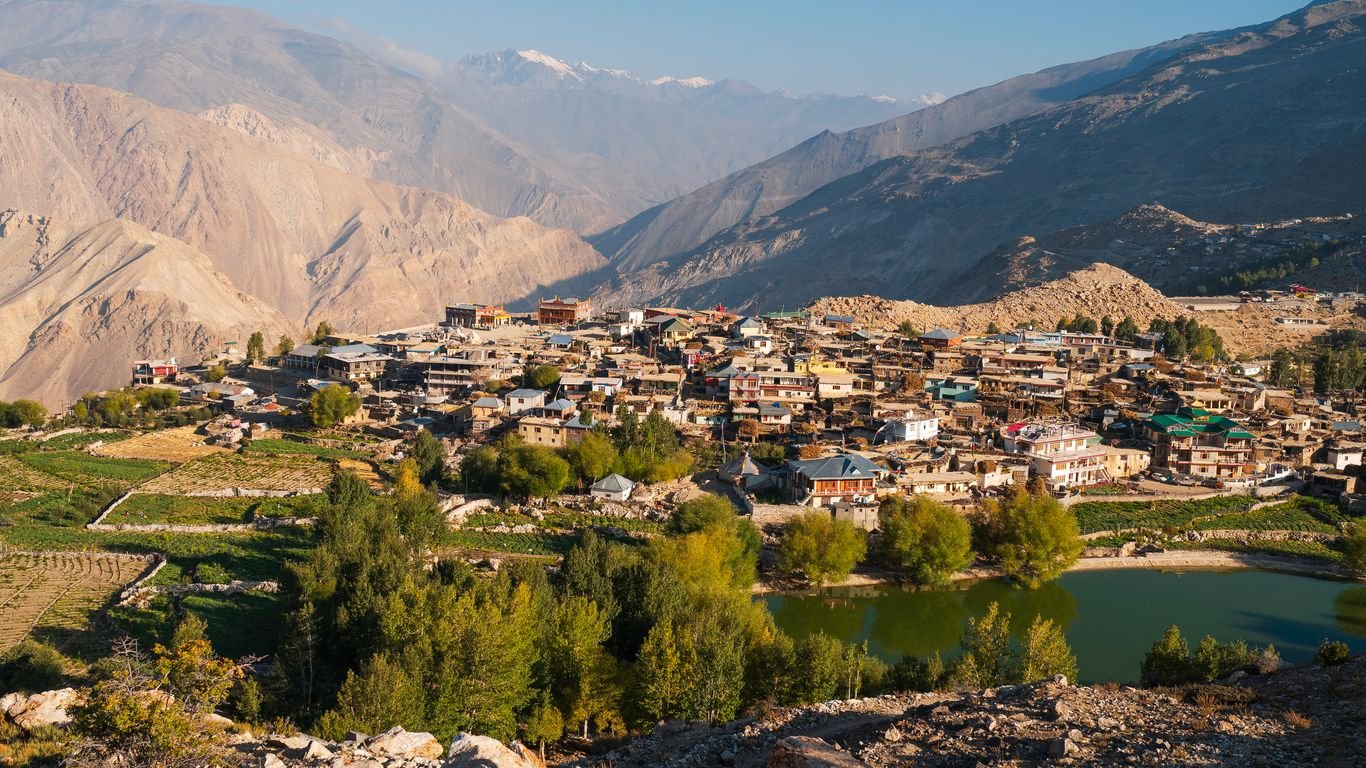
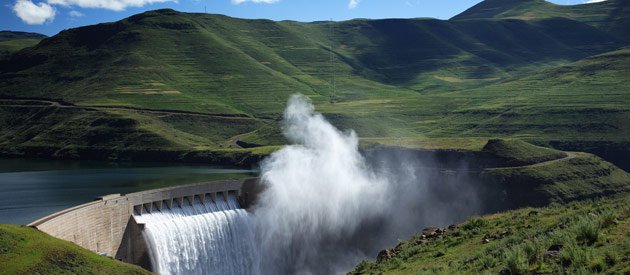
Mantsonyane is a picturesque highland settlement located in the mountainous heart of Lesotho. Surrounded by dramatic peaks, deep valleys, winding rivers, and traditional Basotho villages, Mantsonyane offers visitors an authentic experience of life in the Kingdom in the Sky. The region is renowned for its breathtaking natural beauty, rich cultural heritage, and peaceful rural atmosphere that remains largely untouched by modern urban development.
Situated within one of Lesotho’s most scenic districts, Mantsonyane serves as a gateway to some of the country’s most spectacular mountain landscapes. For centuries, Basotho communities have lived in these highlands, adapting to the rugged environment through livestock farming, agriculture, and strong cultural traditions. The area’s remote location has helped preserve many aspects of traditional Basotho life, making it an ideal destination for travelers seeking authentic cultural experiences and outdoor adventures.
Today, visitors come to Mantsonyane to explore mountain trails, rivers, waterfalls, traditional villages, and historical landmarks while enjoying some of the most impressive scenery in southern Africa.
1. Mantsonyane Falls
Overview and History
Mantsonyane Falls is one of the region’s most beautiful natural attractions. Cascading through rocky mountain terrain, the waterfall creates a stunning display of natural beauty that attracts visitors throughout the year.
The falls are especially impressive during the rainy season when increased water flow transforms the landscape into a spectacular natural scene. Local communities have long regarded the area as an important part of their natural heritage.
Visitors can enjoy photography, nature walks, and scenic viewpoints while appreciating the peaceful surroundings.
The waterfall remains one of the most photographed attractions in the region.
2. Mantsonyane River Valley

Overview and History
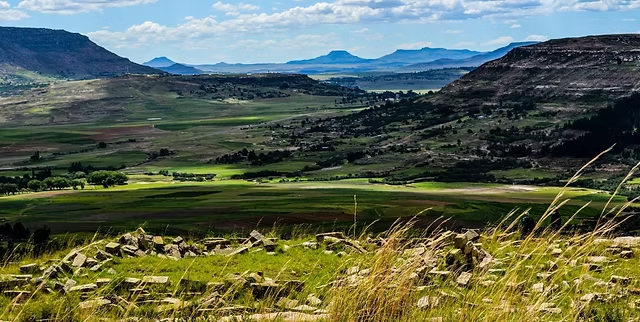
Mantsonyane River Valley is characterized by lush vegetation, rolling hills, fertile farmland, and picturesque river scenery.
For generations, the valley has supported local agriculture and livestock farming, providing essential resources for surrounding communities. The river continues to play a vital role in sustaining the region’s economy and environment.
Visitors can explore scenic walking routes and enjoy panoramic views of the surrounding highlands.
The valley represents the natural beauty that defines much of rural Lesotho.
3. Traditional Basotho Villages

Overview and History
Traditional Basotho Villages offer visitors a rare opportunity to experience authentic Basotho culture and daily life.
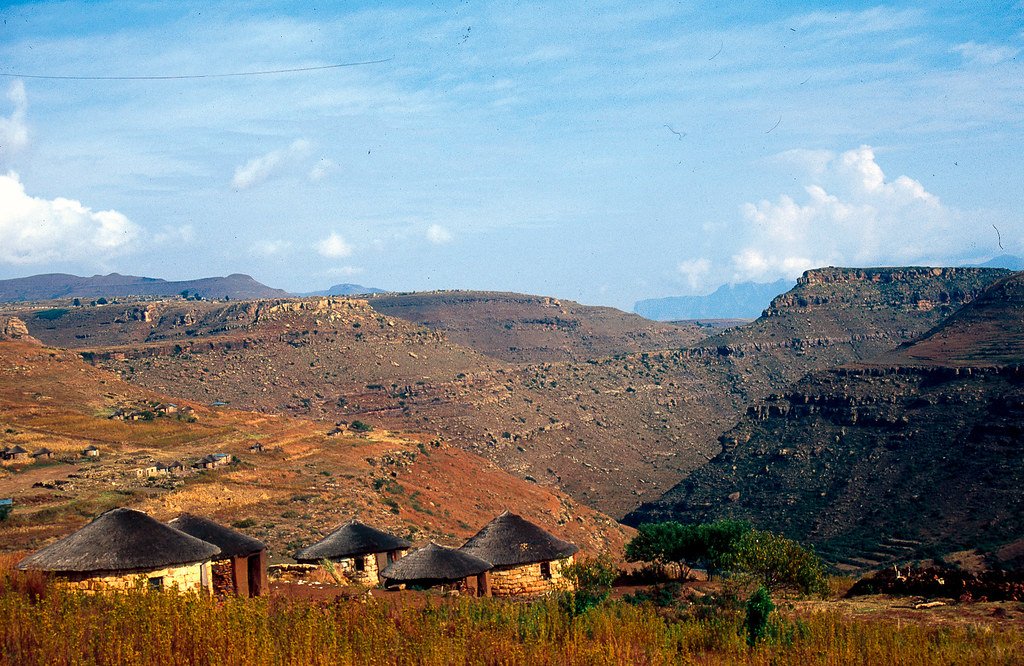
The villages feature traditional rondavel houses, livestock enclosures, community gathering spaces, and agricultural fields that have sustained families for generations. Visitors can learn about local customs, traditional clothing, music, storytelling, and cultural ceremonies.
These communities remain deeply connected to their heritage and continue to preserve customs that form an important part of Lesotho’s national identity.
The hospitality of local residents is often one of the highlights of visiting the area.
4. Highland Mountain Viewpoints

Overview and History
Highland Mountain Viewpoints provide breathtaking panoramic views of mountains, valleys, rivers, and traditional settlements.
The elevated locations allow visitors to appreciate the scale and beauty of Lesotho’s highland landscapes. Many viewpoints are accessible through hiking routes that pass through scenic countryside and cultural sites.
Historically, these high points served as observation areas and navigation landmarks for travelers moving through the mountains.
Today, they remain among the region’s most popular attractions for photographers and nature lovers.
5. Mountain Horseback Trails

Overview and History
Mountain Horseback Trails offer one of the most authentic ways to explore the surrounding highlands.
Horseback travel has been an essential part of life in Lesotho for centuries due to the rugged terrain and remote settlements. Many local communities continue to use horses as a primary means of transportation.
Visitors can ride through mountain passes, valleys, rivers, and villages while experiencing landscapes inaccessible to conventional vehicles.
These trails provide unforgettable opportunities for adventure and cultural exploration.
6. Mantsonyane Cultural Heritage Sites

Overview and History
Mantsonyane Cultural Heritage Sites preserve important aspects of local history and traditional culture.
These locations include historical gathering places, traditional leadership sites, and community landmarks that reflect the development of Basotho society in the region.
Visitors can learn about local customs, governance systems, and social traditions that have shaped community life for generations.
The sites contribute significantly to preserving regional identity and cultural continuity.
7. Rural Hiking Trails

Overview and History
Rural Hiking Trails provide access to some of the most scenic landscapes in the country.
The trails pass through mountains, valleys, rivers, and traditional villages, allowing visitors to experience the natural beauty and cultural richness of the region.
Many routes have been used by local residents for centuries and continue to connect communities throughout the highlands.
Hiking remains one of the best ways to explore Mantsonyane’s remote and spectacular environment.
8. Community Craft Centers
Overview and History
Community Craft Centers showcase the artistic skills and creativity of local artisans.
Visitors can purchase handmade baskets, woven textiles, pottery, beadwork, and traditional Basotho blankets while supporting local economic development.
The craft centers help preserve traditional techniques and provide valuable opportunities for cultural exchange.
Many of the products reflect centuries of artistic heritage and craftsmanship.
9. Agricultural Highlands

Overview and History
Agricultural Highlands demonstrate how local communities have adapted to life in the mountains.
Terraced fields, grazing lands, and livestock farming operations contribute to the local economy and reflect traditional agricultural practices.
Visitors can observe seasonal farming activities while learning about the relationship between people and the environment in the Lesotho highlands.
Agriculture remains an essential part of life in the region.
10. Scenic River Crossings

Overview and History
Scenic River Crossings are among the most picturesque features of the landscape.
Rivers and streams wind through valleys and mountains, creating beautiful natural settings that have supported local communities for generations.
Historically, river crossings were essential transportation points linking villages and trading routes throughout the highlands.
Today, they provide excellent opportunities for photography, sightseeing, and outdoor recreation.
History of Mantsonyane
The history of Mantsonyane is deeply connected to the development of Basotho communities in the central highlands of Lesotho. For centuries, families settled in the region’s valleys and mountain slopes, relying on livestock farming, crop cultivation, and strong community networks to thrive in the challenging environment.
During the nineteenth century, the highlands played an important role in the formation and protection of the Basotho nation under King Moshoeshoe I. The mountainous terrain provided security and helped preserve local traditions during periods of conflict and change.
Throughout the colonial era and into modern times, Mantsonyane remained a largely rural area where traditional customs, language, and social structures continued to flourish. Improvements in transportation and infrastructure gradually connected the region to other parts of Lesotho while preserving much of its cultural authenticity.
Today, Mantsonyane remains a symbol of traditional Basotho life and offers visitors a unique opportunity to experience the history, culture, and natural beauty of the Lesotho highlands.
Related artical : Best place to visit in Morija