Now Reading: Best place to visit in Maputsoe
-
01
Best place to visit in Maputsoe
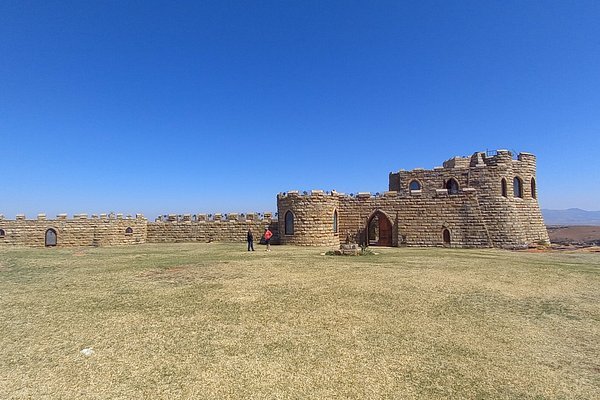
Best place to visit in Maputsoe

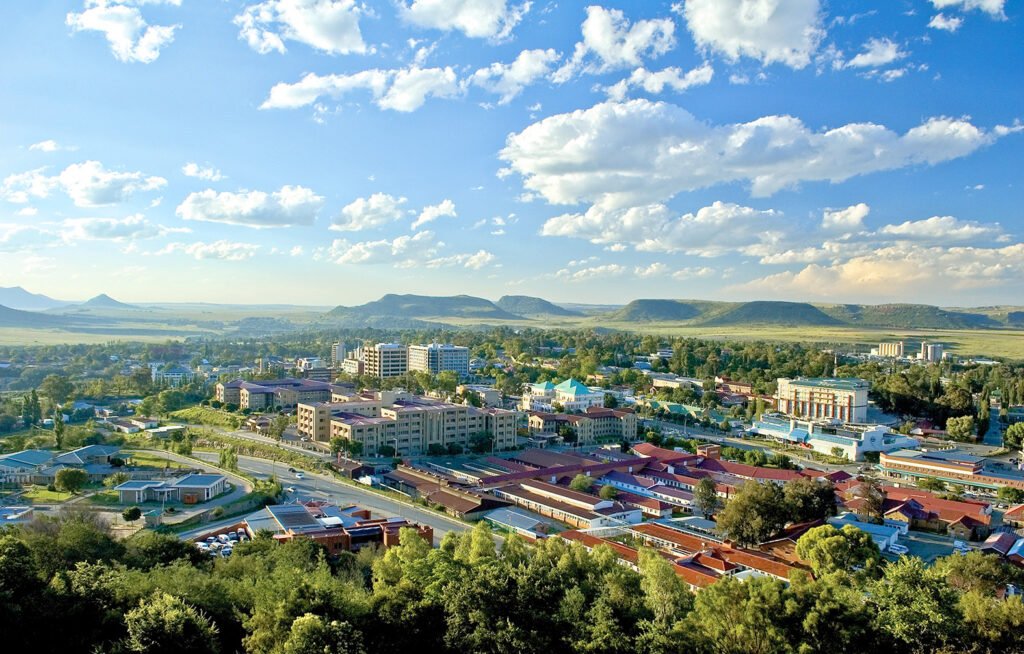
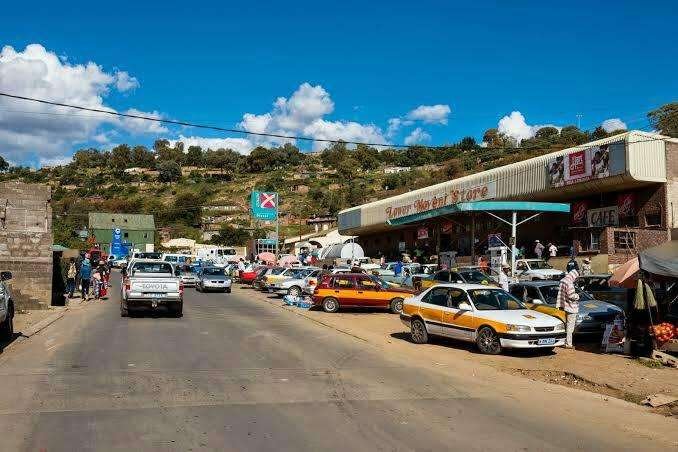
Maputsoe is one of Lesotho’s most important industrial and commercial towns, located in the northern part of the country near the border with South Africa. Situated in the Leribe District, Maputsoe serves as a major economic gateway connecting Lesotho with neighboring South African markets. The town is known for its thriving manufacturing sector, bustling trade activities, rich cultural heritage, and scenic surroundings.
Founded as a border trading center, Maputsoe grew rapidly due to its strategic location and economic importance. Over time, it became one of Lesotho’s leading industrial hubs while maintaining strong ties to traditional Basotho culture and rural communities. Today, visitors can explore markets, cultural attractions, historical sites, and nearby natural landscapes while experiencing one of the country’s most dynamic urban centers.
Maputsoe also serves as an excellent base for exploring northern Lesotho, including mountain regions, cultural villages, and ecological attractions that showcase the country’s remarkable diversity.
1. Maputsoe Border Market

Overview and History
Maputsoe Border Market is one of the busiest commercial centers in northern Lesotho. The market attracts traders, farmers, and shoppers from both Lesotho and South Africa, creating a vibrant atmosphere filled with cultural exchange and economic activity.
Visitors can browse fresh produce, traditional crafts, textiles, household goods, and locally produced products while experiencing the daily rhythm of life in the town.
Historically, cross-border trade has played a vital role in the growth of Maputsoe, helping transform it into a major commercial center.
2. Leribe Craft and Cultural Centre

Overview and History
Leribe Craft and Cultural Centre showcases the artistic talents and cultural traditions of the Basotho people.
Visitors can discover handmade baskets, woven rugs, pottery, jewelry, blankets, and traditional clothing created by local artisans. The center helps preserve cultural heritage while supporting economic opportunities for communities.
Many craft-making techniques displayed here have been passed down through generations and continue to represent an important part of Basotho identity.
3. Hlotse and Leribe Historical Sites

Overview and History
Leribe Historical Sites offer valuable insight into the development of northern Lesotho and the broader history of the Basotho nation.
Visitors can explore historical landmarks associated with colonial administration, traditional leadership, and regional development.
These sites highlight the important role that Leribe District played in shaping modern Lesotho.
4. Traditional Basotho Villages

Overview and History
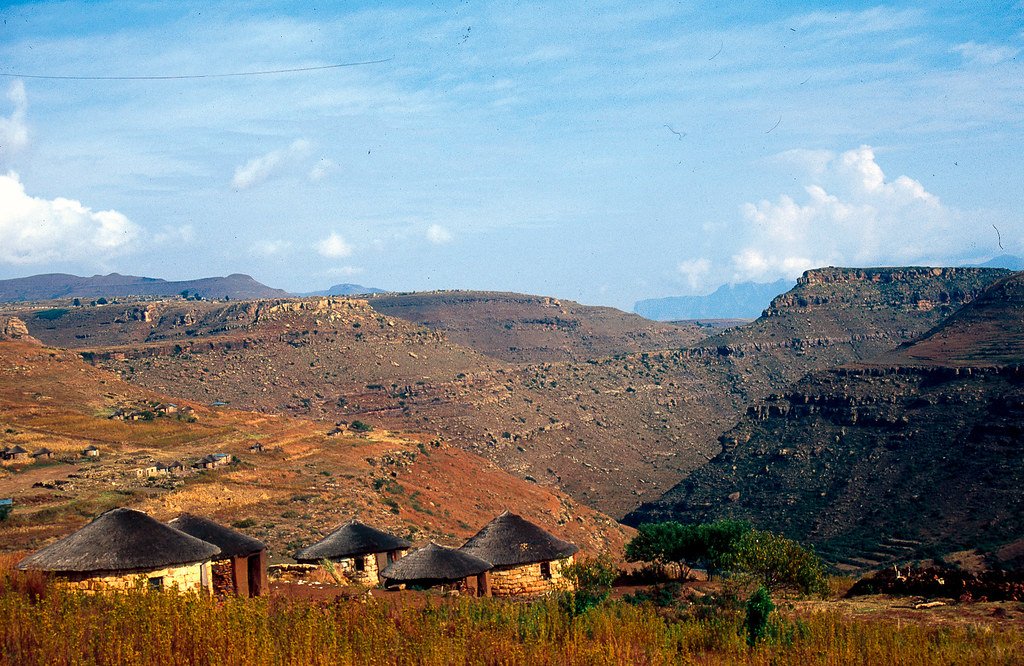
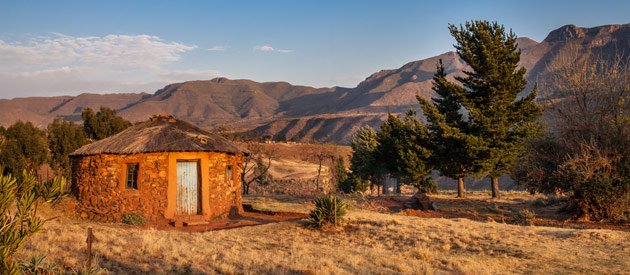
Traditional Basotho Villages provide authentic cultural experiences and opportunities to learn about local customs, architecture, and daily life.
Visitors can observe traditional rondavel houses, agricultural practices, livestock management, and community gatherings that reflect centuries-old traditions.
These villages continue to preserve cultural values and practices that remain central to Basotho society.
5. Caledon River Region

Overview and History
Caledon River Region is one of the area’s most important natural features. The river forms part of the border between Lesotho and South Africa and has supported agriculture, settlement, and trade for generations.
Visitors can enjoy scenic landscapes, birdwatching opportunities, and peaceful riverside views while learning about the river’s significance to local communities.
Historically, the river served as a key transportation and trade corridor connecting different regions.
6. Maputsoe Industrial District

Overview and History
Maputsoe Industrial District reflects the town’s importance as one of Lesotho’s leading economic centers.
The district contains textile factories, manufacturing facilities, warehouses, and businesses that contribute significantly to the national economy.
The growth of industry transformed Maputsoe from a small border settlement into a major urban center and employment hub.
7. Maloti Mountain Excursions

Overview and History
Maloti Mountain Excursions offer visitors access to some of Lesotho’s most beautiful highland scenery.
The mountains provide opportunities for hiking, photography, sightseeing, and cultural exploration while showcasing the dramatic landscapes that characterize the Kingdom in the Sky.
Historically, these mountains provided natural protection for Basotho communities and remain a powerful symbol of national identity.
8. Community Heritage Centers

Overview and History
Community Heritage Centers preserve local traditions, historical records, cultural artifacts, and educational exhibits.
Visitors can learn about Basotho customs, traditional leadership systems, historical events, and community development through informative displays.
These centers play an important role in protecting and promoting Lesotho’s cultural heritage.
9. Rural Countryside Trails

Overview and History
Rural Countryside Trails provide opportunities for hiking, horseback riding, photography, and cultural exploration.
The trails pass through villages, farmland, hills, and scenic landscapes, offering visitors an authentic experience of rural life in northern Lesotho.
Many of these routes have been used by local communities for generations.
10. Ts’ehlanyane National Park Excursions

Overview and History
Ts’ehlanyane National Park is one of Lesotho’s premier eco-tourism destinations and can be accessed from the Maputsoe region.
The park features indigenous forests, mountain streams, waterfalls, hiking trails, and diverse wildlife. Visitors can enjoy outdoor adventures while experiencing one of the country’s most pristine natural environments.
The area forms part of the larger Maloti-Drakensberg ecosystem and plays an important role in conservation and biodiversity protection.
Related artical : Best place to visit in Mohale’s Hoek