
Now Reading: Best place to visit in Peka
-
01
Best place to visit in Peka
Best place to visit in Peka

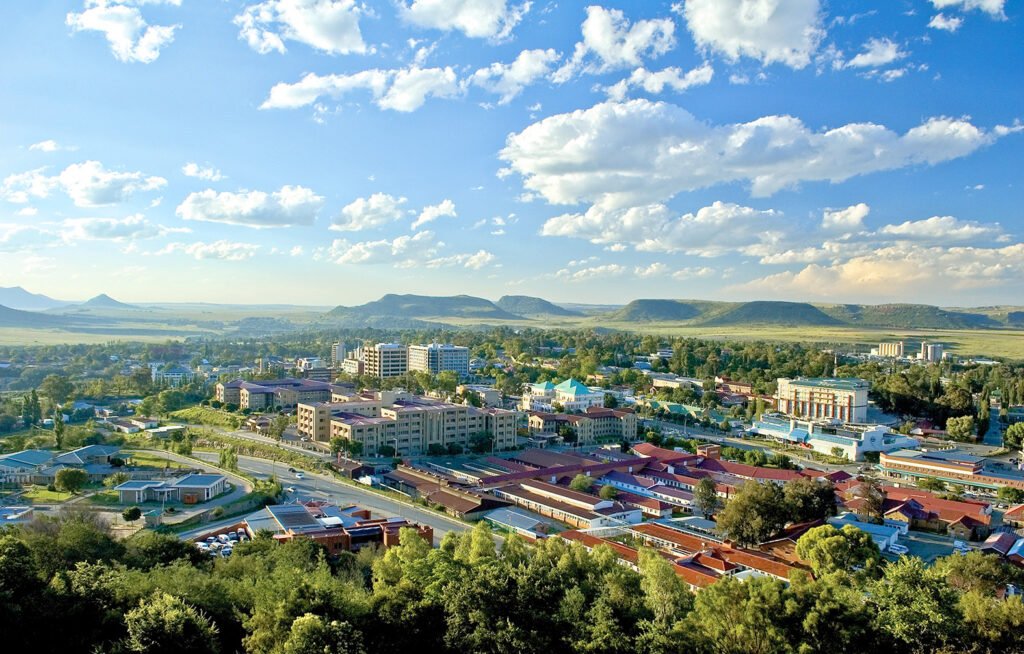
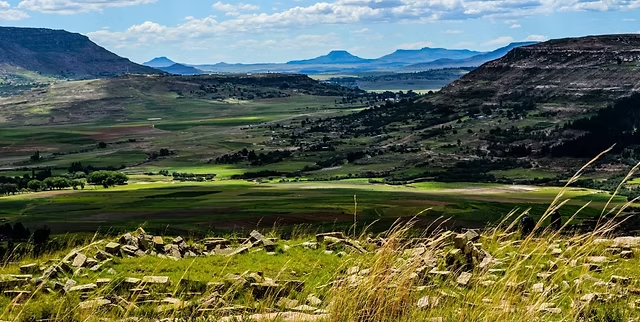
Peka is a charming town located in the Leribe District of northern Lesotho. Known for its peaceful rural atmosphere, rich Basotho culture, scenic landscapes, and historical importance, Peka offers visitors an authentic glimpse into everyday life in the Kingdom of Lesotho. Surrounded by rolling hills, fertile farmlands, traditional villages, and mountain scenery, the town serves as a gateway to some of the country’s most beautiful countryside.
Historically, Peka developed as an important agricultural and community center. The surrounding region has long supported farming and livestock rearing, which remain essential parts of local life today. The town is also known for its educational institutions, religious heritage, and strong cultural traditions that have been preserved for generations.
Visitors to Peka can explore traditional Basotho communities, scenic viewpoints, cultural attractions, historic churches, and nearby natural landscapes while experiencing the warmth and hospitality of local residents. Although quieter than some of Lesotho’s larger towns, Peka offers a rewarding travel experience for those interested in culture, history, and rural tourism.
1. Peka Mission Station
Overview and History
Peka Mission Station is one of the town’s most important historical landmarks. Established by Christian missionaries during the nineteenth century, the mission played a major role in introducing formal education, healthcare, and religious services to the region.
The mission became a center for community development and helped shape many aspects of modern life in northern Lesotho. Historic buildings, churches, and educational facilities associated with the mission continue to serve local communities today.
Visitors can explore the grounds and learn about the lasting impact of missionary activities on Basotho society and education.
2. Peka Valley

Overview and History
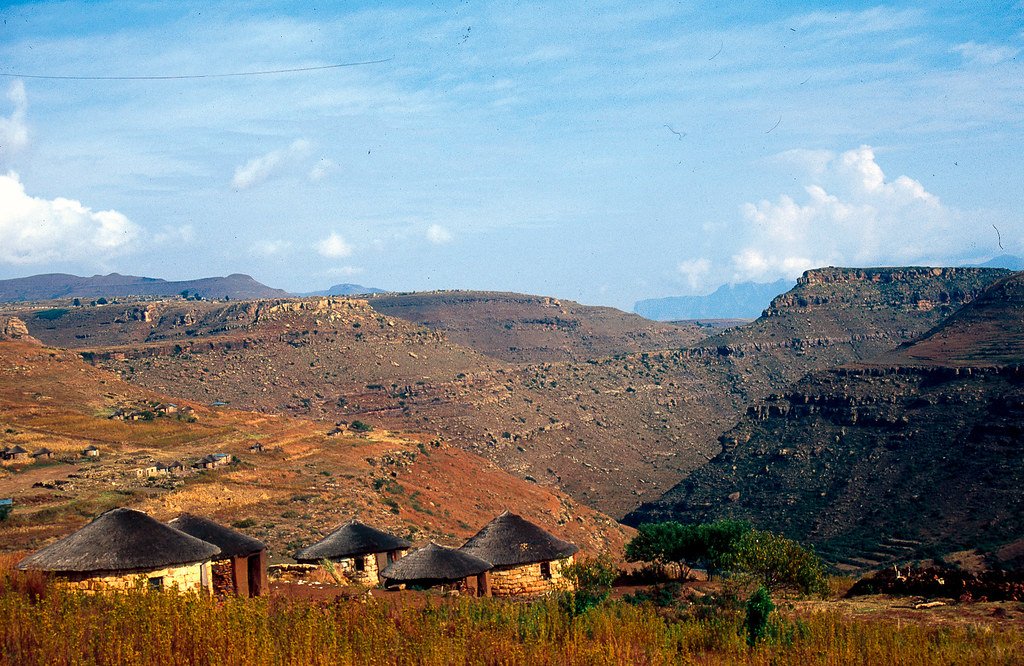
Peka Valley is one of the most beautiful natural areas surrounding the town. Characterized by fertile farmland, rolling hills, rivers, and traditional settlements, the valley showcases the agricultural heart of the region.
For centuries, local communities have relied on the valley’s fertile soil and water resources for farming and livestock grazing. The landscape changes throughout the seasons, creating beautiful scenery that attracts photographers and nature lovers.
Visitors can enjoy peaceful walks, scenic drives, and opportunities to observe rural life while appreciating the natural beauty of the area.
3. Traditional Basotho Villages
Overview and History
Traditional Basotho Villages provide visitors with authentic cultural experiences and insight into the daily lives of local residents.
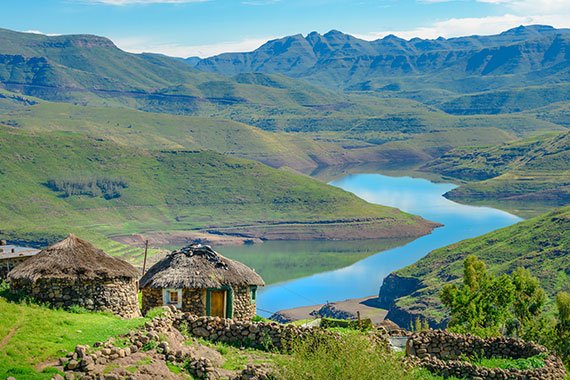
These villages feature traditional rondavel houses, agricultural activities, livestock farming, and cultural practices that have been passed down through generations. Visitors can learn about Basotho customs, traditional clothing, music, storytelling, and community values.
The villages remain an important part of Lesotho’s cultural identity and help preserve traditions that continue to shape rural life.
4. Leribe Highlands Viewpoints

Overview and History
Leribe Highlands Viewpoints offer spectacular panoramic views of mountains, valleys, rivers, and agricultural landscapes.
The elevated viewpoints provide excellent opportunities for photography and sightseeing while highlighting the natural beauty of northern Lesotho. Visitors can observe traditional settlements scattered across the countryside and appreciate the scale of the surrounding highlands.
Historically, these elevated locations served as important observation points for travelers and local communities.
5. Community Craft Centers

Overview and History
Community Craft Centers showcase the creativity and craftsmanship of local artisans.
Visitors can purchase handmade baskets, woven textiles, pottery, beadwork, and traditional Basotho blankets while supporting local communities. Many of these crafts are produced using techniques that have been passed down through generations.
The centers play an important role in preserving cultural heritage and promoting economic development through tourism.
6. Peka Main Market

Overview and History
Peka Main Market serves as the commercial heart of the town and surrounding communities.
Farmers, artisans, and traders gather to buy and sell fresh produce, livestock, textiles, household goods, and handmade crafts. The market provides visitors with an opportunity to experience local culture and interact with residents.
Markets have long played a vital role in Basotho society by supporting trade, communication, and community life.
7. Hlotse River Excursions

Overview and History
Hlotse River Excursions allow visitors to explore one of the region’s most important natural resources.
The river supports agriculture, wildlife, and local communities while creating attractive landscapes throughout the district. Visitors can enjoy nature walks, birdwatching, and photography along the riverbanks.
Historically, rivers such as the Hlotse have been essential for sustaining settlements and agricultural activities across northern Lesotho.
8. Educational Heritage Sites

Overview and History
Educational Heritage Sites highlight the town’s long-standing contribution to learning and community development.
Many schools established during the missionary era played a significant role in educating generations of Basotho students who later contributed to national development.
Visitors interested in education and social history can learn about the evolution of formal learning in the region and its impact on Lesotho.
9. Rural Hiking Trails

Overview and History
Rural Hiking Trails offer opportunities to explore the countryside on foot while enjoying beautiful scenery and cultural encounters.
The trails pass through villages, fields, rivers, and hills, providing insight into rural life and the natural environment of the district.
Many routes have been used for generations by residents traveling between communities and agricultural areas.
The combination of scenery and cultural interaction makes hiking in Peka particularly rewarding.
10. Cultural Heritage Centers

Overview and History
Cultural Heritage Centers preserve local traditions, historical records, and cultural artifacts.
Visitors can learn about Basotho customs, traditional leadership systems, family structures, and historical events that shaped the region.
These centers play a valuable role in preserving cultural identity and educating future generations about their heritage.
History of Peka
The history of Peka is closely linked to the development of northern Lesotho and the growth of Basotho communities in the Leribe District. The region has long been known for its fertile agricultural land, which supported farming and livestock production for generations.
During the nineteenth century, Christian missionaries established mission stations and schools in the area, helping introduce formal education and healthcare services. These institutions contributed significantly to social and economic development and strengthened Peka’s role as a regional center.
Throughout the twentieth century, the town continued to grow as an agricultural, educational, and community hub. Despite modernization, Peka has maintained strong connections to its cultural traditions and rural heritage.
Today, the town remains an important part of Lesotho’s cultural landscape, offering visitors a unique combination of history, education, and traditional Basotho life.
Related artical : Best place to visit in Semonkong