
Now Reading: Best place to visit in Sambava
-
01
Best place to visit in Sambava
Best place to visit in Sambava

Introduction
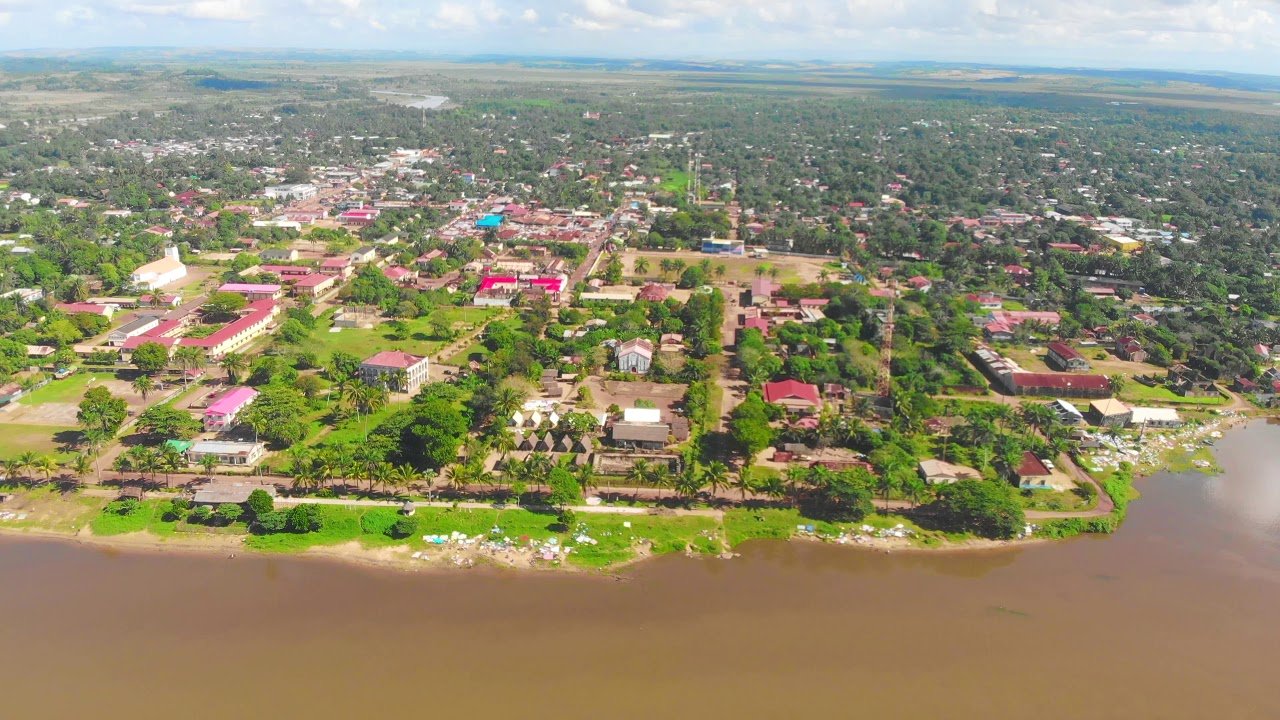
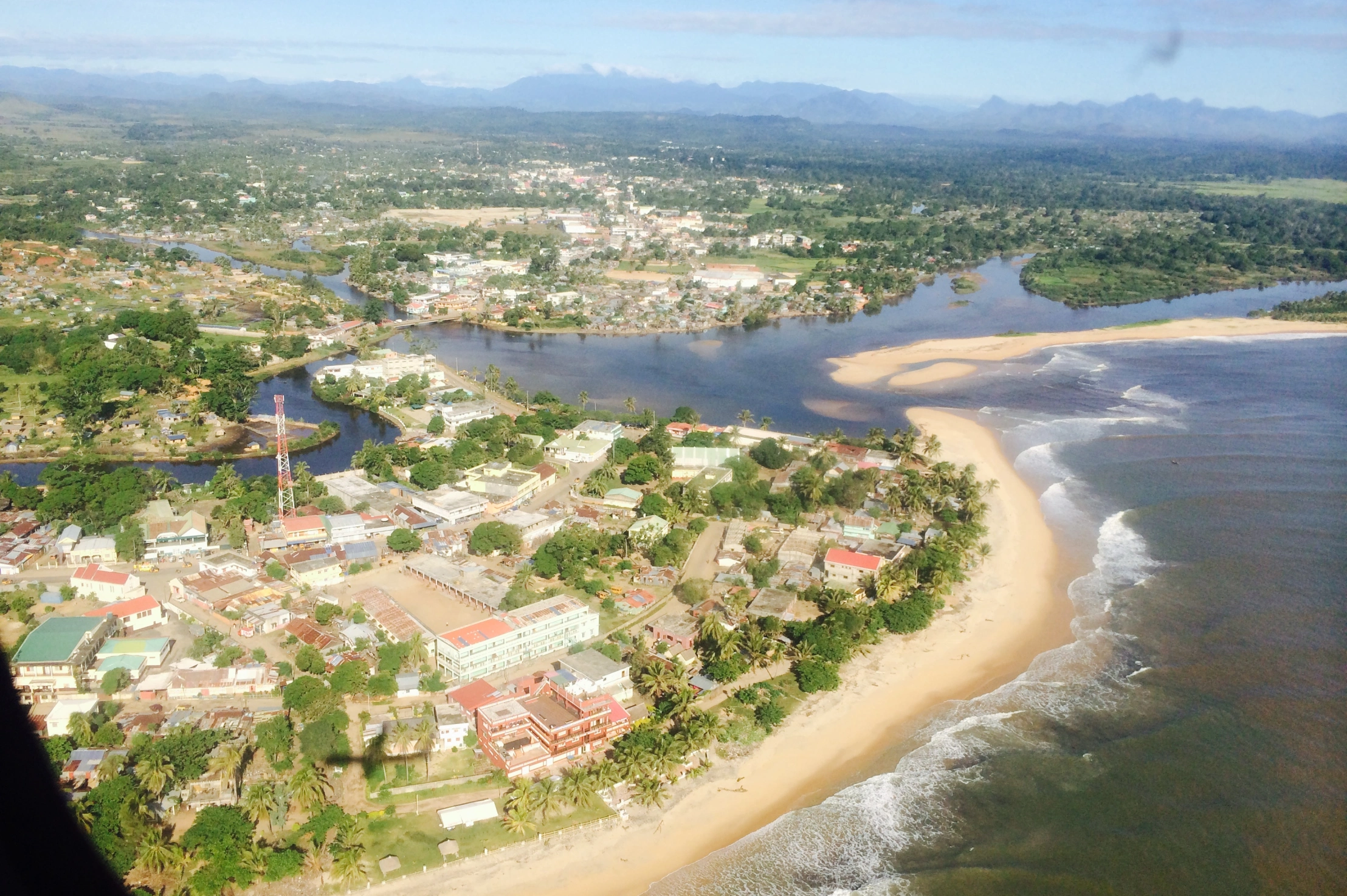
Sambava is a beautiful coastal city located on the northeastern coast of Madagascar. Often referred to as the “Vanilla Capital of the World,” Sambava is internationally famous for producing some of the finest vanilla beans available anywhere. Surrounded by lush rainforests, pristine beaches, tropical rivers, and fertile agricultural lands, the city offers visitors a unique combination of natural beauty and cultural richness.
As the largest city in the Sava Region, Sambava plays a central role in Madagascar’s vanilla industry and serves as a gateway to some of the country’s most spectacular national parks and nature reserves. The region’s tropical climate supports extraordinary biodiversity, making it one of the most ecologically important areas on the island.
Visitors are drawn to Sambava for its breathtaking landscapes, wildlife encounters, agricultural experiences, and authentic Malagasy culture. Whether exploring vanilla plantations, hiking through rainforests, or relaxing on beautiful beaches, travelers will discover one of Madagascar’s most rewarding destinations.
1. Sambava Beach

A Tropical Escape Along the Indian Ocean
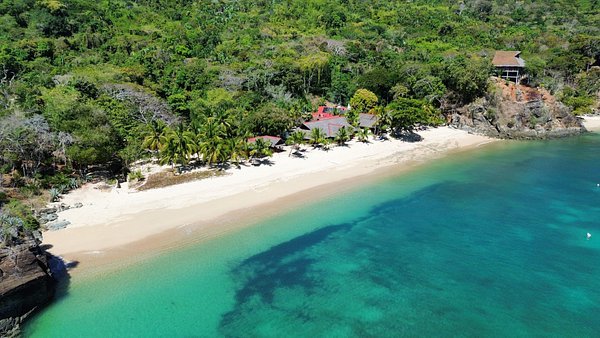
The stunning Sambava Beach stretches along the city’s coastline and offers visitors spectacular views of the Indian Ocean.
Golden sands, swaying coconut palms, and refreshing sea breezes create a peaceful tropical atmosphere. Visitors can enjoy relaxing walks, photography, and observing local fishing activities while admiring the natural beauty of the coastline.
The beach is especially beautiful during sunrise when the ocean reflects brilliant colors across the horizon.
It remains one of the most attractive coastal destinations in northeastern Madagascar.
2. Vanilla Plantations

Discovering the World’s Finest Vanilla
The famous Vanilla Plantations are among the city’s most important attractions.
Madagascar produces the majority of the world’s natural vanilla, and Sambava stands at the center of this industry. Visitors can tour plantations and learn about the cultivation, pollination, harvesting, and curing processes that transform vanilla orchids into one of the world’s most valuable spices.
The experience provides fascinating insight into the agricultural traditions that support the local economy.
It remains one of the most unique activities in the region.
3. Marojejy National Park

One of Madagascar’s Greatest Natural Treasures
The world-renowned Marojejy National Park is located near Sambava and is recognized as a UNESCO World Heritage Site.
The park protects spectacular mountain rainforests, waterfalls, rivers, and exceptional biodiversity. Visitors can encounter rare lemurs, chameleons, birds, and plant species found nowhere else on Earth.
Hiking trails lead through breathtaking landscapes ranging from lowland forests to high mountain peaks.
Marojejy is considered one of Madagascar’s premier destinations for ecotourism and wildlife observation.
4. Antalaha Excursion

Exploring the Vanilla Coast
The nearby Antalaha is another important center of vanilla production and an excellent destination for day trips from Sambava.
Visitors can explore plantations, beaches, and traditional communities while learning about the region’s agricultural heritage.
The scenic coastal journey between Sambava and Antalaha offers beautiful ocean views and lush tropical landscapes.
The excursion provides a deeper understanding of Madagascar’s famous vanilla industry.
5. Lokoho River

A Lifeline of the Region
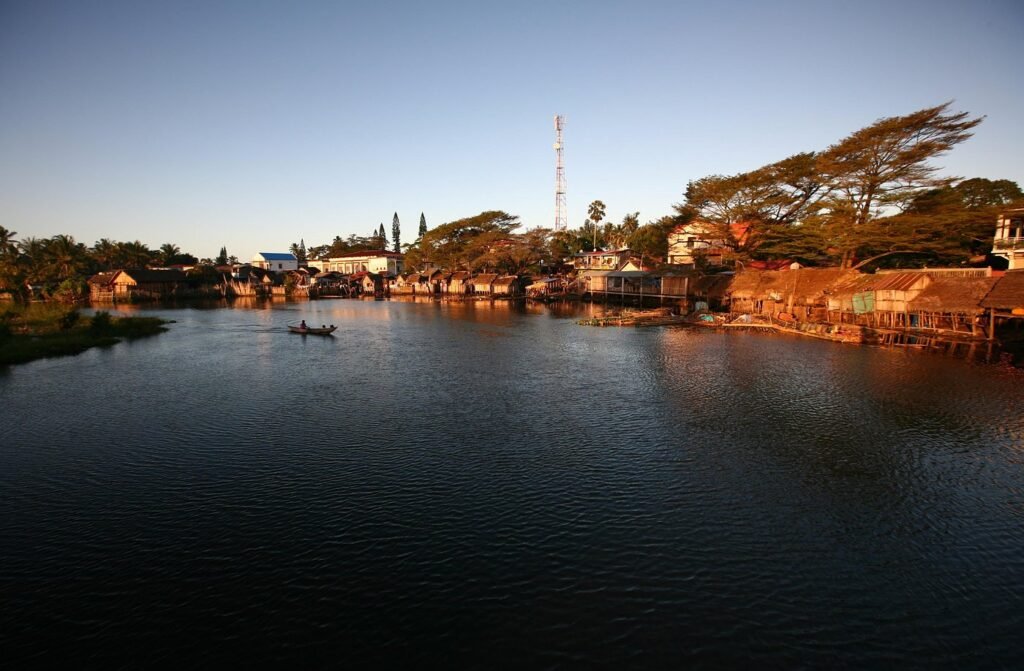
The beautiful Lokoho River flows through the region and supports local agriculture, transportation, and biodiversity.
Visitors can enjoy scenic river excursions while observing tropical vegetation, birdlife, and traditional riverside communities.
The river contributes significantly to the fertile landscapes that make vanilla cultivation possible.
It remains one of the region’s most important natural features.
6. Masoala National Park Excursions

Gateway to Madagascar’s Largest Protected Rainforest
The nearby Masoala National Park is one of the country’s most important conservation areas.
Although located farther south, many visitors use Sambava as a starting point for exploring this vast rainforest ecosystem.
The park contains exceptional biodiversity including lemurs, reptiles, birds, marine habitats, and rare plant species.
Its ecological importance makes it one of Madagascar’s greatest natural treasures.
7. Traditional Markets of Sambava

Experiencing Local Life and Commerce
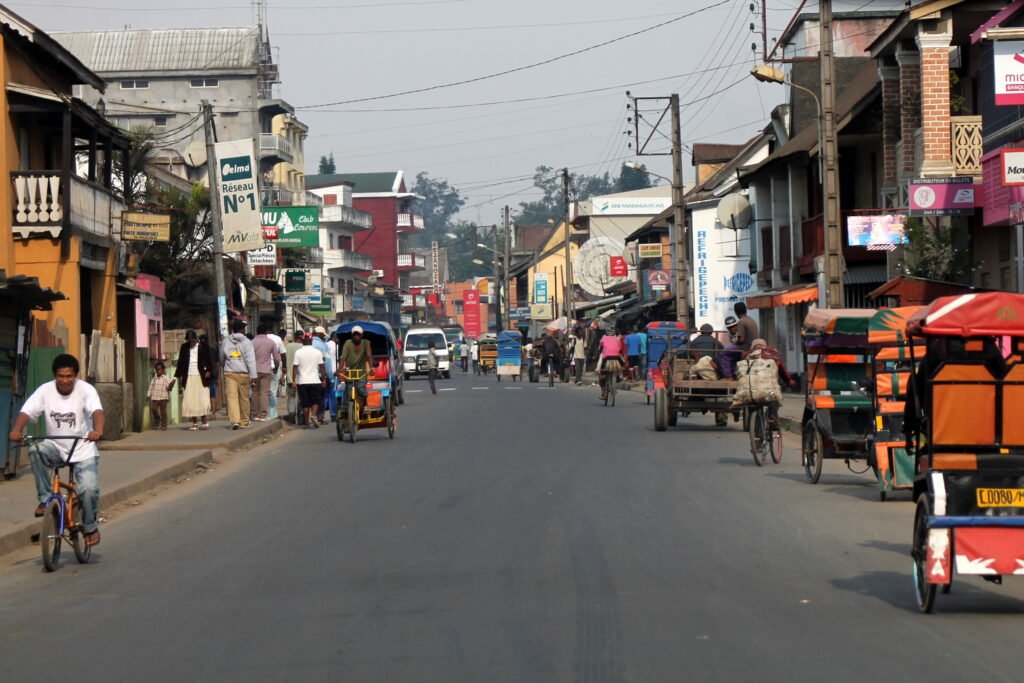
The vibrant Sambava Market is one of the best places to experience everyday life in the city.
Visitors can browse stalls selling vanilla, spices, tropical fruits, seafood, handicrafts, textiles, and traditional Malagasy products.
The lively atmosphere provides insight into local culture and commerce.
The market remains a central gathering place for residents and visitors alike.
8. Coconut Plantations

Exploring the Region’s Agricultural Riches
In addition to vanilla, the region surrounding Sambava is known for its extensive Coconut Plantations.
Visitors can explore agricultural landscapes filled with coconut palms and learn about local farming practices.
These plantations contribute significantly to the regional economy and create beautiful tropical scenery.
They add to the agricultural diversity of northeastern Madagascar.
9. Rainforest Waterfalls

Hidden Gems of the Tropical Forest
The rainforests surrounding Sambava contain numerous Rainforest Waterfalls that reward adventurous travelers.
Visitors can hike through lush forests to discover cascading waterfalls surrounded by extraordinary biodiversity.
The cool waters and scenic landscapes provide refreshing escapes from the tropical climate.
These natural attractions showcase the region’s remarkable beauty.
10. Cultural Festivals and Vanilla Celebrations

Celebrating the Region’s Most Famous Product
Various Vanilla Festivals and Cultural Celebrations highlight the importance of vanilla and local traditions.
Visitors can enjoy music, dance, agricultural exhibitions, food, and community events that celebrate the region’s cultural identity.
These festivals provide memorable opportunities to experience Malagasy hospitality and traditions.
They remain an important part of community life in Sambava.
Related artical : Best place to visit in Farafangana