
Now Reading: Best place to visit in Thaba-Tseka
-
01
Best place to visit in Thaba-Tseka
Best place to visit in Thaba-Tseka

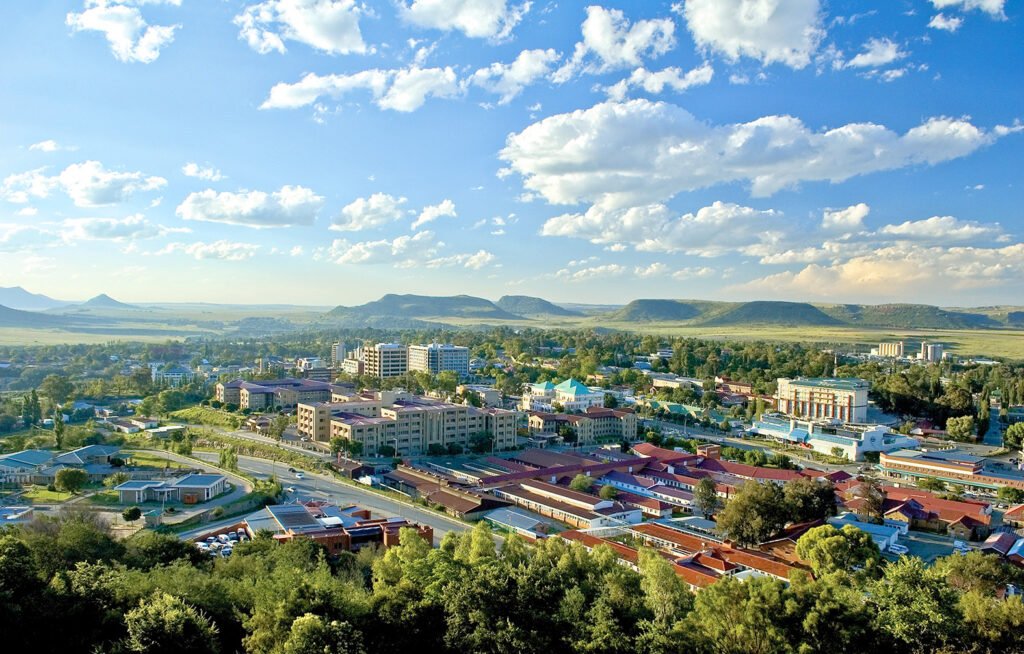
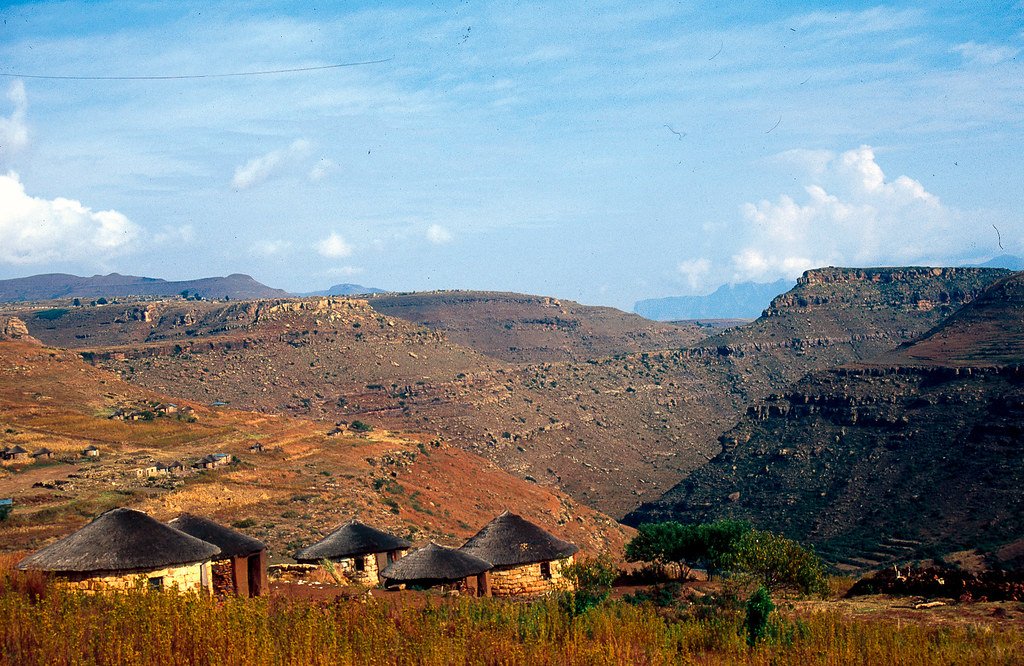
Thaba-Tseka is one of the most remote, rugged, and breathtaking destinations in Lesotho. Located in the heart of the country’s central highlands, it serves as the capital of the Thaba-Tseka District and is surrounded by dramatic mountains, deep river valleys, vast plateaus, and traditional Basotho settlements. The town lies within one of the most spectacular mountain regions in southern Africa and offers visitors a unique opportunity to experience the natural beauty and cultural heritage of the Kingdom in the Sky.
The district is known for its stunning landscapes, which include some of the highest inhabited areas in Africa. Due to its remote location and mountainous terrain, Thaba-Tseka has preserved much of its traditional culture and rural lifestyle. Visitors are often captivated by the region’s untouched wilderness, scenic mountain passes, and the hospitality of the Basotho people.
Historically, the area played an important role in the development of Lesotho’s highland communities and later became a key location for the ambitious Lesotho Highlands Water Project. Today, Thaba-Tseka attracts adventurers, hikers, photographers, and travelers seeking authentic cultural experiences in one of Africa’s most beautiful mountain regions.
1. Katse Dam

Overview and History
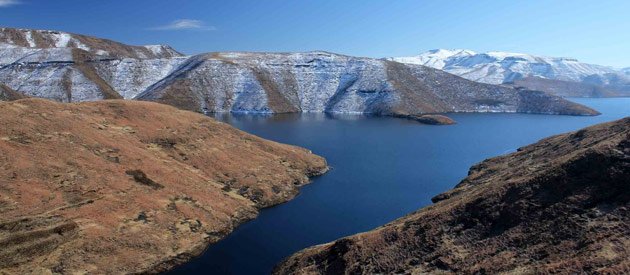
Katse Dam is one of Africa’s most impressive engineering achievements and the centerpiece of the Lesotho Highlands Water Project.
Completed in the 1990s, the dam stands over 180 meters high and creates a vast reservoir surrounded by spectacular mountain scenery. The project was designed to supply water to South Africa while generating hydroelectric power and promoting economic development in Lesotho.
Visitors can tour the dam, learn about its construction, and enjoy breathtaking views of the reservoir and surrounding mountains. The site has become one of the country’s most important tourist attractions and a symbol of modern engineering excellence.
The combination of technological achievement and natural beauty makes Katse Dam a must-visit destination.
2. Katse Botanical Garden

Overview and History
Katse Botanical Garden is the highest botanical garden in southern Africa and showcases the unique plant species found in Lesotho’s highland ecosystems.
Established to preserve and study indigenous flora affected by the construction of Katse Dam, the garden contains a diverse collection of alpine plants, wildflowers, medicinal herbs, and rare mountain species.
Visitors can explore educational trails while learning about the ecological importance of Lesotho’s high-altitude environments.
The garden serves as both a conservation center and an important educational resource.
3. Mohale Dam Excursions

Overview and History
Mohale Dam is another major component of the Lesotho Highlands Water Project and one of the largest dams in the country.
The reservoir is surrounded by dramatic mountain landscapes that create some of the most spectacular scenery in Lesotho. Visitors can enjoy scenic drives, photography, and educational tours explaining the significance of the project.
The dam has contributed significantly to national development and regional cooperation while creating new opportunities for tourism.
Its vast waters contrast beautifully with the surrounding highland terrain.
4. Maloti Mountains

Overview and History
Maloti Mountains dominate the landscape of the district and form one of southern Africa’s most spectacular mountain systems.
For centuries, these mountains have shaped the history, culture, and identity of the Basotho people. Their rugged terrain provided protection during times of conflict and supported the development of unique highland communities.
Today, the mountains attract hikers, photographers, horse trekkers, and nature enthusiasts who come to experience their extraordinary beauty.
The panoramic views offered by the Maloti Mountains are among the finest in Africa.
5. Bokong Nature Reserve

Overview and History
Bokong Nature Reserve is one of Lesotho’s most important protected areas and a haven for wildlife, rare plants, and alpine ecosystems.
The reserve is famous for the beautiful Lepaqoa Waterfall, mountain wetlands, and scenic hiking trails. Visitors can enjoy birdwatching, photography, and nature walks while exploring the high-altitude environment.
The reserve plays an important role in preserving biodiversity and protecting the fragile ecosystems of the Lesotho Highlands.
Its untouched landscapes make it a favorite destination for eco-tourism.
6. Senqu River Valley

Overview and History
Senqu River Valley is one of the most impressive natural landscapes in the country.
The Senqu River, known internationally as the Orange River, flows through dramatic valleys and mountain terrain before continuing its long journey across southern Africa. The river has supported human settlement, agriculture, and transportation for centuries.
Visitors can enjoy spectacular viewpoints, hiking opportunities, and scenic drives while exploring this remarkable region.
The valley remains one of Lesotho’s most important geographical features.
7. Traditional Basotho Highland Villages

Overview and History
Traditional Basotho Highland Villages provide authentic cultural experiences and opportunities to learn about life in the mountains.
Many communities continue to practice traditional agriculture, livestock herding, and craft production while preserving customs that have been passed down for generations.
Visitors can observe traditional architecture, cultural ceremonies, and daily activities that reflect the enduring heritage of the Basotho people.
These villages offer valuable insight into one of Africa’s most distinctive mountain cultures.
8. Mountain Horseback Trails
Overview and History
Mountain Horseback Trails offer one of the most authentic ways to explore the region.
For generations, horses and ponies have been essential for transportation across Lesotho’s rugged terrain. Many remote communities remain accessible primarily by horseback.
Visitors can ride through mountain passes, valleys, rivers, and villages while experiencing the landscapes that define the Kingdom in the Sky.
Horse trekking remains one of the most popular adventure activities in the district.
9. Highland Hiking Routes

Overview and History
Highland Hiking Routes provide access to some of the most remote and spectacular landscapes in southern Africa.
The trails pass through mountains, rivers, grasslands, and traditional settlements, offering visitors unforgettable opportunities for exploration and photography.
Many routes follow ancient pathways used by shepherds and traders for centuries.
The combination of natural beauty and cultural heritage makes hiking in Thaba-Tseka particularly rewarding.
10. Thaba-Tseka Town Center

Overview and History
Thaba-Tseka Town Center serves as the administrative and commercial heart of the district.
The town developed significantly during the construction of the Lesotho Highlands Water Project, which brought infrastructure improvements and economic opportunities to the region.
Visitors can explore local markets, shops, government facilities, and cultural attractions while experiencing daily life in one of Lesotho’s highest and most remote towns.
The town remains an important service center for surrounding mountain communities.
History of Thaba-Tseka
The history of Thaba-Tseka is closely linked to the development of Lesotho’s highland communities. For centuries, Basotho families established settlements throughout the region’s mountains and valleys, relying on livestock farming, agriculture, and trade to sustain their livelihoods.
The district’s remote geography provided protection during periods of conflict and helped preserve traditional customs and social structures. Throughout the colonial period, Thaba-Tseka remained relatively isolated, contributing to the survival of many aspects of traditional Basotho culture.
The most significant transformation occurred during the late twentieth century with the construction of the Lesotho Highlands Water Project. Major infrastructure developments, roads, dams, and economic initiatives brought new opportunities while preserving much of the region’s natural beauty.
Today, Thaba-Tseka stands as one of Lesotho’s most important highland districts, balancing modern development with cultural preservation and environmental conservation.
Related artical : Best place to visit in Butha-Buthe