
Now Reading: Best place to visit in Tuzla
-
01
Best place to visit in Tuzla
Best place to visit in Tuzla

Tuzla is one of the most distinctive and fascinating cities in Bosnia and Herzegovina, offering visitors a remarkable combination of rich history, vibrant culture, unique salt lakes, beautiful public squares, museums, and authentic Bosnian hospitality. Located in northeastern Bosnia and Herzegovina, Tuzla is the country’s third-largest city and serves as an important center of education, culture, industry, and tourism.
The city’s name originates from the Turkish word for salt, reflecting a history deeply connected to salt production that stretches back thousands of years. Tuzla is one of the few cities in Europe built upon extensive salt deposits, a feature that has shaped its economy, architecture, and identity for centuries.
Today, Tuzla is known for its youthful atmosphere, multicultural heritage, scenic parks, lively cafés, and especially its famous artificial salt lakes, which attract visitors from across the Balkans and beyond.
Whether you’re interested in history, culture, architecture, nature, or simply experiencing a unique destination away from the typical tourist routes, Tuzla offers an unforgettable journey into one of Bosnia and Herzegovina’s hidden gems.
1. Pannonian Lakes – Tuzla’s Most Famous Attraction

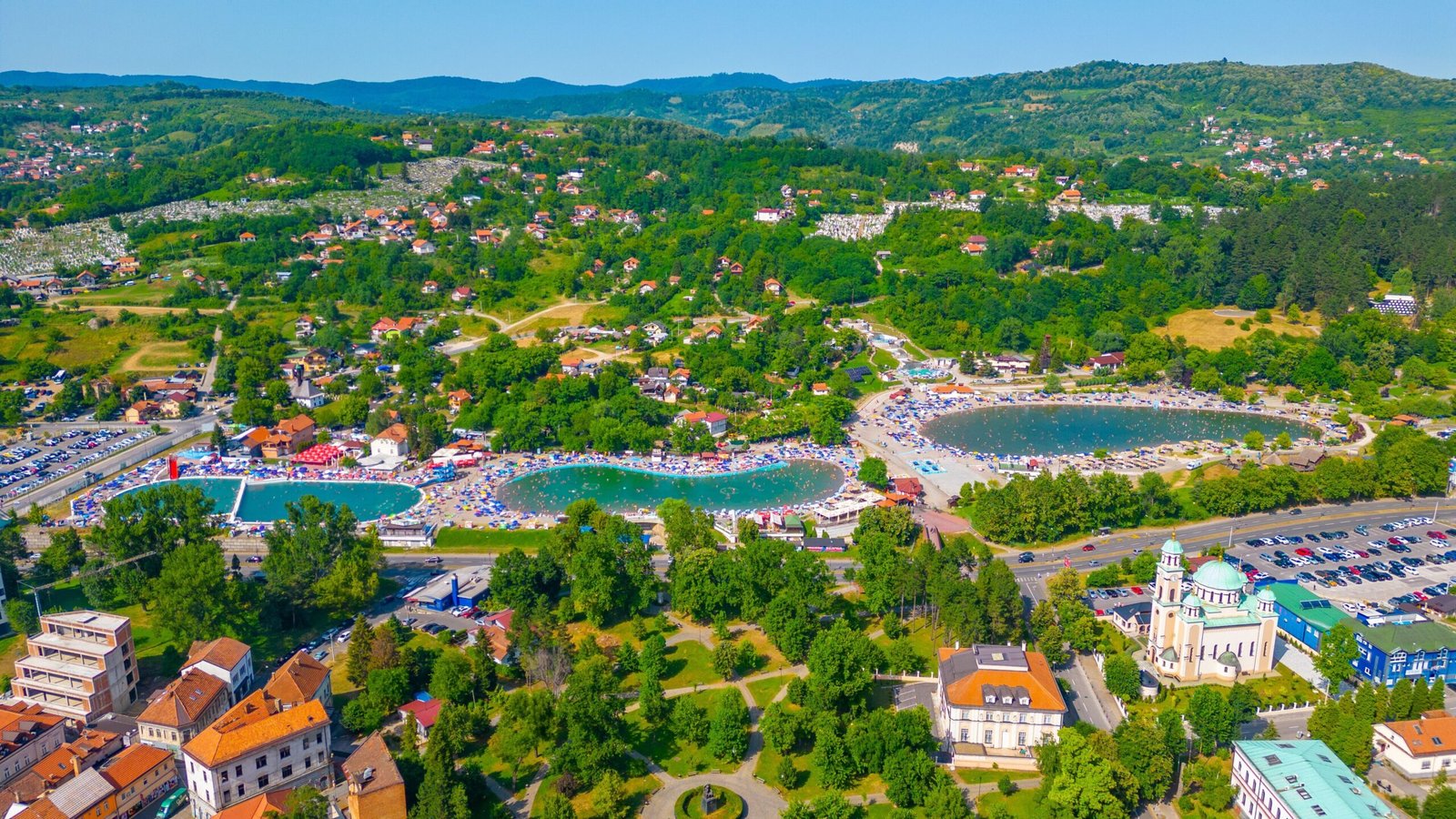
The city’s greatest attraction is undoubtedly the spectacular Pannonian Lakes.
These unique artificial salt lakes are located in the heart of the city and are among the most extraordinary urban recreational complexes in Europe.
Filled with mineral-rich saltwater, the lakes provide visitors with opportunities for swimming, relaxation, sunbathing, and recreation in an environment that resembles a seaside resort despite being hundreds of kilometers from the coast.
The complex includes beaches, waterfalls, recreational facilities, restaurants, and entertainment venues.
During the summer months, the Pannonian Lakes become the social and tourism center of Tuzla.
2. Freedom Square – The Heart of Modern Tuzla

At the center of city life lies the vibrant Freedom Square.
As one of the largest public squares in Bosnia and Herzegovina, it serves as a gathering place for residents and visitors throughout the year.
Surrounded by cafés, restaurants, shops, and cultural institutions, the square hosts concerts, festivals, exhibitions, and community events.
Visitors can relax while observing daily life in one of the country’s most energetic cities.
Its lively atmosphere perfectly reflects the spirit of Tuzla.
3. Salt Museum – Discovering Tuzla’s Ancient Heritage

To understand the city’s unique identity, visitors should explore the fascinating Museum of Eastern Bosnia and its exhibits dedicated to Tuzla’s salt-mining heritage.
The museum showcases archaeological discoveries, historical documents, traditional tools, and cultural artifacts that tell the story of salt production spanning thousands of years.
Visitors gain valuable insight into how salt shaped the development of Tuzla and the surrounding region.
The exhibits provide an educational journey through one of the city’s defining industries.
The museum remains an important cultural institution.
4. Old Town – Walking Through Tuzla’s History

The charming historic district of Tuzla offers visitors an opportunity to explore centuries of architectural and cultural heritage.
Traditional buildings, narrow streets, historic mosques, public monuments, and preserved urban spaces reveal the city’s Ottoman and Austro-Hungarian influences.
Walking through the area provides insight into the multicultural history that has shaped Tuzla over generations.
Visitors can discover hidden corners, local shops, and authentic cultural experiences.
The district reflects the rich diversity of Bosnian heritage.
5. Kapija Memorial – A Place of Reflection

One of the city’s most important memorial sites is the Kapija Memorial.
The memorial honors victims of a tragic event that occurred during the Bosnian War and serves as a place of remembrance and reflection.
Visitors can learn about the city’s recent history and the resilience of its people.
The site holds significant emotional importance for residents.
It stands as a symbol of peace and remembrance.
6. Atik Mosque – A Historic Religious Landmark

Among Tuzla’s most important historical monuments is the beautiful Atik Mosque.
Dating back to the Ottoman period, the mosque showcases traditional Islamic architecture and serves as a reminder of the city’s rich religious heritage.
Visitors can admire its elegant design and peaceful surroundings while learning about Tuzla’s cultural diversity.
The mosque remains an active place of worship.
Its historical significance makes it an important stop for travelers.
7. Slana Banja Park – Tuzla’s Green Oasis

The beautiful Slana Banja Park offers a peaceful retreat from the city’s busy streets.
Featuring walking paths, gardens, monuments, recreational areas, and scenic viewpoints, the park is popular among locals and tourists alike.
Visitors can enjoy jogging, cycling, photography, and relaxation in a natural setting.
The park also hosts cultural and community events throughout the year.
Its greenery contributes significantly to Tuzla’s quality of life.
8. Tuzla City Museum – Exploring Local Culture

History and culture enthusiasts will appreciate the city’s museums and galleries that preserve the heritage of the region.
Collections include archaeological artifacts, ethnographic exhibits, historical photographs, traditional crafts, and artworks reflecting the development of Tuzla through the centuries.
Visitors gain a deeper understanding of the people, traditions, and historical events that shaped the city.
These cultural institutions play an important role in preserving local identity.
They enrich the visitor experience significantly.
9. Panoramic Views and Surrounding Hills

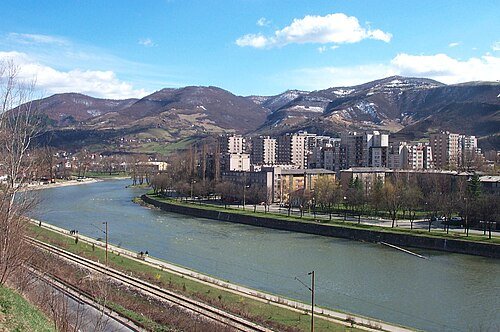
The hills surrounding Tuzla offer beautiful viewpoints overlooking the city and the wider region.
Visitors can enjoy scenic drives, hiking opportunities, and photography while admiring the contrast between urban landscapes and natural surroundings.
The elevated viewpoints provide excellent perspectives of the city’s unique geography.
Nature lovers will appreciate the tranquility and beauty of the area.
The surrounding landscapes enhance Tuzla’s appeal as a travel destination.
10. Bosnian Cuisine and Tuzla’s Café Culture

Tuzla is a wonderful destination for food lovers.
Visitors can enjoy traditional Bosnian dishes such as ćevapi, burek, dolma, grilled meats, homemade breads, and delicious desserts prepared according to local traditions.
The city also boasts a vibrant café culture where residents gather to socialize over traditional Bosnian coffee.
Restaurants and cafés throughout the city provide warm hospitality and authentic culinary experiences.
Dining in Tuzla offers a perfect introduction to Bosnian culture and lifestyle.
Related artical : Best place to visit in Zadar