
Now Reading: Best place to visit in Zwedru
-
01
Best place to visit in Zwedru
Best place to visit in Zwedru

Introduction
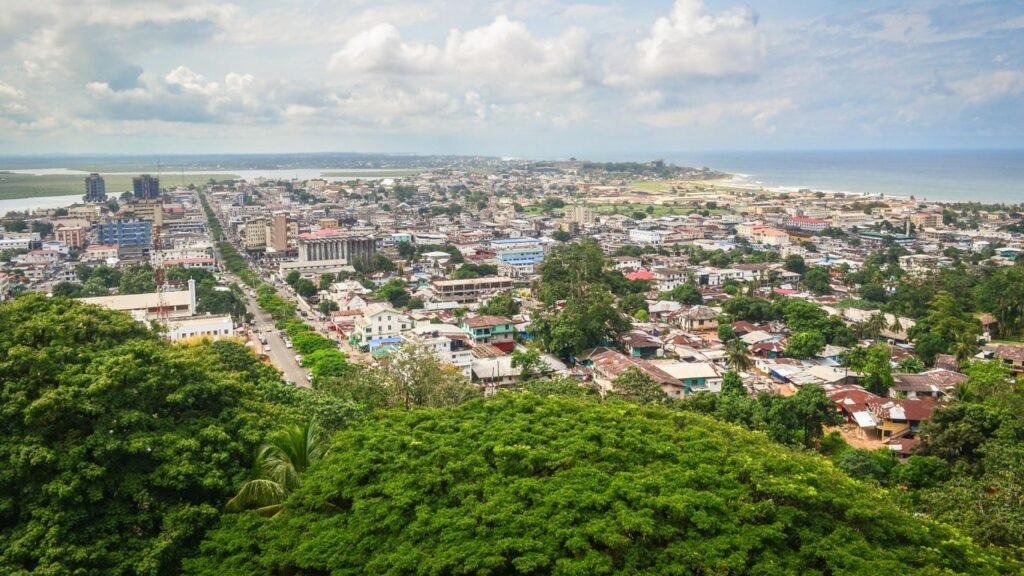
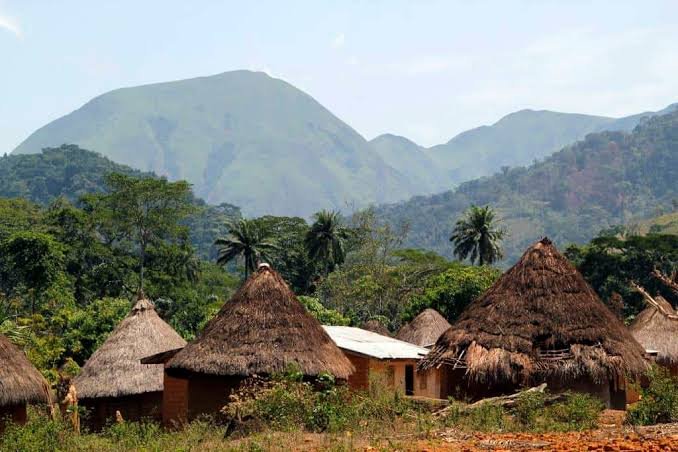
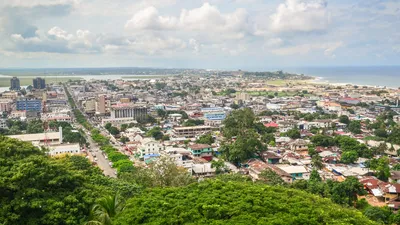
Zwedru is one of Liberia’s largest inland cities and serves as the capital of Grand Gedeh County. Located in the southeastern region of the country, Zwedru is surrounded by lush tropical forests, fertile agricultural lands, rivers, and diverse wildlife habitats. Often referred to as the “Green Heart of Liberia,” the city is known for its natural beauty, cultural diversity, historical significance, and growing role in regional development.
As one of the most important urban centers outside Monrovia, Zwedru serves as a hub for government administration, education, commerce, transportation, and agriculture. The city’s strategic location near Liberia’s forested interior has made it an important center for trade and communication for generations.
Today, Zwedru offers visitors a unique opportunity to experience Liberia’s natural landscapes, traditional cultures, and ongoing economic development while exploring one of the country’s most fascinating regions.
History of Zwedru
The history of Zwedru is closely connected to the indigenous communities that have inhabited southeastern Liberia for centuries. The region is home to several ethnic groups, including the Krahn people, whose traditions, customs, and social structures have played a major role in shaping local identity.
Long before modern Liberia was established, communities in the area relied on farming, hunting, fishing, and regional trade. The dense forests surrounding Zwedru provided resources that supported local livelihoods and cultural practices.
During the twentieth century, improved transportation networks and government investment helped transform Zwedru into an important administrative and commercial center. The city’s role expanded further as Liberia developed its educational institutions, healthcare facilities, and regional infrastructure.
Although affected by periods of national conflict, Zwedru experienced significant reconstruction and development following the restoration of peace. Today, it stands as a symbol of resilience, community strength, and economic potential.
1. Grand Gedeh Administrative Center

Overview and History
The administrative district of Zwedru serves as the political and governmental center of Grand Gedeh County.
Government offices, public institutions, and regional service centers are located throughout the city, supporting local governance and development initiatives. These facilities play a vital role in delivering education, healthcare, infrastructure, and community services.
The administrative center reflects Zwedru’s importance as one of Liberia’s key regional capitals.
Visitors can observe how local government contributes to development and public administration in southeastern Liberia.
2. Zwedru Central Market

Overview and History
Zwedru Central Market is the commercial heart of the city.
Farmers, traders, and artisans from surrounding communities gather here to sell agricultural products, clothing, handicrafts, household goods, and locally produced foods. The market serves as a major economic engine for the region and provides insight into daily life in southeastern Liberia.
For generations, the market has functioned as both a commercial center and a social gathering place where people exchange news, ideas, and cultural traditions.
Visitors can experience authentic Liberian commerce while supporting local businesses.
3. Krahn Cultural Heritage

Overview and History
The region surrounding Zwedru is strongly associated with the Krahn People, one of Liberia’s major ethnic communities.
The Krahn possess a rich cultural heritage characterized by traditional ceremonies, music, dance, storytelling, masks, and community celebrations. These customs have been preserved through generations and continue to influence social life throughout Grand Gedeh County.
Visitors interested in cultural tourism can learn about local traditions, craftsmanship, and community values while gaining a deeper understanding of Liberia’s ethnic diversity.
The preservation of Krahn culture remains an important source of pride throughout the region.
4. Tropical Rainforest Landscapes

Overview and History
One of Zwedru’s greatest attractions is its proximity to vast tropical rainforests that cover much of southeastern Liberia.
These forests contain extraordinary biodiversity, including rare plant species, birds, mammals, reptiles, and insects. The ecosystems provide valuable environmental services while supporting local communities through sustainable resource use.
For centuries, the forests have shaped the economic and cultural life of the region.
Nature enthusiasts can explore these landscapes while appreciating one of West Africa’s most important ecological zones.
5. Agricultural Communities

Overview and History
Agriculture remains a cornerstone of life in the Zwedru region.
Farmers cultivate rice, cassava, cocoa, coffee, vegetables, and palm products using both traditional and modern methods. The fertile soil and favorable climate support agricultural productivity throughout the county.
Generations of farming families have contributed to the region’s economic stability and food security.
Visitors can learn about rural livelihoods and agricultural practices that continue to sustain local communities.
6. Local Educational Institutions

Overview and History
Education plays an increasingly important role in the development of Zwedru.
Schools, vocational training centers, and community education programs help prepare young people for careers in business, agriculture, healthcare, public service, and other sectors.
The expansion of educational opportunities has contributed significantly to social progress and economic development in the region.
Visitors can observe the important role education plays in shaping Liberia’s future.
7. Community Life and Traditions

Overview and History
Community life in Zwedru remains deeply connected to family relationships, traditional leadership structures, and cultural customs.
Festivals, ceremonies, weddings, and community gatherings provide opportunities for social interaction and cultural expression. Traditional values continue to influence daily life despite increasing modernization.
Visitors often find the warmth and hospitality of local residents to be among the most memorable aspects of their experience.
These traditions help maintain strong social bonds throughout the region.
8. Regional Transportation Center

Overview and History
Zwedru serves as an important transportation hub for southeastern Liberia.
Road networks connect the city to neighboring counties and facilitate the movement of goods, services, and people throughout the region. Improved transportation infrastructure has supported economic growth and increased accessibility.
The city’s strategic location has contributed significantly to its development as a commercial and administrative center.
Transportation remains essential to regional trade and communication.
9. Forest-Based Industries

Overview and History
The forests surrounding Zwedru have long contributed to the local economy through sustainable forestry and natural resource management.
Timber, non-timber forest products, and conservation initiatives have created employment opportunities while emphasizing environmental stewardship.
Efforts to balance economic development with conservation continue to shape the region’s future.
Visitors interested in environmental management can learn about the challenges and opportunities associated with forest resources.
10. Modern Growth and Development
Overview and History
Modern Zwedru continues to expand through investments in infrastructure, healthcare, education, telecommunications, and commerce.
New businesses, public facilities, and community projects contribute to improving living standards and creating economic opportunities. The city has become a focal point for development initiatives aimed at strengthening southeastern Liberia.
Despite modernization, Zwedru has maintained its connection to traditional culture and natural landscapes.
Its ongoing transformation reflects the broader progress occurring throughout Liberia.
Related artical : Best place to visit in Kakata