
Now Reading: Top 5 place to visit in Faranah
-
01
Top 5 place to visit in Faranah
Top 5 place to visit in Faranah
🏛️ 1. Faranah City – The Historic Heart of Central Guinea

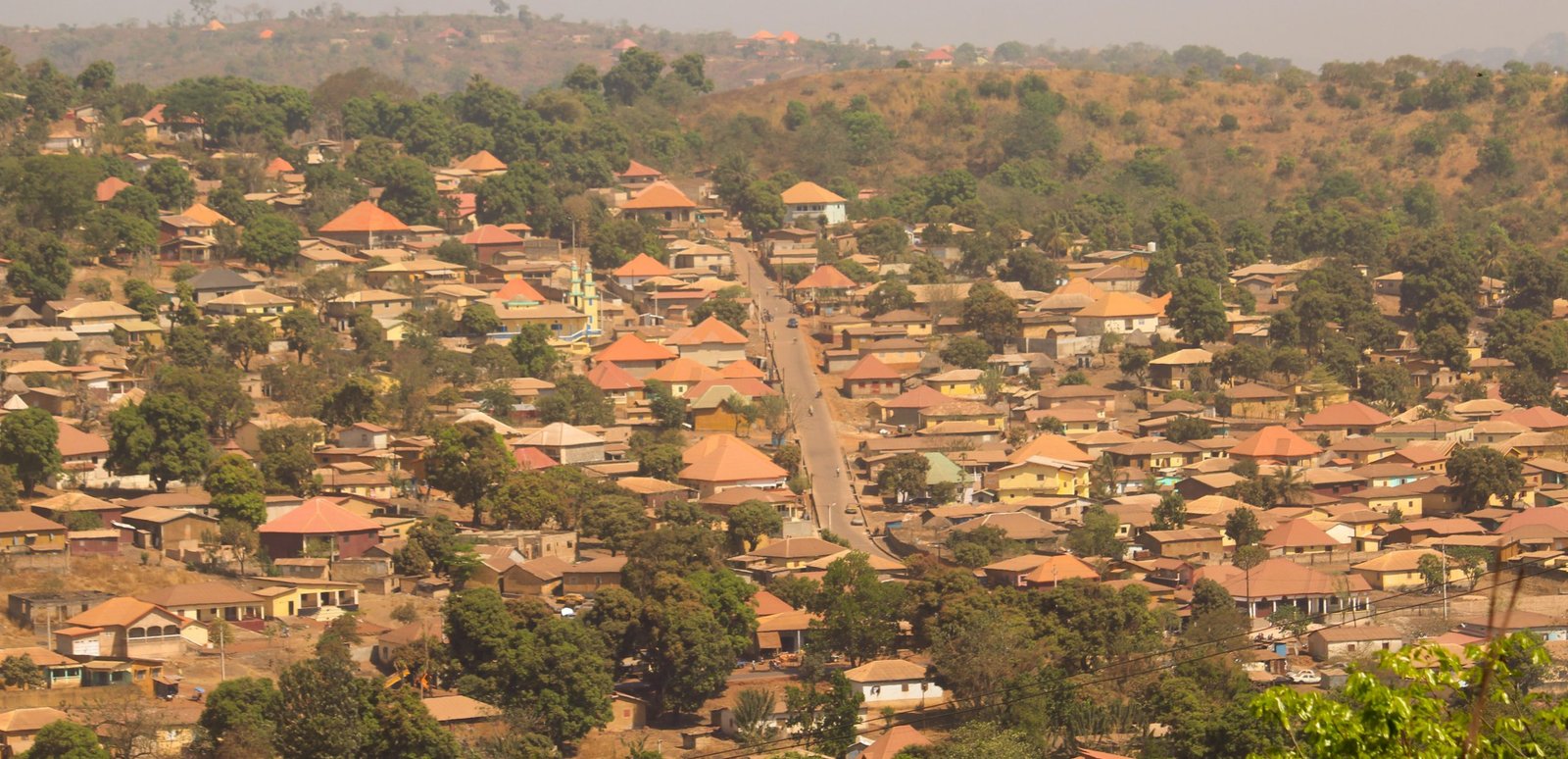
Faranah is one of the most historically important cities in Guinea, located in the central part of the country among savannah plains, rivers, forests, and rural communities. The city is widely known as the birthplace of Guinea’s first president, Ahmed Sékou Touré, and remains an important symbol of the country’s political and cultural history.
Faranah has long served as a center of trade, agriculture, and transportation connecting different regions of Guinea. The city combines peaceful rural surroundings with lively local markets, traditional neighborhoods, and cultural traditions that reflect the diversity of inland Guinea.
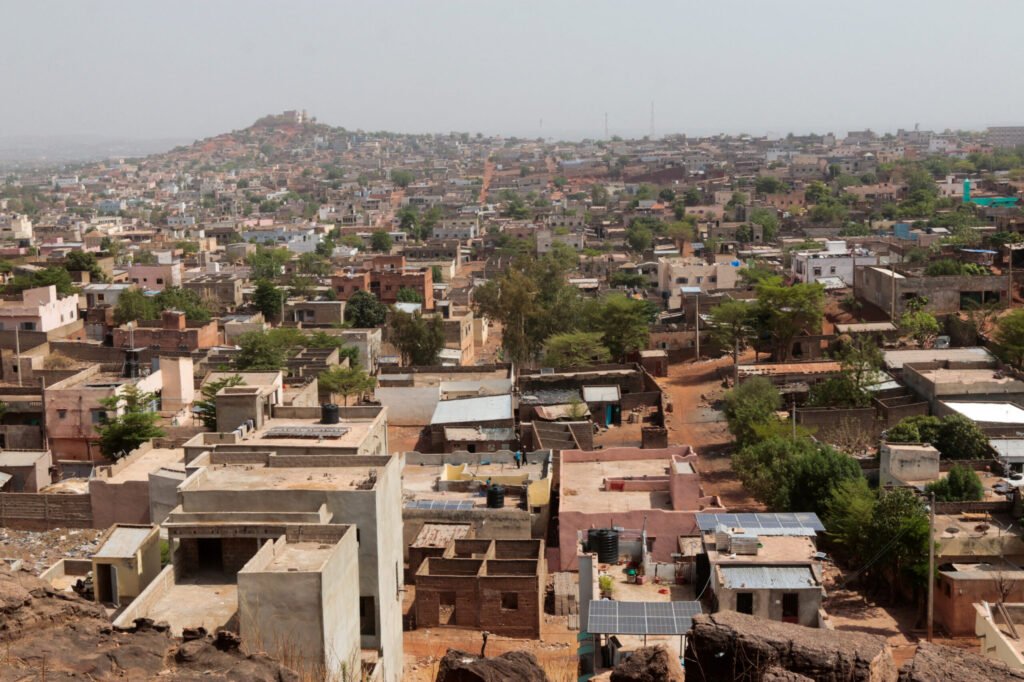
Visitors exploring Faranah can experience authentic Guinean life far from crowded coastal cities. Streets are filled with colorful fabrics, local foods, fresh produce, and friendly communities that preserve strong family and cultural values.
The calm atmosphere and rich historical identity make Faranah one of Guinea’s most meaningful inland destinations.
🌊 2. The Niger River Source Region – The Lifeline of West Africa

One of the most remarkable natural features near Faranah is its connection to the famous Niger River, one of Africa’s greatest rivers. The upper regions near Faranah contain important tributaries and water systems connected to the river’s origins within Guinea’s highlands.
The rivers surrounding Faranah support agriculture, fishing, transportation, and village life throughout the region. During the rainy season, the landscapes become lush and green while rivers expand across the fertile plains.
Visitors traveling through the countryside can observe peaceful riverbanks, traditional fishing communities, and beautiful savannah scenery shaped by the flow of water through central Guinea. The rivers also provide important habitats for birds and wildlife throughout the region.
The connection to the Niger River gives Faranah great environmental and historical significance within West Africa.
🌾 3. Savannah Landscapes & Rural Life – The Natural Beauty of Central Guinea

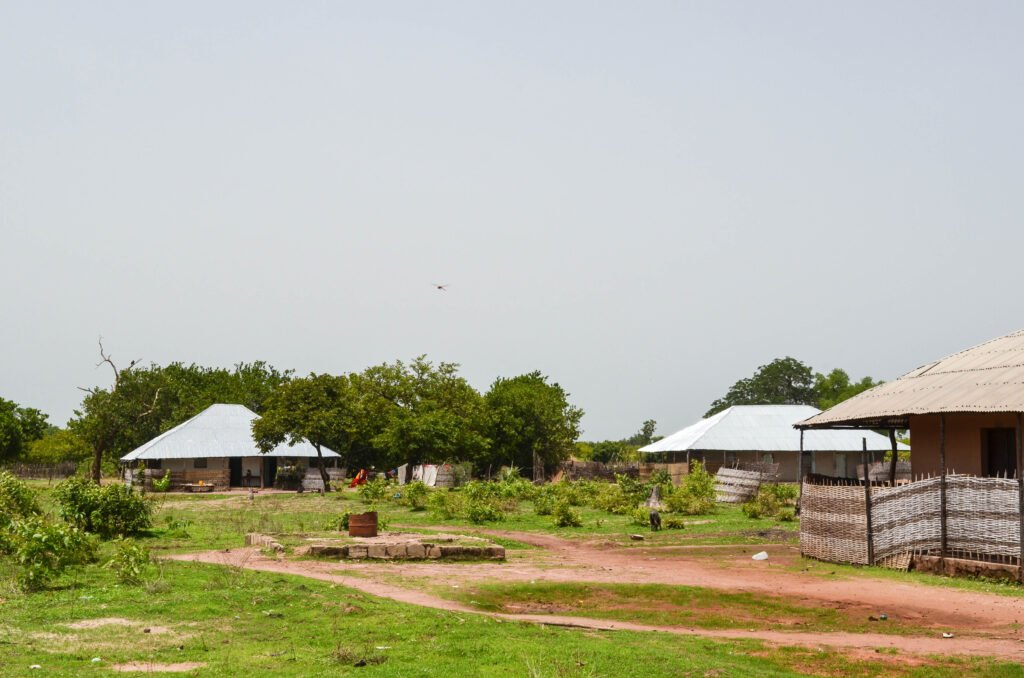
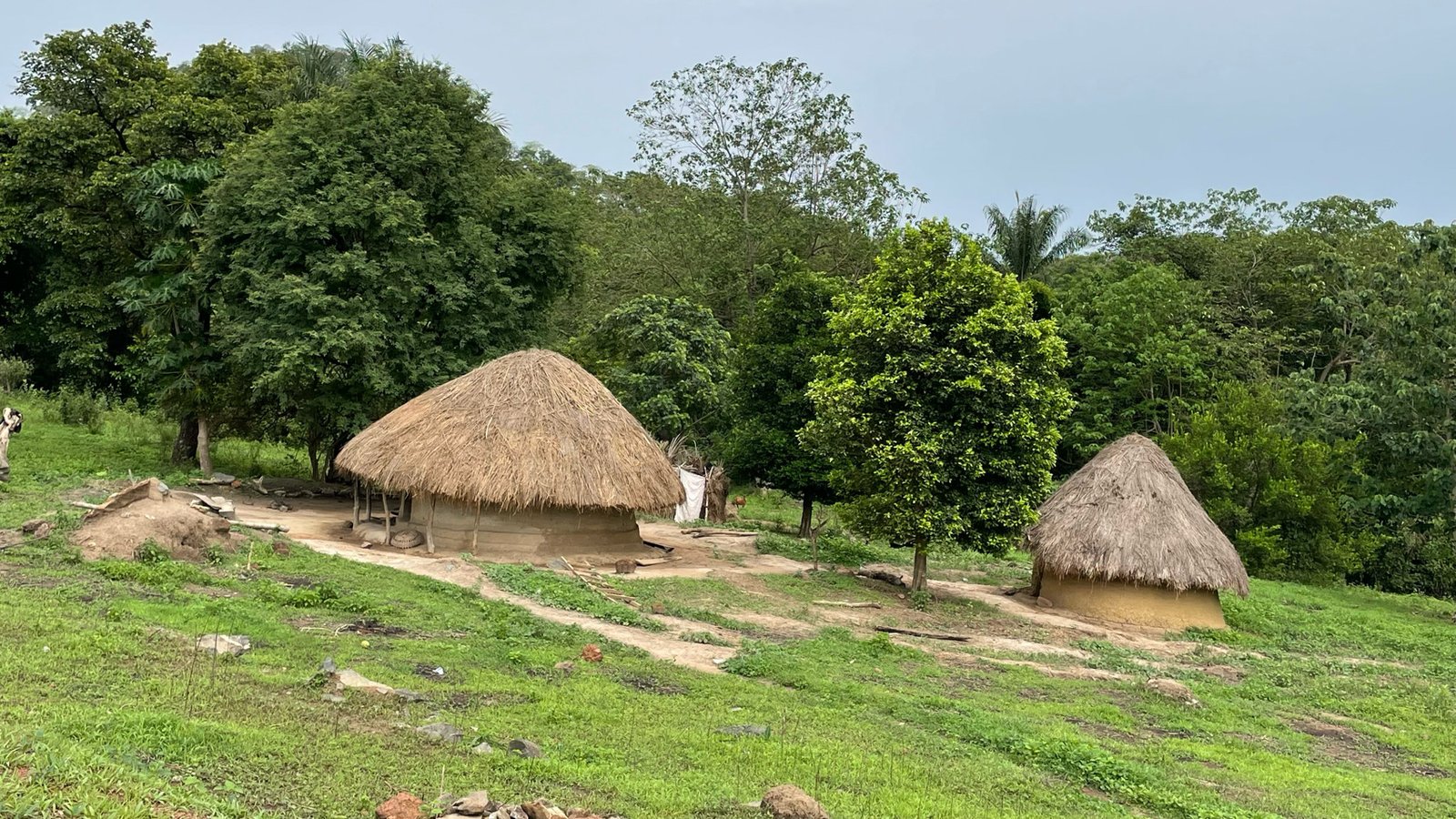
The landscapes surrounding Faranah are characterized by wide savannah plains, rolling hills, forests, and fertile agricultural lands that stretch across central Guinea. The region’s warm climate and rich soil support farming communities that have lived in harmony with nature for generations.
Travelers exploring the countryside can witness traditional village life where farming, fishing, and livestock remain central to daily activities. Rice fields, millet farms, peanut plantations, and grazing cattle create peaceful rural scenery beneath large African skies.
The savannah becomes especially beautiful during sunrise and sunset when golden light spreads across the open plains and distant trees. During the rainy season, green vegetation transforms the region into a vibrant tropical landscape filled with rivers and wildlife.
The untouched beauty of Faranah’s countryside offers visitors an authentic experience of Guinea’s natural environment.
🎭 4. Traditional Culture, Music & Markets – The Living Spirit of Faranah

Faranah is rich in cultural traditions shaped by the many ethnic groups living throughout central Guinea. Music, dance, storytelling, and oral history remain deeply connected to community life and social celebrations.
Traditional drums, songs, and dances are often performed during weddings, festivals, and cultural gatherings, reflecting Guinea’s reputation as one of West Africa’s most musically vibrant nations. Oral storytellers continue to preserve local history and traditions through generations.
Markets in Faranah are lively centers of trade and social interaction where visitors can find handmade crafts, colorful textiles, spices, jewelry, fresh fruits, and traditional foods. The warm hospitality of local people creates a welcoming atmosphere throughout the city and surrounding villages.
The strong cultural identity of Faranah gives the region its unique charm and authenticity.
🦁 5. Upper Niger National Park – Guinea’s Wildlife Treasure

Upper Niger National Park is one of Guinea’s most important protected natural areas and lies near the Faranah region. The park contains forests, rivers, savannahs, and wetlands that support a wide variety of wildlife and plant species.
Animals such as monkeys, antelopes, birds, reptiles, and many tropical species inhabit the protected landscapes. The park also plays a major role in environmental conservation and the protection of Guinea’s biodiversity.
Nature lovers visiting the region can experience peaceful wilderness areas, birdwatching opportunities, and beautiful river scenery within one of West Africa’s lesser-known natural reserves. The untouched environment offers a rare glimpse into Guinea’s ecological richness.
The national park highlights the importance of Faranah within Guinea’s natural heritage.
Related artical :Top 5 place to visit in Mamou