Now Reading: Top 5 place to visit in Mamou
-
01
Top 5 place to visit in Mamou
Top 5 place to visit in Mamou
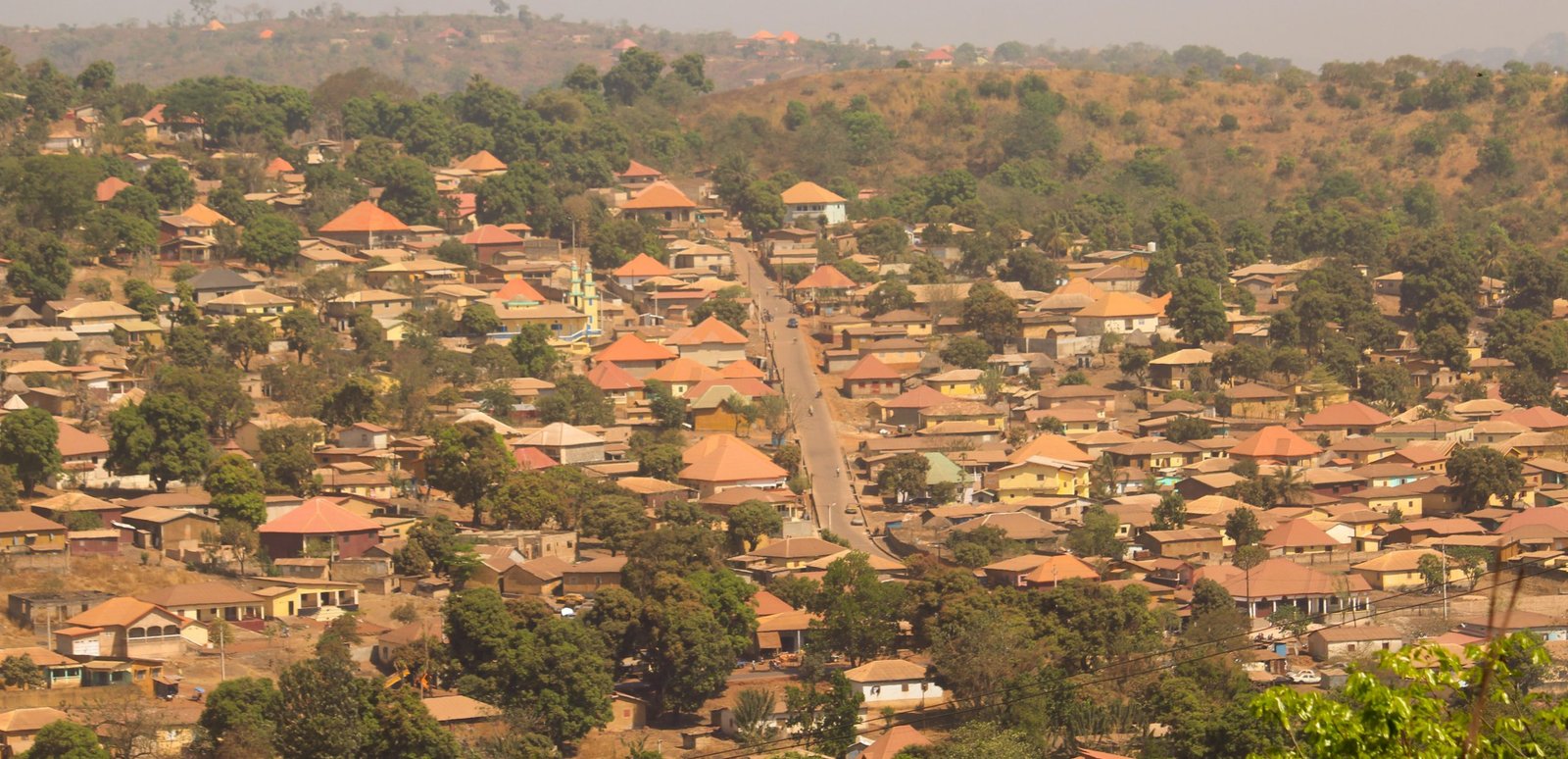
🏛️ 1. Mamou City – The Gateway to the Fouta Djallon Highlands

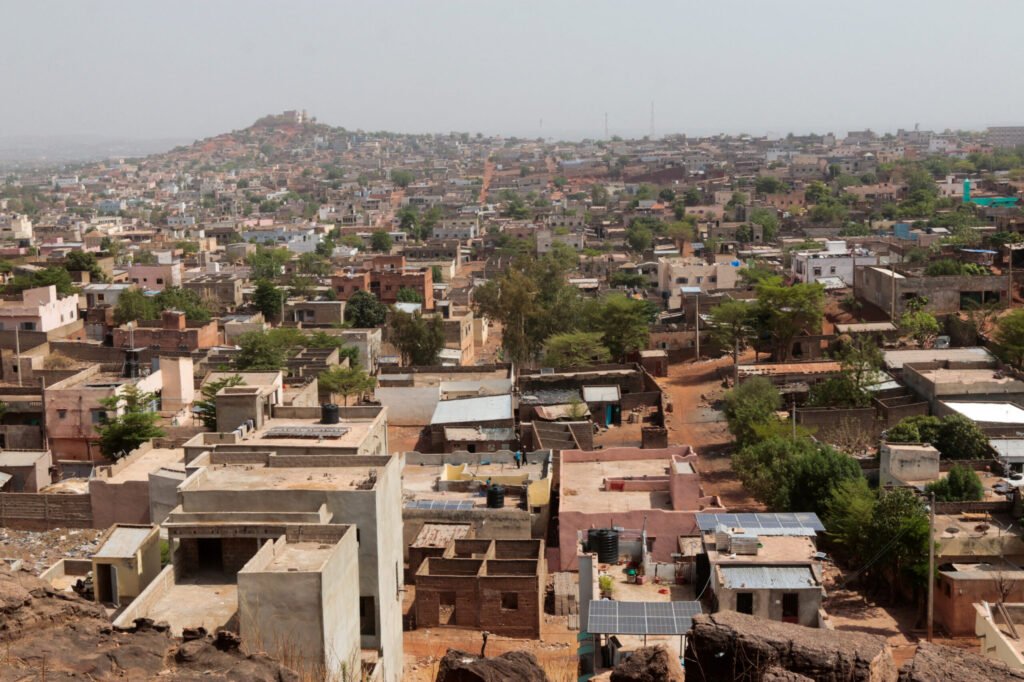
Mamou is one of Guinea’s most important inland cities, located at the crossroads of major roads connecting the country’s coastal regions with the mountainous interior. Surrounded by rolling green hills, valleys, forests, and rivers, Mamou is often called the “Gateway to the Fouta Djallon” because of its strategic location within Guinea’s central highlands.
The city is known for its relaxed atmosphere, cool mountain climate, and rich cultural diversity shaped by Fulani traditions and the many travelers who pass through the region. Markets are filled with colorful fabrics, fresh agricultural products, handmade crafts, and local foods that reflect the traditions of Guinea’s interior communities.
Mamou also serves as an important transportation and trading center where merchants, farmers, and travelers gather from across the surrounding regions. Despite its growing development, the city maintains a peaceful environment surrounded by natural beauty and traditional village life.
Mamou perfectly combines highland scenery, cultural richness, and authentic Guinean hospitality.
⛰️ 2. Fouta Djallon Landscapes – The Green Highlands of Guinea

Fouta Djallon surrounds the Mamou region with breathtaking mountain scenery and fertile highland landscapes. Rolling hills, rivers, cliffs, forests, and grassy plateaus stretch across the horizon, creating one of West Africa’s most beautiful natural environments.
The region enjoys cooler temperatures than Guinea’s coastal areas due to its high elevation, making the landscapes fresh, green, and pleasant throughout much of the year. During the rainy season, waterfalls flow through valleys while mist drifts across the mountains beneath dramatic tropical skies.
Travelers exploring the highlands around Mamou can enjoy scenic drives, hiking, photography, and visits to peaceful rural communities hidden among the hills. The untouched beauty and calm atmosphere make the region ideal for nature lovers and adventure travelers seeking authentic experiences far from crowded tourist destinations.
The highland landscapes surrounding Mamou are among Guinea’s greatest natural treasures.
🌊 3. Rivers & Water Sources – The Lifeblood of West Africa

The mountains surrounding Mamou are part of the famous water-rich region of the Fouta Djallon, often called the “water tower of West Africa.” Many important rivers begin in these highlands before flowing across Guinea and neighboring countries.
Small rivers, streams, and waterfalls flow through the valleys surrounding Mamou, creating fertile farmland and beautiful natural scenery. The sound of moving water combined with cool mountain air gives the region a peaceful and refreshing atmosphere.
Local communities have depended on these rivers for agriculture, transportation, and daily life for generations. During the rainy season, the landscapes become especially vibrant as rivers swell and green vegetation spreads across the hillsides.
The abundance of water and fertile land has made the Mamou region an important agricultural and ecological area within Guinea.
🐄 4. Fulani Culture & Traditional Highland Life
Mamou is deeply connected to the traditions of the Fulani people, also known as the Peul, who are one of the largest and most influential ethnic groups in West Africa. Fulani culture shapes much of the region’s language, clothing, music, religion, and daily life.
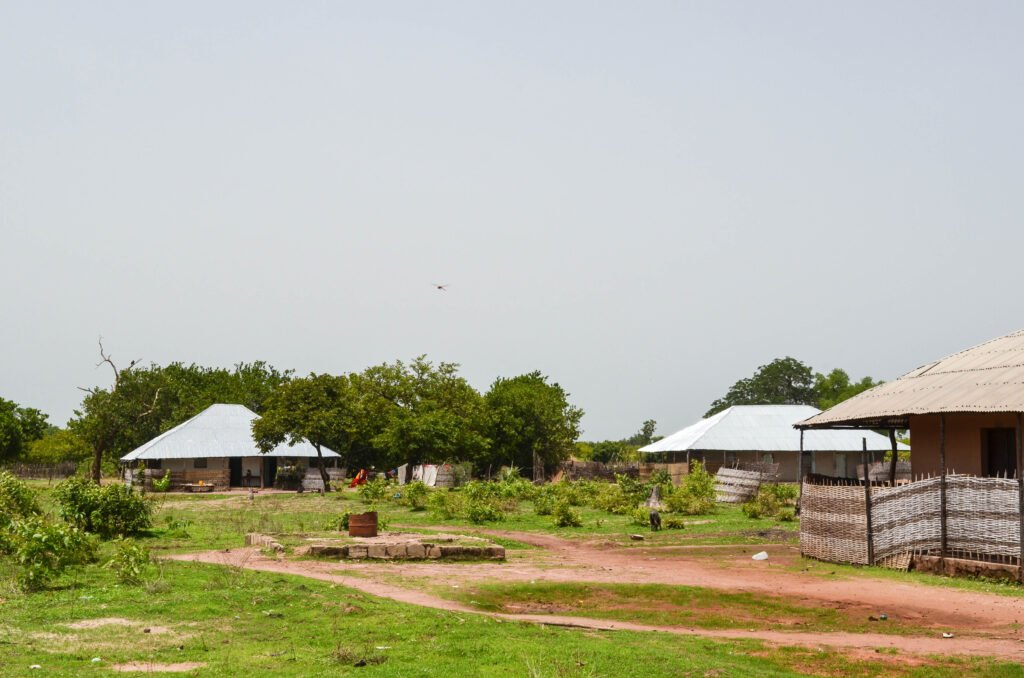
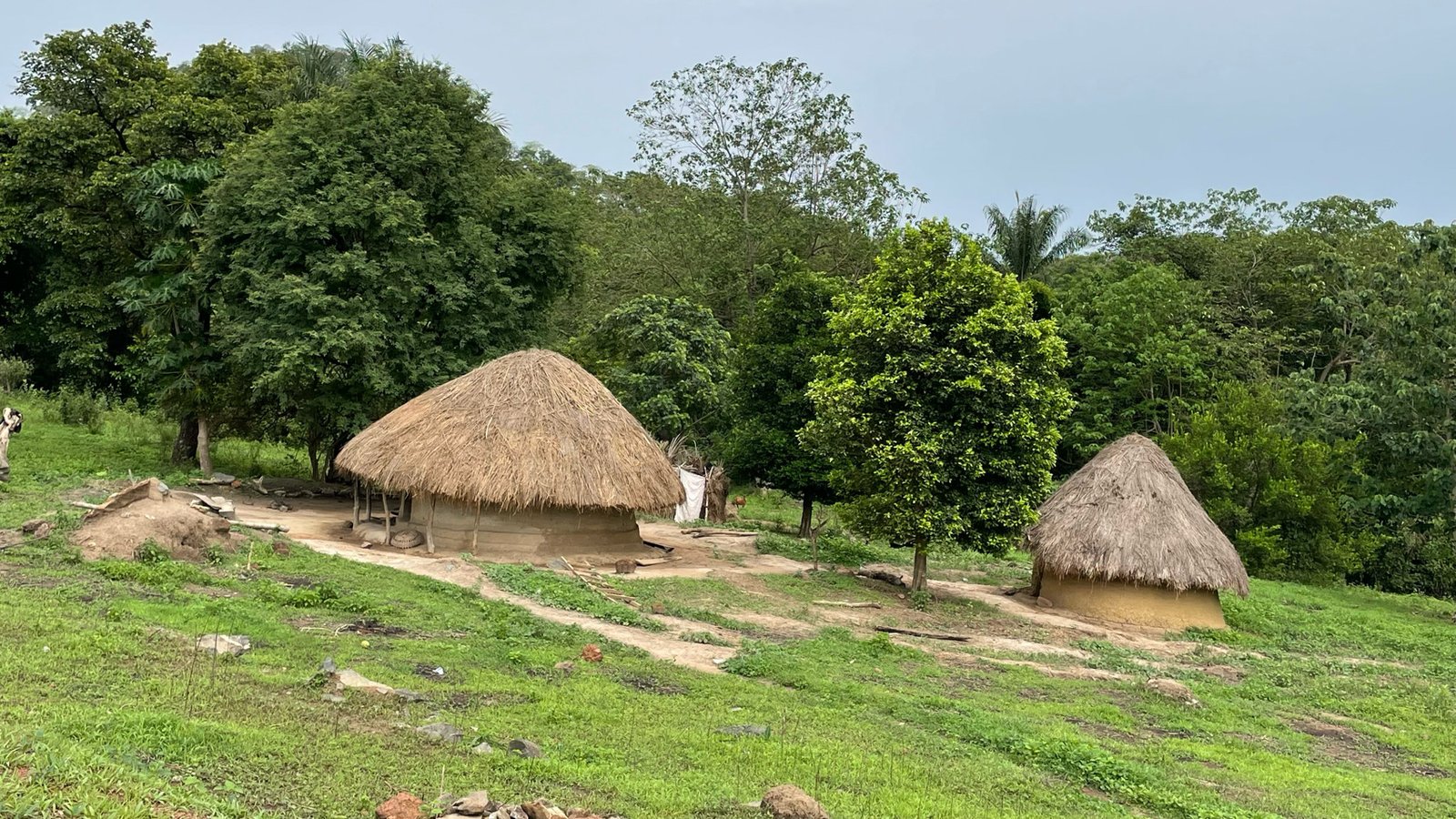
The countryside around Mamou is filled with cattle farms, traditional villages, agricultural fields, and peaceful rural landscapes where communities continue to preserve ancient customs and strong family traditions. Cattle herding remains especially important within Fulani society and contributes greatly to the region’s economy.
Markets throughout Mamou are lively centers of social and economic activity where visitors can discover traditional fabrics, handmade crafts, fresh produce, and local foods prepared using regional recipes. Music, storytelling, and oral history continue to play important roles during festivals and celebrations.
The strong cultural identity of the region gives Mamou a rich and authentic atmosphere.
🕌 5. Islamic Heritage & Spiritual Traditions

Islam has been deeply rooted in the Mamou region for centuries and remains an important part of community life today. Mosques, Islamic schools, and religious traditions shape the social and spiritual identity of the city and surrounding villages.
Daily prayers, religious festivals, and cultural gatherings reflect the strong spiritual values preserved by local communities throughout the highlands. Traditional Fulani clothing and customs are often visible during religious ceremonies and celebrations.
The peaceful atmosphere surrounding mosques and village communities creates a calm and welcoming environment for visitors interested in learning about Guinea’s cultural and spiritual heritage.
Mamou’s Islamic traditions add depth and historical significance to the region’s mountain landscapes and cultural identity.
Related artical : Top 5 place to visit in Boké