
Now Reading: Top 5 place to visit in Sparta
-
01
Top 5 place to visit in Sparta
Top 5 place to visit in Sparta
🏛️ 1. Ancient Sparta – The Legendary City of Warriors
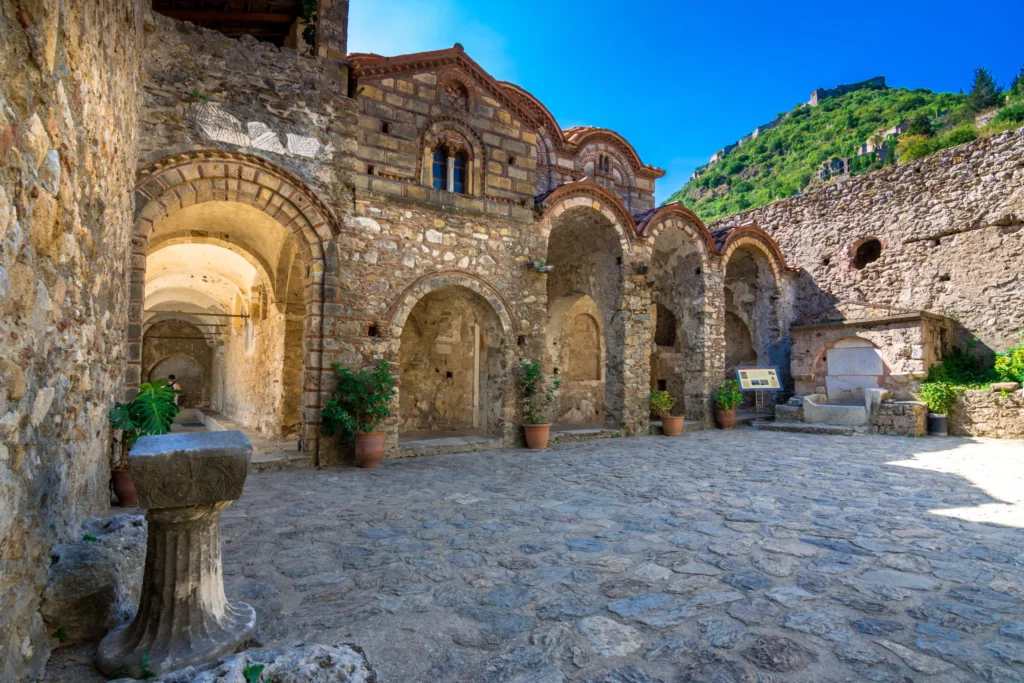
Ancient Sparta is one of the most famous historical cities in the world and is remembered as the homeland of some of the greatest warriors in ancient Greek history. Known for its disciplined military society, courage, and legendary battles, Sparta played a major role in shaping the history of ancient Greece.
Visitors exploring the archaeological site can walk among the ruins of ancient temples, theaters, public buildings, and defensive structures that once formed the center of Spartan civilization. Although much of the ancient city remains in ruins today, the atmosphere still carries the powerful legacy of the Spartan warriors who trained here centuries ago.
The city became internationally famous because of the heroic Battle of Thermopylae, where King Leonidas and his Spartan soldiers fought bravely against the Persian Empire. The story of Spartan bravery continues to inspire visitors from around the world and has become one of the most legendary chapters in Greek history.
Surrounded by mountains and natural beauty, Ancient Sparta offers travelers a fascinating journey into the world of ancient warfare, discipline, and heroic tradition.
🗡️ 2. Statue of King Leonidas – The Symbol of Spartan Courage

One of the most iconic landmarks in Sparta is the impressive Statue of King Leonidas, the legendary Spartan king who became a symbol of bravery and sacrifice. Standing proudly near the modern city, the statue honors the fearless leader who commanded the Spartan army during the Battle of Thermopylae.
The giant bronze statue depicts Leonidas dressed as a Spartan warrior holding weapons and standing with strength and determination. The monument represents the values that Sparta was famous for — discipline, honor, courage, and loyalty to the homeland.
Visitors often gather around the monument to admire its artistic detail and learn more about Spartan history and military culture. The area surrounding the statue creates a powerful historical atmosphere that reminds travelers of Sparta’s global historical importance.
The monument has become one of the city’s most photographed attractions and remains an important cultural symbol of Greek heritage and ancient heroism.
⛰️ 3. Mount Taygetus – The Natural Beauty Surrounding Sparta

Towering above Sparta, Mount Taygetus creates one of the most dramatic and beautiful natural landscapes in the Peloponnese region. The mountain range has been closely connected to Spartan history and culture for thousands of years and provided natural protection for the ancient city.
The area is famous for its breathtaking scenery, dense forests, deep valleys, and hiking trails that attract nature lovers and adventure travelers throughout the year. During spring and summer, the mountains become covered with green vegetation and colorful wildflowers, while winter sometimes brings snow-covered peaks that create spectacular views.
Visitors can explore traditional mountain villages, peaceful countryside roads, and scenic viewpoints overlooking the Spartan valley. The fresh mountain air and calm natural atmosphere provide a beautiful contrast to the city’s powerful military history.
Mount Taygetus not only adds natural beauty to Sparta but also reflects the strong connection between the ancient Spartans and the rugged environment in which they lived and trained.
🏘️ 4. Modern Sparta – A City Built on Ancient Legacy

Modern Sparta combines contemporary Greek life with the powerful historical identity of ancient Sparta. Unlike many crowded tourist destinations in Greece, Sparta maintains a peaceful and authentic atmosphere where visitors can experience everyday local culture surrounded by historical significance.
The city center features elegant squares, cafés, local restaurants, museums, and traditional Greek shops that reflect modern Mediterranean lifestyle. Visitors can enjoy authentic Greek cuisine, fresh local products, and warm hospitality while learning about the city’s ancient roots.
Museums throughout the city display archaeological discoveries, ancient Spartan artifacts, sculptures, and historical exhibits that help visitors better understand Sparta’s unique civilization and military traditions.
The calm environment, combined with deep historical importance, makes modern Sparta an ideal destination for travelers interested in Greek history, culture, and authentic local experiences.
🌿 5. Spartan Countryside & Olive Groves – The Traditional Heart of Laconia
The countryside surrounding Sparta is filled with fertile valleys, olive groves, vineyards, and traditional villages that showcase the agricultural beauty of the Laconia region. The Mediterranean climate and rich soil create ideal conditions for olive cultivation, which has been an important part of local life for centuries.
Travelers exploring the rural areas around Sparta can discover peaceful landscapes, traditional stone houses, and authentic Greek farming culture that remains deeply connected to ancient traditions. Olive oil production continues to play a major role in the local economy and culinary identity of the region.
The countryside offers visitors a slower and more relaxing experience compared to busy tourist islands, allowing them to enjoy natural beauty, local hospitality, and traditional Greek village life. Scenic roads passing through olive farms and mountain landscapes create unforgettable travel experiences throughout the region.
The peaceful rural atmosphere perfectly complements Sparta’s legendary historical identity, offering visitors both cultural discovery and natural Mediterranean beauty.
Related artical : Top 5 place to visit in Corfu