
Now Reading: Top 5 place to visit in Thuringia
-
01
Top 5 place to visit in Thuringia
Top 5 place to visit in Thuringia
1. Wartburg Castle – A Legendary Hilltop Fortress

Wartburg Castle is one of Germany’s most important historic landmarks and a UNESCO World Heritage Site famous for its medieval architecture, cultural history, and breathtaking hilltop location.
Built during the Middle Ages, the castle overlooks forests and valleys near the town of Eisenach. The fortress is closely connected with Martin Luther, who stayed at the castle while translating the New Testament into German, an event that deeply influenced German language and culture.
Visitors can explore grand halls, historic chambers, artwork, and ancient courtyards while learning about centuries of royal and religious history. The panoramic views surrounding the castle create a magical atmosphere that attracts travelers from around the world.
Wartburg Castle remains one of the greatest symbols of German history and heritage.
2. Erfurt – The Medieval Heart of Thuringia

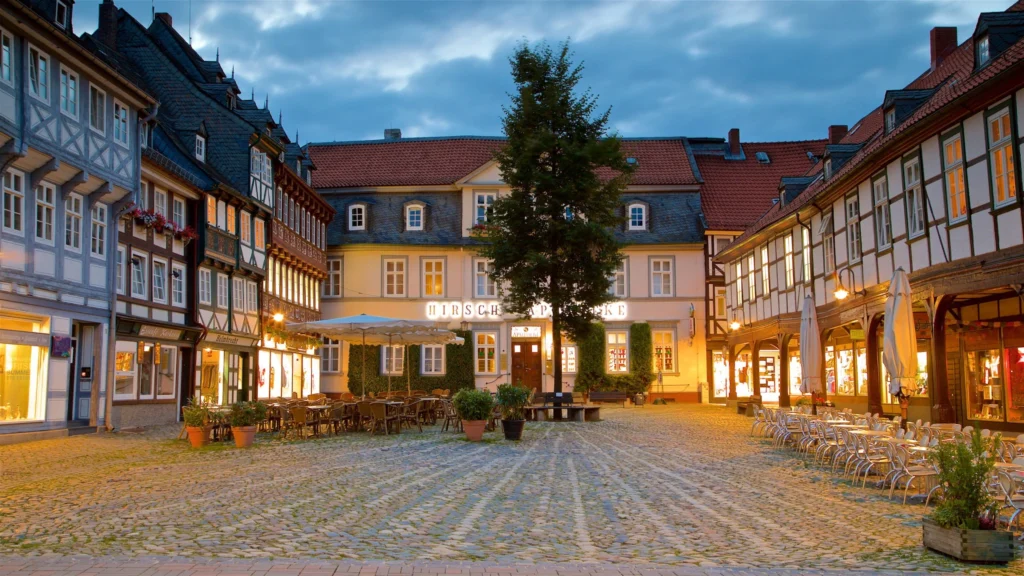
Erfurt is the capital city of Thuringia and one of Germany’s best-preserved medieval cities. Known for its historic churches, colorful houses, cobblestone streets, and lively atmosphere, Erfurt offers visitors a journey into Germany’s rich past.
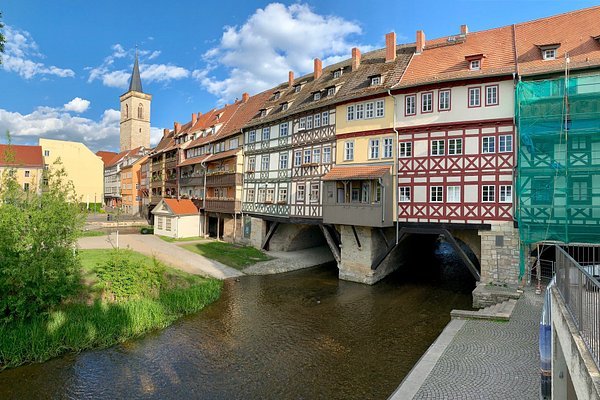
One of the city’s most famous landmarks is Krämerbrücke, a unique medieval bridge lined with houses, boutiques, cafés, and artisan shops. The bridge is one of the oldest inhabited bridges in Europe and gives Erfurt its special character.
The city is also home to the magnificent Erfurt Cathedral and St. Severus Church, whose towers dominate the skyline above the old town. Walking through Erfurt’s historic center reveals beautiful squares, gardens, and hidden courtyards filled with charm and history.
Erfurt perfectly combines medieval beauty with modern cultural life.
3. Weimar – Germany’s City of Culture and Literature

Weimar is one of Germany’s most culturally important cities and is famous for literature, philosophy, music, and art. The city became home to many influential thinkers and artists, including Johann Wolfgang von Goethe and Friedrich Schiller.
Visitors can explore historic houses, museums, libraries, and theaters connected to Germany’s cultural golden age. Weimar is also recognized as the birthplace of the Bauhaus movement, which transformed modern art and architecture around the world.
The city’s elegant parks, classical buildings, and peaceful atmosphere create a refined and intellectual environment unlike any other destination in Germany.
Weimar remains a symbol of German creativity, literature, and artistic achievement.
4. Thuringian Forest – Germany’s Green Mountain Paradise

The Thuringian Forest is one of Germany’s most beautiful natural regions, stretching across mountains, valleys, forests, and scenic villages.
The area is famous for hiking, cycling, skiing, and outdoor adventure. Long walking trails pass through dense forests, peaceful lakes, waterfalls, and panoramic mountain viewpoints. During winter, the region transforms into a snowy wonderland popular for skiing and winter sports.
Traditional villages hidden within the forest preserve local culture, wooden architecture, and regional cuisine that reflect the heritage of central Germany.
The peaceful atmosphere and breathtaking landscapes make the Thuringian Forest a perfect destination for relaxation and nature exploration.
5. Jena – A Modern City of Science and Innovation

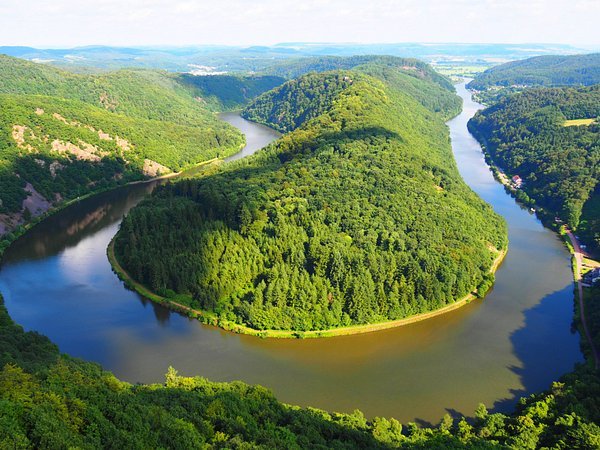
Jena is a vibrant university city known for science, technology, education, and beautiful natural surroundings along the Saale River valley.
The city has a strong connection to optics and scientific research through companies such as ZEISS, which became internationally famous for precision technology and innovation.
Visitors can explore museums, botanical gardens, historic university buildings, and the world-famous Zeiss Planetarium. The nearby hills and river landscapes provide excellent opportunities for hiking and outdoor activities.
Jena combines modern innovation with scenic beauty and youthful energy, making it one of the most dynamic cities in Thuringia.
Related artical : Top 5 place to visit in Schleswig-Holstein