
Now Reading: Top 5 place to visit in Wa
-
01
Top 5 place to visit in Wa
Top 5 place to visit in Wa
1. Wechiau Hippo Sanctuary – Ghana’s Hidden Wildlife Treasure

Wechiau Hippo Sanctuary is one of the most extraordinary eco-tourism destinations in Ghana, located along the Black Volta River near Wa. It is famous for its population of hippopotamuses that live naturally in the river system.
Visitors can take guided canoe trips along the river where they may see hippos emerging from the water, along with crocodiles, birds, and other wildlife. The experience is quiet, natural, and deeply connected to the environment.
What makes this sanctuary special is its community-based conservation model. Local villagers actively protect the hippos while benefiting from tourism, making it a successful example of sustainable eco-tourism in Africa.
The peaceful river environment, combined with wildlife encounters, makes Wechiau one of the most memorable attractions in northern Ghana.
2. Wa Naa Palace – The Royal Seat of the Wala Kingdom

Wa Naa Palace is the traditional home of the Wa Naa, the king of the Wala people, and one of the most important cultural landmarks in the Upper West Region.
The palace is built in traditional Sudanese architectural style using mud, timber, and natural materials. Its unique design includes thick walls, carved wooden beams, and courtyards that reflect centuries-old building techniques passed down through generations.
Inside the palace, visitors can learn about traditional governance systems, royal ceremonies, and the cultural history of the Wala Kingdom. The palace remains an active center of leadership and cultural identity.
It stands as a powerful symbol of heritage, tradition, and community life in Wa.
3. Gwollu Wall – A Historic Defense Against Slave Raiders

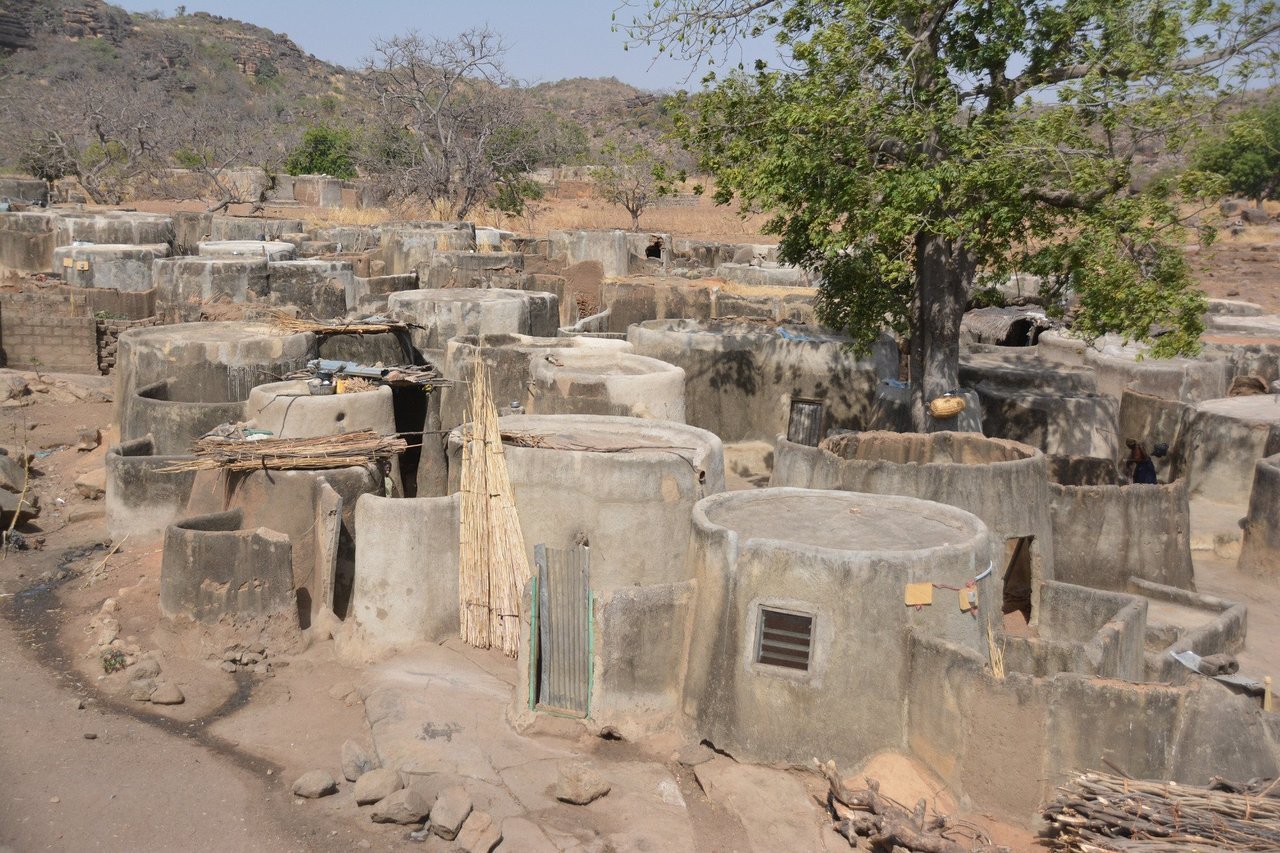
Gwollu Wall is a significant historical monument built to protect local communities from slave raiders during the trans-Saharan and transatlantic slave trade periods.
The walls were constructed using traditional methods and stretch across parts of the landscape surrounding Gwollu village. Although time and weather have affected parts of the structure, many sections remain visible today.
Visitors can explore the site and learn about the bravery of local communities who resisted capture and defended their land. The story of Gwollu reflects resilience, survival, and the struggle for freedom in northern Ghana’s history.
It is both a cultural heritage site and a powerful reminder of the region’s past.
4. Wa – A Calm City of Tradition and Daily Life

Wa itself is a peaceful and culturally rich city where traditional life and modern administration coexist.
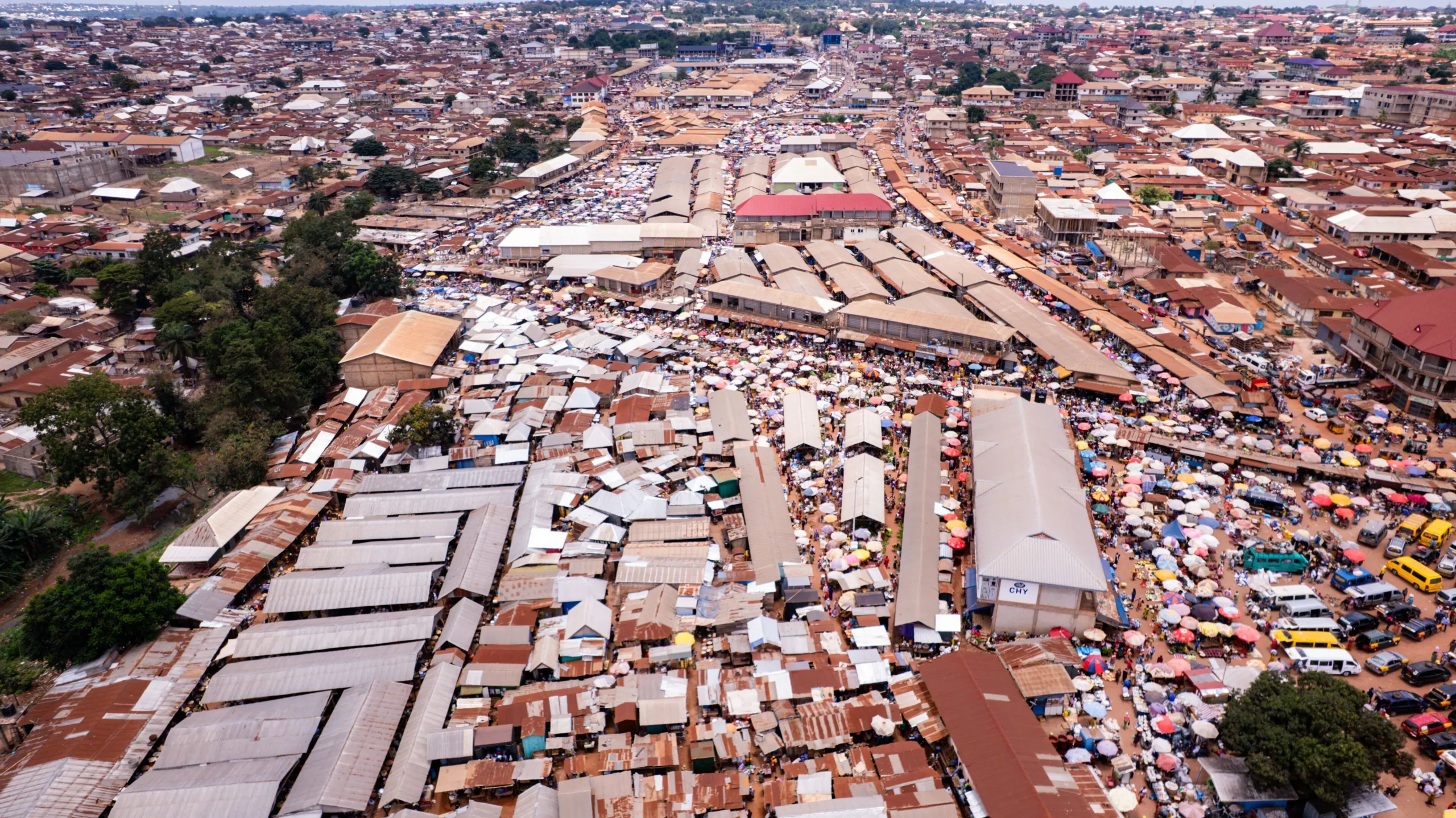
The city’s markets are filled with handmade crafts, woven fabrics, pottery, fresh produce, and traditional foods. Visitors can experience local daily life, interact with friendly traders, and explore the vibrant cultural identity of the Wala people.
Festivals and ceremonies play an important role in community life, showcasing music, dance, drumming, and traditional attire. These events help preserve the cultural heritage of the region.
Wa’s calm atmosphere makes it ideal for travelers who want to experience authentic Ghanaian culture away from busy urban centers.
5. Black Volta River – The Lifeline of Northern Ghana

The Black Volta River is one of the most important rivers in Ghana and a vital natural feature of the Upper West Region.
The river supports fishing communities, agriculture, wildlife habitats, and eco-tourism activities. Visitors can enjoy canoe rides, birdwatching, fishing, and peaceful walks along the riverbanks while experiencing the natural beauty of the savannah landscape.
Sunsets over the Black Volta are especially stunning, with golden light reflecting across the water and surrounding plains.
The river is not only a natural resource but also a cultural and economic lifeline for communities in the region.
Related artical : Top 5 place to visit in Bolgatanga