
Now Reading: Best place to visit in Visby
-
01
Best place to visit in Visby
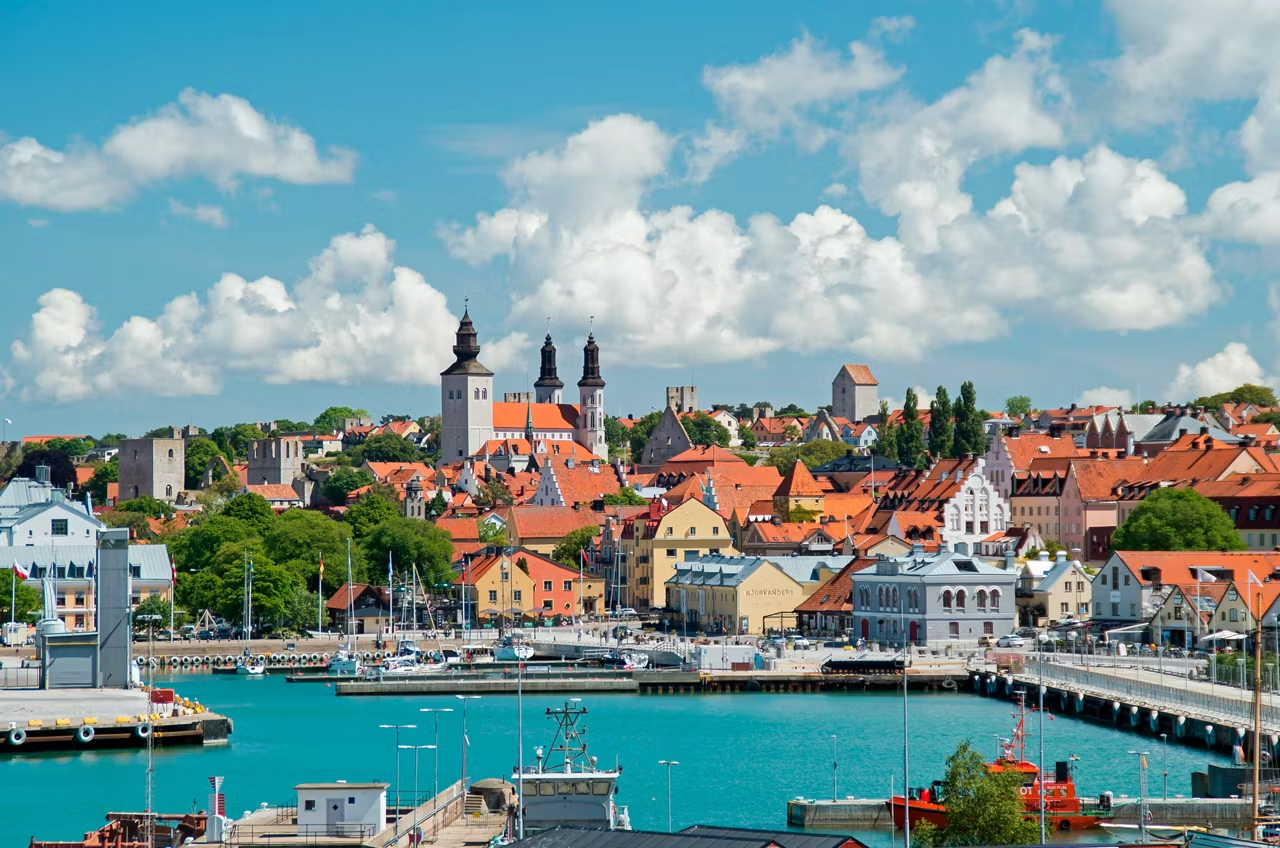
Best place to visit in Visby
🧱 1. Visby City Wall – Europe’s Best-Preserved Medieval Fortification

The Visby City Wall is the city’s most famous landmark and one of the best-preserved medieval defensive walls in Europe.
Built during the 13th century, the massive limestone wall stretches for over 3 kilometers around the old town and contains numerous towers, gates, and defensive structures.
The wall protected Visby from pirates, invaders, and rival trading powers during the Middle Ages.
Walking beside the ancient fortifications allows visitors to experience the city’s medieval atmosphere while enjoying beautiful views across rooftops, gardens, and the Baltic Sea.
Many towers remain accessible and provide insight into medieval warfare and defense systems.
At sunset, the golden light reflecting on the old stone walls creates breathtaking scenery.
The city wall remains one of Scandinavia’s greatest historical monuments and the symbol of Visby’s medieval power.
🏛️ 2. Visby Old Town – Fairytale Streets & Medieval Charm

Visby Old Town feels like a living medieval fairytale filled with narrow cobblestone lanes, colorful wooden houses, flower-covered walls, Gothic ruins, and peaceful courtyards.
Walking through the old town allows visitors to step back hundreds of years into one of Europe’s most beautifully preserved medieval environments.
Small cafes, artisan shops, galleries, bakeries, and local boutiques create a warm and relaxing atmosphere throughout the historic district.
The town becomes especially beautiful during summer when roses bloom across stone walls and gardens, giving Visby its nickname “Town of Roses.”
The combination of medieval architecture and Scandinavian simplicity creates a truly unique atmosphere.
Every alleyway and courtyard reveals hidden beauty and historical charm.
⛪ 3. St. Mary’s Cathedral – Spiritual Heart of Visby

St. Mary’s Cathedral is Visby’s only fully preserved medieval church and one of the city’s most important landmarks.
Originally built during the 12th century by German merchants, the cathedral became the spiritual center of Visby during the Hanseatic era.
The church combines Romanesque and Gothic architectural styles with elegant towers, vaulted interiors, stained glass, and historical artwork.
Inside, visitors can admire peaceful stone halls, religious decorations, chandeliers, and centuries of spiritual history.
The cathedral also offers beautiful views across the surrounding rooftops and Baltic coastline.
Despite wars, fires, and centuries of change, St. Mary’s Cathedral continues to serve both religious and cultural purposes today.
The church perfectly reflects Visby’s medieval heritage and maritime trading history.
⚔️ 4. Viking Heritage & Gotland History

Visby and the island of Gotland hold deep connections to Viking history and Scandinavian maritime culture.
Long before the medieval Hanseatic period, Viking traders and sailors used Gotland as an important center for Baltic Sea trade routes connecting Scandinavia, Eastern Europe, and the Middle East.
Museums and archaeological sites throughout Visby display Viking jewelry, coins, weapons, ships, and ancient artifacts discovered on the island.
The Gotland Museum provides fascinating insight into Viking culture, medieval trade, and local history.
Visitors can learn about Viking expeditions, Norse mythology, and the island’s role in Scandinavian history.
This Viking heritage adds another fascinating layer to Visby’s cultural identity.
🏰 5. Medieval Church Ruins – The City of Ruins

One of Visby’s most unique features is its extraordinary collection of medieval church ruins scattered throughout the old town.
During the Middle Ages, Visby contained many wealthy churches built by merchants and religious groups. Over time, wars, fires, and political changes caused several churches to fall into ruin.
Today, these dramatic stone ruins create an unforgettable atmosphere throughout the city.
Ruins such as St. Karin’s Church and St. Nicolai Church are frequently used for concerts, cultural events, weddings, and festivals.
The combination of Gothic arches, open skies, and ancient stone walls creates beautiful and emotional scenery.
These ruins help make Visby one of Europe’s most photogenic historical towns.
🌊 6. Baltic Sea Coast & Natural Beauty

Visby’s location beside the Baltic Sea gives the city extraordinary natural beauty and peaceful coastal atmosphere.
Visitors can enjoy cliffs, beaches, sea views, cycling trails, fishing villages, and dramatic coastal landscapes throughout Gotland Island.
The Baltic coastline surrounding Visby is famous for unique limestone rock formations called “rauks,” which rise dramatically beside the sea.
Summer brings long Nordic daylight hours perfect for swimming, sailing, hiking, and outdoor exploration.
The fresh sea air and calm landscapes make Visby ideal for slow and relaxing travel.
Nature lovers especially enjoy exploring the island’s untouched beauty and peaceful scenery.
🎭 7. Medieval Week Festival – Living History Celebration

Every summer, Visby hosts the world-famous Medieval Week Festival, one of Scandinavia’s largest historical celebrations.
During the festival, the city transforms into a living medieval world filled with knights, merchants, musicians, performers, craftsmen, and visitors wearing historical costumes.
Tournaments, markets, concerts, theater performances, storytelling, and Viking events bring the city’s medieval history to life.
The festival atmosphere makes visitors feel as though they have traveled back hundreds of years into the Hanseatic era.
Medieval Week attracts travelers from across Europe and remains one of Sweden’s most unique cultural events.
The celebration perfectly highlights Visby’s historical character and community spirit.
🍲 8. Swedish Cuisine & Local Food Culture

Visby offers delicious Swedish and Nordic cuisine influenced by island traditions and Baltic seafood culture.
Restaurants throughout the town serve smoked fish, lamb dishes, fresh seafood, local cheeses, berries, pastries, and traditional Scandinavian recipes.
Coastal cafes and garden restaurants create peaceful dining experiences surrounded by medieval architecture and sea views.
Gotland is also known for organic farming and locally produced ingredients that give regional dishes unique flavors.
Traditional bakeries, ice cream shops, and seafood restaurants are especially popular during summer.
The food culture combines simplicity, freshness, and Nordic hospitality.
🎄 9. Winter Atmosphere & Christmas Beauty

Although Visby is most famous during summer, winter also transforms the town into a peaceful Scandinavian fairytale.
Snow-covered rooftops, quiet cobblestone streets, Christmas lights, and candlelit cafes create a magical Nordic atmosphere.
Small Christmas markets and seasonal events bring warmth and tradition to the medieval surroundings.
Winter visitors can experience a calmer and more intimate side of Visby away from summer crowds.
The peaceful winter beauty perfectly reflects Scandinavian lifestyle and culture.
Related artical : Best place to visit in Tallinn