Now Reading: Best place to visit in Ma’an
-
01
Best place to visit in Ma’an
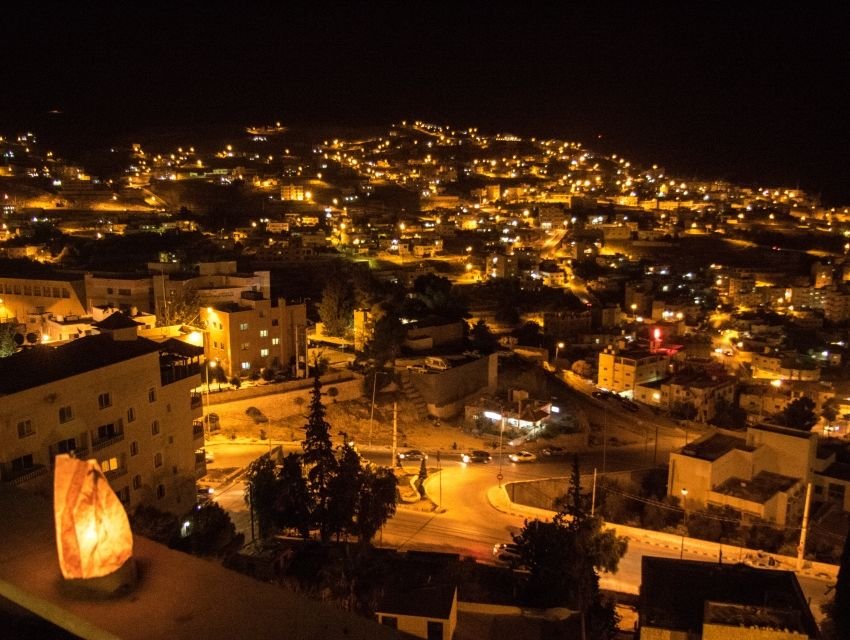
Best place to visit in Ma’an

Ma’an is one of Jordan’s oldest and most historically significant cities, located in the southern part of the kingdom. Known as the gateway to Jordan’s desert landscapes and archaeological wonders, Ma’an has served for centuries as a crucial center for trade, pilgrimage, transportation, and cultural exchange. Positioned along ancient caravan routes connecting Arabia with the Levant, the city has witnessed the rise and fall of numerous civilizations and continues to play an important role in Jordan’s economic and cultural life.
Throughout its long history, Ma’an has been associated with traders, pilgrims, explorers, and travelers journeying across the Arabian Peninsula. Its strategic location helped transform it into a major stopping point along routes leading to the holy cities of Islam and important commercial centers throughout the Middle East.
Today, Ma’an serves as the administrative center of Jordan’s largest governorate and provides access to some of the country’s most famous attractions, including Petra, Wadi Rum, and vast desert landscapes that showcase the beauty of southern Jordan.
1. The Ancient History of Ma’an

The history of Ma’an extends back thousands of years, making it one of Jordan’s oldest continuously inhabited regions.
Ancient caravan routes passed through the area, connecting southern Arabia with the Mediterranean world. Merchants transporting incense, spices, textiles, and precious goods relied on settlements like Ma’an for supplies, rest, and trade.
Various civilizations including the Nabataeans, Romans, Byzantines, and Islamic dynasties influenced the development of the city. Its strategic location ensured its importance throughout different historical periods.
Today, archaeological remains and historical records continue to reveal new insights into Ma’an’s rich and diverse past.
2. The Gateway to Petra

One of Ma’an’s greatest advantages is its proximity to the world-famous Petra.
Petra, often called the Rose City, is one of the most spectacular archaeological sites in the world and a UNESCO World Heritage Site. Built by the Nabataeans more than 2,000 years ago, Petra attracts millions of visitors with its rock-cut architecture, temples, tombs, and historical significance.
Ma’an serves as an important gateway for travelers exploring Petra and the surrounding region. The city’s location makes it a convenient base for discovering Jordan’s most celebrated historical attraction.
The connection between Ma’an and Petra contributes significantly to the region’s cultural and economic importance.
3. Wadi Rum – The Valley of the Moon

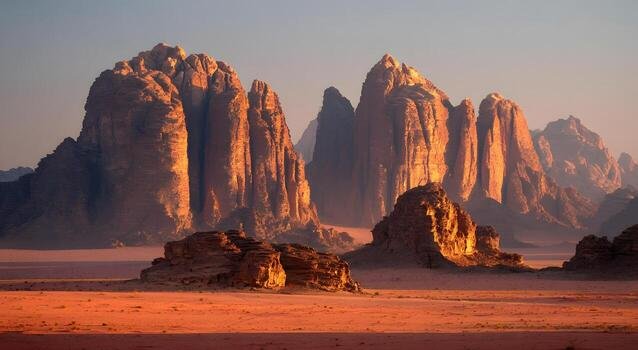
The Ma’an Governorate is also home to the extraordinary Wadi Rum, one of the most breathtaking desert landscapes on Earth.
Known as the Valley of the Moon, Wadi Rum features towering sandstone mountains, vast red sand dunes, dramatic rock formations, and ancient inscriptions carved into cliffs. The landscape has attracted explorers, filmmakers, scientists, and adventurers from around the world.
Visitors can experience jeep tours, camel rides, hiking, rock climbing, desert camping, and stargazing under some of the clearest skies in the Middle East.
Wadi Rum’s natural beauty has made it one of Jordan’s most iconic destinations and a major contributor to tourism in the Ma’an region.
4. The Hejaz Railway and Historical Importance

The historic Hejaz Railway played a major role in Ma’an’s development during the early twentieth century.
Constructed by the Ottoman Empire, the railway connected Damascus with Medina and passed through Ma’an, transforming the city into an important transportation and logistical center.
The railway facilitated trade, travel, communication, and pilgrimage, strengthening Ma’an’s position as a key regional hub.
Historic railway stations and related structures continue to serve as reminders of this important chapter in the city’s history.
5. Islamic Heritage and Pilgrimage Routes

For centuries, Ma’an served as an important stop along pilgrimage routes connecting various parts of the Islamic world with the holy cities of Mecca and Medina.
Pilgrims traveling through the region relied on Ma’an for rest, supplies, water, and security. The city developed strong religious and cultural traditions associated with hospitality and service to travelers.
Its role in pilgrimage networks contributed significantly to its growth and historical importance.
Today, this heritage remains an important part of the city’s cultural identity.
6. Desert Landscapes and Natural Beauty

The landscapes surrounding Ma’an showcase some of Jordan’s most dramatic natural scenery.
Vast deserts, rocky plateaus, sandstone mountains, and expansive valleys create an environment of extraordinary beauty and scale. The changing colors of the desert during sunrise and sunset create spectacular visual experiences.
The region’s natural diversity supports unique plant and animal species adapted to arid conditions. Outdoor enthusiasts frequently visit the area for hiking, photography, camping, and exploration.
The desert environment remains one of Ma’an’s most distinctive characteristics.
7. Bedouin Culture and Traditions

Ma’an is deeply connected to Jordan’s Bedouin heritage and tribal traditions.
Bedouin communities have inhabited the surrounding deserts for generations, developing a culture based on resilience, hospitality, family bonds, and adaptation to challenging environments.
Traditional customs, poetry, music, storytelling, and cuisine continue to play important roles in daily life. Visitors often experience the renowned generosity and hospitality that characterize Bedouin culture throughout Jordan.
These traditions contribute greatly to the unique character of the Ma’an region.
8. Economic Development and Modern Growth
Modern Ma’an continues to evolve through investments in infrastructure, education, transportation, and tourism.
The city’s economy benefits from tourism associated with Petra and Wadi Rum, as well as transportation, agriculture, and public services. Educational institutions and development initiatives support opportunities for local residents and contribute to regional growth.
Government projects aimed at improving roads, utilities, healthcare, and public services continue to strengthen the city’s role within Jordan.
Ma’an remains an important center for southern Jordan’s development.
9. Ma’an’s Strategic Importance Today

As the administrative center of Ma’an Governorate, the city plays a vital role in managing one of Jordan’s largest and most geographically diverse regions.
Its location near major tourist attractions, transportation corridors, and international routes enhances its strategic significance. The city continues to serve as a gateway connecting travelers with some of Jordan’s most important historical and natural destinations.
Its role in commerce, tourism, education, and governance ensures its continued relevance in Jordan’s future development.
10. Ma’an Today – The Gateway to Jordan’s Wonders

Today, Ma’an stands as one of Jordan’s most historically important and geographically significant cities. From its ancient caravan routes and pilgrimage heritage to its modern role as the gateway to Petra and Wadi Rum, the city represents a fascinating blend of history, culture, and natural beauty.
Visitors exploring the region discover not only world-famous attractions but also authentic Jordanian traditions, welcoming communities, and landscapes that have inspired travelers for centuries.
As a city that bridges the past and the present, Ma’an continues to preserve its remarkable heritage while embracing opportunities for growth and development. It remains a symbol of Jordan’s enduring connection to history, trade, exploration, and the timeless beauty of the Arabian desert.
Related artical : Best place to visit in Tafilah