
Now Reading: Best place to visit in Tafilah
-
01
Best place to visit in Tafilah
Best place to visit in Tafilah

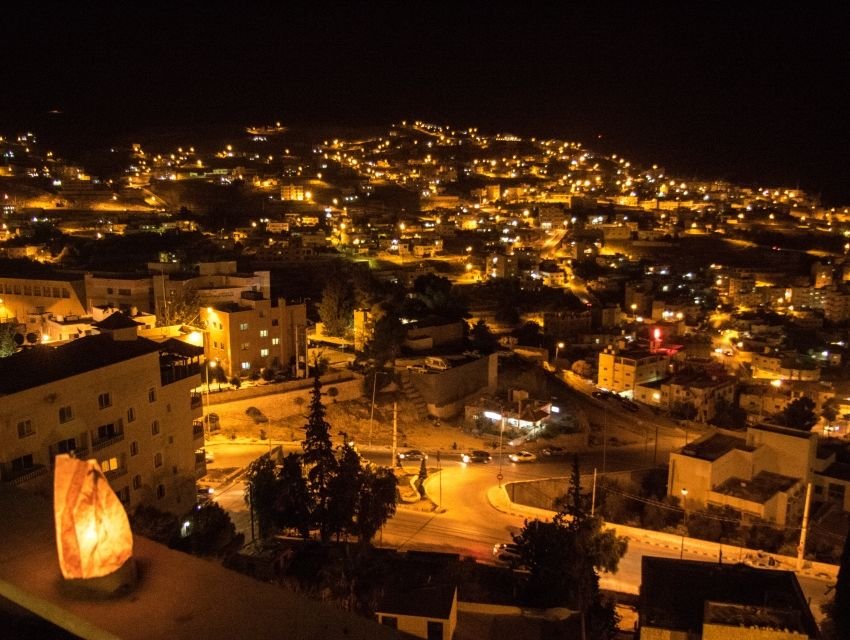
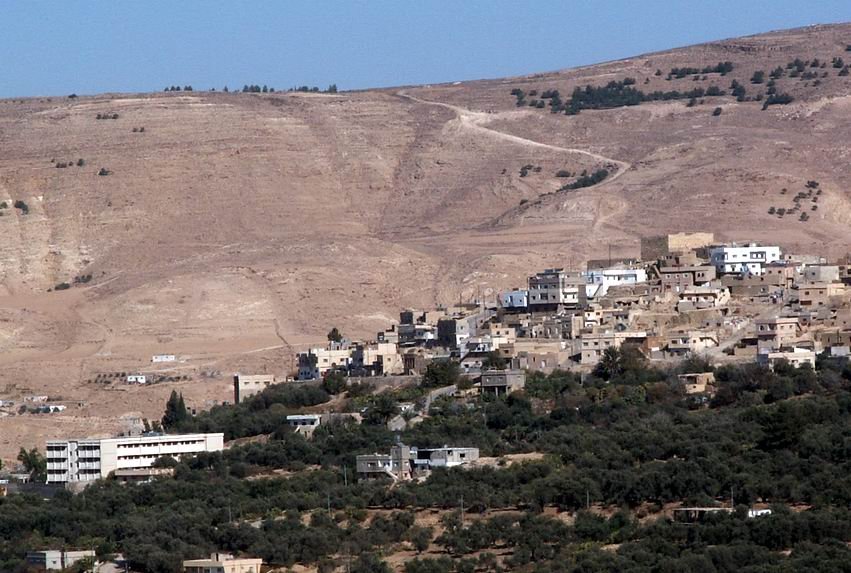
Tafilah is one of Jordan’s oldest and most scenic cities, located in the southern highlands of the kingdom. Surrounded by rugged mountains, fertile valleys, natural springs, and dramatic landscapes, Tafilah offers visitors a unique glimpse into Jordan’s rich history, cultural heritage, and natural beauty. Although less visited than Petra or Aqaba, Tafilah is considered one of Jordan’s hidden gems, combining ancient history with breathtaking scenery and authentic local traditions.
The city sits approximately 180 kilometers south of Amman and has served as an important settlement for thousands of years. Throughout its history, Tafilah has been influenced by numerous civilizations, including the Edomites, Nabataeans, Romans, Byzantines, and Islamic dynasties. Its strategic location along historical trade routes helped shape its cultural and economic development.
Today, Tafilah is known for its friendly communities, historical landmarks, agricultural traditions, and proximity to some of Jordan’s most spectacular natural attractions, making it an increasingly popular destination for eco-tourism and cultural exploration.
1. The Ancient History of Tafilah

The history of Tafilah stretches back thousands of years and is closely connected to the ancient civilizations that flourished in southern Jordan.
The region was once part of the Kingdom of Edom, an ancient civilization frequently mentioned in historical and biblical records. Due to its location along important trade routes connecting Arabia with the Levant, Tafilah became a valuable center of commerce and settlement.
Later, the Nabataeans, famous for building Petra, expanded their influence into the region. Roman and Byzantine civilizations followed, leaving behind archaeological remains that continue to attract researchers and historians.
The city’s rich historical legacy makes it one of Jordan’s most culturally significant regions.
2. Dana Biosphere Reserve – Jordan’s Natural Wonder

One of the greatest attractions near Tafilah is the world-famous Dana Biosphere Reserve.
Covering hundreds of square kilometers, Dana is Jordan’s largest nature reserve and one of the most important conservation areas in the Middle East. The reserve contains diverse ecosystems ranging from high mountain forests to desert valleys and supports an extraordinary variety of plants and animals.
Visitors can enjoy hiking, wildlife observation, photography, and eco-tourism activities while exploring some of Jordan’s most spectacular landscapes. Rare species such as the Nubian ibex, Syrian wolf, and various birds of prey inhabit the reserve.
Dana’s natural beauty and ecological importance have made it one of Jordan’s premier environmental destinations.
3. Spectacular Mountain Landscapes

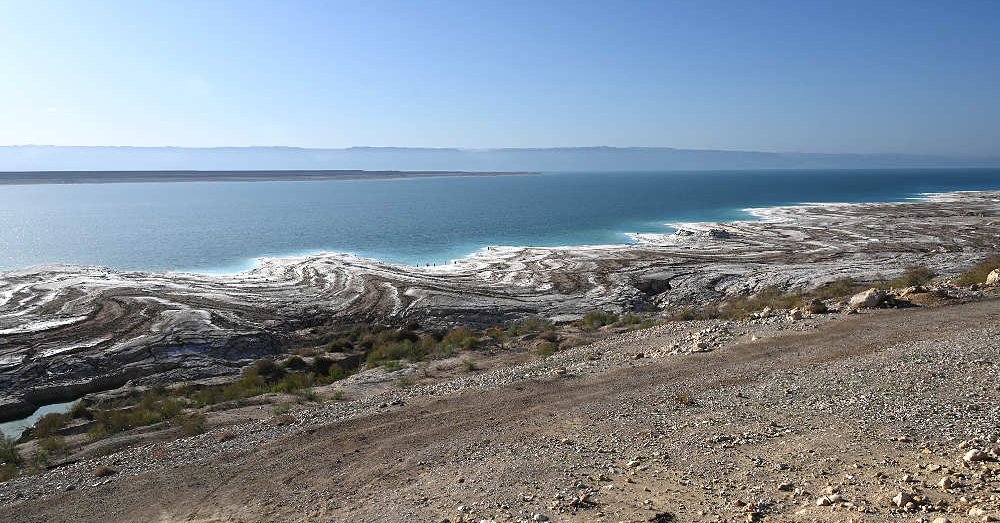
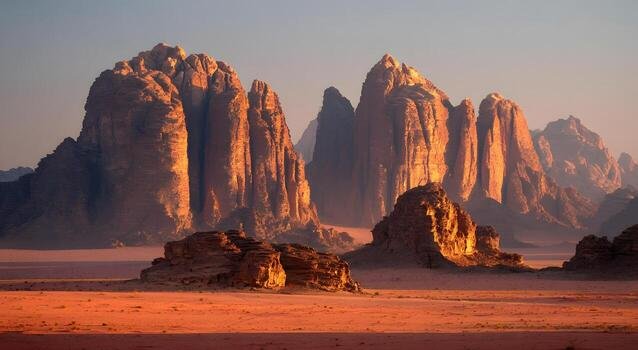
Tafilah is renowned for its dramatic mountain scenery and panoramic viewpoints.
The region’s elevated terrain provides breathtaking views of valleys, canyons, cliffs, and distant desert landscapes. Seasonal changes transform the scenery throughout the year, creating vibrant colors and unique photographic opportunities.
The combination of mountains, agricultural terraces, forests, and open landscapes distinguishes Tafilah from many other regions of Jordan.
Nature lovers and outdoor enthusiasts often consider the area one of the country’s most beautiful hidden destinations.
4. Agricultural Heritage and Fertile Valleys

Agriculture has played a central role in Tafilah’s economy and culture for centuries.
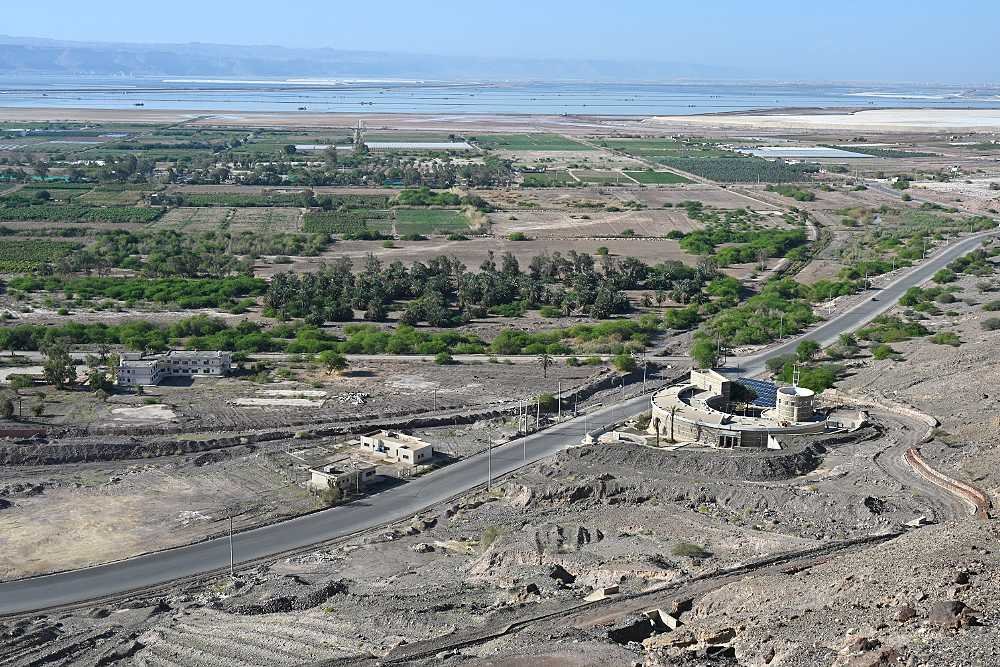
The fertile valleys surrounding the city support the cultivation of olives, grapes, figs, almonds, pomegranates, and various vegetables. Traditional farming methods continue alongside modern agricultural practices, helping sustain local communities.
Olive cultivation is particularly important, with many families maintaining groves that have been passed down through generations.
The agricultural landscape contributes significantly to the region’s beauty and cultural identity.
5. Bedouin Traditions and Local Culture

Tafilah is deeply connected to Jordan’s Bedouin and tribal heritage.
Traditional customs, hospitality, storytelling, music, and community values remain important aspects of daily life. Visitors are often welcomed warmly by local residents who take pride in sharing their culture and traditions.
Family ties and community relationships continue to play a central role in the social fabric of the region.
This strong cultural identity contributes to the authentic and welcoming atmosphere that characterizes Tafilah.
6. Historic Villages and Archaeological Sites

The Tafilah region contains numerous archaeological sites and historic villages that reflect thousands of years of human settlement.
Ancient ruins, traditional stone houses, and historical landmarks provide valuable insights into the area’s past. Many sites remain relatively unexplored compared to Jordan’s more famous tourist destinations, offering visitors a unique opportunity to experience authentic heritage locations.
Archaeological discoveries continue to reveal new information about the civilizations that once inhabited the region.
These historical resources make Tafilah an important destination for cultural tourism.
7. Natural Springs and Water Resources

Despite Jordan’s generally arid climate, Tafilah benefits from several natural springs and water sources that have supported human settlement for centuries.
These springs contribute to agriculture, local ecosystems, and community life while enhancing the region’s natural beauty. Many villages and farms developed around these important water resources.
The presence of water has helped create fertile landscapes that contrast dramatically with surrounding desert regions.
Natural springs remain a valuable part of Tafilah’s environmental and cultural heritage.
8. Eco-Tourism and Outdoor Adventure

Tafilah has emerged as one of Jordan’s leading destinations for eco-tourism and outdoor recreation.
Visitors can enjoy hiking, mountain trekking, birdwatching, camping, and nature photography throughout the region. Trails within and around Dana Biosphere Reserve offer opportunities to explore diverse ecosystems and spectacular landscapes.
Sustainable tourism initiatives help protect natural resources while supporting local communities.
The region’s combination of adventure and environmental conservation appeals to travelers seeking authentic experiences beyond traditional tourist routes.
9. Modern Development and Community Growth

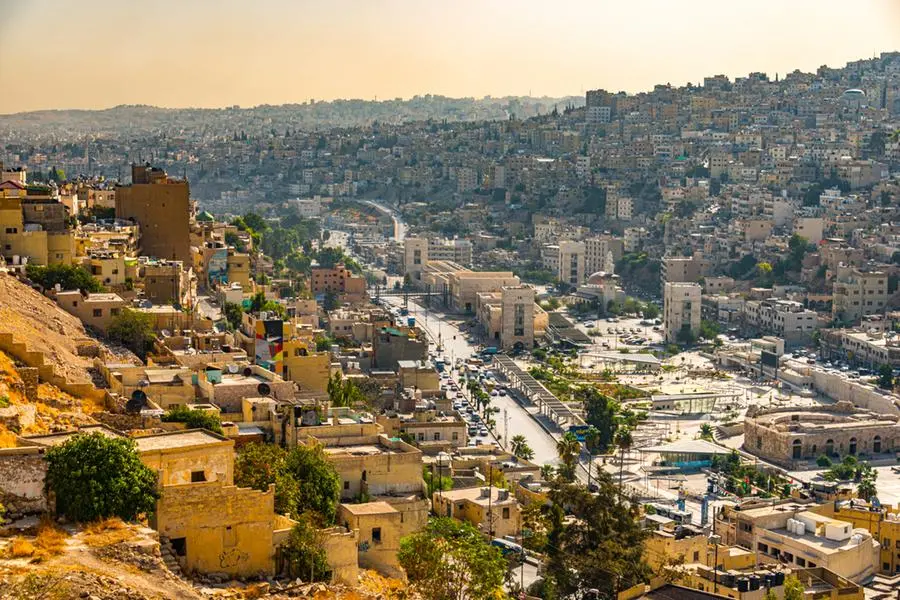
Modern Tafilah continues to develop through investments in infrastructure, education, healthcare, and tourism.
Government initiatives and community programs aim to improve living standards while preserving the region’s cultural and environmental heritage. Educational institutions, public services, and transportation improvements contribute to economic growth and social development.
The city remains an important administrative and economic center for southern Jordan.
These developments help create new opportunities while maintaining Tafilah’s unique character.
10. Tafilah Today – Jordan’s Mountain Jewel

Today, Tafilah stands as one of Jordan’s most beautiful and culturally rich destinations. Its combination of ancient history, dramatic landscapes, agricultural traditions, and environmental treasures creates an experience unlike any other in the kingdom.
From the breathtaking scenery of Dana Biosphere Reserve and fertile mountain valleys to the region’s archaeological heritage and warm local hospitality, Tafilah offers visitors a deeper understanding of Jordan’s diversity and beauty.
As interest in eco-tourism and sustainable travel continues to grow, Tafilah is increasingly recognized as one of Jordan’s hidden treasures. The city remains a symbol of resilience, heritage, natural beauty, and community spirit, preserving its remarkable legacy while embracing opportunities for the future.
Related artical : Best place to visit in Mafraq