
Now Reading: Best place to visit in Wajir
-
01
Best place to visit in Wajir
Best place to visit in Wajir

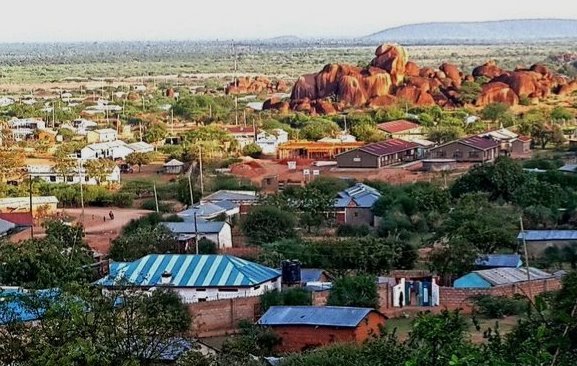
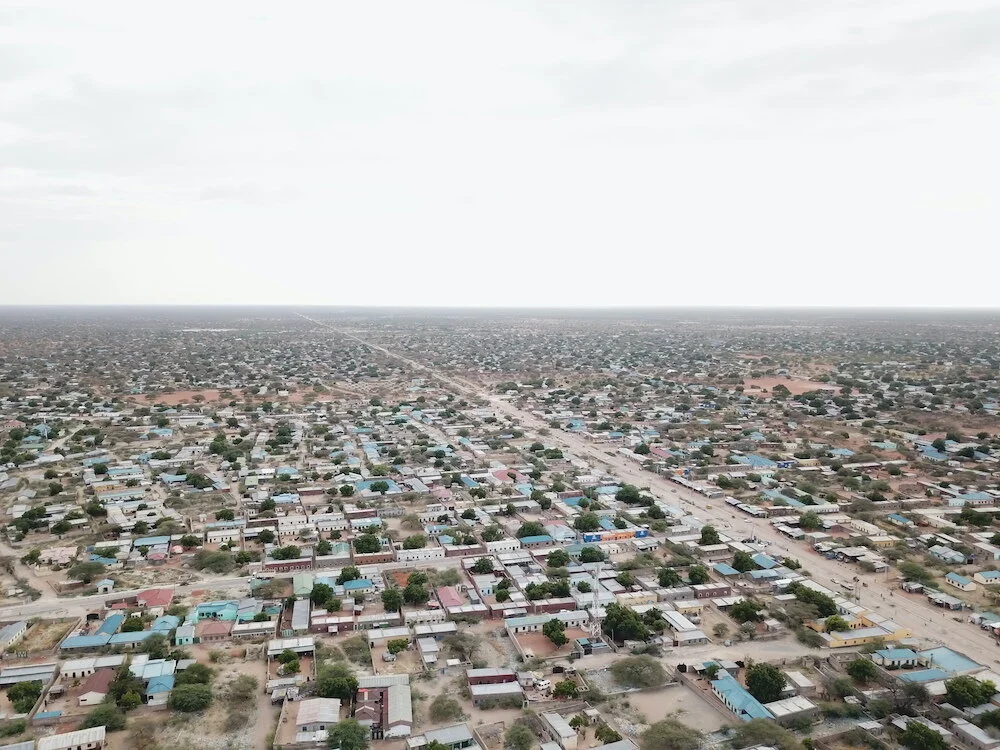
Wajir is one of Kenya’s most unique and culturally rich destinations, offering visitors an extraordinary blend of desert landscapes, traditional pastoral culture, historical landmarks, wildlife, and authentic northern Kenyan experiences. Located in the northeastern region of the country near the borders of Somalia and Ethiopia, Wajir serves as the capital of Wajir County and is one of the most important centers of life in Kenya’s arid frontier.
Unlike Kenya’s well-known safari parks and coastal destinations, Wajir presents travelers with an opportunity to explore a completely different environment characterized by vast open plains, acacia woodlands, seasonal rivers, traditional settlements, and a resilient culture shaped by centuries of life in a challenging yet beautiful landscape.
For generations, Wajir has served as a crossroads for trade, migration, and cultural exchange among communities across the Horn of Africa. Today, visitors can discover rich Somali traditions, vibrant markets, unique architecture, and stunning desert scenery while experiencing the warmth and hospitality that define life in northern Kenya.
Whether you’re a cultural explorer, photographer, adventurer, or traveler seeking authentic experiences far from conventional tourist routes, Wajir offers unforgettable insights into one of East Africa’s most fascinating regions.
1. Wajir Museum – Exploring the History of Northern Kenya

One of the most important cultural attractions in the region is Wajir Museum.
The museum showcases the history, traditions, and development of Wajir County and the wider northeastern region. Visitors can learn about traditional pastoral lifestyles, local communities, historical events, and the cultural heritage that has shaped life in the area.
Exhibits often include traditional tools, clothing, household items, and photographs that help preserve the stories of generations past.
The museum provides an excellent introduction to understanding the unique identity of Wajir and its people.
2. Wagalla Memorial Site – A Place of Reflection

One of Wajir’s most significant historical locations is the Wagalla Memorial Site.
The memorial stands as a place of remembrance and reflection, commemorating an important chapter in Kenya’s modern history.
Visitors can learn about the events associated with the site while gaining a deeper understanding of the region’s historical journey and the importance of peace, reconciliation, and community development.
The site remains an important landmark for both residents and visitors interested in Kenyan history.
3. Wajir Bor Wildlife Sanctuary – A Hidden Wildlife Refuge

Nature enthusiasts will appreciate the ecological importance of Wajir Bor Wildlife Sanctuary.
The sanctuary protects wildlife adapted to arid environments and serves as an important conservation area within northeastern Kenya.
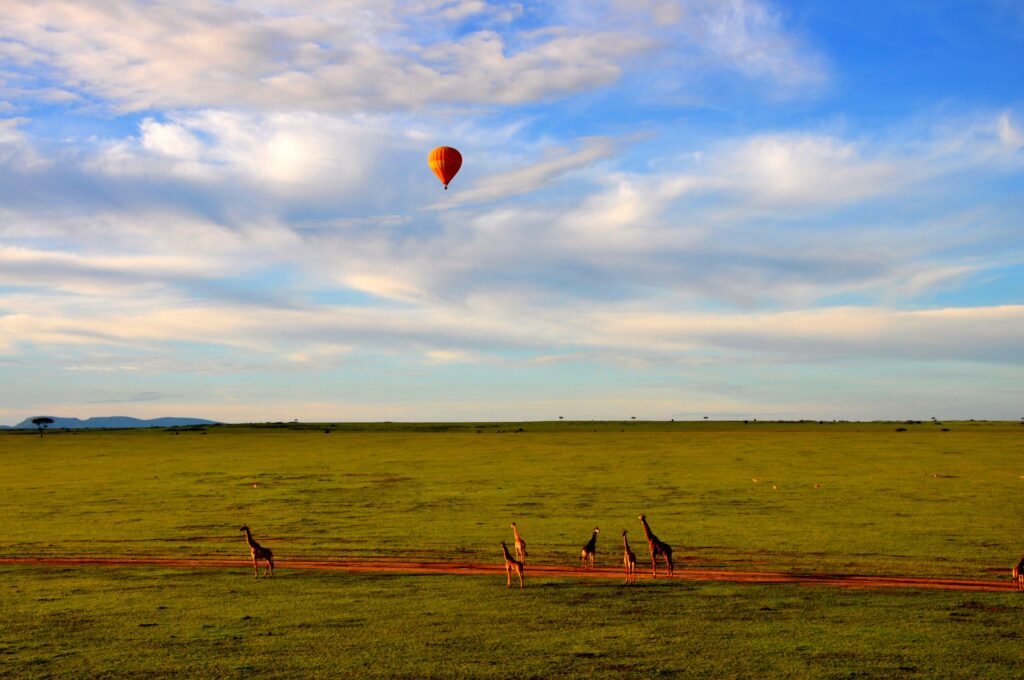
Visitors may encounter antelopes, gazelles, birds of prey, and numerous species specially adapted to desert conditions.
The sanctuary highlights the remarkable biodiversity that exists within Kenya’s semi-arid landscapes.
Wildlife observation opportunities make it an interesting destination for photographers and conservation enthusiasts.
4. Seasonal Rivers and Desert Landscapes

One of Wajir’s greatest attractions is its dramatic natural landscape.
The county is characterized by expansive plains, scattered acacia trees, seasonal rivers, and vast open horizons that create breathtaking scenery throughout the year.
During the rainy season, dry riverbeds temporarily come to life, transforming sections of the landscape into vibrant ecosystems that support wildlife and vegetation.
The beauty of these changing environments offers exceptional opportunities for photography and exploration.
The simplicity and scale of the scenery leave lasting impressions on visitors.
5. Traditional Somali Culture – The Soul of Wajir

Wajir is one of the most important centers of Somali culture in Kenya.
Visitors can experience traditions that have been preserved for centuries through language, music, storytelling, clothing, cuisine, and community customs. The region’s cultural identity reflects strong connections to the broader heritage of the Horn of Africa.
Traditional celebrations, local gatherings, and community events provide opportunities to learn about the values and customs that shape everyday life.
The rich cultural heritage of Wajir remains one of its most valuable attractions.
6. Livestock Markets – The Economic Heart of the Region

The livestock markets of Wajir are among the most vibrant and important in northern Kenya.
Camels, goats, sheep, and cattle are central to the local economy and cultural identity. Traders travel from across the region to participate in the bustling exchange of livestock and goods.
Visitors can witness traditional trading practices, observe pastoral life, and gain insight into the economic systems that have sustained communities for generations.
The markets offer authentic experiences rarely found in more developed tourist destinations.
Their energy and atmosphere provide a fascinating glimpse into local life.
7. Traditional Pastoral Lifestyle

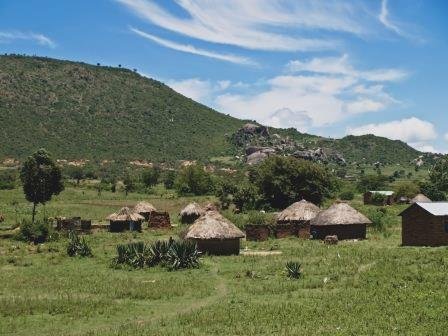
The surrounding countryside provides opportunities to learn about the pastoral way of life that defines much of Wajir County.
Many families continue to depend on livestock herding as their primary livelihood, maintaining traditions that have adapted to the challenges of arid environments.
Visitors can gain insight into sustainable resource management, traditional knowledge systems, and the deep relationship between people and their animals.
This lifestyle remains an essential part of the region’s cultural identity.
The resilience of local communities is both inspiring and educational.
8. Birdwatching and Desert Wildlife

Despite its arid environment, Wajir supports a surprising variety of birdlife and wildlife.
The region’s ecosystems attract raptors, migratory birds, desert-adapted species, and numerous animals that thrive in harsh conditions.
Birdwatchers can enjoy opportunities to observe species rarely seen in other parts of Kenya.
The diversity of wildlife demonstrates the remarkable adaptability of life in arid landscapes.
Nature enthusiasts often find the region unexpectedly rewarding.
9. Wajir Town – A Growing Urban Center

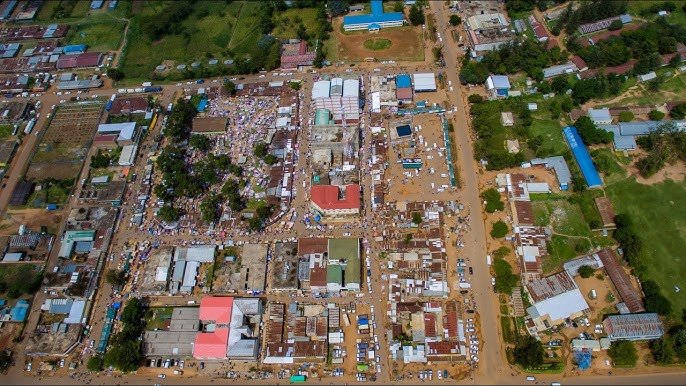
Wajir Town serves as the administrative, commercial, and social hub of the county.
The town has experienced significant development in recent years, with improvements in infrastructure, education, healthcare, and business activity contributing to its growth.
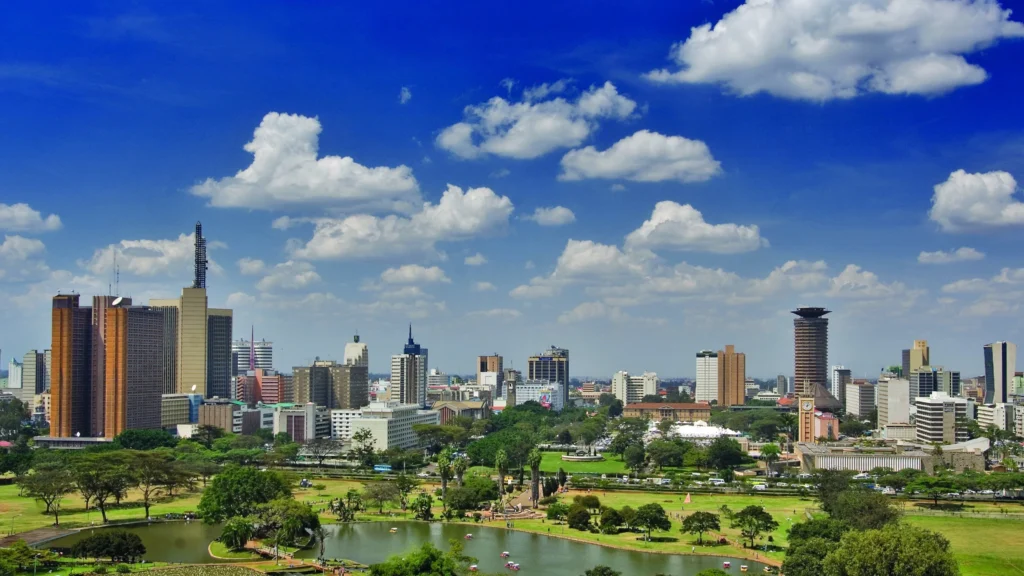
Visitors can explore local markets, restaurants, community centers, and commercial districts while experiencing the unique atmosphere of northern Kenya’s urban life.
The town reflects the dynamic balance between tradition and modernization that characterizes the region.
Its growth highlights the increasing importance of Wajir within Kenya’s development landscape.
Related artical : Best place to visit in Mumias