
Now Reading: Best place to visit in Mandera
-
01
Best place to visit in Mandera
Best place to visit in Mandera
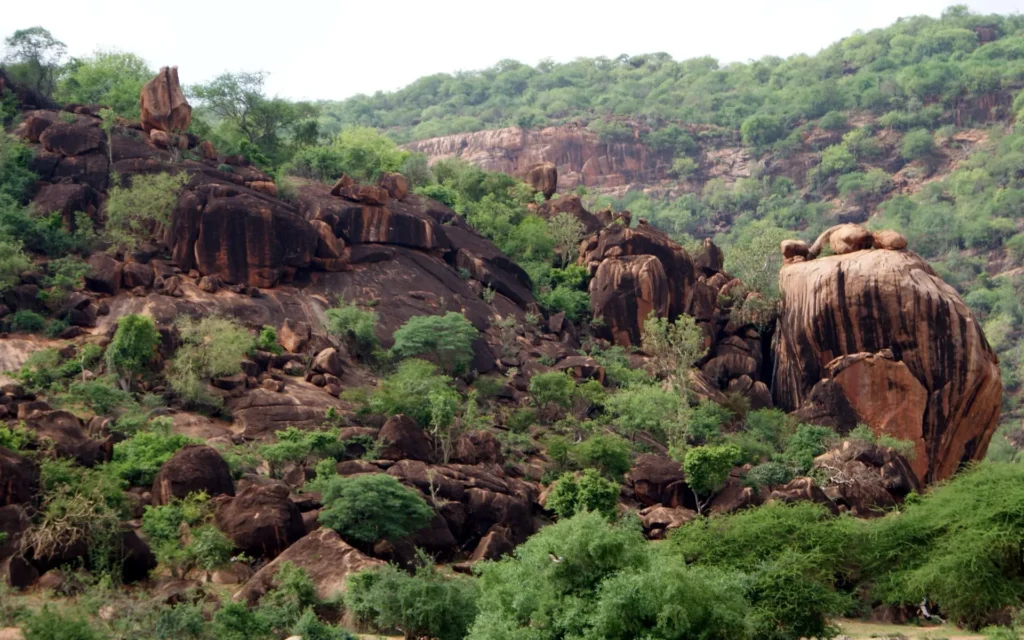
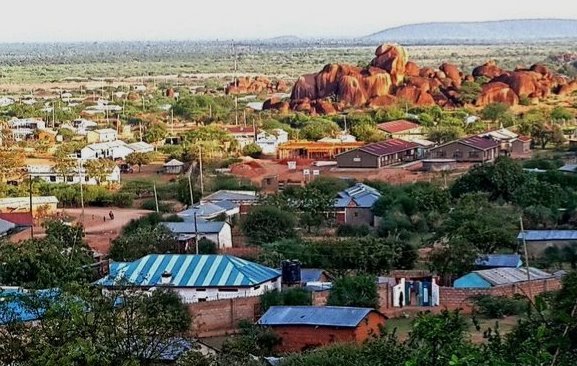
Mandera is one of Kenya’s most remote and fascinatig destinations, offering visitors an extraordinary opportunity to explore a region rich in cultural heritage, unique geography, historical significance, and striking desert landscapes. Located in the extreme northeastern corner of Kenya, Mandera serves as the capital of Mandera County and occupies one of the most strategic locations in East Africa.
What makes Mandera truly unique is its position near the point where Kenya, Ethiopia, and Somalia meet. This remarkable location has shaped the region’s history, culture, and identity for centuries, making it an important crossroads for trade, migration, and cultural exchange.
Unlike Kenya’s famous safari parks or coastal resorts, Mandera offers travelers a chance to experience authentic frontier life, vast open landscapes, traditional pastoral communities, and a rich cultural environment influenced by the Horn of Africa. The region’s resilience, diversity, and distinctive character create a destination unlike anywhere else in the country.
Whether you’re a cultural explorer, photographer, history enthusiast, geographer, or adventurous traveler seeking lesser-known destinations, Mandera promises a journey filled with discovery and unique experiences.
1. The Kenya–Ethiopia–Somalia Border Region – A Unique Geographic Landmark

One of Mandera’s most remarkable features is its proximity to the meeting point of three nations: Kenya, Ethiopia, and Somalia.
This unique geographic setting has made the region an important center for trade, cultural interaction, and movement across East Africa for centuries. The convergence of different communities, languages, and traditions creates a fascinating multicultural environment.
Visitors interested in geography and regional history often find the area’s strategic location particularly intriguing.
The borderlands illustrate how geography has shaped human settlement, commerce, and cultural development throughout the region.
Few places in Africa offer such a distinctive perspective on international frontiers and cultural exchange.
2. Dawa River – The Lifeline of Mandera

The magnificent Dawa River serves as one of the most important natural features in Mandera County.
Flowing along parts of the Kenya-Ethiopia border, the river provides water for communities, agriculture, livestock, and wildlife in an otherwise arid environment.
The contrast between the green riverbanks and the surrounding dry landscapes creates beautiful scenery and supports important ecosystems.
Visitors can enjoy peaceful views, photography opportunities, and insights into the role water plays in sustaining life in northern Kenya.
The river has shaped settlement patterns and economic activities throughout the region for generations.
3. Mandera Town – The Heart of the Frontier

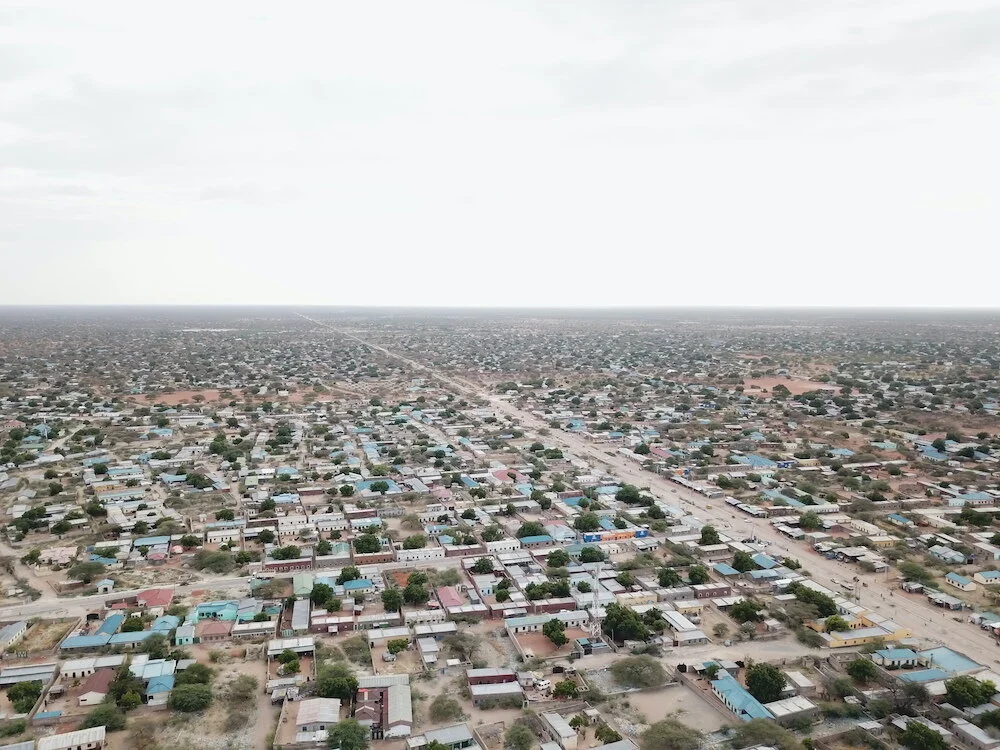
The vibrant town of Mandera serves as the administrative, economic, and cultural center of the county.
Visitors can explore local markets, community spaces, businesses, and cultural institutions while gaining a deeper understanding of life in one of Kenya’s most remote urban centers.
The town’s diverse population contributes to a rich cultural atmosphere influenced by traditions from across the Horn of Africa.
Mandera Town reflects both the challenges and opportunities of life in a frontier region.
Its growing infrastructure and development highlight the county’s increasing importance within Kenya.
4. Traditional Somali Culture – The Soul of Mandera

Mandera is deeply rooted in Somali culture and traditions.
Visitors have opportunities to experience customs, language, music, storytelling, traditional dress, and hospitality that have been preserved for generations. Community gatherings and cultural events provide valuable insights into local identity and social life.
The cultural heritage of the region reflects centuries of interaction between pastoral communities across East Africa and the Horn of Africa.
Learning about these traditions offers a richer understanding of the people who call Mandera home.
The warmth and resilience of local communities leave lasting impressions on many visitors.
5. Livestock Markets – The Economic Pulse of the Region

One of the most vibrant experiences in Mandera is visiting its bustling livestock markets.
Camels, goats, sheep, and cattle play a central role in the region’s economy and cultural identity. Traders gather from different areas to buy and sell animals, continuing traditions that have existed for centuries.
Visitors can observe negotiations, trading practices, and the social interactions that make these markets important community centers.
The markets offer an authentic glimpse into the pastoral lifestyle that sustains much of the region.
Their energy and significance make them among Mandera’s most fascinating attractions.
6. Desert Landscapes and Endless Horizons

One of Mandera’s greatest natural attractions is its dramatic desert scenery.
Vast plains, open horizons, scattered acacia trees, and seasonal riverbeds create landscapes of remarkable beauty and simplicity. The region’s expansive views offer a sense of freedom and scale that is difficult to find elsewhere.
Sunrise and sunset transform the environment with vibrant colors that attract photographers and nature enthusiasts.
The changing light across the desert landscape creates unforgettable visual experiences.
These landscapes embody the rugged beauty of Kenya’s northern frontier.
7. Traditional Pastoral Communities

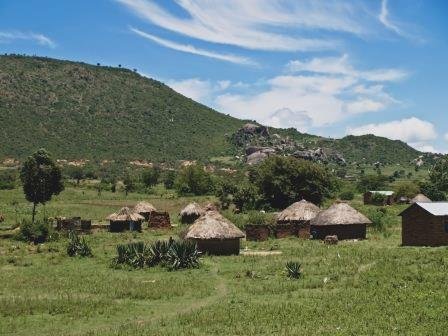
The surrounding countryside provides opportunities to learn about traditional pastoral lifestyles that have sustained communities for generations.
Livestock herding remains central to many families’ livelihoods and cultural identity. Visitors can gain insight into traditional knowledge systems, environmental adaptation, and sustainable resource management practices developed over centuries.
The resilience and expertise of pastoral communities are among the region’s most remarkable characteristics.
Understanding this way of life offers valuable perspectives on human adaptation to challenging environments.
The pastoral heritage remains an essential part of Mandera’s identity.
8. Birdwatching and Wildlife in Arid Ecosystems

Despite its arid climate, Mandera supports a surprising variety of wildlife and bird species.
Seasonal wetlands, river ecosystems, and open plains provide habitats for migratory birds, raptors, and animals adapted to dry environments.
Birdwatchers can observe species that are uncommon in other parts of Kenya, making the region particularly interesting for wildlife enthusiasts.
The diversity of life thriving under challenging conditions demonstrates the resilience of local ecosystems.
Nature lovers often discover unexpected ecological richness throughout the county.
9. Cultural Exchange and Historical Trade Routes

For centuries, Mandera has been part of important trade and migration routes connecting communities across East Africa and the Horn of Africa.
Merchants, pastoralists, and travelers have passed through the region, facilitating the exchange of goods, ideas, languages, and traditions.
Visitors interested in history can learn about the role these routes played in shaping local communities and regional relationships.
The legacy of cultural exchange remains visible in the diversity of customs and traditions found throughout the area.
This historical significance adds another dimension to Mandera’s appeal.
Related artical : Best place to visit in Wajir