
Now Reading: Best place to visit in Nong Khiaw
-
01
Best place to visit in Nong Khiaw
Best place to visit in Nong Khiaw

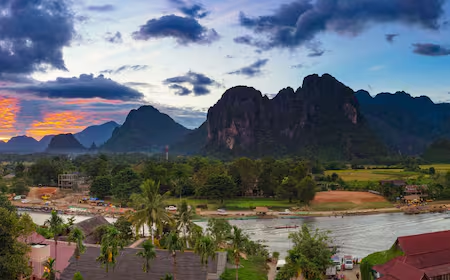
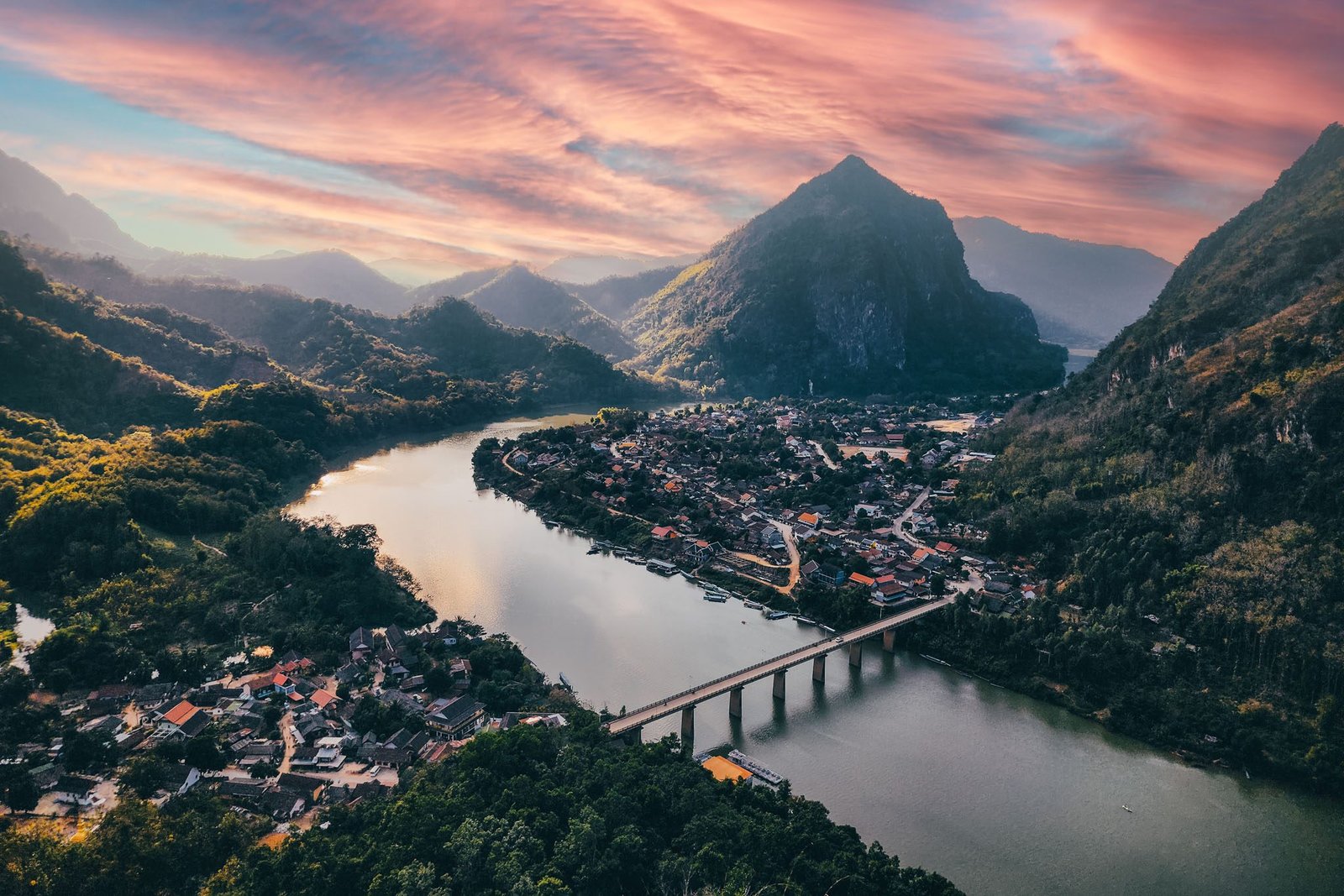
Nong Khiaw is one of the most breathtaking destinations in northern Laos. Nestled along the banks of the Nam Ou River and surrounded by towering limestone mountains, the town is famous for its dramatic scenery, rich history, traditional villages, and outdoor adventures.
Located in Luang Prabang Province, Nong Khiaw has long served as an important river settlement connecting remote communities throughout northern Laos. For centuries, the Nam Ou River functioned as a vital transportation route, supporting trade, agriculture, and cultural exchange between mountain villages and larger urban centers.
The region’s spectacular karst mountains, dense forests, caves, and river valleys have shaped both its history and identity. During periods of conflict in the twentieth century, many caves around Nong Khiaw provided shelter for local residents, adding an important historical dimension to the area’s natural beauty.
Today, Nong Khiaw is considered one of Laos’ premier eco-tourism destinations, attracting travelers who seek stunning landscapes, cultural experiences, hiking adventures, and peaceful riverside relaxation.
The following attractions represent the best places to visit in Nong Khiaw.
1. Nong Khiaw Viewpoint – The Most Famous Panorama in Laos
History
The mountains surrounding Nong Khiaw have served as natural landmarks for local communities for centuries.
As tourism developed in northern Laos, the viewpoint gained international recognition for offering one of the most spectacular panoramas in Southeast Asia.
Today, it is considered the town’s most iconic attraction.
Visitor Experience
Visitors can enjoy:
- Panoramic mountain views
- Sunrise photography
- Sunset photography
- Nam Ou River scenery
- Spectacular landscapes
The viewpoint provides unforgettable views of the entire valley.
2. Nam Ou River – The Lifeline of Nong Khiaw

History
For generations, the Nam Ou River served as the primary transportation route connecting remote villages throughout northern Laos.
The river supported fishing, agriculture, trade, and communication long before modern roads were constructed.
Its importance continues today as both a transportation corridor and tourism attraction.
Visitor Experience
Visitors can enjoy:
- Boat cruises
- Riverside walks
- Kayaking adventures
- Fishing communities
- Scenic photography
The river remains the heart of life in Nong Khiaw.
3. Pha Daeng Peak – The Ultimate Hiking Adventure

History
The rugged mountains surrounding Nong Khiaw were formed millions of years ago through geological processes that created the dramatic limestone landscape seen today.
These peaks have long been part of local folklore and cultural traditions.
Pha Daeng has become one of the region’s most popular hiking destinations.
Visitor Experience
Visitors can experience:
- Challenging mountain trails
- Spectacular viewpoints
- Limestone formations
- Forest landscapes
- Adventure trekking
The summit rewards hikers with breathtaking views.
4. Pha Tok Cave – The Wartime Refuge

History
During the Indochina conflicts, local residents used Pha Tok Cave as a shelter from aerial bombardments.
Hundreds of people sought refuge inside the cave, making it an important historical site in Nong Khiaw.
Today, the cave preserves the memory of this challenging period in Lao history.
Visitor Experience
Visitors can explore:
- Historic cave chambers
- Wartime exhibits
- Limestone formations
- Educational displays
- Scenic surroundings
The cave combines history and natural beauty.
5. Muang Ngoi Village – The Hidden Riverside Paradise

History
Accessible primarily by river for much of its history, Muang Ngoi remained isolated from modern development and preserved many traditional customs.
The village developed through farming, fishing, and river trade.
Today, it remains one of the most charming settlements in northern Laos.
Visitor Experience
Visitors can enjoy:
- Traditional village life
- Mountain scenery
- Riverside relaxation
- Cultural experiences
- Scenic walks
The village offers a peaceful escape from modern life.
6. 100 Waterfalls Trek – The Hidden Jungle Adventure

History
The waterfalls flowing through the forests surrounding Nong Khiaw have shaped local ecosystems for thousands of years.
Traditionally known only to local communities, these hidden cascades later became a popular eco-tourism attraction.
Visitor Experience
Visitors can discover:
- Multiple waterfalls
- Jungle trails
- Natural pools
- Forest landscapes
- Adventure activities
The trek offers one of the most unique experiences in Laos.
7. Traditional Hmong and Khmu Villages – Preserving Cultural Heritage

History
The mountains surrounding Nong Khiaw have long been home to Hmong, Khmu, and other ethnic communities.
These groups developed unique traditions, languages, and cultural practices that continue to thrive today.
Their heritage remains an important part of the region’s identity.
Visitor Experience
Visitors can experience:
- Traditional lifestyles
- Local crafts
- Cultural traditions
- Agricultural practices
- Community hospitality
The villages provide authentic cultural encounters.
8. Sleeping Lady Mountain – The Legendary Landmark

History
The mountain earned its name because its silhouette resembles a sleeping woman.
Local legends tell stories of love, sacrifice, and ancient spirits connected to the formation.
These stories have been passed down through generations.
Visitor Experience
Visitors can admire:
- Unique mountain formations
- Scenic viewpoints
- Cultural legends
- Photography opportunities
- Natural beauty
The mountain is one of Nong Khiaw’s most recognizable landmarks.
9. Nong Khiaw Bridge – Connecting Communities

History
The bridge crossing the Nam Ou River transformed transportation and communication in the region.
It connected communities previously separated by the river and contributed to economic growth.
Today, it remains an important symbol of development.
Visitor Experience
Visitors can enjoy:
- River panoramas
- Mountain views
- Photography opportunities
- Scenic walks
- Sunset landscapes
The bridge offers excellent views of the surrounding valley.
10. Riverside Sunset Points – The Most Beautiful Evenings in Northern Laos

History
For centuries, local communities ended their days along the riverbanks, watching the sun disappear behind the mountains.
The tradition continues today as both residents and visitors gather to enjoy the remarkable scenery.
The sunsets have become one of Nong Khiaw’s defining experiences.
Visitor Experience
Visitors can witness:
- Golden mountain reflections
- River scenery
- Spectacular sunsets
- Photography opportunities
- Peaceful atmosphere
The sunset views provide a perfect ending to a day in Nong Khiaw.
Related artical : Best place to visit in Viengkham