
Now Reading: Best place to visit in Viengkham
-
01
Best place to visit in Viengkham
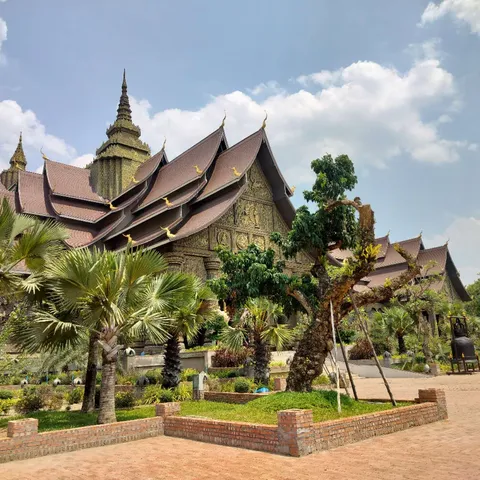
Best place to visit in Viengkham

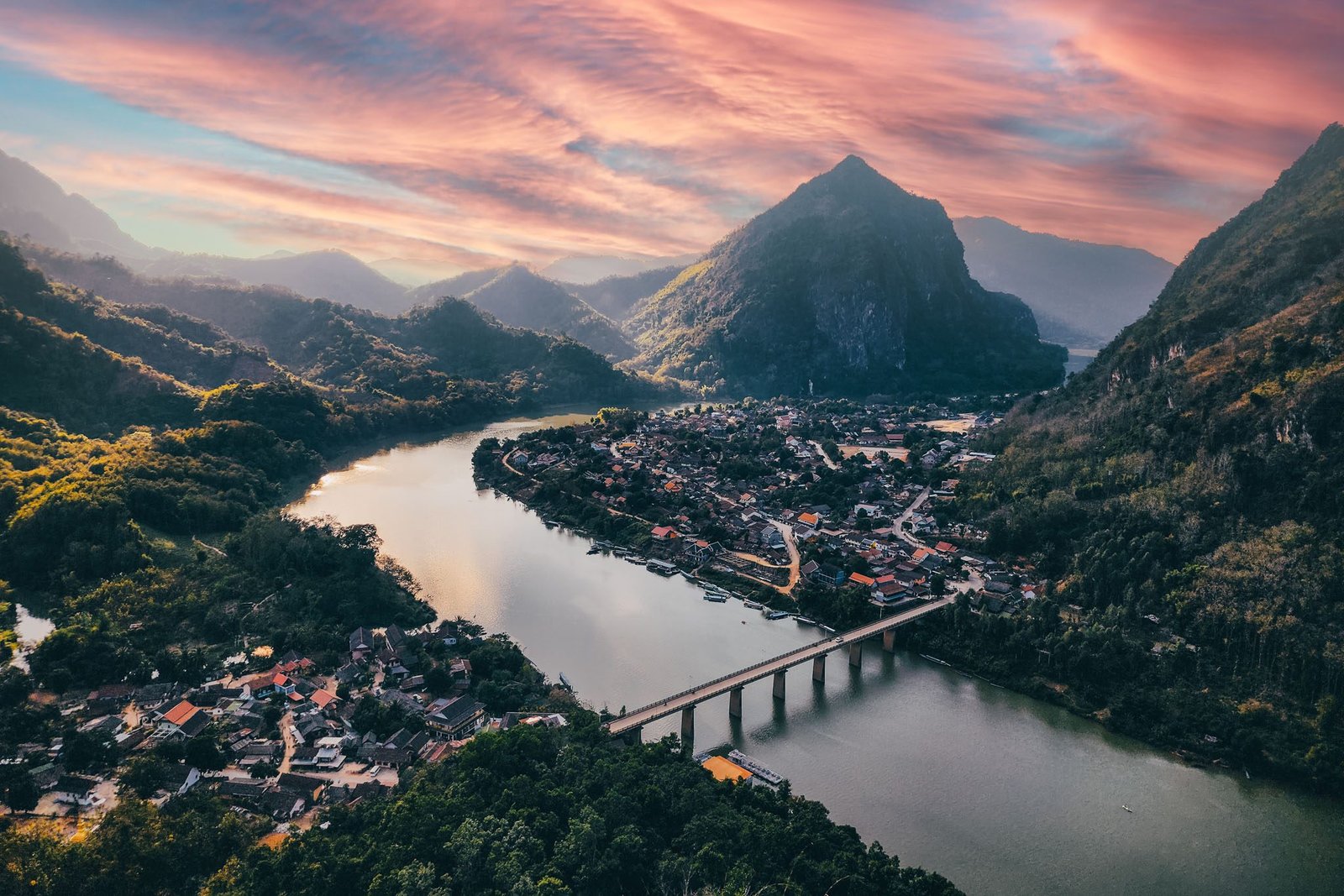
Viengkham is a beautiful district in northern Laos, located within the mountainous landscapes of Houaphanh Province. Surrounded by dramatic limestone mountains, fertile valleys, dense forests, rivers, and traditional villages, Viengkham is one of the most historically important regions in Laos.
For centuries, the area served as an important settlement for ethnic communities and later became closely associated with significant events in modern Lao history. During the revolutionary period, the surrounding mountains and caves provided natural protection and played a vital role in shaping the future of the nation.
Today, Viengkham attracts travelers seeking cultural heritage, natural beauty, historical landmarks, and authentic rural experiences. The region remains relatively untouched by mass tourism, allowing visitors to experience traditional Lao life and breathtaking landscapes.
The following attractions represent the best places to visit in Viengkham.
1. Viengxay Cave Complex – The Underground City of the Revolution

History
The Viengxay Cave Complex is one of the most significant historical sites in Laos.
During the Second Indochina War, thousands of people lived inside these limestone caves, including senior leaders of the Pathet Lao movement. Entire communities operated within the cave system, including schools, hospitals, offices, and communication centers.
Protected by towering mountains, the caves served as the revolutionary capital and played a crucial role in the formation of modern Laos.
Today, the site stands as a symbol of resilience, determination, and national independence.
Visitor Experience
Visitors can explore:
- Historic cave shelters
- Revolutionary headquarters
- Underground meeting halls
- Wartime exhibits
- Educational guided tours
The caves provide a remarkable journey through modern Lao history.
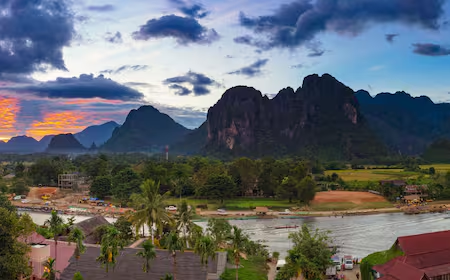
2. Limestone Mountains of Viengkham – Natural Guardians of the Valley

History
The limestone mountains surrounding Viengkham formed millions of years ago through geological processes that shaped the landscape of northern Laos.
Throughout history, these mountains provided natural protection for local communities and served as important landmarks for travelers crossing the region.
Their dramatic appearance continues to define the character of Viengkham today.
Visitor Experience
Visitors can enjoy:
- Spectacular mountain scenery
- Hiking opportunities
- Photography locations
- Panoramic viewpoints
- Nature exploration
The mountains create some of the most beautiful landscapes in Laos.
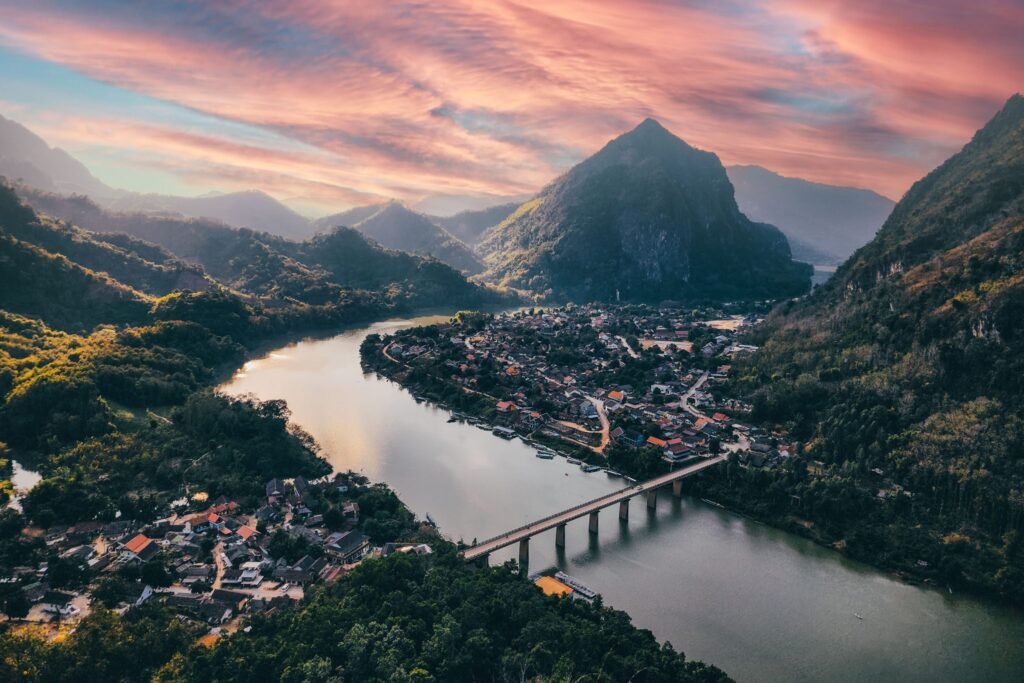
3. Nam Xam River Valley – The Lifeline of the Region

History
For centuries, the Nam Xam River supported agriculture, transportation, and settlement throughout the region.
Communities developed along its banks due to fertile farmland and reliable water sources. The river became central to local economic and social life.
Today, it remains one of the most important natural resources in Houaphanh Province.
Visitor Experience
Visitors can admire:
- River landscapes
- Traditional villages
- Agricultural scenery
- Photography opportunities
- Peaceful surroundings
The valley offers a relaxing escape into nature.
4. Traditional Tai Daeng Villages – Preserving Ancient Culture

History
The Tai Daeng people have lived in the region for centuries and are known for their distinctive cultural traditions, architecture, and weaving techniques.
Their villages preserve customs that have been passed down through generations, contributing significantly to the cultural identity of Houaphanh Province.
Visitor Experience
Visitors can discover:
- Traditional wooden houses
- Handwoven textiles
- Cultural ceremonies
- Local customs
- Community traditions
These villages offer authentic cultural experiences.
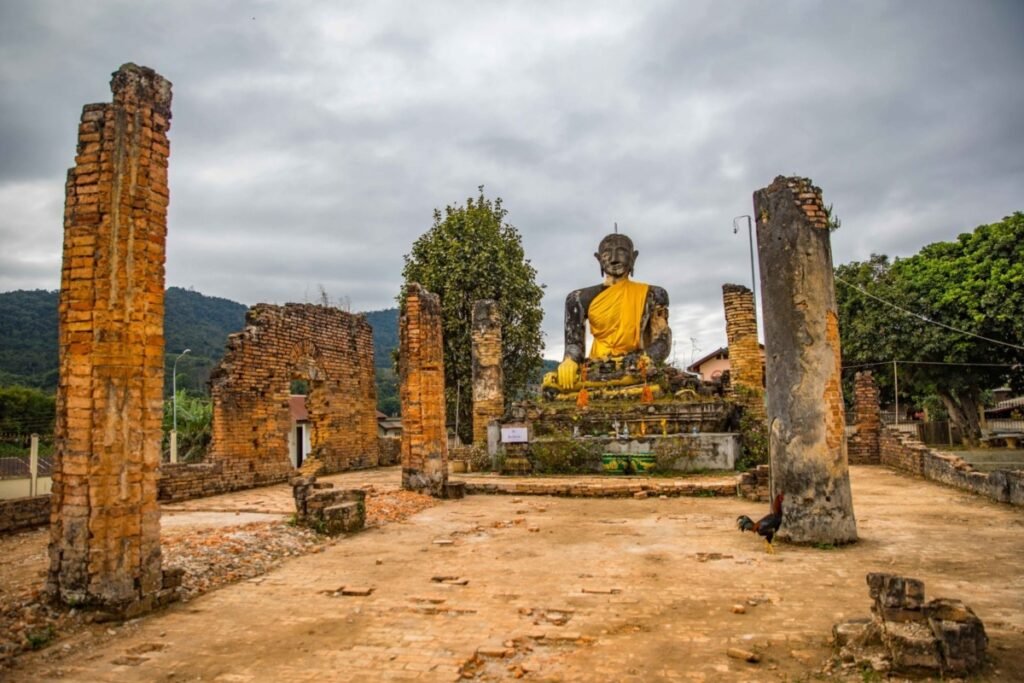
5. Revolutionary Memorial Sites – Honoring the Past

History
Several memorial sites throughout Viengkham commemorate the sacrifices and achievements of those involved in Laos’ revolutionary movement.
These landmarks preserve the memory of an important period in the nation’s history and honor the resilience of local communities.
Visitor Experience
Visitors can learn about:
- National history
- Revolutionary struggles
- Historical events
- Cultural heritage
- Local resilience
The memorials provide valuable educational experiences.
6. Forests of Houaphanh – A Natural Sanctuary

History
The forests surrounding Viengkham have supported wildlife and local communities for centuries.
These ecosystems provided food, medicine, timber, and shelter while helping preserve biodiversity throughout the region.
Conservation efforts continue to protect these valuable natural resources.
Visitor Experience
Visitors can enjoy:
- Forest trekking
- Wildlife observation
- Birdwatching
- Nature photography
- Eco-tourism activities
The forests showcase the environmental richness of northern Laos.
7. Local Markets of Viengkham – The Center of Community Life

History
Markets have long been central to social and economic life in Viengkham.
Farmers, traders, and artisans gather to exchange goods while maintaining cultural traditions and community relationships.
The market reflects the diverse ethnic makeup of the region.
Visitor Experience
Visitors can browse:
- Fresh produce
- Traditional foods
- Local textiles
- Handmade crafts
- Everyday products
The market offers insight into daily life.
8. Rural Countryside of Viengkham – The Agricultural Heritage

History
Agriculture has sustained communities in Viengkham for centuries.
Rice cultivation, livestock farming, and traditional agricultural practices continue to support local livelihoods and preserve cultural traditions.
The countryside remains largely unchanged from previous generations.
Visitor Experience
Visitors can admire:
- Rice fields
- Mountain backdrops
- Rural villages
- Traditional farming
- Scenic photography
The countryside reveals the timeless beauty of northern Laos.
9. Mountain Viewpoints of Viengkham – Panoramas of Northern Laos

History
The elevated ridges surrounding Viengkham have served as observation points and natural landmarks for centuries.
Travelers and local communities relied on these high points for navigation and communication across the mountainous terrain.
Visitor Experience
Visitors can enjoy:
- Panoramic mountain views
- Sunrise photography
- Sunset photography
- Scenic hiking
- Nature exploration
The viewpoints offer breathtaking perspectives of the region.
10. Ethnic Cultural Heritage Centers – Preserving Local Traditions

History
Cultural centers throughout the region help preserve the traditions, languages, and customs of the many ethnic groups living in Houaphanh Province.
These institutions document local history and promote the continuation of traditional knowledge.
Visitor Experience
Visitors can learn about:
- Traditional crafts
- Ethnic history
- Cultural ceremonies
- Folk traditions
- Community heritage
The centers provide valuable insight into the cultural richness of Viengkham.
Related artical :Best place to visit in Pakxan