
Now Reading: Best place to visit in Bauska
-
01
Best place to visit in Bauska
Best place to visit in Bauska

Bauska is one of Latvia’s most historically significant towns, located in the Zemgale region near the border with Lithuania. Situated at the confluence of the Mūsa and Mēmele rivers, which together form the Lielupe River, Bauska has long been an important strategic, cultural, and commercial center.
The origins of Bauska date back to the fifteenth century when the Livonian Order established a fortress to protect important trade routes and regional territories. Throughout its history, the town experienced the influence of German, Polish, Swedish, Russian, and Latvian cultures, each contributing to its rich architectural and cultural heritage.
Today, Bauska attracts visitors with its magnificent castles, museums, historic churches, charming old town, and proximity to some of Latvia’s most impressive historical estates. The city offers a fascinating combination of medieval history, Renaissance architecture, cultural attractions, and scenic landscapes.
The following attractions represent the best places to visit in Bauska.
1. Bauska Castle

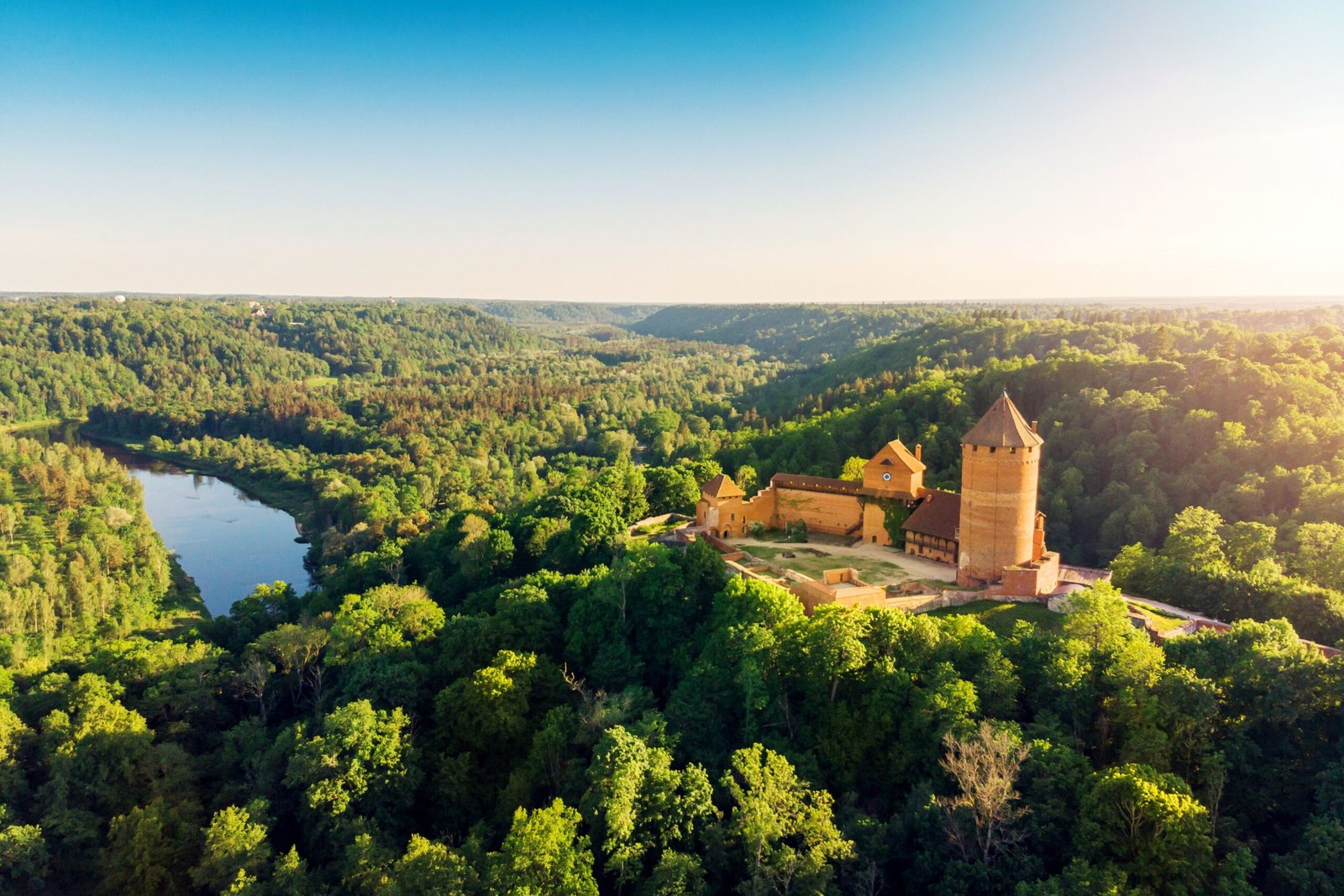
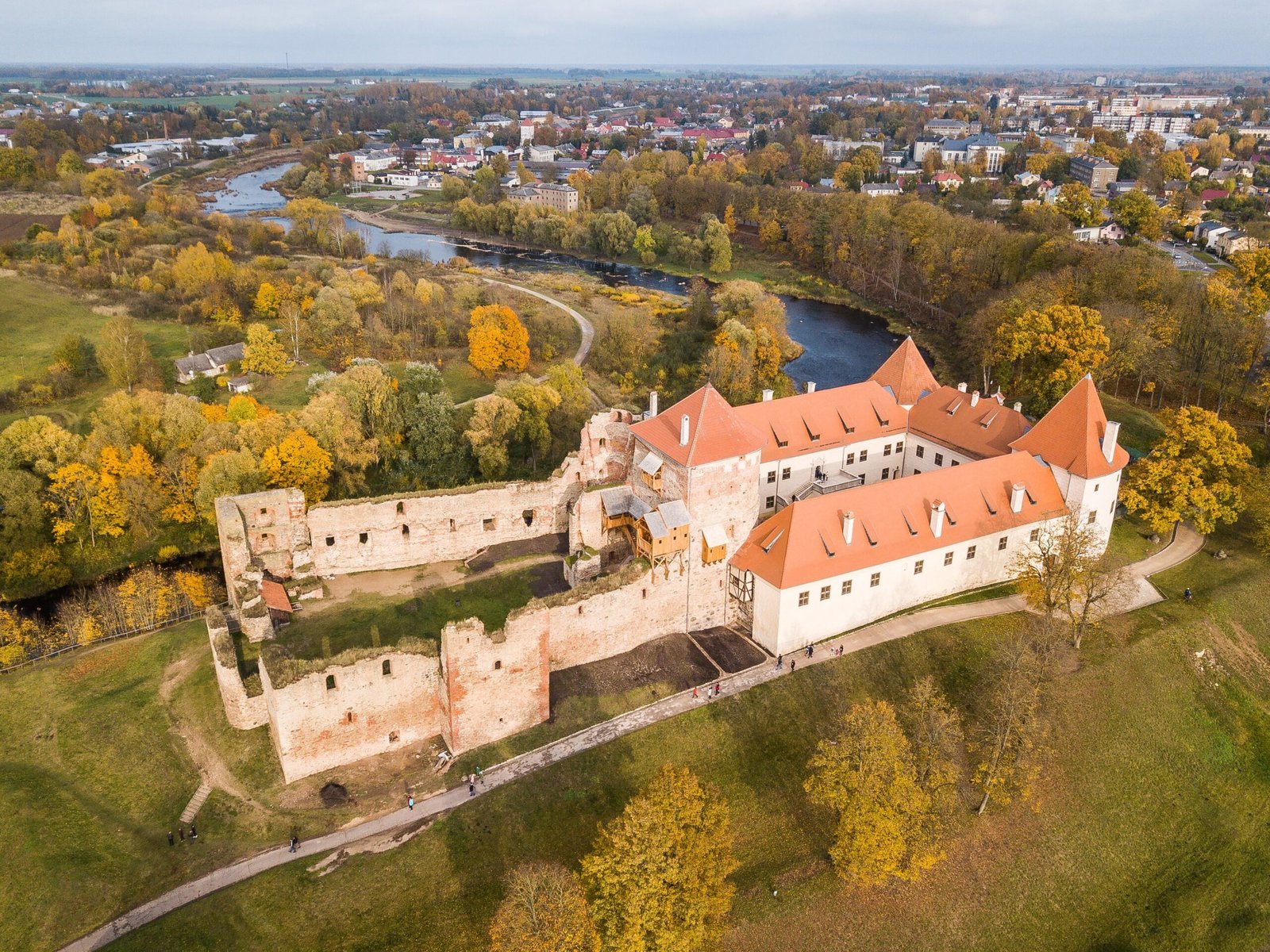
Bauska Castle is the most famous landmark in the city and one of Latvia’s most impressive historical monuments. Constructed during the fifteenth century by the Livonian Order, the fortress occupied a strategically important position between two rivers and served as a major defensive stronghold.
During the sixteenth century, a Renaissance-style palace was added to the medieval fortress, creating a unique architectural complex that combined military and residential functions. The castle played an important role in regional politics and witnessed numerous conflicts during wars involving neighboring powers.
Today, visitors can explore restored halls, exhibition galleries, defensive towers, and ancient walls while learning about the history of medieval and Renaissance Latvia. The castle remains one of the country’s most remarkable heritage sites.
2. Bauska Old Town
The Old Town of Bauska preserves much of the city’s historical charm and reflects centuries of urban development.
Its streets are lined with traditional buildings, historic homes, public squares, and cultural landmarks that showcase architectural styles from different periods. Merchants, craftsmen, and traders once conducted business here, contributing to the prosperity of the town.
Today, visitors can stroll through the peaceful streets, admire historic architecture, visit local shops and cafes, and experience the atmosphere of one of Latvia’s most authentic historic towns.
3. Rundāle Palace

Located near Bauska, Rundāle Palace is widely regarded as one of the most beautiful palaces in Northern Europe.
Designed by the renowned Italian architect Bartolomeo Rastrelli during the eighteenth century, the palace was built as a residence for the Duke of Courland. Its magnificent Baroque and Rococo architecture reflects the wealth and sophistication of the era.
Visitors can explore lavishly decorated rooms, grand halls, historical exhibitions, and beautifully landscaped French-style gardens. The palace is considered one of Latvia’s greatest architectural treasures and attracts visitors from around the world.
4. Bauska Museum

The Bauska Museum preserves the cultural, historical, and artistic heritage of the city and surrounding region.
Its collections include archaeological artifacts, ethnographic materials, historical documents, photographs, and exhibitions that illustrate the development of Bauska through different historical periods.
Visitors can learn about local traditions, regional history, and everyday life while gaining a deeper understanding of the Zemgale region.
The museum remains an important center for education and cultural preservation.
5. Holy Spirit Church

The Holy Spirit Church is one of the oldest religious buildings in Bauska and an important example of sacred architecture in Latvia.
Built during the late sixteenth century, the church served generations of worshippers and played a significant role in community life. Its architecture combines historical design elements with artistic features that have been preserved for centuries.
Visitors appreciate the church’s elegant interior, historical significance, and peaceful atmosphere.
6. Mūsa and Mēmele River Confluence

The meeting point of the Mūsa and Mēmele rivers is one of the most distinctive geographical features of Bauska.
For centuries, these waterways supported transportation, trade, fishing, and settlement throughout the region. The rivers also provided natural protection for the nearby castle and town.
Today, visitors can enjoy scenic walks, photography opportunities, and beautiful views of the landscape where the two rivers unite to form the Lielupe River.
The location remains one of the city’s most picturesque attractions.
7. Bauska Nature Park

The natural areas surrounding Bauska provide opportunities to explore the diverse landscapes of the Zemgale region.
Forests, rivers, meadows, and wildlife habitats create a peaceful environment for hiking, cycling, and nature observation. The region has long supported agricultural communities while preserving important ecological resources.
Visitors can experience the natural beauty of southern Latvia while enjoying outdoor recreation and scenic views.
8. Bauska Cultural Centre

The Cultural Centre serves as the heart of contemporary cultural life in Bauska.
Throughout the year, the venue hosts concerts, exhibitions, theatrical performances, educational programs, and community events that celebrate local traditions and artistic achievements.
The center plays an important role in preserving cultural heritage while supporting modern creativity and public engagement.
Visitors often have the opportunity to experience authentic cultural events during their stay.
9. Mežotne Palace

Located near Bauska, Mežotne Palace is one of Latvia’s finest examples of Neoclassical architecture.
Built during the late eighteenth century, the palace served as a residence for aristocratic families and became an important cultural landmark in the region. Its elegant design, landscaped grounds, and historical significance continue to attract visitors.
The palace offers insight into the lifestyle, culture, and architecture of Latvia’s noble heritage.
10. Mežotne Hillfort

Mežotne Hillfort is one of the most important archaeological sites in Latvia and provides evidence of ancient Semigallian civilization.
Long before medieval castles appeared, the hillfort served as a fortified settlement and regional center for local tribes. Archaeological excavations revealed valuable information about early Baltic culture, trade, and daily life.
Visitors can explore the site while enjoying panoramic views of the surrounding countryside and learning about Latvia’s prehistoric past.
The hillfort remains an important symbol of the region’s ancient heritage.
Related artical : Best place to visit in Sigulda