
Now Reading: Best place to visit in Aizkraukle
-
01
Best place to visit in Aizkraukle
Best place to visit in Aizkraukle

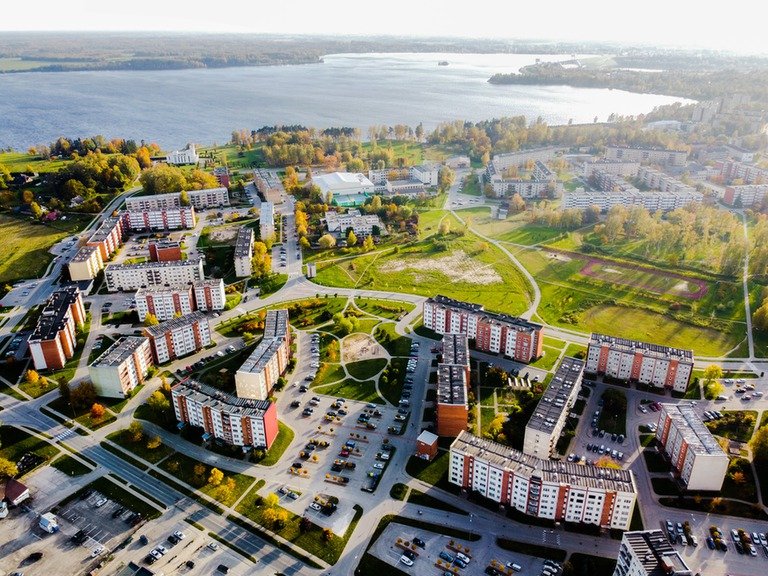
Aizkraukle is a fascinating town located along the banks of the majestic Daugava River in central Latvia. Positioned between Riga and Daugavpils, Aizkraukle combines ancient history, Soviet-era development, natural beauty, and cultural heritage into a unique destination that reflects many chapters of Latvian history.
The region around Aizkraukle has been inhabited for centuries and was once an important center of the ancient Latgalian tribes. During the medieval period, the area gained strategic significance due to its location along important trade routes following the Daugava River. Over time, castles, settlements, and agricultural communities emerged, shaping the cultural landscape of the region.
Modern Aizkraukle developed significantly during the twentieth century, particularly with the construction of the Pļaviņas Hydroelectric Power Station. Today, the city attracts visitors interested in history, archaeology, museums, nature, and river landscapes. The surrounding region offers a remarkable blend of historical landmarks and scenic beauty.
The following attractions represent the best places to visit in Aizkraukle.
1. Aizkraukle Medieval Castle Ruins
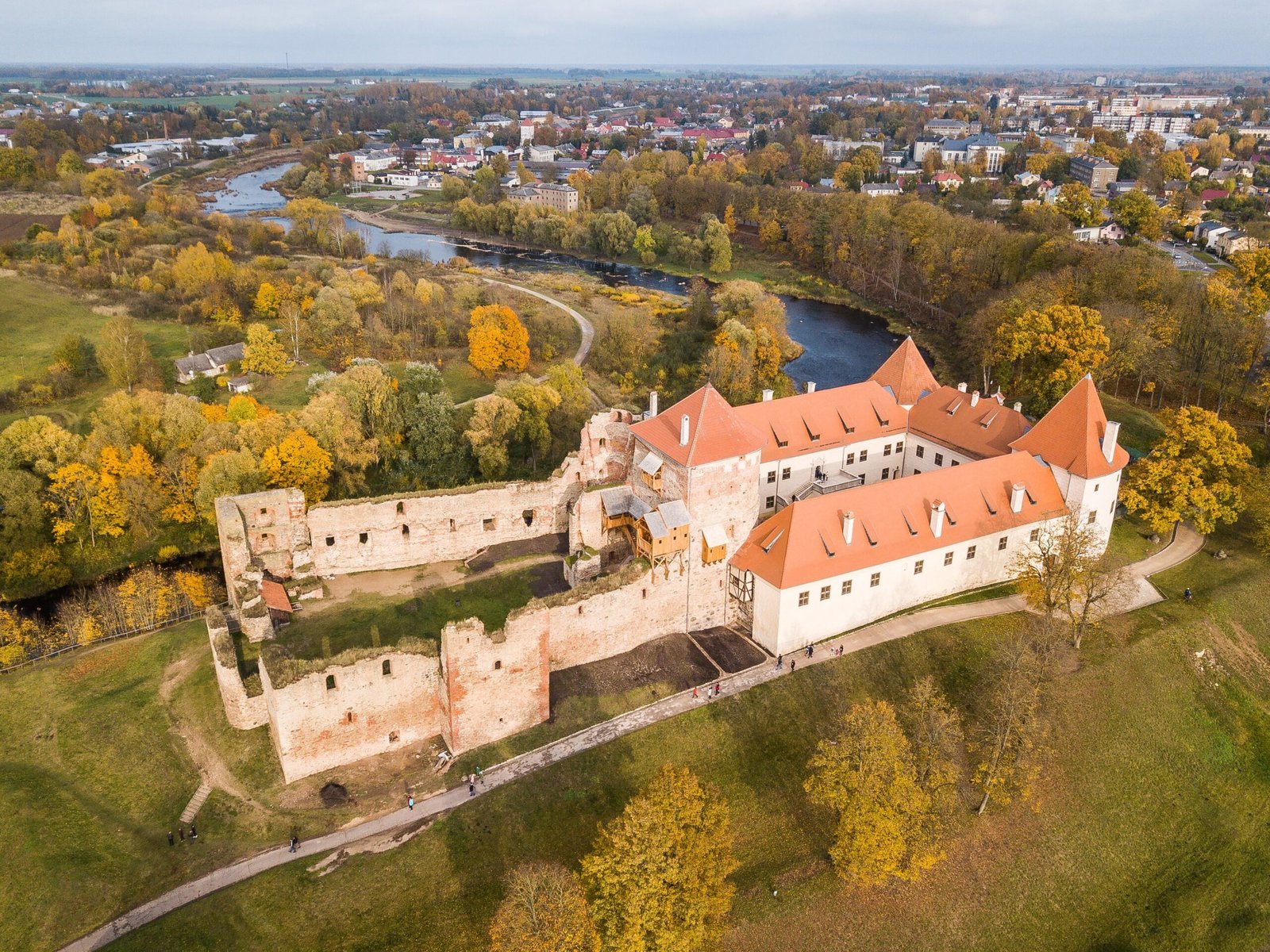
The Aizkraukle Medieval Castle Ruins are among the most important historical landmarks in the region. Built during the thirteenth century by the Livonian Order, the fortress was strategically positioned above the Daugava River to control trade routes and protect surrounding territories.
Throughout the medieval period, the castle served as a military stronghold and administrative center. It witnessed numerous battles and political changes before gradually falling into ruin. Despite centuries of weathering, parts of the structure still survive and provide valuable insight into medieval architecture and regional history.
Visitors can explore the ruins while enjoying panoramic views of the surrounding landscape. The site remains a powerful reminder of Latvia’s medieval past.
2. Aizkraukle History and Art Museum

The Aizkraukle History and Art Museum preserves the cultural, artistic, and historical heritage of the city and surrounding region.
Its collections include archaeological discoveries, traditional crafts, historical photographs, ethnographic exhibits, and artworks that document local life across many centuries. Visitors can learn about ancient settlements, medieval history, Soviet-era development, and modern Latvian culture.
The museum serves as an important educational institution and offers valuable insight into the evolution of the region.
3. Daugava River Promenade
The Daugava River has shaped the history and development of Aizkraukle for centuries. As Latvia’s most important river, it served as a major transportation route connecting different regions and cultures.
The modern promenade offers visitors beautiful views of the river and surrounding landscapes. Walking paths, observation areas, and recreational spaces make the waterfront one of the most attractive areas in the city.
Visitors can enjoy peaceful walks, photography opportunities, and stunning sunsets while experiencing the natural beauty of the Daugava Valley.
4. Kalna Ziedi Memorial Park
Kalna Ziedi Memorial Park serves as an important place of remembrance and reflection. The site commemorates significant historical events and individuals connected to the region.
The park combines landscaped gardens, monuments, and peaceful natural surroundings to create an environment suitable for reflection and learning. Visitors can explore the area while gaining a deeper understanding of local history and cultural heritage.
Its tranquil atmosphere makes it one of the most meaningful locations in Aizkraukle.
5. Pļaviņas Hydroelectric Power Station

The Pļaviņas Hydroelectric Power Station is one of the largest engineering achievements in Latvia and played a major role in the development of modern Aizkraukle.
Constructed during the twentieth century, the facility harnesses the power of the Daugava River to generate electricity for the country. Its construction significantly transformed the surrounding landscape and contributed to regional economic growth.
Visitors interested in engineering, technology, and modern history often find the power station particularly fascinating.
6. Aizkraukle Lutheran Church

The Lutheran Church stands as one of the city’s most important religious landmarks and reflects centuries of spiritual tradition in the region.
Throughout its history, the church has served as a center of worship, education, and community life. Its architecture combines historical design elements with local craftsmanship, creating a structure that remains both culturally and spiritually significant.
Visitors appreciate the church’s peaceful atmosphere, elegant architecture, and historical importance.
7. Aizkraukle Marsh Nature Trail
The marsh nature trail provides visitors with an opportunity to experience the rich biodiversity of Latvia’s wetland ecosystems.
Boardwalks and observation platforms allow safe access to sensitive habitats where visitors can observe birds, plants, and other wildlife. Educational information helps explain the ecological importance of wetlands and conservation efforts in the region.
The trail is particularly popular among nature enthusiasts, photographers, and birdwatchers.
8. Ancient Aizkraukle Settlement Site

The ancient settlement site provides evidence of human habitation dating back many centuries before the medieval period.
Archaeological discoveries revealed traces of early communities that lived along the Daugava River and participated in regional trade networks. The site offers valuable insight into the lives, traditions, and economic activities of ancient Baltic peoples.
Visitors interested in archaeology and early history will find the location especially rewarding.
9. Daugava Valley Viewpoint

The Daugava Valley Viewpoint offers some of the most spectacular scenery in central Latvia. Elevated above the river, the location provides sweeping views of forests, waterways, and rural landscapes.
For centuries, travelers and residents admired the beauty of the valley, which remains one of Latvia’s most iconic natural landscapes. The viewpoint is especially popular during sunrise and sunset when changing light creates dramatic scenery.
Photography enthusiasts frequently consider this one of the best locations in the region.
10. Skrīveri Dendrological Park

Located near Aizkraukle, Skrīveri Dendrological Park is one of the most beautiful botanical attractions in the region.
The park contains a diverse collection of trees, shrubs, and ornamental plants from various parts of the world. Walking paths guide visitors through scenic landscapes that change beautifully with the seasons.
The park provides opportunities for relaxation, nature observation, and photography while showcasing the rich botanical diversity of Latvia.
Related artical : Best place to visit in Bauska