
Now Reading: Best place to visit in Latvia
-
01
Best place to visit in Latvia
Best place to visit in Latvia
1. Riga Old Town
Introduction

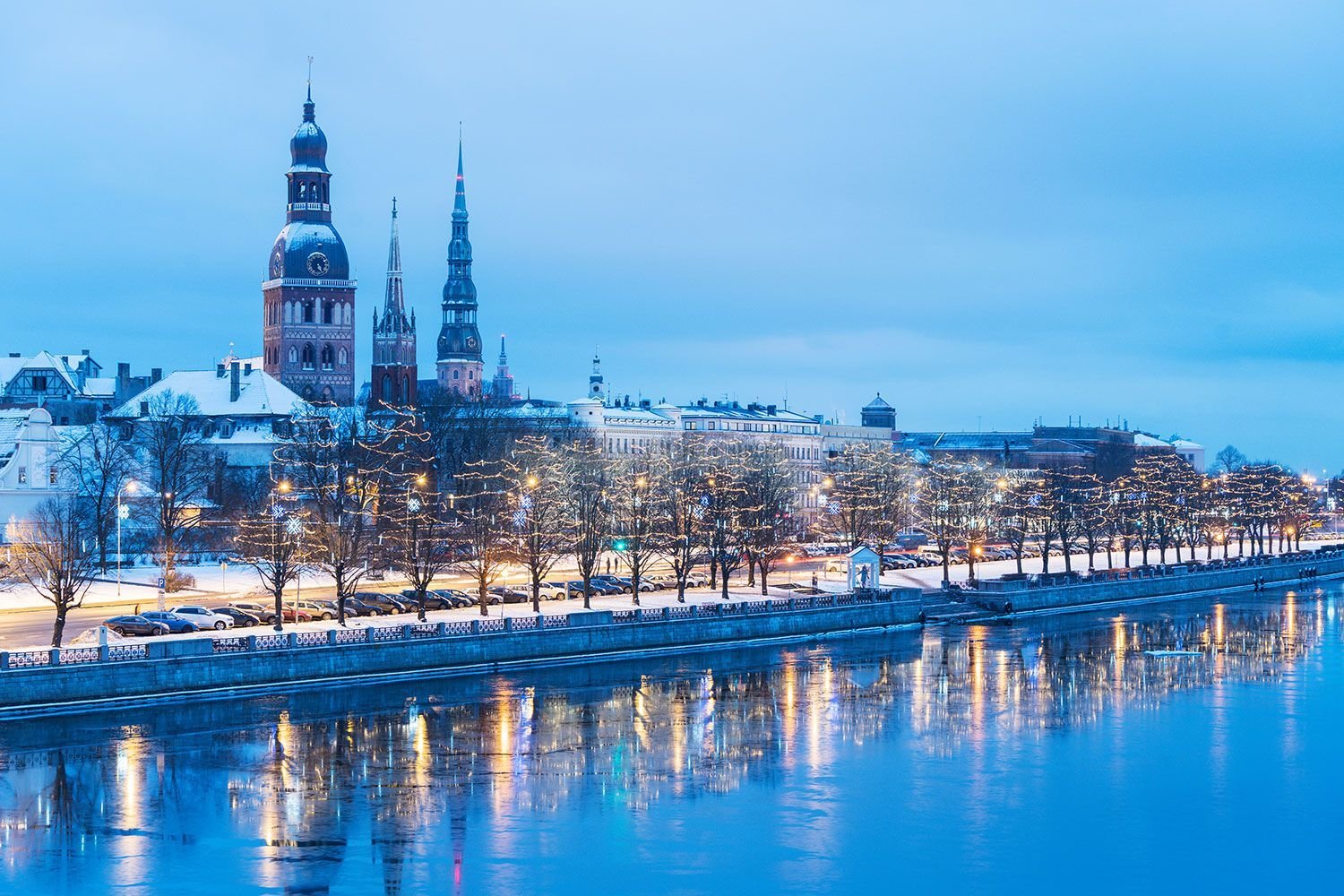
Riga Old Town is the historical heart of Latvia’s capital and one of the best-preserved medieval urban centers in Northern Europe. Recognized as a UNESCO World Heritage Site, the district is famous for its cobblestone streets, colorful merchant houses, Gothic churches, medieval squares, and centuries of history.
Founded in the early thirteenth century, Riga Old Town became an important trading center of the Hanseatic League, connecting merchants from across Europe. The city’s strategic location along the Daugava River helped it grow into one of the wealthiest and most influential cities in the Baltic region.
Walking through the Old Town today feels like stepping into a living museum. Visitors encounter centuries-old architecture, historic landmarks, cultural institutions, cafes, and museums while experiencing the atmosphere that has defined Riga for hundreds of years.
History
The origins of Riga date back to 1201 when German Bishop Albert established the city as a major religious and commercial center. During the medieval period, Riga prospered through trade and became one of the leading cities of the Hanseatic League.
Over the centuries, the city came under the influence of German, Polish, Swedish, and Russian rulers, each contributing to its architectural and cultural development. Despite wars and political changes, much of the historic center survived and continues to preserve the city’s medieval character.
Today, Riga Old Town remains Latvia’s most visited attraction and serves as a symbol of the country’s rich heritage.
2. House of the Black Heads
Introduction

House of the Black Heads is one of the most iconic buildings in Latvia and a masterpiece of Gothic and Renaissance architecture. Located in the heart of Riga Old Town, the building stands as a symbol of the city’s prosperous merchant history.
Its magnificent façade, decorative sculptures, and rich historical significance make it one of the most photographed landmarks in the Baltic States.
History
The original building was constructed during the fourteenth century for the Brotherhood of the Black Heads, an association of unmarried merchants, shipowners, and foreign traders. These merchants played a major role in Riga’s commercial success and international trade connections.
During World War II, the building was heavily damaged and later demolished during the Soviet period. Following Latvia’s independence, it was meticulously reconstructed and reopened in 1999, restoring one of Riga’s greatest architectural treasures.
Today, visitors can explore grand halls, historical exhibitions, and elegant interiors that reveal the fascinating story of Riga’s merchant elite.
3. Riga Cathedral
Introduction

Riga Cathedral is the largest medieval church in the Baltic States and one of Latvia’s most important religious and cultural monuments.
Dominating the skyline of Riga Old Town, the cathedral attracts visitors with its impressive architecture, historic organ, and centuries of spiritual significance.
History
Construction began shortly after the founding of Riga in 1211 under the direction of Bishop Albert. Over the centuries, the cathedral underwent numerous renovations and expansions, resulting in a unique blend of Romanesque, Gothic, Baroque, and Art Nouveau architectural styles.
The cathedral became a center of religious life, education, and music throughout Latvian history. Its famous pipe organ, installed during the nineteenth century, was once considered one of the largest and finest organs in the world.
Today, the cathedral hosts concerts, cultural events, and religious services while remaining one of Latvia’s most treasured landmarks.
4. Jurmala Beach
Introduction

Jūrmala Beach is Latvia’s most famous seaside destination and one of the finest beaches along the Baltic Sea coast.
Stretching for more than 30 kilometers, the beach is known for its soft white sand, pine forests, fresh sea air, and charming resort atmosphere.
History
Jūrmala developed as a health and wellness resort during the nineteenth century when wealthy residents of Riga began building summer villas along the coast. The area’s natural environment, mineral waters, and mild climate attracted visitors seeking relaxation and treatment.
During the Soviet era, Jūrmala became one of the most prestigious resort destinations in the Soviet Union. Today, it remains Latvia’s premier seaside getaway and continues to attract tourists from around the world.
Visitors enjoy swimming, sunbathing, cycling, spa treatments, and long walks along the beautiful coastline.
5. Gauja National Park
Introduction

Gauja National Park is Latvia’s oldest and largest national park, covering vast forests, river valleys, sandstone cliffs, caves, and historical monuments.
Often referred to as the natural jewel of Latvia, the park offers visitors an extraordinary combination of natural beauty and cultural heritage.
History
Established in 1973, the park was created to protect the unique landscapes of the Gauja River Valley and preserve important ecosystems and historical sites.
For thousands of years, the area supported human settlements, trade routes, and medieval castles. Today, the park remains one of Latvia’s most important conservation areas and attracts hikers, cyclists, photographers, and nature enthusiasts.
Visitors can explore forests, caves, cliffs, castles, and scenic viewpoints throughout the region.
6. Turaida Castle
Introduction

Turaida Castle is one of the most famous medieval castles in the Baltic States.
Perched on a hill overlooking the Gauja River Valley, the castle is known for its distinctive red brick architecture and breathtaking surroundings.
History
Built in 1214 by the Archbishop of Riga, Turaida Castle served as a strategic military and administrative center. Throughout centuries of warfare and political change, the fortress remained an important stronghold.
Today, the restored castle forms part of the Turaida Museum Reserve and offers visitors the opportunity to explore medieval towers, exhibition halls, and panoramic observation points.
The castle is also associated with the legendary story of the Rose of Turaida, one of Latvia’s most beloved historical legends.
7. Cesis Castle
Introduction

Cēsis Castle is one of Latvia’s most important medieval fortresses and a symbol of the country’s rich historical heritage.
The castle complex consists of impressive ruins, restored sections, museums, and surrounding parkland that attract thousands of visitors each year.
History
Constructed during the early thirteenth century by the Livonian Brothers of the Sword, Cēsis Castle became one of the most powerful strongholds in medieval Livonia.
The fortress served as a military headquarters and political center for centuries. Although damaged during wars, the surviving ruins remain among the finest examples of medieval architecture in Latvia.
Today, visitors can explore ancient towers, underground chambers, and museum exhibitions while learning about medieval life and warfare.
8. Rundale Palace
Introduction

Rundāle Palace is widely regarded as the most magnificent palace in Latvia and one of the greatest examples of Baroque architecture in Northern Europe.
Its luxurious interiors, grand halls, and beautiful gardens make it one of the country’s most visited attractions.
History
The palace was designed during the eighteenth century by the renowned Italian architect Bartolomeo Rastrelli for the Duke of Courland.
Inspired by the great palaces of Europe, Rundāle became a symbol of aristocratic wealth and cultural sophistication. Following extensive restoration efforts, the palace was transformed into a museum that preserves its historical splendor.
Visitors can admire lavish rooms, art collections, and beautifully landscaped French gardens.
9. Venta Rapid
Introduction

Venta Rapid is one of Latvia’s most famous natural attractions and the widest waterfall in Europe.
Stretching approximately 249 meters across the Venta River, the waterfall creates a spectacular natural landscape that attracts visitors throughout the year.
History
For centuries, Venta Rapid played an important role in local fishing traditions. Fishermen developed unique methods for catching salmon and other fish as they leaped over the falls during migration seasons.
The waterfall became an important symbol of Kuldīga and remains one of Latvia’s most photographed natural landmarks.
Visitors enjoy riverside walks, scenic viewpoints, and the opportunity to witness one of Europe’s most unusual waterfalls.
10. Kemeri National Park
Introduction

Ķemeri National Park is one of Latvia’s most important protected natural areas and a paradise for nature lovers.
The park is famous for its vast wetlands, raised bogs, mineral springs, forests, lakes, and diverse wildlife.
History
Established in 1997, the park protects ecosystems that developed over thousands of years. The area has long been known for its mineral-rich waters and therapeutic mud, which contributed to the development of nearby health resorts.
Today, visitors can explore the famous Great Ķemeri Bog Boardwalk, observe rare bird species, and experience one of the most unique landscapes in Northern Europe.
The park remains one of Latvia’s premier destinations for eco-tourism, wildlife photography, and outdoor exploration.
11. Cape Kolka
Introduction

Cape Kolka is one of Latvia’s most unique natural landmarks, located at the northern tip of the Courland Peninsula where the Baltic Sea meets the Gulf of Riga. This remote and windswept destination is renowned for its dramatic coastal scenery, rich maritime history, and untouched natural beauty.
The area is surrounded by dense forests, sandy beaches, and diverse wildlife habitats, making it one of the most picturesque locations in Latvia. Visitors are often captivated by the sight of two large bodies of water meeting, creating distinctive wave patterns and ever-changing seascapes.
History
For centuries, Cape Kolka served as an important navigation point for sailors traveling through the Baltic Sea. Due to dangerous currents and shifting sandbanks, the area became notorious among seafarers and was marked by lighthouses and navigation systems.
Historically inhabited by the Livonian people, one of Europe’s oldest indigenous communities, the region preserves elements of Livonian culture and traditions. Today, Cape Kolka remains a symbol of Latvia’s maritime heritage and natural beauty.
12. Liepaja Beach
Introduction

Liepāja Beach is one of the most beautiful beaches in the Baltic region, famous for its fine white sand, wide shoreline, and spectacular sunsets.
Stretching for several kilometers along Latvia’s western coast, the beach offers visitors a peaceful retreat where nature and the sea create a stunning environment for relaxation and recreation.
History
Liepāja developed as an important port city during the nineteenth century, and its beach quickly became a popular destination for residents and travelers seeking fresh sea air and leisure activities.
During the Soviet period, parts of the coastline were restricted due to military installations, helping preserve the area’s natural character. Today, Liepāja Beach is celebrated as one of Latvia’s finest coastal attractions and continues to attract visitors from around the world.
13. Karosta Prison
Introduction

Karosta Prison is one of the most unusual and intriguing tourist attractions in Latvia. Located within the historic Karosta military district, the prison offers visitors a fascinating and often chilling glimpse into military history.
Known for its authentic atmosphere and dramatic stories, Karosta Prison has become one of Latvia’s most popular historical attractions.
History
Built at the beginning of the twentieth century as a military detention facility, the prison was used by various regimes including Imperial Russia, Nazi Germany, and the Soviet Union.
Unlike many historical prisons, Karosta remained largely unchanged, preserving original cells, corridors, and administrative areas. Today, visitors can participate in guided tours, historical experiences, and exhibitions that reveal the realities of military discipline and imprisonment throughout the twentieth century.
14. Aglona Basilica
Introduction

Aglona Basilica is the most important Catholic shrine in Latvia and one of the country’s most significant religious landmarks.
The basilica’s impressive white towers, elegant Baroque architecture, and spiritual atmosphere attract pilgrims and visitors throughout the year.
History
Construction of the basilica began during the late seventeenth century under the direction of Dominican monks. Over the centuries, Aglona became a major center of Catholic faith in the Baltic region.
The basilica gained international recognition when Pope John Paul II visited in 1993. Today, thousands of pilgrims gather annually during religious celebrations, making Aglona one of Latvia’s most important spiritual destinations.
15. Daugavpils Fortress
Introduction

Daugavpils Fortress is the largest fortress in Northern Europe and one of the most impressive military monuments in the Baltic region.
Covering a vast area with defensive walls, bastions, gates, and historic buildings, the fortress represents one of the finest examples of nineteenth-century military engineering.
History
Construction began in 1810 under the Russian Empire during the Napoleonic Wars. Designed to defend strategic routes along the Daugava River, the fortress remained an important military center for more than a century.
Today, visitors can explore restored buildings, museums, art centers, and historical exhibitions while discovering the fascinating military history of eastern Latvia.
16. Latvian Ethnographic Open-Air Museum
Introduction

Latvian Ethnographic Open-Air Museum is one of the oldest and largest open-air museums in Europe.
Situated on the shores of Lake Jugla, the museum preserves traditional Latvian architecture, rural culture, and historical lifestyles through an extensive collection of authentic buildings.
History
Established in 1924, the museum was created to preserve traditional farmhouses, churches, windmills, workshops, and village structures from different regions of Latvia.
Today, visitors can walk through reconstructed rural communities, observe traditional crafts, and learn about everyday life as it existed centuries ago. The museum offers a remarkable journey into Latvia’s cultural heritage.
17. White Dune
Introduction

White Dune is one of Latvia’s most famous coastal landmarks. Rising above the Baltic Sea shoreline, the dune offers breathtaking views of the sea, forests, and coastline.
The area is particularly popular among hikers, photographers, and nature lovers seeking spectacular scenery.
History
Formed through centuries of wind and coastal erosion, the dune has become an iconic symbol of Latvia’s natural heritage. The surrounding landscape inspired numerous artists, writers, and travelers who visited the Baltic coast.
Today, visitors can enjoy scenic walking trails, observation points, and peaceful natural surroundings while exploring one of Latvia’s most beautiful coastal environments.
18. Gutmanis Cave
Introduction

Gutmanis Cave is the largest cave in the Baltic States and one of Latvia’s most famous natural attractions.
Carved into sandstone cliffs by underground springs over thousands of years, the cave attracts visitors with its impressive size, geological significance, and historical inscriptions.
History
The cave has been known for centuries and is associated with numerous legends and folklore traditions. It became particularly famous through the story of the Rose of Turaida, one of Latvia’s most beloved historical legends.
Ancient carvings and inscriptions found on the cave walls provide valuable evidence of visitors who traveled to the site hundreds of years ago. Today, it remains one of the most visited natural landmarks in Latvia.
19. Bauska Castle
Introduction

Bauska Castle is one of Latvia’s most impressive historical monuments, combining a medieval fortress with a Renaissance palace.
Located between the Mūsa and Mēmele rivers, the castle dominates the surrounding landscape and reflects centuries of political and military history.
History
The Livonian Order constructed the original fortress during the fifteenth century to protect regional trade routes and strategic territories. Later, a magnificent Renaissance residence was added, transforming the site into both a defensive and residential complex.
Today, visitors can explore restored interiors, towers, exhibition halls, and castle walls while learning about the rich history of the Zemgale region.
20. Ligatne Nature Trails
Introduction

Līgatne Nature Trails is one of Latvia’s best wildlife and nature destinations, located within the beautiful Gauja National Park.
The trails provide visitors with the opportunity to observe native Latvian animals in natural forest environments while exploring one of the country’s most important conservation areas.
History
The nature trails were established to educate visitors about Latvia’s wildlife and promote environmental conservation. Over the years, the area became home to species such as elk, deer, wild boar, lynx, bears, foxes, and various birds.
Today, visitors can walk through well-maintained forest trails, enjoy wildlife observation, and learn about the ecosystems that have shaped Latvia’s natural heritage for thousands of years.
Related artical : Best place to visit in Madona