Now Reading: Best place to visit in Shuri
-
01
Best place to visit in Shuri
Best place to visit in Shuri

Shuri is one of the most historically important districts in Okinawa and was once the capital of the independent Ryukyu Kingdom. Today, Shuri forms part of the city of Naha and remains the cultural heart of Okinawa, preserving centuries of royal history, traditional architecture, and unique Ryukyuan heritage.
For nearly 450 years, Shuri served as the political, cultural, and diplomatic center of the Ryukyu Kingdom, which maintained trade relationships with China, Japan, Korea, and Southeast Asia. This international influence helped create a distinct culture that differs from mainland Japan in language, architecture, music, cuisine, and customs.
Visitors to Shuri can explore royal palaces, ancient stone roads, historic gates, sacred sites, and cultural landmarks while learning about one of East Asia’s most fascinating historical kingdoms.
1. Shuri Castle

Overview and History
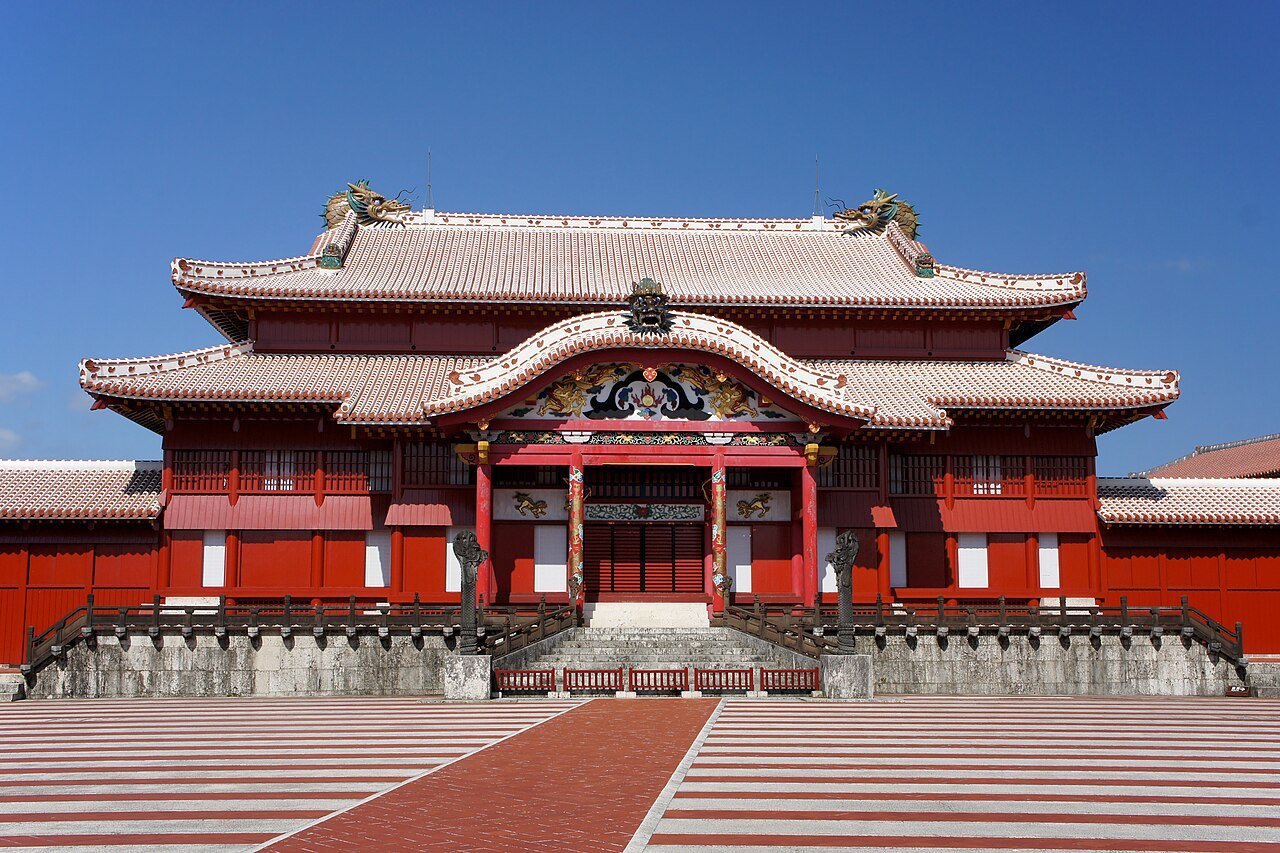
Shuri Castle is the most famous attraction in Okinawa and the former royal palace of the Ryukyu Kingdom.
Originally constructed during the fourteenth century, the castle served as the residence of Ryukyuan kings and the center of government for centuries. Its architecture reflects a unique blend of Chinese, Japanese, and indigenous Okinawan influences, making it unlike any other castle in Japan.
The castle witnessed important diplomatic events, royal ceremonies, and cultural developments throughout Ryukyuan history. Although the structure suffered destruction multiple times, including during World War II and a devastating fire in 2019, restoration efforts continue to preserve its historical significance.
Today, Shuri Castle remains a powerful symbol of Okinawan identity and cultural pride.
2. Shureimon Gate

Overview and History
Shureimon Gate is one of Okinawa’s most recognizable landmarks and appears in countless photographs, postcards, and tourism materials.
Built during the sixteenth century, the gate served as an important ceremonial entrance to Shuri Castle. Its elegant red structure reflects strong Chinese architectural influences, highlighting the kingdom’s historical relationship with China.
The gate symbolizes hospitality and cultural exchange, values that were central to the Ryukyu Kingdom’s role as a maritime trading nation.
Visitors often begin their exploration of Shuri Castle through this iconic entrance.
3. Tamaudun Royal Mausoleum

Overview and History
Tamaudun is the royal mausoleum of the Ryukyu Kingdom and one of Okinawa’s most important historical sites.
Constructed in 1501 by King Sho Shin, the mausoleum served as the burial place for generations of Ryukyuan royalty. The impressive stone structure reflects traditional Ryukyuan architecture and demonstrates the importance of ancestor worship within local culture.
Recognized as part of Okinawa’s UNESCO World Heritage Sites, Tamaudun provides valuable insight into the beliefs, traditions, and political history of the kingdom.
The site remains one of the finest surviving examples of royal Ryukyuan architecture.
4. Sonohyan-utaki Stone Gate

Overview and History
Sonohyan-utaki Stone Gate is a sacred religious site associated with the Ryukyu royal family.
Built in the sixteenth century, the gate marked the entrance to a sacred grove where prayers were offered before royal journeys. Unlike many religious sites elsewhere in Japan, Ryukyuan spirituality developed unique traditions centered on nature worship and ancestral reverence.
The stone craftsmanship and historical significance of the site earned it UNESCO recognition as part of the cultural heritage of the Ryukyu Kingdom.
Visitors can appreciate both its architectural beauty and spiritual importance.
5. Kinjo Stone-Paved Road

Overview and History
Kinjo Stone-Paved Road is one of the few surviving examples of traditional Ryukyuan streets.
The road dates back several centuries and was used by royal officials, merchants, and residents traveling between important locations in Shuri. Lined with stone walls, traditional houses, and lush vegetation, the pathway offers visitors a glimpse into everyday life during the Ryukyu Kingdom.
Walking along the road feels like stepping back in time and provides a peaceful contrast to the modern city surrounding it.
It remains one of the most charming and atmospheric places in Shuri.
6. Enkaku-ji Temple Site

Overview and History
Enkaku-ji Temple Site was once one of the most important Buddhist temples in the Ryukyu Kingdom.
Founded during the fifteenth century, the temple served both religious and political functions and maintained strong connections with Chinese Buddhist traditions.
Although much of the original structure was destroyed during wartime, the site continues to preserve important aspects of Ryukyuan religious history and cultural identity.
Visitors interested in spiritual heritage and historical architecture often include it in their exploration of Shuri.
7. Ryutan Pond

Overview and History
Ryutan Pond is a beautiful artificial pond located near Shuri Castle.
Created during the fifteenth century, the pond was designed to welcome Chinese envoys visiting the Ryukyu Kingdom. The surrounding gardens, bridges, and landscapes reflect both Chinese and Ryukyuan design influences.
Today, the pond provides a tranquil setting for relaxation and photography while offering insight into the kingdom’s diplomatic history.
The site remains one of the most scenic locations in Shuri.
8. Shikina-en Royal Garden

Overview and History
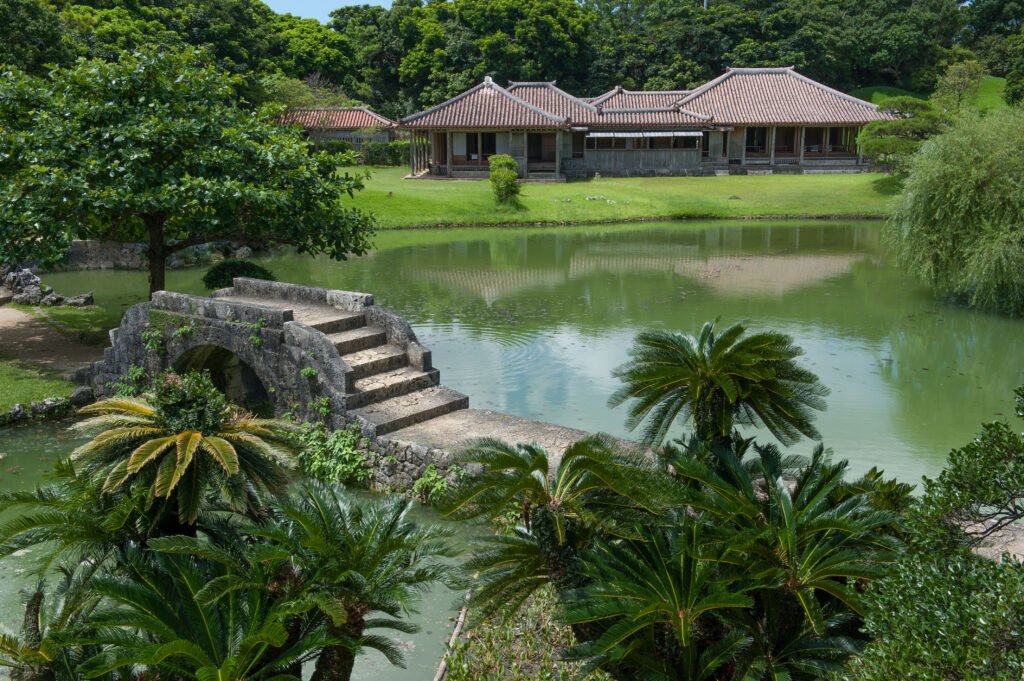
Shikina-en served as a secondary residence and retreat for Ryukyuan royalty.
Built in the eighteenth century, the garden combines Chinese and Japanese landscaping traditions while maintaining a distinctive Okinawan character. Kings often entertained foreign diplomats and important guests here.
The property includes elegant pavilions, walking paths, ponds, bridges, and scenic viewpoints.
As a UNESCO World Heritage Site, Shikina-en remains one of Okinawa’s most beautiful cultural attractions.
9. Shuri Cultural District

Overview and History
Shuri Cultural District preserves many aspects of traditional Okinawan life.
Visitors can discover local crafts, traditional music, pottery, textiles, and regional cuisine that reflect centuries of Ryukyuan heritage. The district contains historic buildings and cultural institutions that help preserve the unique identity of Okinawa.
The area provides excellent opportunities to experience local culture beyond the major historical landmarks.
10. Shuri Observation Points

Overview and History
Shuri Observation Points offer spectacular views across Naha, the East China Sea, and the surrounding landscape.
Because Shuri is located on elevated terrain, it historically provided strategic advantages for defense and governance. Today, visitors can enjoy panoramic vistas that highlight the district’s geographic importance.
The viewpoints are particularly beautiful during sunrise and sunset when the city and coastline are bathed in warm light.
History of Shuri
Shuri emerged as the capital of the Ryukyu Kingdom during the fifteenth century and remained the kingdom’s political and cultural center until the late nineteenth century. The kingdom prospered through maritime trade, connecting Japan, China, Korea, and Southeast Asia. This position as a trading hub allowed Shuri to develop a unique multicultural identity that blended influences from across East Asia.
In 1879, the Ryukyu Kingdom was formally incorporated into Japan, marking the end of independent rule. During World War II, Shuri became the site of intense fighting during the Battle of Okinawa, resulting in widespread destruction of historical buildings and cultural treasures.
Following the war, extensive restoration efforts helped rebuild many of the district’s most important landmarks. Today, Shuri stands as a symbol of Okinawan resilience, cultural preservation, and historical significance.
Related artical : Best place to visit in Lesotho