
Now Reading: Best place to visit in Amami
-
01
Best place to visit in Amami
Best place to visit in Amami

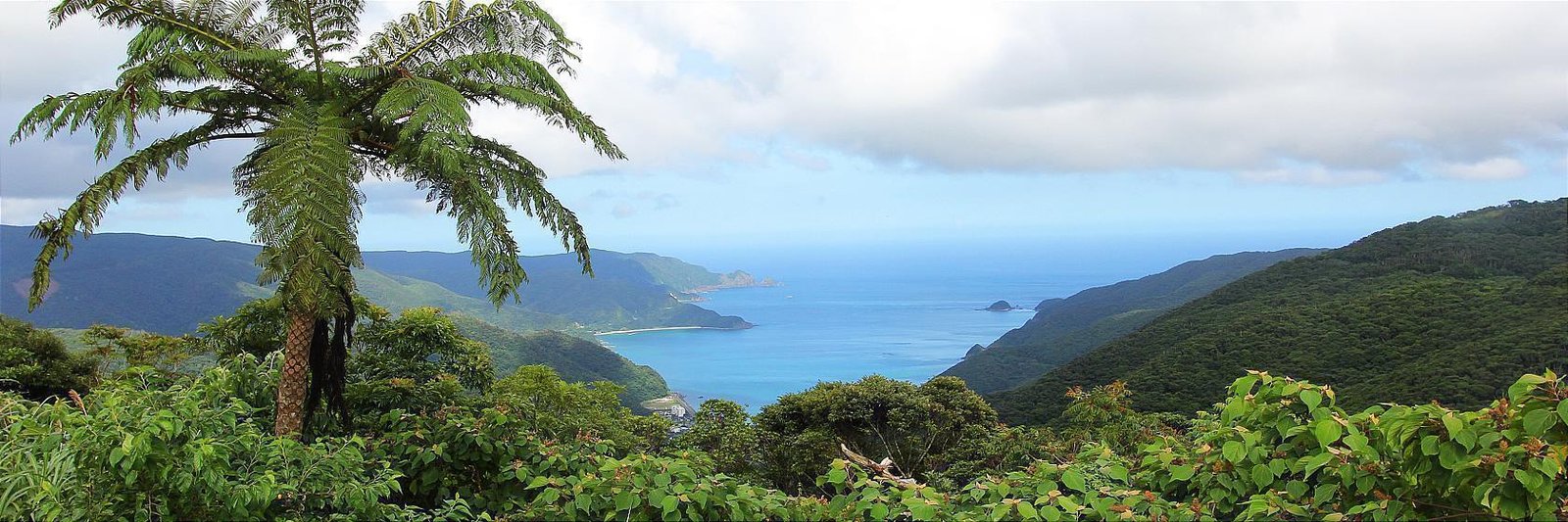
Amami is one of Japan’s most spectacular island destinations, located between Kyushu and Okinawa in the East China Sea. The Amami Islands are famous for their untouched subtropical forests, pristine beaches, crystal-clear waters, diverse wildlife, and rich cultural heritage. Often called the “Galápagos of the East,” Amami is home to many rare and endangered species found nowhere else in the world.
For centuries, the islands served as an important link between mainland Japan, Okinawa, China, and Southeast Asia. This strategic location influenced local traditions, language, music, and culture, creating a unique identity distinct from both Okinawa and mainland Japan. In 2021, large parts of the region were recognized as a UNESCO World Heritage Site because of their extraordinary biodiversity and ecological importance.
Today, Amami attracts nature lovers, photographers, divers, hikers, and cultural travelers seeking an authentic island experience away from Japan’s more crowded tourist destinations.
1. Amami Gunto National Park

Overview and History
Amami Gunto National Park is one of Japan’s most important protected natural areas.
The park contains vast subtropical forests, mangroves, rivers, mountains, coral reefs, and coastal ecosystems that support exceptional biodiversity. Numerous rare species, including the endangered Amami rabbit and Amami jay, inhabit these forests.
The region’s ecological significance led to its designation as part of a UNESCO World Heritage Site. Conservation efforts continue to protect the unique habitats that make Amami internationally important.
Visitors can explore hiking trails, wildlife observation areas, and scenic viewpoints throughout the park.
2. Tomori Beach

Overview and History
Tomori Beach is often referred to as one of the most beautiful beaches in the Amami Islands.
The beach is famous for its brilliant turquoise waters, soft white sand, and excellent snorkeling conditions. Coral reefs located close to shore support diverse marine life, making the area popular among swimmers and underwater photographers.
The calm atmosphere and pristine environment provide an ideal setting for relaxation and nature appreciation.
Its breathtaking scenery has made it one of the most iconic coastal destinations in Amami.
3. Kinsakubaru Primeval Forest

Overview and History
Kinsakubaru Primeval Forest is one of Japan’s finest examples of untouched subtropical rainforest.
The dense forest contains ancient trees, rare plants, waterfalls, and wildlife species found nowhere else on Earth. Guided eco-tours allow visitors to explore the area while learning about its ecological significance and conservation efforts.
The forest has remained largely undisturbed for centuries, preserving an environment that closely resembles the island’s original natural landscape.
It is considered one of the most important ecological treasures in Japan.
4. Mangrove Primeval Forest

Overview and History
Mangrove Primeval Forest is one of the largest mangrove ecosystems in Japan.
Visitors can explore the waterways by kayak, observing birds, fish, crabs, and other wildlife that depend on this unique habitat. The mangroves play a vital role in protecting coastal ecosystems and maintaining biodiversity.
The area has become one of Amami’s most popular eco-tourism attractions.
Its peaceful environment and rich wildlife create an unforgettable experience.
5. Cape Ayamaru

Overview and History
Cape Ayamaru is one of the island’s most scenic coastal destinations.
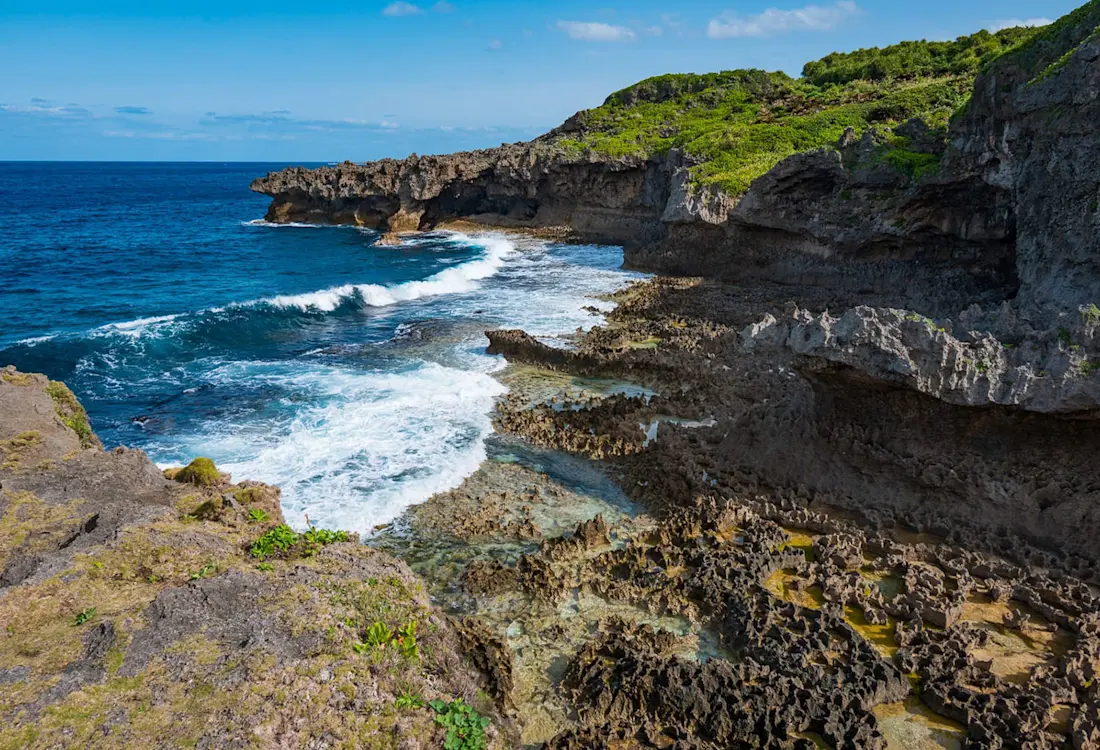
The cape features dramatic ocean views, coral reefs, tropical vegetation, and observation areas overlooking the East China Sea. Visitors can enjoy walking trails, photography opportunities, and spectacular sunsets.
Historically, the cape served as a landmark for sailors navigating the surrounding waters.
Its combination of natural beauty and accessibility makes it a favorite attraction among visitors.
6. Sakibaru Beach

Overview and History
Sakibaru Beach is known for its peaceful atmosphere and unspoiled beauty.
The beach offers crystal-clear waters, white sand, and a secluded environment ideal for relaxation. Unlike many commercialized tourist destinations, Sakibaru Beach remains largely untouched.
Visitors can enjoy swimming, beach walks, and photography while appreciating the natural environment.
The beach perfectly represents the tranquil charm of Amami.
7. Ohama Seaside Park

Overview and History
Ohama Seaside Park is one of the island’s most popular recreational areas.
The park includes a beautiful beach, marine exhibits, walking paths, picnic facilities, and educational displays about local ecosystems. It is particularly famous for its spectacular sunsets.
Families, photographers, and nature enthusiasts frequently visit the park throughout the year.
The location combines recreation, education, and scenic beauty in a single destination.
8. Amami Park

Overview and History
Amami Park is dedicated to preserving and promoting the history, culture, and traditions of the Amami Islands.
The facility contains museums, cultural exhibits, art galleries, and educational programs that explore local customs, music, folklore, and historical development.
Visitors can gain valuable insight into the unique identity of the Amami people and their relationship with neighboring regions.
The park serves as one of the most important cultural institutions in the islands.
9. Yuwan-dake

Overview and History
Yuwan-dake is the highest mountain in the Amami Islands.
The mountain supports diverse ecosystems and offers hiking opportunities through lush forests filled with rare plants and wildlife. Observation points provide breathtaking views of the island, coastline, and surrounding ocean.
Historically, the mountain held spiritual significance for local communities and remains an important natural landmark.
Its ecological importance makes it a valuable destination for nature lovers.
10. Honohoshi Coast

Overview and History
Honohoshi Coast is one of the most unusual coastal landscapes in Japan.
Unlike sandy beaches, the coast is covered with smooth rounded pebbles shaped by centuries of powerful ocean waves. The dramatic scenery, crashing surf, and unique geology create a striking natural environment.
Visitors can observe the continuous movement of pebbles caused by waves, producing distinctive sounds along the shoreline.
The coast remains one of Amami’s most fascinating geological attractions.
History of Amami
The history of Amami stretches back thousands of years and reflects the islands’ role as a cultural crossroads between Japan, Okinawa, China, and Southeast Asia. Throughout history, the islands developed unique traditions, languages, music, and social customs influenced by regional trade and exchange.
During the era of the Ryukyu Kingdom, Amami maintained strong cultural and economic connections with Okinawa while also interacting with mainland Japan. The islands later came under the control of the Satsuma Domain, influencing their political and economic development.
Despite modernization, Amami has successfully preserved much of its natural environment and cultural heritage. In recent years, international recognition of its biodiversity culminated in UNESCO World Heritage status for significant portions of the islands.
Today, Amami is celebrated as one of Japan’s most important ecological and cultural treasures.
Related artical : Best place to visit Kumejima