
Now Reading: Best place to visit in Lew Chew
-
01
Best place to visit in Lew Chew
Best place to visit in Lew Chew
1. Shuri Castle

Introduction
Shuri Castle is the most important historical landmark in Okinawa and a powerful symbol of the former Ryukyu Kingdom. Located in the city of Naha, the castle served as the royal residence and political center of the Ryukyu Kingdom for more than 450 years. Its distinctive red architecture, influenced by both Chinese and Japanese styles, reflects Okinawa’s unique position as a center of international trade and cultural exchange.
History
The origins of Shuri Castle date back to the late 13th or early 14th century. During the Ryukyu Kingdom era, it became the center of government, diplomacy, culture, and religion. Kings ruled the kingdom from this magnificent palace while maintaining trade relationships with China, Japan, Korea, and Southeast Asian nations.
The castle suffered extensive damage during the Battle of Okinawa in 1945 when it was almost completely destroyed. Reconstruction efforts began decades later, and the castle was carefully rebuilt using traditional methods. In 2000, it became part of the UNESCO World Heritage-listed Sites of the Gusuku and Related Properties of the Kingdom of Ryukyu. Although a major fire damaged the main structures in 2019, restoration work continues to preserve this important cultural treasure.
Architecture and Highlights
Visitors can admire the impressive Seiden Main Hall, ceremonial gates, royal courtyards, and beautifully decorated interiors. The castle’s elevated location offers panoramic views of Naha and the surrounding region. Traditional Ryukyuan design elements, intricate carvings, and historical exhibits help visitors understand the kingdom’s rich heritage.
Visitor Experience
Exploring Shuri Castle provides a fascinating journey through Okinawa’s royal history. Museums, cultural displays, and guided tours allow visitors to learn about the kings, diplomats, and artisans who once lived and worked within the castle grounds.
2. Okinawa Churaumi Aquarium

Introduction
Okinawa Churaumi Aquarium is widely regarded as one of the finest aquariums in the world. Located within Ocean Expo Park in northern Okinawa, it showcases the extraordinary marine biodiversity of the Pacific Ocean and the surrounding Ryukyu Islands.
History
The aquarium opened in 2002 as part of the redevelopment of Ocean Expo Park, originally created for the 1975 International Ocean Exposition. Since its opening, it has become one of Japan’s most visited attractions and an internationally recognized center for marine research and conservation.
Main Attractions
The aquarium’s most famous exhibit is the Kuroshio Tank, one of the largest aquarium tanks in the world. Visitors can observe enormous whale sharks, graceful manta rays, and hundreds of other marine species swimming together in a spectacular underwater environment.
Other exhibits feature coral reefs, deep-sea creatures, tropical fish, sea turtles, and interactive educational displays that explain the importance of marine conservation.
Visitor Experience
The aquarium offers an unforgettable opportunity to explore the underwater world of Okinawa. Educational programs, feeding demonstrations, and observation areas make it an engaging destination for visitors of all ages.
3. Cape Manzamo

Introduction
Cape Manzamo is one of Okinawa’s most iconic natural landmarks, famous for its dramatic limestone cliffs and breathtaking ocean views.
History
The name “Manzamo” means “a field where ten thousand people can sit.” According to local history, a Ryukyuan king was so impressed by the spacious grassy plateau atop the cliffs that he gave the cape its famous name.
Natural Beauty
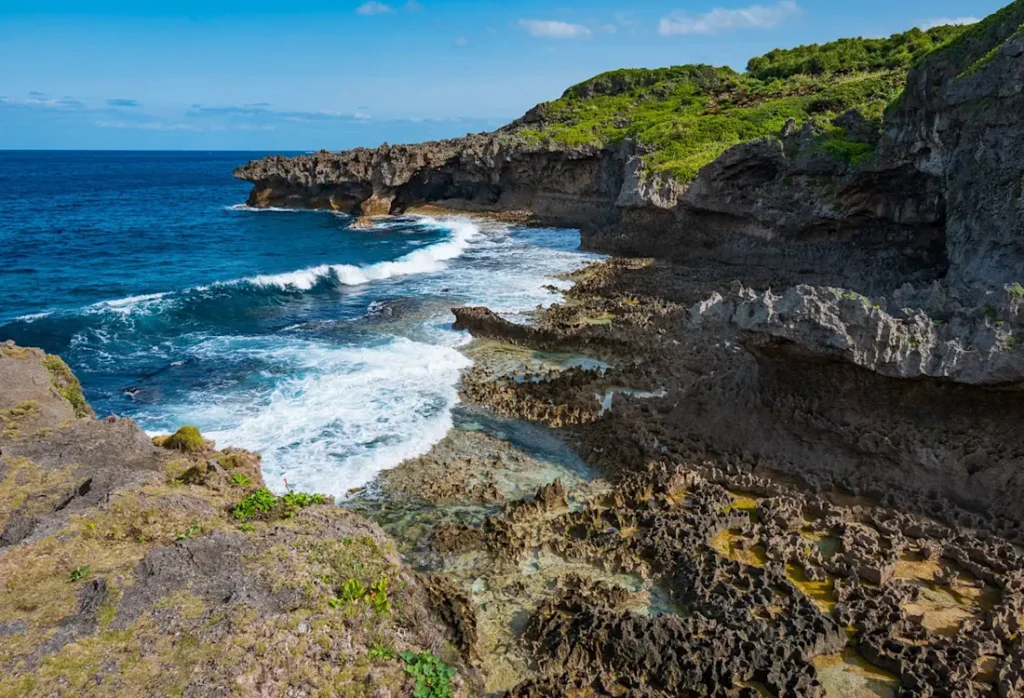
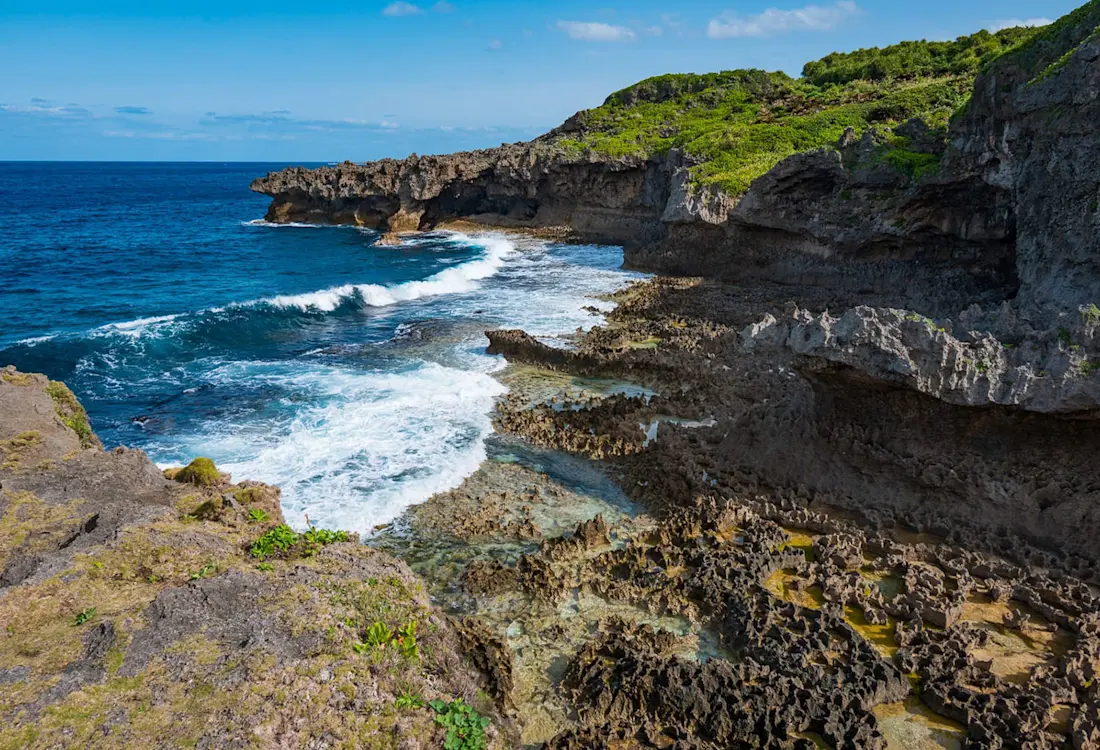
The cape overlooks the East China Sea and features a distinctive rock formation that resembles an elephant’s trunk. Powerful waves crashing against the cliffs create spectacular scenery throughout the year.
Visitor Experience
Walking paths and observation decks provide stunning panoramic views of the coastline. Sunset is particularly popular, as the golden light transforms the landscape into one of Okinawa’s most memorable sights.
4. Kokusai Street

Introduction
Kokusai Street is the vibrant heart of Naha and the most famous shopping and entertainment district in Okinawa.
History
Following World War II, the area rapidly developed and became known as the “Miracle Mile” because of its remarkable recovery and economic growth. Over time, it evolved into the island’s primary commercial and cultural center.
Attractions
The street stretches for nearly two kilometers and is lined with restaurants, souvenir shops, department stores, local markets, and entertainment venues. Visitors can sample traditional Okinawan cuisine, purchase handcrafted goods, and enjoy live music performances.
Visitor Experience
Kokusai Street offers an energetic atmosphere where visitors can experience modern Okinawan culture while exploring local traditions, food, and shopping opportunities.
5. Sefa Utaki

Introduction
Sefa-utaki is the most sacred religious site in Okinawan history and one of the most important spiritual locations in the Ryukyu Kingdom.
History
For centuries, royal priestesses conducted important ceremonies at Sefa Utaki on behalf of the kingdom. The site played a central role in the indigenous religion of Okinawa and remains deeply respected today.
Spiritual Importance
The sanctuary consists of natural rock formations, caves, forests, and sacred pathways believed to be inhabited by divine spirits. Its spiritual significance has remained unchanged for generations.
Visitor Experience
Visitors can walk through peaceful forest trails and experience a unique connection between nature and spirituality while learning about Okinawa’s traditional beliefs.
6. Shikina-en Garden

Introduction
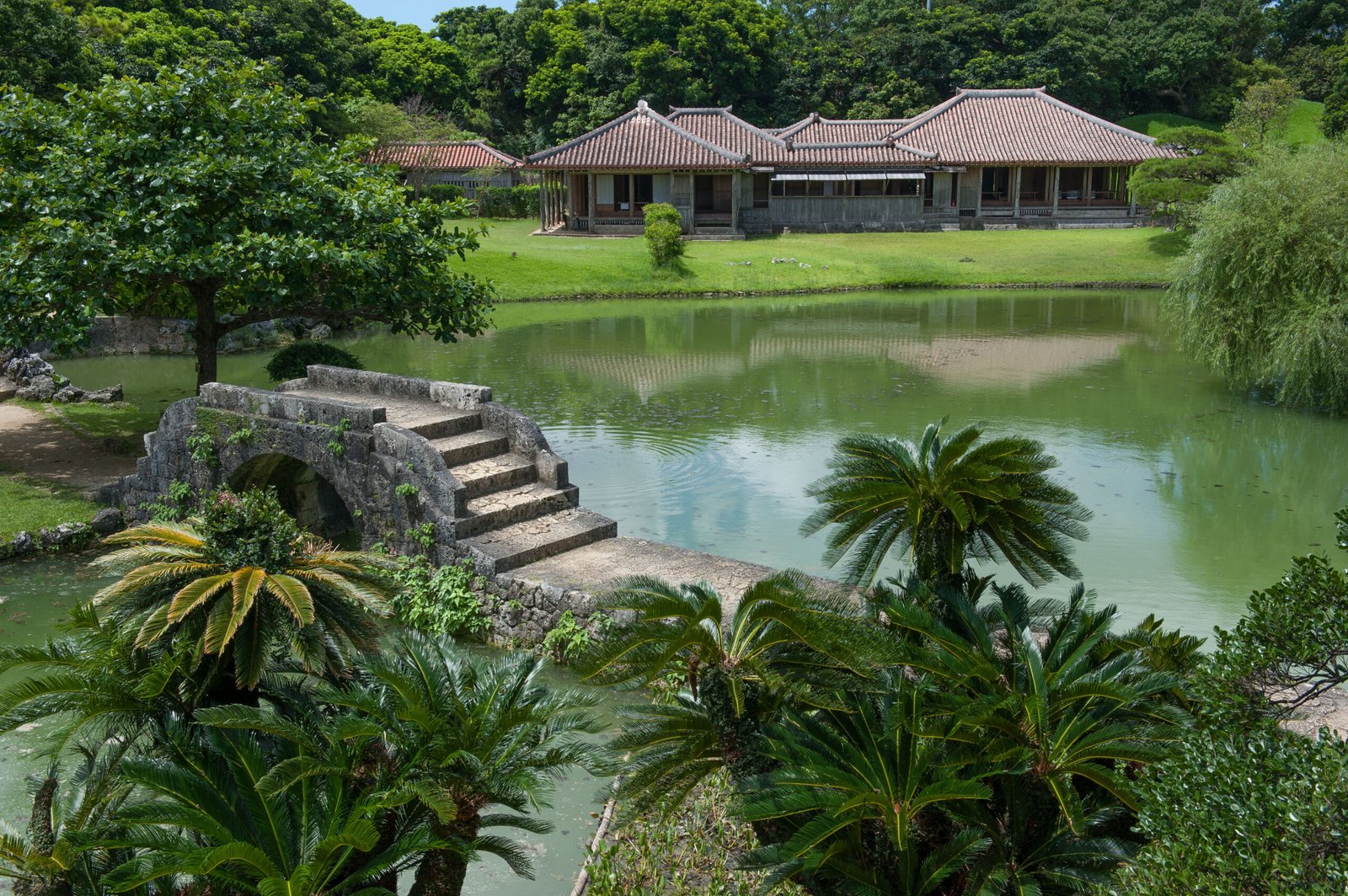
Shikina-en is a magnificent royal garden that once served as a secondary residence for the kings of the Ryukyu Kingdom.
History
Constructed in the late 18th century, the garden was used to host Chinese diplomats and distinguished guests visiting Okinawa. It became an important symbol of the kingdom’s diplomatic relations.
Features
The garden contains elegant pavilions, ponds, bridges, stone pathways, and carefully designed landscapes that combine Chinese, Japanese, and Ryukyuan influences.
Visitor Experience
Visitors can enjoy peaceful walks through one of Okinawa’s most beautiful historical gardens while learning about royal life and diplomacy.
7. Nakagusuku Castle

Introduction
Nakagusuku Castle is one of the best-preserved castles of the Ryukyu Kingdom and a UNESCO World Heritage Site.
History
The fortress was expanded during the 15th century and became an important military and political center. Its strategic hilltop location provided excellent defensive advantages and extensive views of the surrounding area.
Architecture
The castle is renowned for its sophisticated stone walls, curved fortifications, and remarkable construction techniques that required no mortar.
Visitor Experience
Visitors can explore the extensive ruins while enjoying breathtaking views of the Pacific Ocean and central Okinawa.
8. Zakimi Castle

Introduction
Zakimi Castle is one of Okinawa’s finest examples of medieval military architecture.
History
Built in the early 15th century by the famous Ryukyuan leader Gosamaru, the castle served as an important defensive structure protecting the kingdom from external threats.
Architecture
The fortress features impressive stone archways, strong defensive walls, and elevated viewpoints overlooking the surrounding countryside.
Visitor Experience
The peaceful setting and well-preserved ruins allow visitors to appreciate both the architectural achievements and historical significance of the Ryukyu Kingdom.
9. Katsuren Castle

Introduction
Katsuren Castle Ruins is one of Okinawa’s most important historical landmarks and a UNESCO World Heritage Site.
History
The castle was the residence of Amawari, a powerful ruler known for his wealth, political influence, and maritime trade connections. During the 15th century, Katsuren became one of the most prosperous centers in the Ryukyu Kingdom.
Architecture
Built on a steep hill overlooking the sea, the castle features extensive stone walls and multiple defensive enclosures that showcase advanced engineering techniques.
Visitor Experience
Visitors can enjoy panoramic views of the Pacific Ocean while exploring one of Okinawa’s most historically significant castle sites.
10. Cape Hedo

Introduction
Cape Hedo is the northernmost point of Okinawa Island and one of the region’s most spectacular natural attractions.
History
For centuries, Cape Hedo served as a navigational landmark for fishermen and sailors traveling through the East China Sea. The cape also holds cultural significance in local folklore and traditions.
Natural Beauty
The area is characterized by dramatic cliffs, dense subtropical forests, and breathtaking ocean views. On exceptionally clear days, visitors may see distant islands on the horizon.
Visitor Experience
Observation areas and walking paths provide incredible opportunities for sightseeing, photography, and appreciating the untouched natural beauty of northern Okinawa. The combination of rugged coastline, powerful waves, and expansive ocean vistas makes Cape Hedo one of the most memorable destinations in Okinawa.
11. Emerald Beach

Introduction
Emerald Beach is one of the most beautiful and famous beaches in Okinawa. Located within Ocean Expo Park near the renowned Okinawa Churaumi Aquarium, the beach is celebrated for its powdery white sand, crystal-clear turquoise waters, and breathtaking views of the East China Sea. Unlike many beaches in Japan, Emerald Beach is divided into several zones designed for swimming, relaxation, and scenic enjoyment, making it one of the most visitor-friendly coastal destinations in the region.
History
For centuries, the coastal areas surrounding Motobu Peninsula served as important fishing grounds for local communities. The waters around the beach were rich in marine resources and played a significant role in supporting local livelihoods. Following the development of Ocean Expo Park after the 1975 International Ocean Exposition, Emerald Beach was carefully designed and developed to showcase Okinawa’s natural beauty while preserving its fragile coastal ecosystem.
Over the years, the beach has become one of Okinawa’s most iconic tourist attractions, attracting visitors from around the world who come to experience its stunning scenery and peaceful atmosphere.
Natural Beauty
The beach’s name comes from the emerald-green color of its waters, which change shades throughout the day depending on sunlight and weather conditions. The surrounding coral reefs help maintain exceptional water clarity and support a rich variety of marine life.
Visitor Experience
Visitors can swim, relax, photograph spectacular sunsets, and enjoy nearby attractions including the Churaumi Aquarium, Ocean Expo Park, and tropical botanical gardens. The combination of excellent facilities and extraordinary scenery makes Emerald Beach one of Okinawa’s finest coastal destinations.
12. Blue Cave

Introduction
Blue Cave is one of Okinawa’s most famous natural attractions and a world-renowned snorkeling and diving destination. Located near Cape Maeda on Okinawa’s western coast, the cave is famous for its brilliant blue waters created by unique underwater lighting conditions.
History
The Blue Cave was formed naturally through centuries of geological activity and coastal erosion. Over thousands of years, waves carved a cavern into the limestone cliffs, creating the remarkable sea cave seen today. Although local fishermen knew of the cave for generations, it gained international popularity as recreational diving and snorkeling became more common during the late twentieth century.
Today, the Blue Cave is considered one of Japan’s premier marine tourism destinations.
Natural Phenomenon
Sunlight enters the cave through an underwater opening and reflects off the white seabed, illuminating the entire cavern with a brilliant blue glow. This extraordinary natural effect creates a magical atmosphere that attracts photographers, divers, and nature enthusiasts from around the world.
Visitor Experience
Visitors can snorkel, scuba dive, or join guided boat tours to explore the cave and observe colorful tropical fish, coral reefs, and crystal-clear waters. The experience offers one of the most memorable underwater adventures available in Japan.
13. Miyako Island

Introduction
Miyako Island is one of Japan’s most spectacular tropical islands and is famous for its pristine beaches, crystal-clear waters, coral reefs, and breathtaking coastal scenery. Located approximately 300 kilometers southwest of Okinawa’s main island, Miyako Island is often considered home to some of the most beautiful beaches in Asia.
History
Human settlement on Miyako Island dates back thousands of years. Throughout its history, the island maintained close connections with the Ryukyu Kingdom and participated in maritime trade networks linking Okinawa, China, Taiwan, and Southeast Asia. Fishing and agriculture formed the foundation of local society, while unique cultural traditions developed due to the island’s relative isolation.
Despite frequent typhoons and challenging environmental conditions, local communities established a thriving culture that continues to flourish today.
Natural Attractions
The island is famous for Yonaha Maehama Beach, Irabu Bridge, Sunayama Beach, Higashi-Hennazaki Cape, and some of Japan’s finest coral reef systems. The turquoise waters surrounding the island offer exceptional opportunities for snorkeling, diving, and marine exploration.
Visitor Experience
Miyako Island provides a perfect balance of adventure and relaxation. Visitors can explore scenic coastlines, participate in water sports, discover local culture, and enjoy some of the clearest waters found anywhere in Japan.
14. Ishigaki Island

Introduction
Ishigaki Island is the largest and most important island in the Yaeyama archipelago. Known for its stunning beaches, coral reefs, tropical forests, and unique culture, Ishigaki serves as the gateway to Japan’s southernmost island communities.
History
For centuries, Ishigaki played an important role in regional trade and communication throughout East Asia. Its strategic location facilitated cultural exchanges between Okinawa, Taiwan, China, and Southeast Asia. The island became an important administrative and commercial center during the Ryukyu Kingdom era.
Today, Ishigaki remains the cultural and economic heart of the Yaeyama Islands.
Attractions
The island features Kabira Bay, Mount Omoto, Yonehara Beach, Hirakubo Cape, Banna Park, and world-class diving locations. Rich marine ecosystems and lush subtropical landscapes make it one of Japan’s premier eco-tourism destinations.
Visitor Experience
Travelers can enjoy diving, snorkeling, hiking, island-hopping excursions, cultural exploration, and exceptional local cuisine while experiencing the natural beauty of Japan’s southern frontier.
15. Kabira Bay

Introduction
Kabira Bay is widely regarded as one of the most beautiful landscapes in Japan. Located on Ishigaki Island, the bay is famous for its emerald-green waters, small forested islands, and spectacular scenery.
History
Historically, the bay was important for maritime activities and pearl cultivation. The surrounding waters produced high-quality black pearls that contributed significantly to the local economy. Due to its environmental importance, the bay has long been protected and carefully managed.
Its natural beauty earned it recognition in the Michelin Green Guide Japan, where it received the highest rating.
Natural Beauty
The combination of crystal-clear water, coral reefs, tropical vegetation, and small islands creates a landscape of extraordinary beauty. Strong currents prevent swimming, helping preserve the area’s fragile ecosystem.
Visitor Experience
Glass-bottom boat tours allow visitors to observe colorful fish and coral reefs while enjoying panoramic views of one of Okinawa’s most iconic attractions.
16. Taketomi Island

Introduction
Taketomi Island is one of Okinawa’s best-preserved traditional islands and offers visitors a glimpse into the historical lifestyle of the Ryukyu Kingdom.
History
For centuries, Taketomi developed as a small agricultural and fishing community. Traditional Ryukyuan architecture, stone walls, red-tiled roofs, and sandy streets have been carefully preserved to maintain the island’s cultural heritage.
The island’s commitment to preservation has made it an important cultural landmark within Okinawa.
Attractions
Visitors can explore traditional villages, ride water buffalo carts, visit beautiful beaches, and learn about local customs and craftsmanship.
Visitor Experience
The island provides a peaceful and authentic cultural experience that contrasts sharply with modern urban life.
17. Kouri Island

Introduction
Kouri Island is one of Okinawa’s most picturesque islands, famous for its crystal-clear waters, beautiful beaches, and legendary cultural significance.
History
Local folklore describes Kouri Island as the birthplace of humanity within Okinawan mythology. Historically, residents depended on fishing and agriculture while maintaining strong cultural traditions.
Attractions
The island features Kouri Bridge, Heart Rock, Kouri Ocean Tower, and stunning beaches that attract visitors throughout the year.
Visitor Experience
Travelers can enjoy scenic drives, swimming, snorkeling, and breathtaking coastal views while exploring one of Okinawa’s most beloved destinations.
18. Yonaguni Island

Introduction
Yonaguni Island is the westernmost inhabited island of Japan and one of its most mysterious destinations.
History
Due to its proximity to Taiwan, Yonaguni developed as an important maritime outpost linking Japan with neighboring regions. Its remote location helped preserve unique traditions and cultural practices.
Attractions
The island is famous for the mysterious Yonaguni Monument, dramatic coastal cliffs, native horses, Cape Irizaki, and exceptional diving opportunities.
Visitor Experience
Visitors can explore archaeological mysteries, dramatic landscapes, and traditional island culture while discovering one of Japan’s most remote communities.
19. Kerama Islands

Introduction
Kerama Islands are a group of stunning tropical islands located west of Okinawa’s main island and are renowned for their world-class marine environments.
History
The islands have long supported fishing communities and maritime activities. Their strategic location also contributed to historical trade and transportation networks throughout the Ryukyu Kingdom.
Natural Beauty
The islands are famous for “Kerama Blue,” a term used to describe the extraordinary clarity and color of the surrounding ocean waters. Coral reefs, sea turtles, and diverse marine species thrive throughout the region.
Visitor Experience
Visitors can enjoy diving, snorkeling, whale watching, kayaking, and island-hopping while experiencing some of Japan’s most pristine marine ecosystems.
20. Zamami Island

Introduction
Zamami Island is the most famous island within the Kerama archipelago and a paradise for marine enthusiasts.
History
For generations, Zamami’s residents relied on fishing and maritime trade. As awareness of the island’s exceptional natural beauty grew, tourism gradually became an important part of the local economy.
Attractions
The island features Furuzamami Beach, Ama Beach, coral reefs, observation decks, and numerous diving sites recognized among the best in Asia.
Visitor Experience
Visitors can swim in crystal-clear waters, encounter sea turtles, explore coral reefs, and experience the tranquility of one of Okinawa’s most beautiful island destinations. The combination of marine biodiversity, tropical scenery, and peaceful island culture makes Zamami a highlight of any journey through Okinawa.
Related artical : Best place to visit in Tokunoshima