
Now Reading: Best place to visit in Ségou
-
01
Best place to visit in Ségou
Best place to visit in Ségou
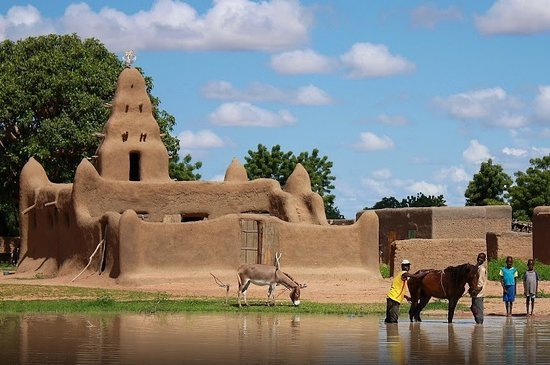
Ségou is one of Mali’s most historic and culturally significant cities, located on the banks of the majestic Niger River. Once the capital of the powerful Bamana Empire during the 18th and 19th centuries, Ségou is celebrated for its rich heritage, colonial architecture, thriving arts scene, traditional pottery, and relaxed riverside atmosphere. Today, the city attracts travelers interested in history, culture, music, craftsmanship, and authentic Malian experiences. With colorful markets, scenic riverfronts, annual festivals, and nearby traditional villages, Ségou offers a unique blend of history and modern West African life.
Below are the top tourist attractions to visit in Ségou.
1. Niger River Waterfront

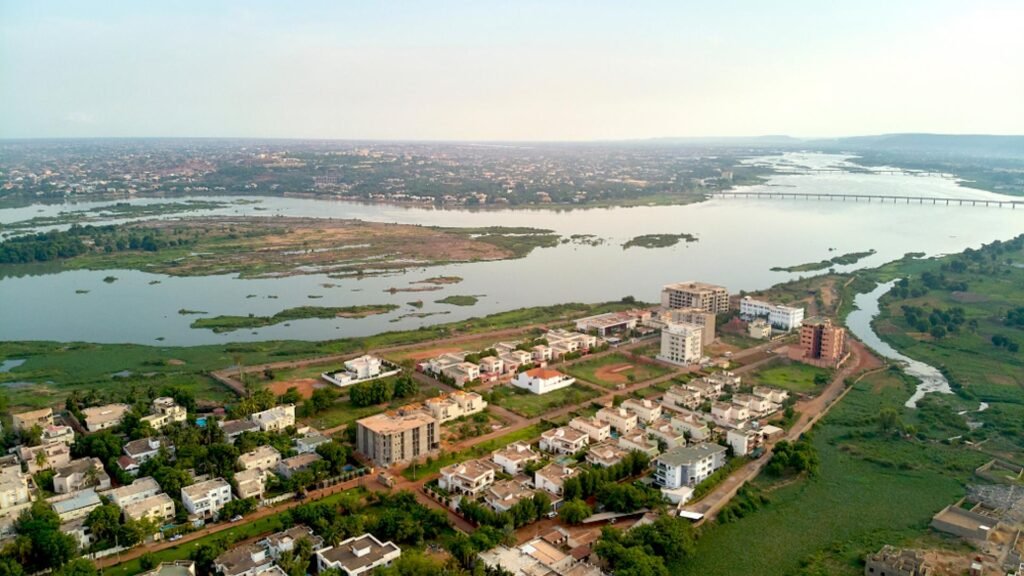
The Niger River Waterfront is the heart of Ségou and one of the city’s most picturesque attractions. Stretching along the banks of the Niger River, this scenic area offers breathtaking views, peaceful walking paths, and an authentic glimpse into daily life. Traditional fishing boats, colorful canoes, and local ferries travel across the river throughout the day, creating a lively yet relaxing atmosphere.
Visitors can enjoy riverside walks, photograph spectacular sunsets, observe local fishermen, or take traditional boat rides to nearby villages. The waterfront is also an excellent place to experience Ségou’s vibrant culture while enjoying the refreshing river breeze.
Experience Riverside Life
The waterfront allows visitors to witness the traditional lifestyle that has flourished along the Niger River for centuries while enjoying one of the most beautiful settings in Mali.
2. Ségou Market

Ségou Market is one of the city’s busiest commercial centers, where local traders sell fresh produce, colorful fabrics, spices, pottery, leather goods, handmade jewelry, woven baskets, and traditional handicrafts. The lively market reflects the rich cultural diversity of the region and provides visitors with an authentic shopping experience.
Discover Traditional Malian Crafts
Visitors can browse beautifully handcrafted souvenirs, interact with friendly artisans, and experience the vibrant atmosphere of everyday life in Ségou.
3. Centre Culturel Kôrè

Centre Culturel Kôrè is one of Mali’s leading cultural institutions, promoting contemporary African art, music, literature, theater, and education. The center hosts exhibitions, performances, workshops, conferences, and international cultural events throughout the year.
Experience Contemporary African Culture
Visitors can attend artistic performances, explore exhibitions, and learn about Mali’s vibrant creative community in a welcoming cultural environment.
4. Ségou Colonial Quarter

The Colonial Quarter showcases Ségou’s historic French colonial architecture with elegant government buildings, administrative offices, tree-lined streets, and charming public squares. The district reflects an important chapter in Mali’s history while preserving much of its original architectural character.
Walk Through Historic Streets
Visitors can enjoy leisurely walks while admiring well-preserved colonial buildings and learning about Ségou’s historical development.
5. Festival sur le Niger

Festival sur le Niger is one of West Africa’s most celebrated cultural festivals, bringing together musicians, artists, dancers, writers, and performers from across the continent. Held annually along the Niger River, the festival transforms Ségou into a vibrant center of music, art, and cultural exchange.
Celebrate African Arts
Visitors can enjoy live concerts, traditional dance performances, art exhibitions, craft markets, and cultural workshops while experiencing the creative spirit of Africa.
6. Ségou Pottery Village

The Pottery Village near Ségou is famous for preserving traditional ceramic-making techniques passed down through generations. Skilled artisans produce beautiful clay pots, decorative sculptures, household items, and artistic ceramics using locally sourced materials.
Watch Traditional Pottery Making
Visitors can observe artisans shaping clay by hand, learn about ancient pottery techniques, and purchase authentic handcrafted ceramics.
7. Bamana Cultural Village

The Bamana Cultural Village offers visitors an authentic introduction to the traditions, customs, music, dance, and daily life of the Bamana people, one of Mali’s largest ethnic groups.
Discover Local Traditions
Guests can participate in cultural demonstrations, watch traditional performances, and learn about centuries-old customs that continue to shape community life.
8. Ségou Artisan Village

The Artisan Village is home to talented local craftsmen creating wood carvings, leather goods, jewelry, textiles, woven baskets, and decorative artwork.
Shop Authentic Handcrafted Souvenirs
Visitors can meet skilled artisans, observe traditional craftsmanship, and purchase unique handmade products directly from local workshops.
9. Balanzan Tree

The Balanzan Tree is one of Ségou’s most symbolic landmarks and holds cultural importance for local communities. It has long been associated with traditional beliefs and serves as a reminder of the city’s rich heritage.
Visit a Historic Symbol
Visitors can learn about local folklore, cultural traditions, and the historical significance of this remarkable natural landmark.
10. Ségou Port

Ségou Port remains an important transportation hub along the Niger River, connecting surrounding communities through traditional river transport. The port offers a fascinating look at local commerce, fishing activities, and riverside life.
Explore the City’s River Heritage
Visitors can watch colorful boats arrive and depart, observe local fishermen, enjoy scenic river views, and experience the traditional river culture that has sustained Ségou for generations.
Related artical : Best place to visit in Mopti