
Now Reading: Best place to visit in Mopti
-
01
Best place to visit in Mopti
Best place to visit in Mopti
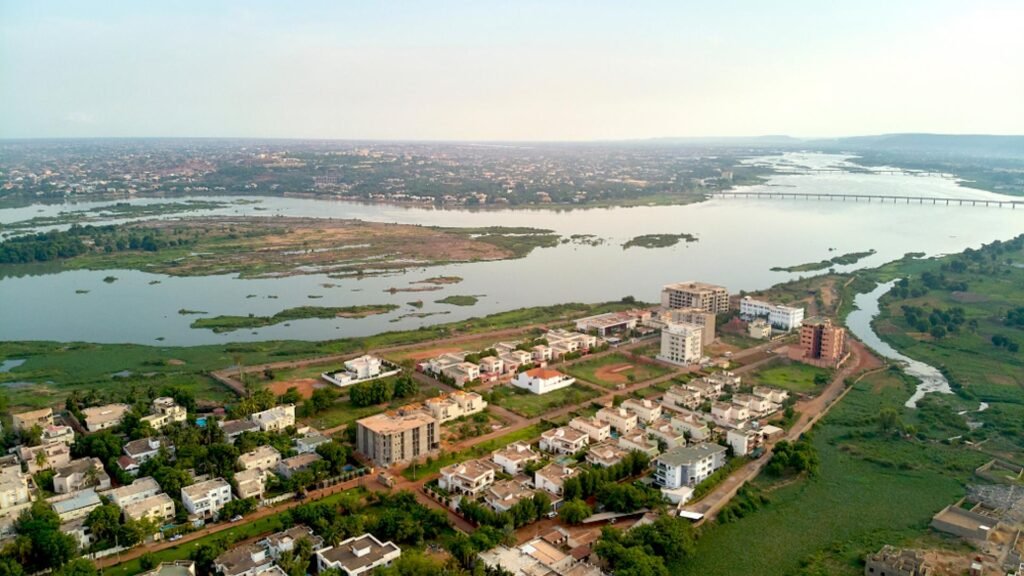
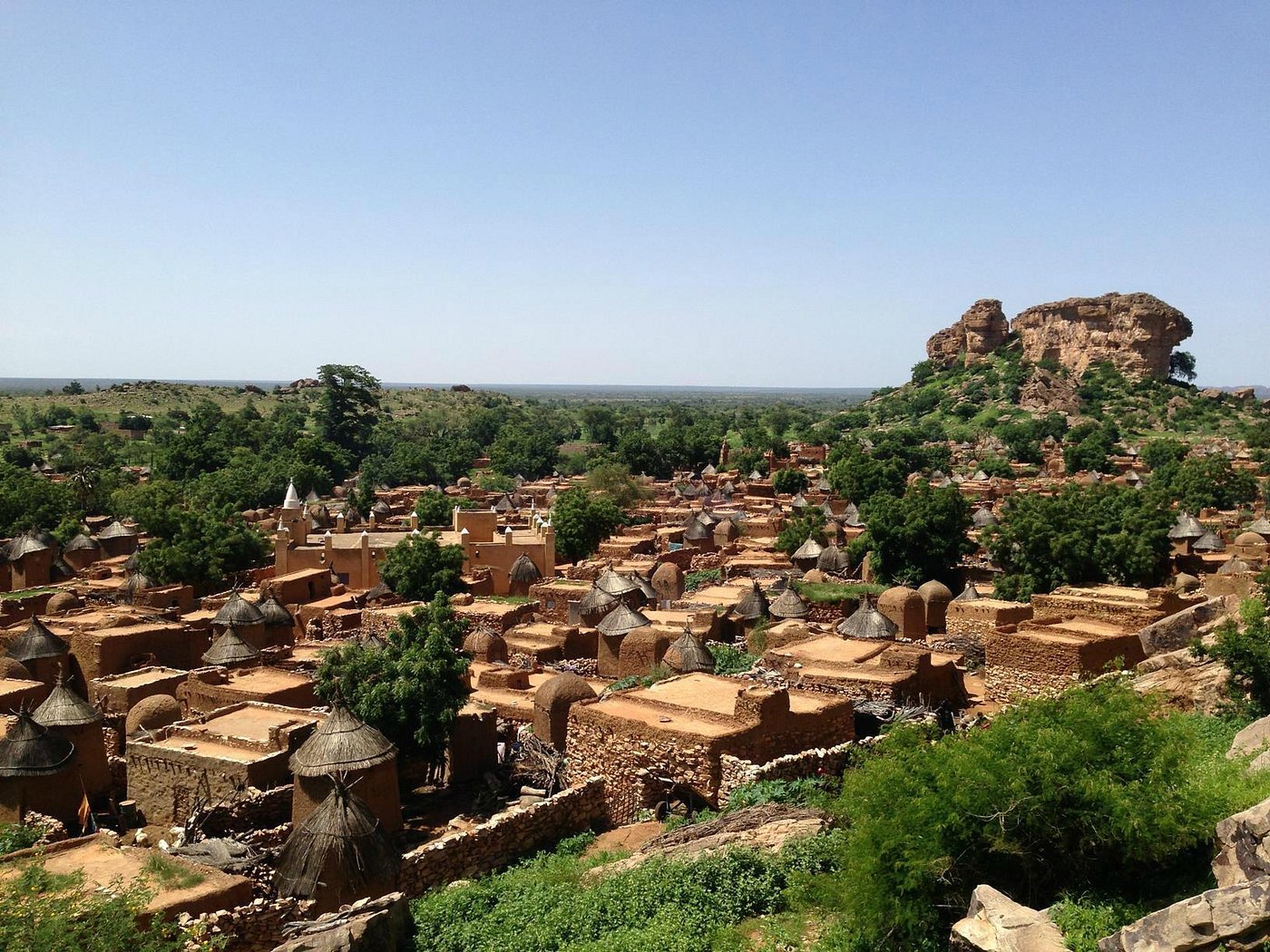
Mopti is one of Mali’s most fascinating destinations, often called the “Venice of Mali” because of its strategic location at the meeting point of the Niger and Bani Rivers. The city has been an important center of trade, transportation, fishing, and culture for centuries, attracting visitors with its bustling river port, traditional architecture, colorful markets, and vibrant multicultural communities. Home to the Bozo, Fulani, Dogon, Songhai, Bambara, and Tuareg peoples, Mopti offers travelers an authentic West African experience filled with history, culture, and scenic river landscapes.
Whether you’re interested in exploring historic mosques, taking river cruises, shopping for handmade crafts, or discovering nearby cultural villages, Mopti provides a unique journey into the heart of Mali.
1. Mopti Port

The Port of Mopti is the city’s most iconic attraction and serves as the economic heart of the region. Located at the confluence of the Niger and Bani Rivers, the port has been a major transportation and trading center for generations. Every day, colorful wooden pinasse boats transport passengers, agricultural products, livestock, and fresh fish between villages throughout central Mali.
Visitors can experience the lively atmosphere while watching fishermen unload their daily catch, observing merchants trading local goods, and photographing hundreds of traditional boats lining the waterfront. River cruises departing from the port provide spectacular views of wetlands, fishing villages, birdlife, and unforgettable sunsets.
Experience Authentic River Life
Mopti Port offers visitors the opportunity to witness traditional river commerce that has sustained local communities for centuries. The combination of fishing, transportation, and trade creates one of the most vibrant cultural experiences in Mali.
2. Mopti Grand Mosque

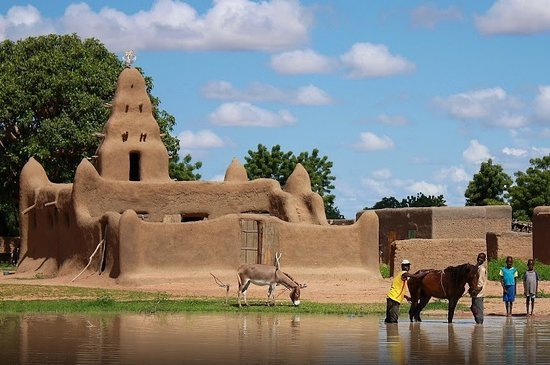
The Grand Mosque of Mopti is one of Mali’s finest examples of Sudano-Sahelian architecture. Constructed using traditional mud-brick techniques, the mosque features elegant towers, wooden support beams, and handcrafted architectural details that reflect centuries of Islamic building traditions.
Its impressive design has made it one of the city’s most photographed landmarks. The mosque remains an active place of worship while also attracting architecture enthusiasts and cultural travelers from around the world.
Discover Traditional Architecture
Visitors can admire the mosque’s unique mud-brick construction and learn about the architectural techniques that have been preserved across West Africa for generations.
3. Mopti Market

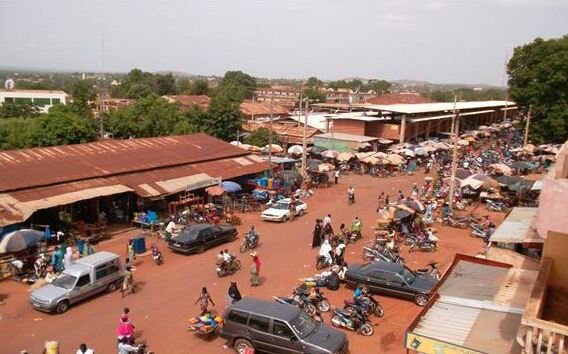
The Mopti Market is one of the liveliest marketplaces in Mali, where merchants from surrounding villages gather to trade fresh produce, spices, handmade textiles, pottery, leather goods, jewelry, baskets, and traditional crafts.
Walking through the market allows visitors to experience the colorful daily life of Mopti while interacting with local artisans and vendors.
Shop Authentic Malian Handicrafts
The market is one of the best places to purchase handmade souvenirs while supporting local craftsmen and learning about traditional Malian artistry.
4. Niger River Boat Tours

Exploring the Niger River by traditional wooden boat is one of the most memorable experiences in Mopti. Guided river cruises travel past fishing villages, wetlands, islands, and riverside communities where visitors can observe local life from a unique perspective.
The calm waters and beautiful scenery make these boat tours ideal for photography and wildlife observation.
Cruise Through Traditional Villages
Visitors can watch fishermen at work, observe traditional transportation methods, and enjoy peaceful river landscapes while discovering the importance of the Niger River to everyday life.
5. Komoguel District

Komoguel District is the historic center of Mopti, famous for its traditional mud-brick buildings, narrow streets, artisan workshops, and cultural atmosphere. The neighborhood reflects centuries of history and remains one of the city’s most authentic areas.
Visitors can explore local workshops where artisans continue producing pottery, leather products, jewelry, and traditional textiles using techniques passed down through generations.
Experience Historic Mopti
Walking through Komoguel offers visitors a fascinating journey into the city’s architectural heritage and traditional way of life.
6. Bozo Fishing Villages

The Bozo Fishing Villages surrounding Mopti provide visitors with an authentic glimpse into one of West Africa’s oldest fishing cultures. The Bozo people have depended on the Niger River for generations, using traditional wooden boats and handmade fishing nets.
Learn About Traditional Fishing Culture
Visitors can observe centuries-old fishing techniques, meet local families, and discover how river life continues to shape the economy and traditions of the region.
7. Bani River Waterfront

The Bani River Waterfront offers peaceful scenery, beautiful sunsets, and excellent opportunities for photography. The riverside provides a relaxing atmosphere where visitors can observe daily life while enjoying panoramic views of boats and surrounding landscapes.
Relax Along the River
The waterfront is an ideal location for evening walks, photography, and appreciating the natural beauty that has shaped Mopti for centuries.
8. Mopti Artisan Village

The Artisan Village showcases the remarkable skills of local craftsmen producing wood carvings, pottery, leather goods, jewelry, woven baskets, and decorative artwork.
Support Local Artisans
Visitors can watch artisans at work, learn about traditional craftsmanship, and purchase authentic handmade souvenirs representing Mali’s rich artistic heritage.
9. Mopti Cultural Centre

The Cultural Centre celebrates the traditions of Mopti’s many ethnic communities through music, dance, storytelling, festivals, and art exhibitions held throughout the year.
Discover Malian Traditions
Visitors can experience authentic cultural performances and gain deeper insight into the customs, music, and artistic heritage of central Mali.
10. Confluence of the Niger and Bani Rivers

The meeting point of the Niger and Bani Rivers is one of Mopti’s most beautiful natural landmarks. This unique confluence has influenced the city’s development for centuries and continues to support fishing, transportation, agriculture, and tourism.
Witness One of Mali’s Most Scenic Landscapes
Visitors can enjoy panoramic river views, observe traditional boats, photograph spectacular sunsets, and appreciate one of the country’s most iconic natural settings.
Related artical : Best place to visit in Sikasso