
Now Reading: Best place to visit in Nioro du Sahel
-
01
Best place to visit in Nioro du Sahel
Best place to visit in Nioro du Sahel
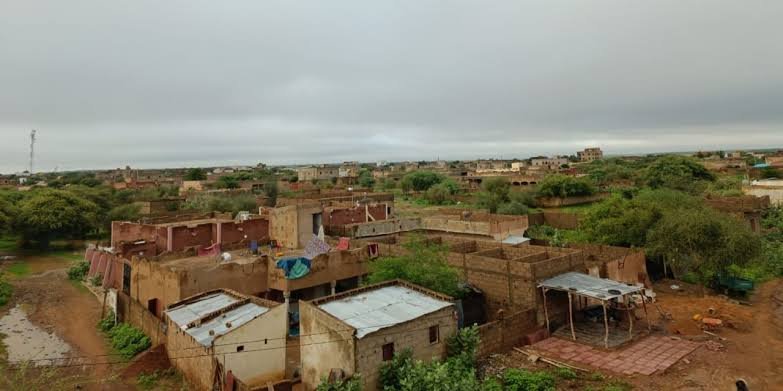
Nioro du Sahel is a historic city in western Mali, close to the border with Mauritania. For centuries, it has served as an important crossroads for trans-Saharan trade, connecting merchants, travelers, and nomadic communities across the Sahel region. Today, the city is known for its rich cultural heritage, traditional markets, Islamic history, and unique desert landscapes. Visitors to Nioro du Sahel can experience authentic Sahelian culture, explore historic landmarks, discover vibrant local markets, and enjoy the peaceful beauty of the surrounding countryside.
Below are the top tourist attractions to visit in Nioro du Sahel.
1. Nioro Grand Mosque
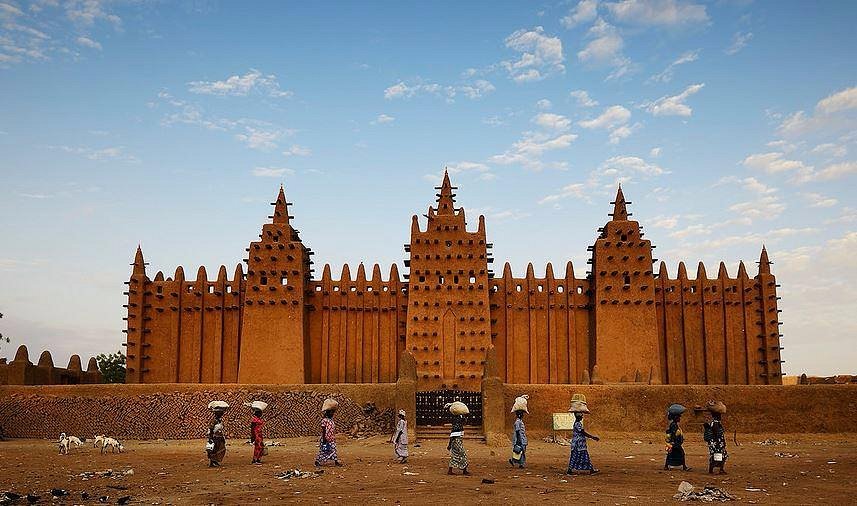
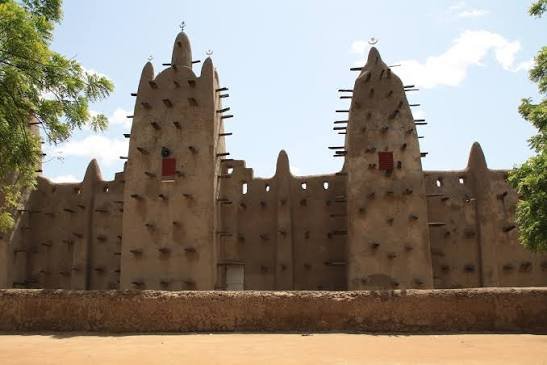
The Grand Mosque is one of the most important religious landmarks in Nioro du Sahel and serves as the spiritual center of the local community. Built in the traditional Sudano-Sahelian architectural style, the mosque reflects the city’s long-standing Islamic heritage and its importance as a center of religious learning.
Visitors can admire its elegant mud-brick architecture, observe the peaceful surroundings, and learn about the role Islam has played in shaping the history and culture of western Mali. The mosque remains one of the city’s most recognizable landmarks and an important gathering place for local residents.
Discover Islamic Heritage
Visitors can appreciate traditional Sahelian architecture while learning about centuries of religious traditions that continue to influence daily life in Nioro du Sahel.
2. Nioro Central Market

The Central Market is the commercial heart of Nioro du Sahel, where merchants from nearby towns and villages gather to trade agricultural products, livestock, textiles, spices, leather goods, jewelry, pottery, and handmade crafts. The lively atmosphere offers visitors a genuine insight into everyday life in the Sahel.
Experience Authentic Market Life
Visitors can browse colorful stalls, interact with friendly local vendors, sample regional foods, and purchase handcrafted souvenirs that reflect the traditions of western Mali.
3. Traditional Artisan Quarter

The Traditional Artisan Quarter is home to skilled craftsmen producing leather goods, woven baskets, pottery, silver jewelry, textiles, and decorative wood carvings using techniques that have been preserved for generations.
Support Local Craftsmanship
Visitors can watch artisans at work, learn about traditional manufacturing methods, and purchase authentic handmade products directly from local workshops.
4. Historic Caravan Routes

For centuries, Nioro du Sahel was an important stop along the trans-Saharan caravan routes that connected West Africa with North Africa. Merchants transported salt, gold, textiles, spices, and other valuable goods across the desert, helping the city become an important commercial center.
Follow Ancient Trade Routes
Visitors can discover the history of desert commerce and learn how caravan trade influenced the culture and development of the Sahel region.
5. Sahel Desert Landscapes

The landscapes surrounding Nioro du Sahel feature open plains, scattered acacia trees, rocky terrain, and seasonal sand dunes that beautifully represent the transition between the Sahara Desert and the Sahel. These scenic surroundings are ideal for photography, nature walks, and appreciating the region’s unique environment.
Experience the Beauty of the Sahel
Visitors can enjoy peaceful sunsets, expansive desert views, and the tranquil atmosphere of one of Mali’s most distinctive natural regions.
6. Traditional Fulani Villages

The surrounding countryside is home to traditional Fulani communities that continue to preserve their pastoral lifestyle, customs, music, and hospitality. Visiting these villages offers valuable insight into one of West Africa’s most influential cultural groups.
Discover Traditional Village Life
Visitors can experience authentic rural traditions, meet local families, and learn about livestock farming and community life in the Sahel.
7. Nioro Cultural Center

The Cultural Center promotes the artistic heritage of the region through music, dance, storytelling, exhibitions, and community events. It provides visitors with an opportunity to experience the diverse traditions of western Mali.
Experience Local Traditions
Visitors can enjoy traditional performances, explore cultural exhibitions, and gain a deeper understanding of the customs and heritage of the local communities.
8. Livestock Market

The Livestock Market is one of the region’s most important commercial centers, attracting traders who buy and sell cattle, sheep, goats, and camels. It reflects the importance of pastoralism to the local economy.
Observe Traditional Trade
Visitors can witness the vibrant trading atmosphere and learn about the vital role livestock plays in the livelihoods of Sahel communities.
9. Traditional Wells and Oases

Traditional wells have supported travelers, traders, and local communities in the Sahel for centuries. These water sources played a crucial role in the survival of caravan routes crossing the dry landscapes of western Mali.
Learn About Desert Survival
Visitors can discover how communities adapted to the challenging environment through traditional water management and sustainable living practices.
10. Nioro Countryside

The countryside surrounding Nioro du Sahel offers peaceful scenery featuring rural villages, open savannas, seasonal farmland, and vast Sahel landscapes. It provides an excellent opportunity to experience authentic local life away from busy urban centers.
Explore Rural Mali
Visitors can enjoy scenic drives, photograph beautiful Sahel landscapes, visit traditional villages, and experience the warm hospitality that makes Nioro du Sahel a memorable destination in western Mali.
Related artical : Best place to visit in Djenné