
Now Reading: Best place to visit in Djenné
-
01
Best place to visit in Djenné
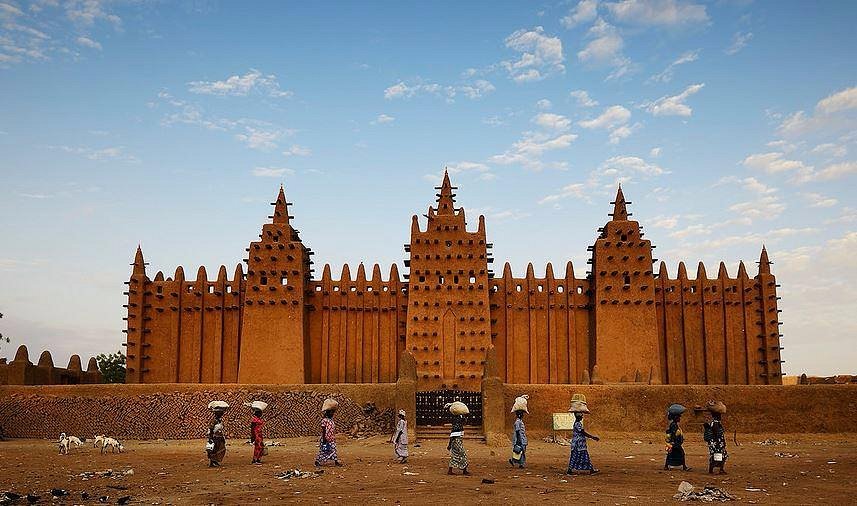
Best place to visit in Djenné
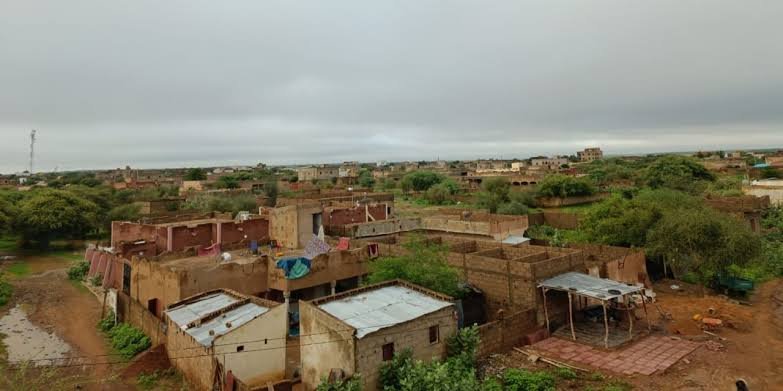
Djenné is one of Africa’s oldest cities and one of Mali’s most treasured cultural destinations. Located on the floodplains of the Bani River in central Mali, the city has been a center of trade, Islamic scholarship, and traditional architecture for more than a thousand years. Best known for its magnificent mud-brick buildings and UNESCO World Heritage status, Djenné is home to one of the world’s greatest examples of Sudano-Sahelian architecture. Walking through its historic streets feels like stepping back in time, with centuries-old homes, bustling markets, ancient mosques, and vibrant local traditions creating an unforgettable travel experience.
Below are the top tourist attractions to visit in Djenné.
1. Great Mosque of Djenné

The Great Mosque of Djenné is the city’s most famous landmark and one of the world’s greatest architectural masterpieces. Constructed entirely from sun-dried mud bricks and wooden beams, it is considered the largest mud-brick building on Earth. Originally founded in the 13th century and rebuilt in 1907, the mosque has become a symbol of Mali’s rich Islamic heritage and is recognized as a UNESCO World Heritage Site.
Visitors admire its towering façade, unique Sudano-Sahelian architecture, and remarkable craftsmanship. Every year, local residents gather for the famous annual replastering festival, where the entire community helps maintain the mosque using traditional building techniques that have been preserved for generations.
Discover a UNESCO World Heritage Landmark
The Great Mosque offers visitors a unique opportunity to experience one of Africa’s most iconic religious and architectural monuments while learning about centuries of history and tradition.
2. Old Town of Djenné

The Old Town of Djenné is one of the best-preserved historic cities in West Africa. Narrow streets lined with traditional mud-brick houses, ancient courtyards, decorative facades, and historic buildings create an atmosphere unlike anywhere else in the world.
Walking through the old town allows visitors to admire centuries-old architecture while experiencing the daily life of local residents who continue to preserve traditional construction methods.
Walk Through Living History
Visitors can explore historic neighborhoods, photograph beautiful mud-brick architecture, and experience the timeless charm of one of Africa’s oldest cities.
3. Djenné Monday Market

The Monday Market is one of Mali’s most famous traditional markets and has served as a regional trading center for centuries. Merchants from surrounding villages gather to sell fresh produce, livestock, spices, textiles, pottery, jewelry, leather goods, and handcrafted products.
The lively atmosphere offers visitors an authentic glimpse into local commerce and the cultural diversity of central Mali.
Experience Traditional Market Life
Visitors can browse colorful stalls, meet local artisans, sample regional foods, and purchase authentic handmade souvenirs.
4. Djenné Manuscript Libraries

Djenné has long been an important center of Islamic learning, and several historic libraries preserve valuable handwritten manuscripts covering religion, astronomy, medicine, mathematics, law, and literature.
These priceless collections reflect the city’s role as one of West Africa’s leading centers of education during the medieval period.
Explore Ancient Knowledge
Visitors can learn about manuscript preservation and discover the remarkable intellectual heritage that helped shape Djenné’s reputation across Africa.
5. Djenné Cultural Center

The Djenné Cultural Center promotes the city’s artistic traditions through music, dance, exhibitions, storytelling, and educational programs. It serves as a gathering place where visitors can experience the cultural richness of the region.
Discover Local Traditions
Visitors can enjoy authentic performances while learning about the customs, music, and artistic heritage that continue to thrive in Djenné.
6. Ancient City Walls of Djenné

The remains of Djenné’s ancient city walls provide insight into the city’s long history as an important commercial and religious center. These defensive structures once protected merchants, scholars, and residents during periods of regional conflict.
Discover the City’s Historic Defenses
Visitors can explore sections of the historic fortifications while learning about Djenné’s strategic importance in medieval West Africa.
7. Traditional Mud-Brick Neighborhoods

The residential neighborhoods of Djenné showcase hundreds of beautifully preserved mud-brick homes featuring decorative facades, carved wooden doors, and traditional courtyards.
Admire Traditional Architecture
Visitors can walk through peaceful streets while appreciating one of the world’s finest collections of earthen architecture.
8. Bani River Waterfront

The Bani River has played an essential role in Djenné’s development for centuries by supporting trade, fishing, and agriculture. Traditional wooden boats continue to transport people and goods between nearby villages.
Relax Along the River
Visitors can enjoy peaceful river views, observe local fishermen, photograph traditional boats, and experience the natural beauty surrounding the city.
9. Traditional Artisan Workshops

Djenné is home to talented artisans producing pottery, leather goods, textiles, wood carvings, jewelry, and decorative artwork using traditional techniques passed down through generations.
Support Local Craftsmanship
Visitors can watch artisans create handmade products and purchase authentic souvenirs that reflect the city’s rich artistic heritage.
10. Djenné Archaeological Site

Located near the modern city, the archaeological site of Djenné-Djenno is one of the oldest known urban settlements in sub-Saharan Africa, dating back more than 2,000 years. Excavations have uncovered ancient homes, pottery, tools, and evidence of sophisticated urban planning, demonstrating the region’s long history of trade and civilization.
Explore One of Africa’s Oldest Cities
Visitors can learn about the origins of urban life in West Africa while discovering the archaeological remains that reveal the remarkable history of ancient Djenné and its lasting cultural legacy.
Related artical : Best place to visit in Koulikoro