Now Reading: Best place to visit in Alytus
-
01
Best place to visit in Alytus
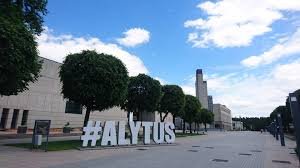
Best place to visit in Alytus

Introduction
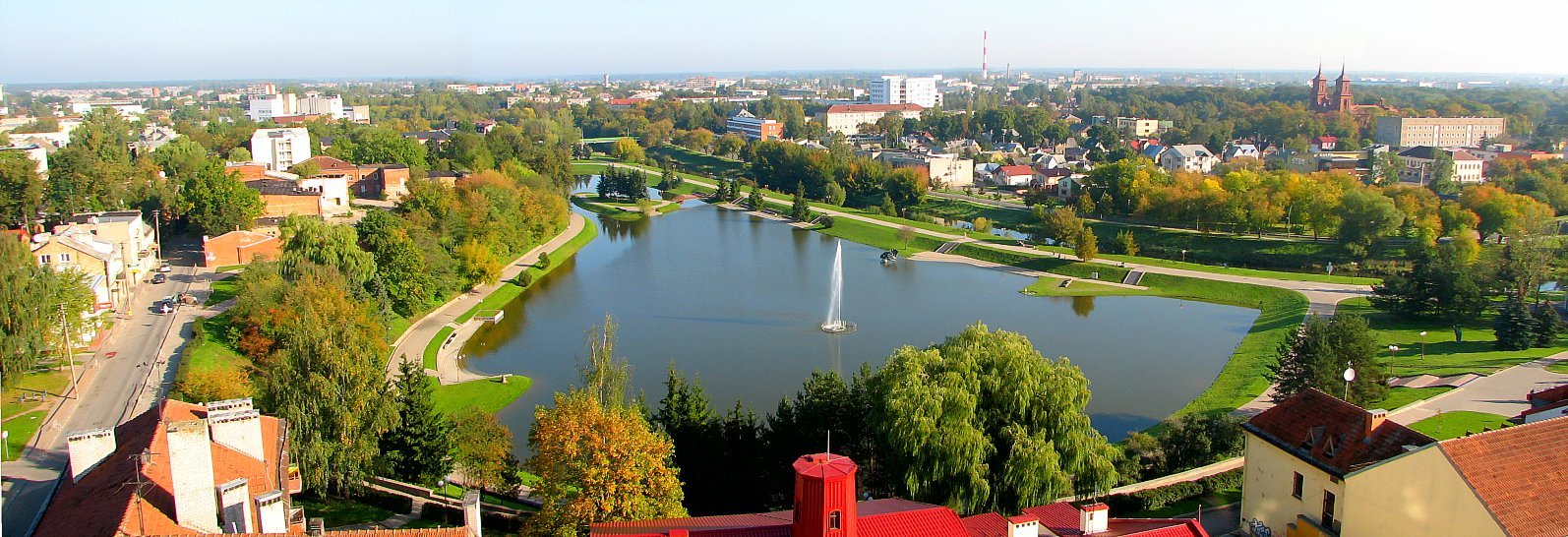
Alytus is the largest city in southern Lithuania and one of the country’s most beautiful regional centers. Situated on the banks of the majestic Nemunas River, Alytus is renowned for its lush pine forests, scenic river valleys, rich historical heritage, and vibrant cultural life. Often referred to as the “Green Capital of Lithuania,” the city is surrounded by some of the country’s most spectacular natural landscapes, making it a favorite destination for nature lovers and outdoor enthusiasts.
Unlike many urban centers, Alytus has successfully preserved a close relationship with nature. The city is characterized by extensive parks, walking trails, forests, and recreational areas that provide residents and visitors with a high quality of life. At the same time, Alytus offers a fascinating blend of historical landmarks, cultural institutions, and modern development.
The city serves as an important gateway to the historic Dzūkija region, an area famous for its forests, traditional villages, folklore, and unique cultural traditions. Visitors to Alytus can experience both urban attractions and some of Lithuania’s most pristine natural environments.
Today, Alytus stands as a symbol of sustainable development, cultural pride, and natural beauty in southern Lithuania.
History of Alytus
The history of Alytus dates back to the 14th century when the area emerged as an important defensive and trading settlement near the Nemunas River. Due to its strategic location, the city played a significant role in regional commerce and military affairs.
Throughout the centuries, Alytus developed as an important cultural and economic center within southern Lithuania. The city experienced growth during the periods of the Grand Duchy of Lithuania, the Polish-Lithuanian Commonwealth, and later under Russian administration.
Like many Lithuanian cities, Alytus endured hardships during both World Wars and subsequent occupations. However, it successfully rebuilt and modernized while preserving its historical identity and community spirit.
Today, Alytus continues to grow as a vibrant city while honoring the traditions and heritage that have shaped its history.
1. Alytus White Rose Bridge

The Symbol of Modern Alytus
The White Rose Bridge is one of the city’s most famous landmarks and one of the highest pedestrian bridges in Lithuania.
Spanning the scenic Nemunas River valley, the bridge offers spectacular panoramic views of forests, riverbanks, and the surrounding countryside. Its modern architectural design has made it a symbol of Alytus’s development and innovation.
Visitors enjoy walking across the bridge while admiring the breathtaking landscapes below.
The structure remains one of the most photographed attractions in southern Lithuania.
2. Alytus City Garden

A Peaceful Green Oasis
The Alytus City Garden is one of the city’s most beloved recreational spaces.
Featuring landscaped gardens, walking paths, flower displays, and public art, the park provides a relaxing environment for residents and visitors. Throughout the year, the garden hosts cultural events, outdoor concerts, and community gatherings.
The park reflects Alytus’s reputation as one of Lithuania’s greenest cities.
It remains a favorite destination for families and nature lovers.
3. Alytus Local History Museum

Discovering the Story of Southern Lithuania
The Alytus Local History Museum provides valuable insight into the city’s historical and cultural development.
Its collections include archaeological artifacts, ethnographic exhibits, historical documents, and displays highlighting the traditions of the Dzūkija region.
Visitors can learn about the people, events, and cultural influences that shaped Alytus throughout the centuries.
The museum remains an important educational institution in the city.
4. St. Louis Church

A Landmark of Faith and Architecture
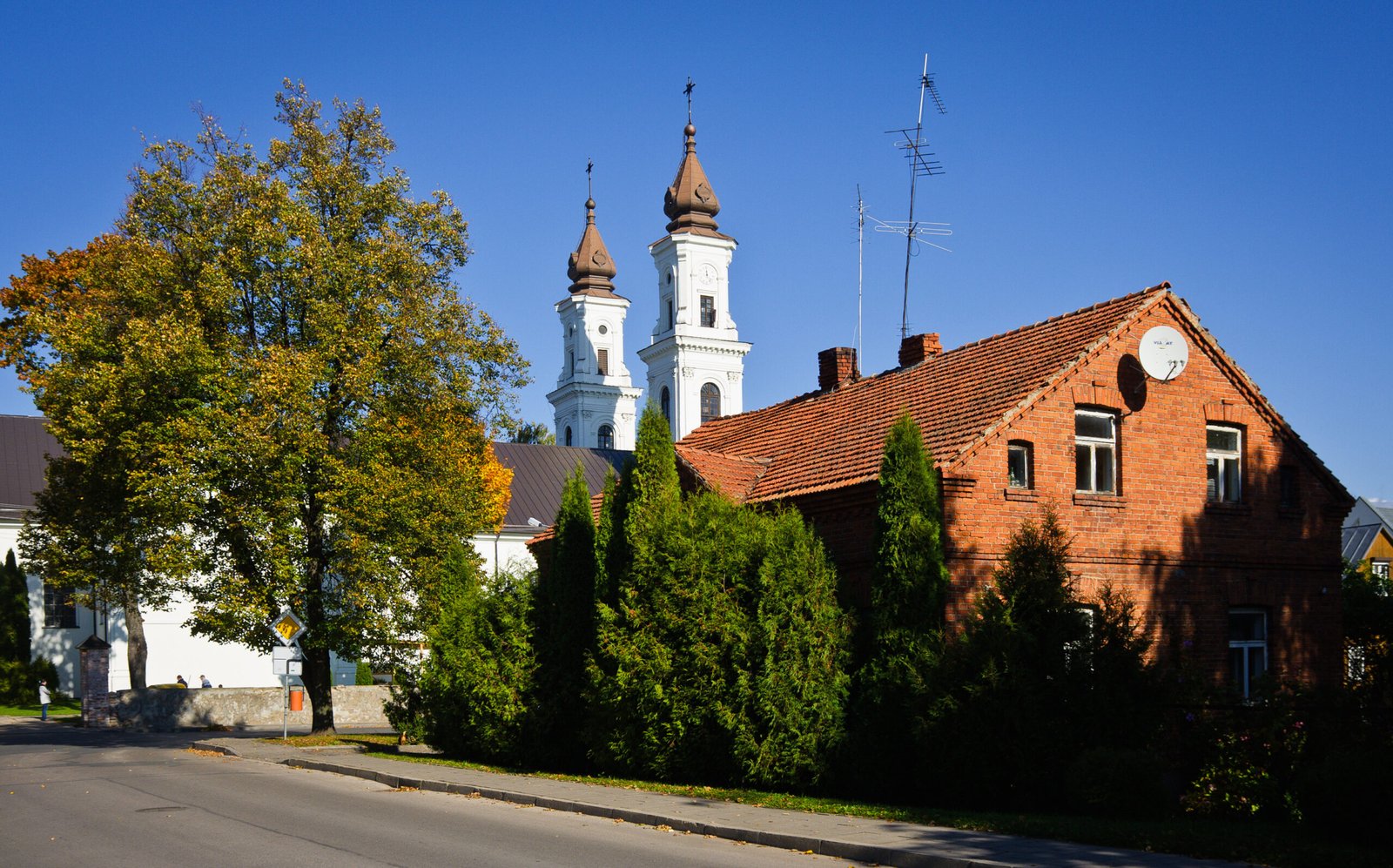
The beautiful St. Louis Church is one of the city’s most significant religious landmarks.
Its elegant architecture and spiritual importance make it a central feature of community life. The church has served generations of residents and continues to host religious ceremonies and cultural events.
Visitors appreciate both its historical significance and peaceful atmosphere.
The church remains a symbol of Alytus’s religious heritage.
5. Nemunas River Promenade

Following Lithuania’s Greatest River
The Nemunas River Promenade offers some of the most beautiful walking and cycling routes in the city.
Visitors can enjoy panoramic views of the river, forests, and surrounding landscapes while exploring well-maintained recreational paths. The area provides opportunities for relaxation, photography, and outdoor activities.
The river has played a central role in the city’s history and development.
Its scenic beauty continues to attract residents and tourists alike.
6. Alytus Mound

A Window into Lithuania’s Ancient Past
The Alytus Mound is one of the region’s most important historical sites.
The mound served as a fortified settlement during ancient times and offers insight into early Lithuanian civilization. Visitors can explore the site while enjoying scenic views of the surrounding river valley.
The landmark combines archaeological significance with natural beauty.
It remains a favorite destination for history enthusiasts.
7. Dzūkija National Park Gateway

Gateway to Lithuania’s Wild Landscapes
Alytus serves as a major gateway to Dzūkija National Park, one of the country’s largest protected natural areas.
The park is famous for its vast pine forests, rivers, traditional villages, and rich biodiversity. Visitors can enjoy hiking, cycling, canoeing, and wildlife observation while exploring pristine natural environments.
The proximity of the park greatly enhances Alytus’s appeal as an outdoor destination.
Nature enthusiasts consider the region one of Lithuania’s greatest treasures.
8. Angel of Freedom Monument

Honoring National Independence
The Angel of Freedom Monument commemorates Lithuania’s struggle for independence and national identity.
The monument stands as a powerful reminder of the sacrifices made by previous generations in defense of freedom and sovereignty.
Visitors often stop to reflect on the historical significance of the site.
The monument remains an important symbol of civic pride.
9. Alytus Cultural Center

The Creative Heart of the City
The Alytus Cultural Center plays a vital role in promoting arts, music, theater, and community activities.
The center hosts concerts, exhibitions, workshops, and cultural festivals throughout the year, attracting both local and international performers.
Visitors can experience the vibrant artistic life of the city through its diverse programming.
The institution contributes significantly to Alytus’s cultural identity.
10. Alytus Forest Park

The Green Lungs of the City
The Alytus Forest Park showcases the natural beauty that has earned Alytus its reputation as Lithuania’s green capital.
The park offers walking trails, cycling routes, picnic areas, and opportunities to observe local wildlife. Towering pine trees create a peaceful atmosphere ideal for relaxation and recreation.
Visitors often describe the park as one of the city’s greatest assets.
Its natural beauty perfectly complements Alytus’s urban attractions.
Related artical : Best place to visit in Panevėžys