
Now Reading: Best place to visit in Šilutė
-
01
Best place to visit in Šilutė
Best place to visit in Šilutė

Introduction
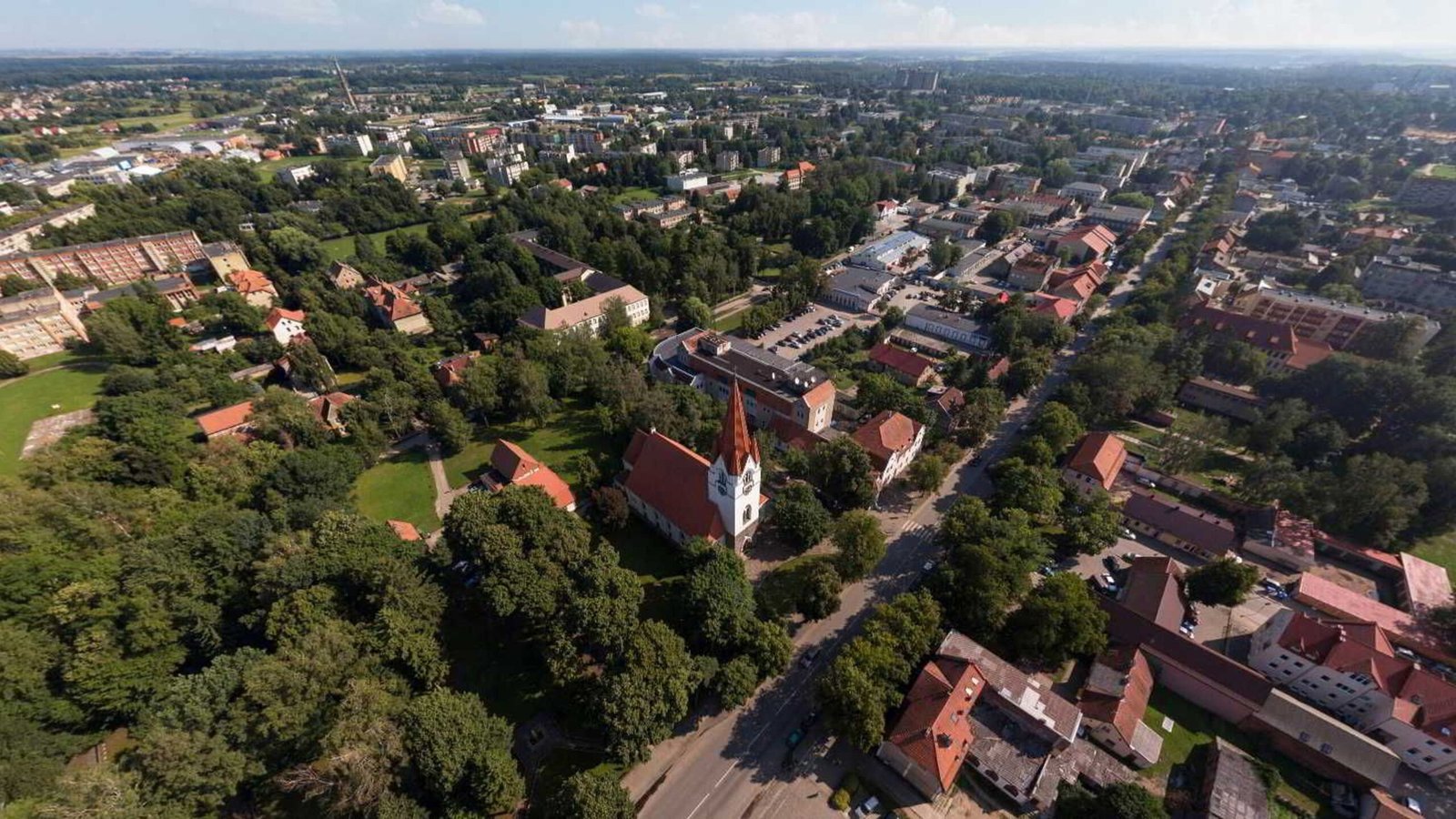
Šilutė is one of the most distinctive cities in western Lithuania, renowned for its rich cultural heritage, unique natural landscapes, and close connection to the famous Nemunas Delta. Located in the historic region known as Lithuania Minor, Šilutė serves as the primary gateway to one of the most ecologically important and visually stunning areas in the Baltic region.
Surrounded by rivers, wetlands, lagoons, and floodplains, Šilutė offers visitors an experience unlike anywhere else in Lithuania. The city combines centuries of German, Lithuanian, and Prussian influences with beautiful natural scenery and strong local traditions. Its historic architecture, cultural institutions, and proximity to protected nature reserves make it a fascinating destination for travelers interested in history, ecology, and outdoor adventure.
Today, Šilutė is recognized as an important center for eco-tourism, birdwatching, cultural heritage, and exploration of the unique landscapes of western Lithuania.
History of Šilutė
The history of Šilutė dates back to the early 16th century when the settlement began developing as a trading center near important waterways connecting inland territories with the Baltic Sea. Historically known as Heydekrug, the city formed part of East Prussia for several centuries and was heavily influenced by German and Prussian culture.
Its location near the Curonian Lagoon and the Nemunas Delta helped establish Šilutė as an important commercial and transportation hub. Merchants, fishermen, farmers, and craftsmen contributed to the city’s growth and prosperity.
During the twentieth century, political changes brought Šilutė into modern Lithuania while preserving much of its multicultural architectural and historical heritage.
Today, visitors can still see evidence of these diverse influences throughout the city’s streets, buildings, and cultural landmarks.
1. Nemunas Delta Regional Park

Lithuania’s Most Unique Wetland Landscape
The magnificent Nemunas Delta Regional Park is the most famous attraction near Šilutė and one of the country’s most important natural reserves.
The park protects vast wetlands, rivers, islands, floodplains, and wildlife habitats that support hundreds of bird species. It is internationally recognized as one of Europe’s premier birdwatching destinations.
Visitors can explore the region by boat, bicycle, or hiking trails.
The delta remains one of Lithuania’s greatest ecological treasures.
2. Šilutė Old Town

Discovering Lithuania Minor Heritage
The Šilutė Old Town reflects the unique cultural identity of Lithuania Minor.
Visitors can admire historic buildings, traditional architecture, charming streets, and public squares that preserve elements of German and Prussian urban design.
The Old Town offers a fascinating glimpse into the city’s multicultural past.
Its atmosphere differs noticeably from many other Lithuanian towns.
3. Hugo Scheu Museum

Preserving Regional History
The Hugo Scheu Museum is one of the most important cultural institutions in western Lithuania.
Located within a historic manor estate, the museum preserves artifacts, documents, photographs, and exhibits related to the history of Lithuania Minor and the Nemunas Delta region.
Visitors gain valuable insight into local traditions, culture, and everyday life.
The museum remains a key educational destination.
4. Šilutė Evangelical Lutheran Church

A Landmark of Spiritual Heritage
The beautiful Šilutė Evangelical Lutheran Church reflects the religious traditions of the region.
Its architecture and historical significance highlight the influence of Protestant communities that played an important role in local history.
Visitors admire the church’s elegant design and peaceful atmosphere.
It remains one of the city’s most recognizable landmarks.
5. Šyša River Promenade

The Natural Heart of the City
The scenic Šyša River Promenade offers pleasant walking routes through the city.
Visitors can enjoy riverside views, public parks, cycling paths, and recreational spaces while experiencing the peaceful atmosphere that characterizes Šilutė.
The river has historically played an important role in transportation and commerce.
Today, it remains a valued natural feature.
6. Rusnė Island

Lithuania’s Largest Island
Located near Šilutė, Rusnė Island is the country’s largest island and one of the highlights of the Nemunas Delta.
The island is famous for its picturesque villages, fishing traditions, birdwatching opportunities, and unique floodplain landscapes.
Visitors can explore charming communities while enjoying exceptional natural scenery.
Rusnė offers a truly distinctive Lithuanian experience.
7. Ventė Cape Ornithological Station

One of Europe’s Great Birdwatching Sites
The Ventė Cape Ornithological Station is internationally famous for bird migration research.
Thousands of migratory birds pass through the area each year, making it one of Europe’s most important bird observation locations.
Visitors can observe bird ringing activities and learn about scientific conservation efforts.
Nature enthusiasts consider it a must-visit destination.
8. Curonian Lagoon

A Spectacular Coastal Landscape
The vast Curonian Lagoon is one of the most important geographical features near Šilutė.
The lagoon supports fishing, boating, wildlife observation, and tourism while offering breathtaking views of water, wetlands, and coastal landscapes.
Visitors can explore the area through cruises and eco-tourism excursions.
Its beauty has inspired generations of travelers and artists.
9. Macikai Historical Memorial
Remembering Difficult Chapters of History
The Macikai Historical Memorial commemorates significant events from the twentieth century.
The site preserves memories of wartime and post-war experiences while educating visitors about important historical lessons.
It remains an important place of remembrance and reflection.
The memorial contributes to understanding the region’s complex history.
10. Šilutė Market Square

The Social Center of Community Life
The Šilutė Market Square serves as a focal point for cultural events, public gatherings, and local traditions.
Surrounded by historic buildings and cafés, the square reflects the city’s community spirit and welcoming atmosphere.
Visitors can experience everyday life while exploring the historic center.
The square remains one of the city’s most vibrant public spaces.
Related artical : Best place to visit in Anykščiai