
Now Reading: Best place to visit in Anykščiai
-
01
Best place to visit in Anykščiai
Best place to visit in Anykščiai

Introduction
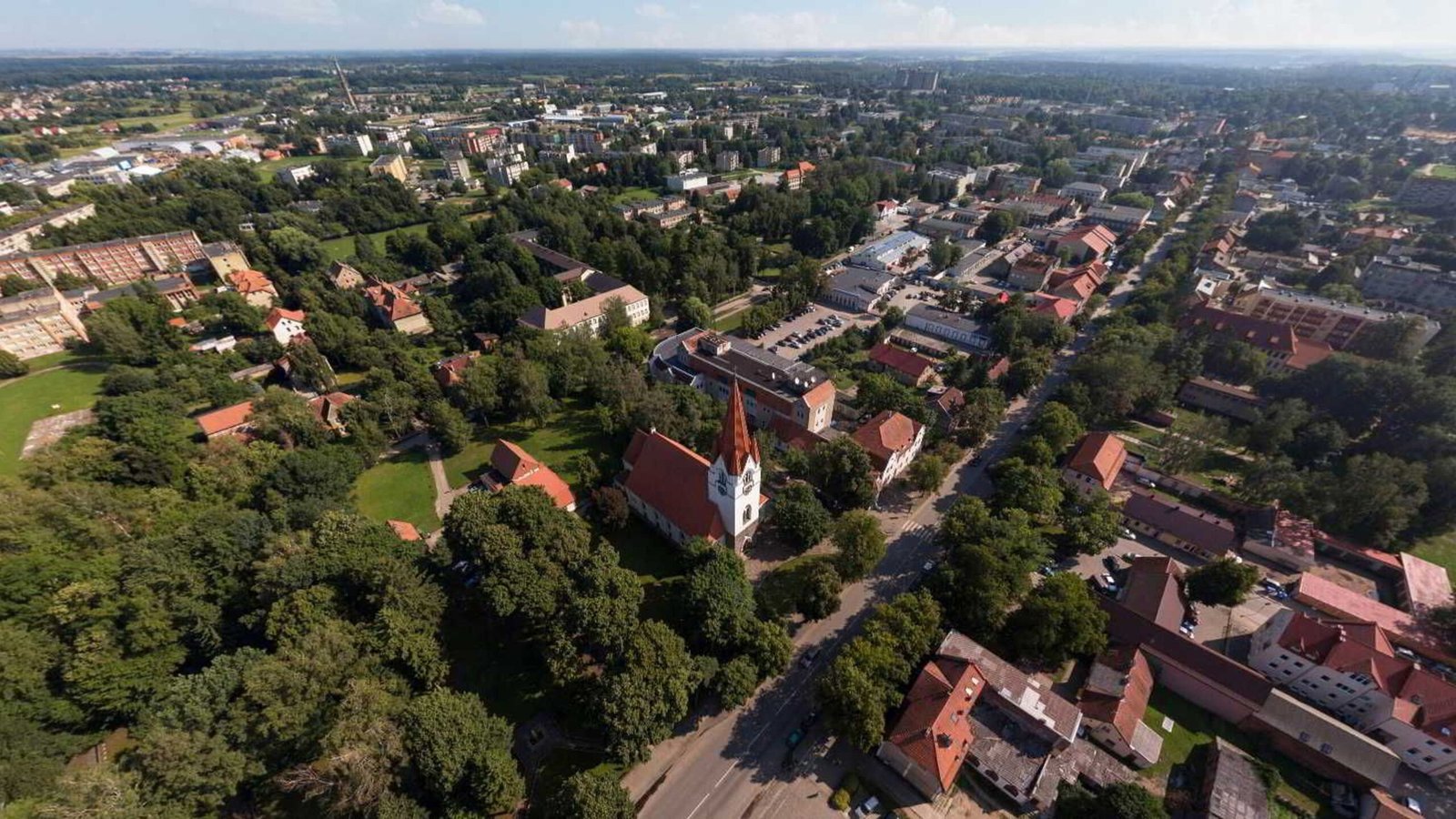
Anykščiai is one of the most beautiful and culturally significant destinations in northeastern Lithuania. Famous for its breathtaking forests, legendary natural landmarks, literary heritage, and outdoor attractions, Anykščiai has become one of Lithuania’s most visited tourism centers.
Nestled among rolling hills, dense pine forests, and the scenic Šventoji River, the town offers a perfect combination of nature, culture, history, and adventure. Visitors are drawn by its unique attractions, including the famous treetop walkway, giant glacial boulders, historic churches, museums, and regional parks.
Anykščiai also holds a special place in Lithuanian literature and national identity. Many renowned writers, poets, and cultural figures were born or worked here, contributing to the town’s reputation as a center of creativity and inspiration.
Today, Anykščiai is regarded as one of Lithuania’s premier destinations for eco-tourism, cultural exploration, and outdoor recreation.
History of Anykščiai
The history of Anykščiai dates back to the medieval era, with historical records mentioning the settlement as early as the 15th century. Due to its location along trade routes and near fertile agricultural lands, the town gradually developed into an important regional center.
Throughout the centuries, Anykščiai became known for its cultural achievements, religious institutions, and artistic contributions. During the Lithuanian National Revival of the 19th century, the town played a significant role in preserving Lithuanian language, literature, and traditions.
The surrounding landscapes inspired some of Lithuania’s most famous literary works and continue to attract artists and writers today.
Modern Anykščiai successfully combines its historical heritage with innovative tourism attractions and environmental conservation efforts.
1. Anykščiai Treetop Walking Path

Walking Above the Forest Canopy
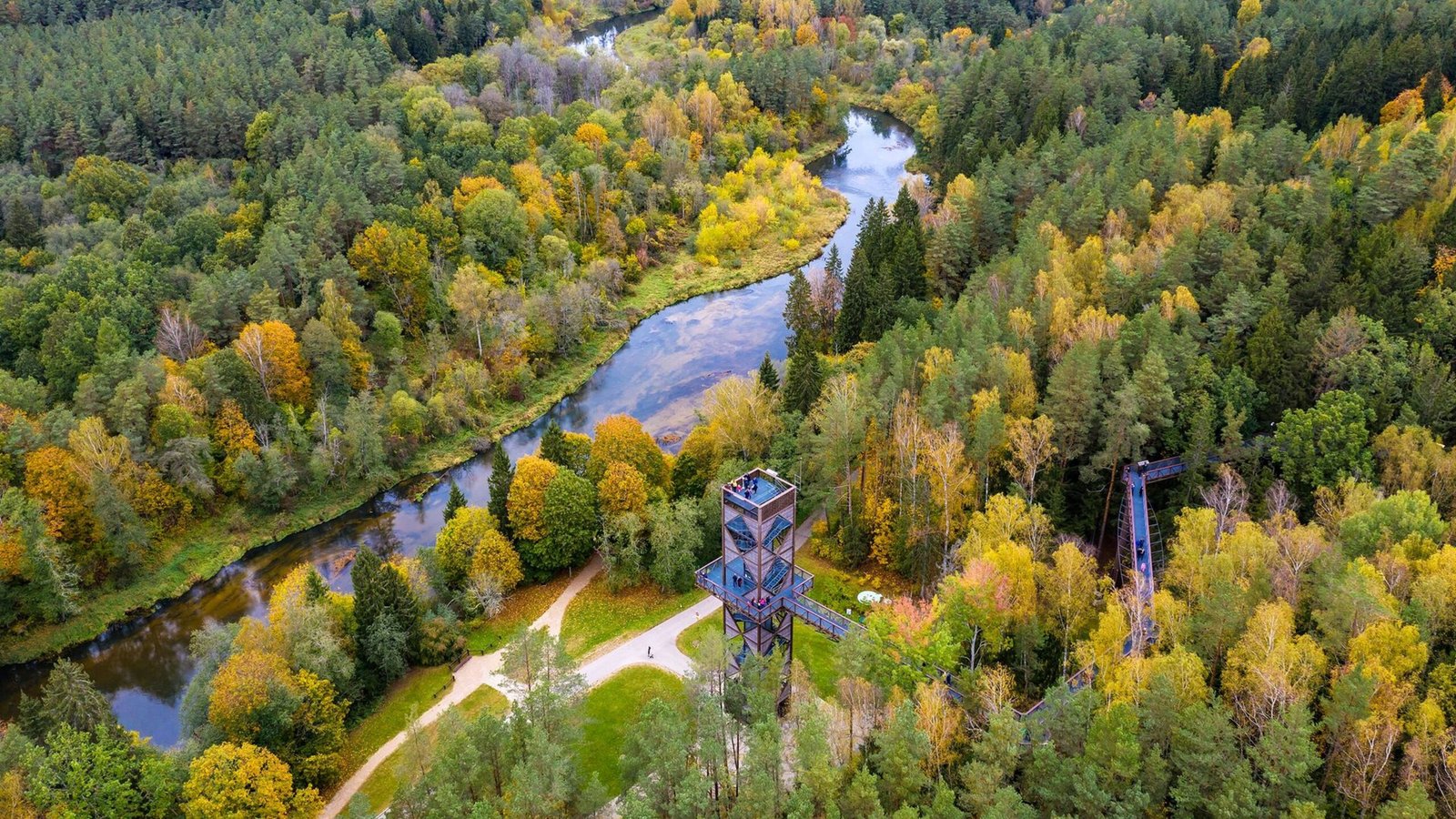
The spectacular Anykščiai Treetop Walking Path is one of Lithuania’s most famous tourist attractions.
Stretching high above the forest floor, the elevated walkway allows visitors to experience the beauty of the woodland canopy from a unique perspective. Observation towers provide panoramic views of forests, river valleys, and surrounding landscapes.
Nature lovers and photographers particularly enjoy this unforgettable experience.
The attraction has become an international symbol of modern Lithuanian tourism.
2. Puntukas Stone

Lithuania’s Most Famous Boulder
The legendary Puntukas Stone is the second-largest glacial boulder in Lithuania and one of the country’s most important natural monuments.
According to local folklore, the stone is connected to ancient legends and myths. Its massive size and historical significance attract visitors from across the country.
The site also features commemorative carvings honoring Lithuanian aviators.
It remains one of the most recognizable natural landmarks in Lithuania.
3. Church of St. Matthew the Apostle

The Architectural Landmark of Anykščiai
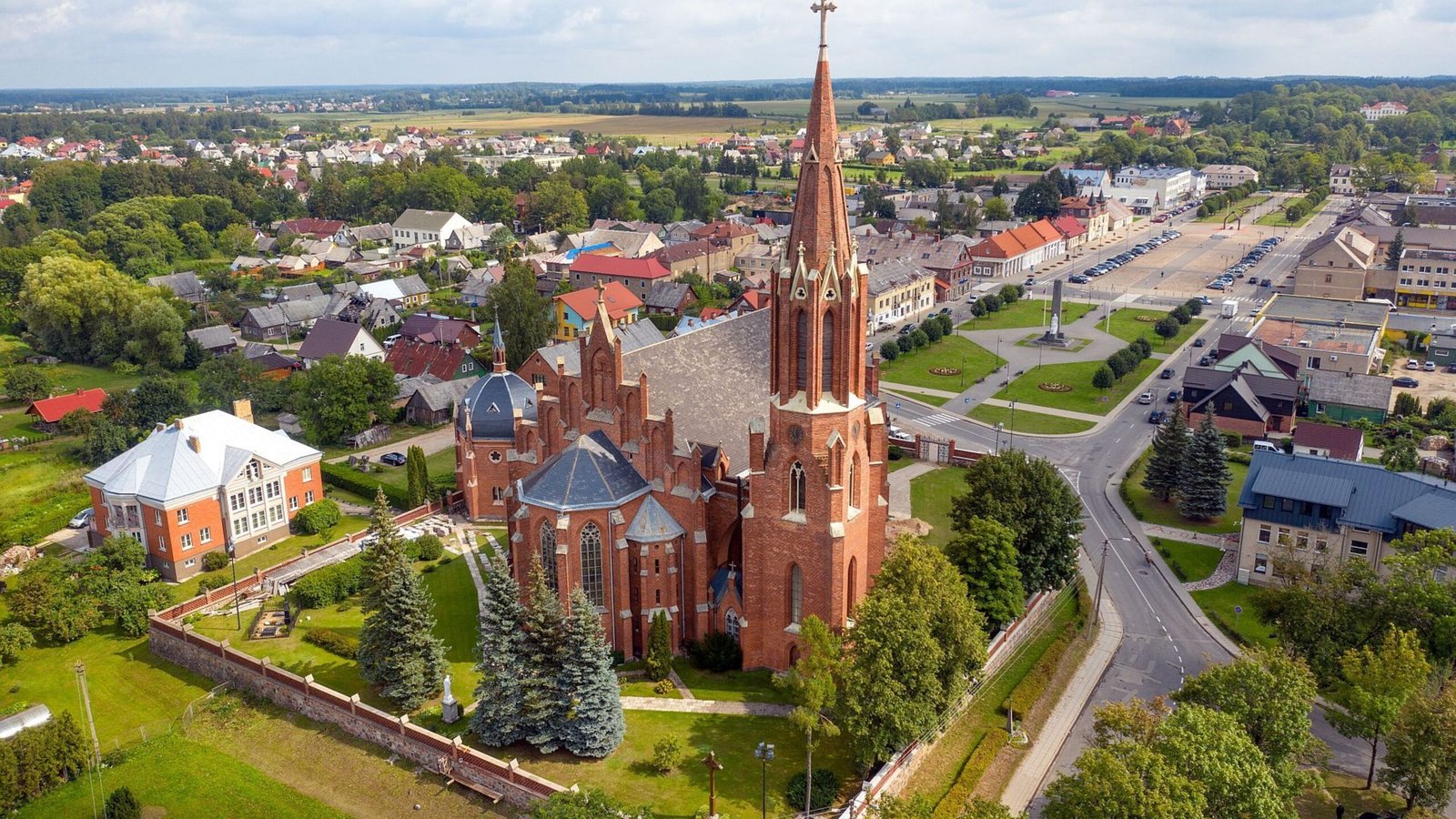
The magnificent Church of St. Matthew the Apostle dominates the town skyline with its impressive twin towers.
Built in Neo-Gothic style, the church is one of the tallest and most beautiful religious buildings in Lithuania. Visitors can climb the observation platform for stunning views of the town and surrounding countryside.
The church remains an important spiritual and cultural landmark.
Its architecture is admired throughout the country.
4. Horse Museum

Preserving Rural Traditions
The Horse Museum is one of the most unique museums in Lithuania.
Dedicated to the historical role of horses in Lithuanian agriculture, transportation, and daily life, the museum features exhibits, traditional tools, and cultural demonstrations.
Visitors gain valuable insight into rural heritage and traditional lifestyles.
The museum is especially popular with families.
5. Narrow Gauge Railway Museum

A Journey Through Railway History
The Narrow Gauge Railway Museum preserves the history of one of Lithuania’s most charming railway systems.
Visitors can explore historic locomotives, railway equipment, and museum exhibits while learning about transportation history.
Seasonal train rides provide an authentic heritage experience.
The attraction is popular among both children and adults.
6. Šventoji River Promenade

The Natural Heart of the Town
The beautiful Šventoji River Promenade offers scenic walking and cycling routes along one of Lithuania’s most picturesque rivers.
Visitors can enjoy peaceful landscapes, riverside parks, observation points, and recreational activities while exploring the town’s natural beauty.
The river has played an important role in local history and development.
It remains one of Anykščiai’s most cherished natural attractions.
7. Cosmos Milky Way

A Modern Interactive Experience
The Cosmos Milky Way is one of the town’s newest and most innovative attractions.
Featuring interactive exhibits, optical illusions, light installations, and educational displays, the attraction offers a unique blend of science and entertainment.
Visitors of all ages enjoy its engaging experiences.
It has become a popular addition to the town’s tourism offerings.
8. Dainuva Adventure Valley

Adventure in the Forest
The Dainuva Adventure Valley provides exciting outdoor experiences among beautiful forest landscapes.
Visitors can enjoy rope courses, climbing challenges, zip lines, and adventure trails designed for various skill levels.
The park combines recreation with nature appreciation.
It is particularly popular among families and active travelers.
9. Angel Museum

Celebrating Art and Spirituality
The Angel Museum houses a unique collection of angel-themed artworks created by Lithuanian and international artists.
Its exhibitions include paintings, sculptures, carvings, and decorative art inspired by spiritual and cultural themes.
Visitors appreciate the museum’s peaceful atmosphere and creative displays.
The museum has become one of the town’s most distinctive cultural attractions.
10. Anykščiai Regional Park

Exploring the Natural Beauty of Aukštaitija
The Anykščiai Regional Park protects forests, rivers, hills, geological formations, and cultural heritage sites surrounding the town.
Visitors can explore hiking trails, observation towers, historic landmarks, and diverse ecosystems while enjoying some of Lithuania’s most beautiful scenery.
The park is a paradise for nature enthusiasts and outdoor adventurers.
Its landscapes perfectly represent the beauty of northeastern Lithuania.
Related artical : Best place to visit in Rokiškis