
Now Reading: Best place to visit in Antananarivo
-
01
Best place to visit in Antananarivo
Best place to visit in Antananarivo

Introduction
Antananarivo, often called “Tana” by locals, is the capital and largest city of Madagascar. Built across a series of hills in the central highlands, Antananarivo serves as the political, economic, cultural, and historical center of the country. The city is known for its colorful hillside neighborhoods, royal heritage, colonial architecture, bustling markets, and panoramic viewpoints.
Founded in the early seventeenth century by the Merina Kingdom, Antananarivo has played a crucial role in Madagascar’s history for centuries. Today, it offers visitors a fascinating blend of traditional Malagasy culture, royal monuments, museums, churches, and vibrant urban life.
Whether exploring ancient palaces, discovering local crafts, visiting historic districts, or experiencing authentic Malagasy cuisine, visitors will find Antananarivo to be one of the most rewarding destinations in Madagascar.
1. Rova of Antananarivo

The Royal Symbol of Madagascar
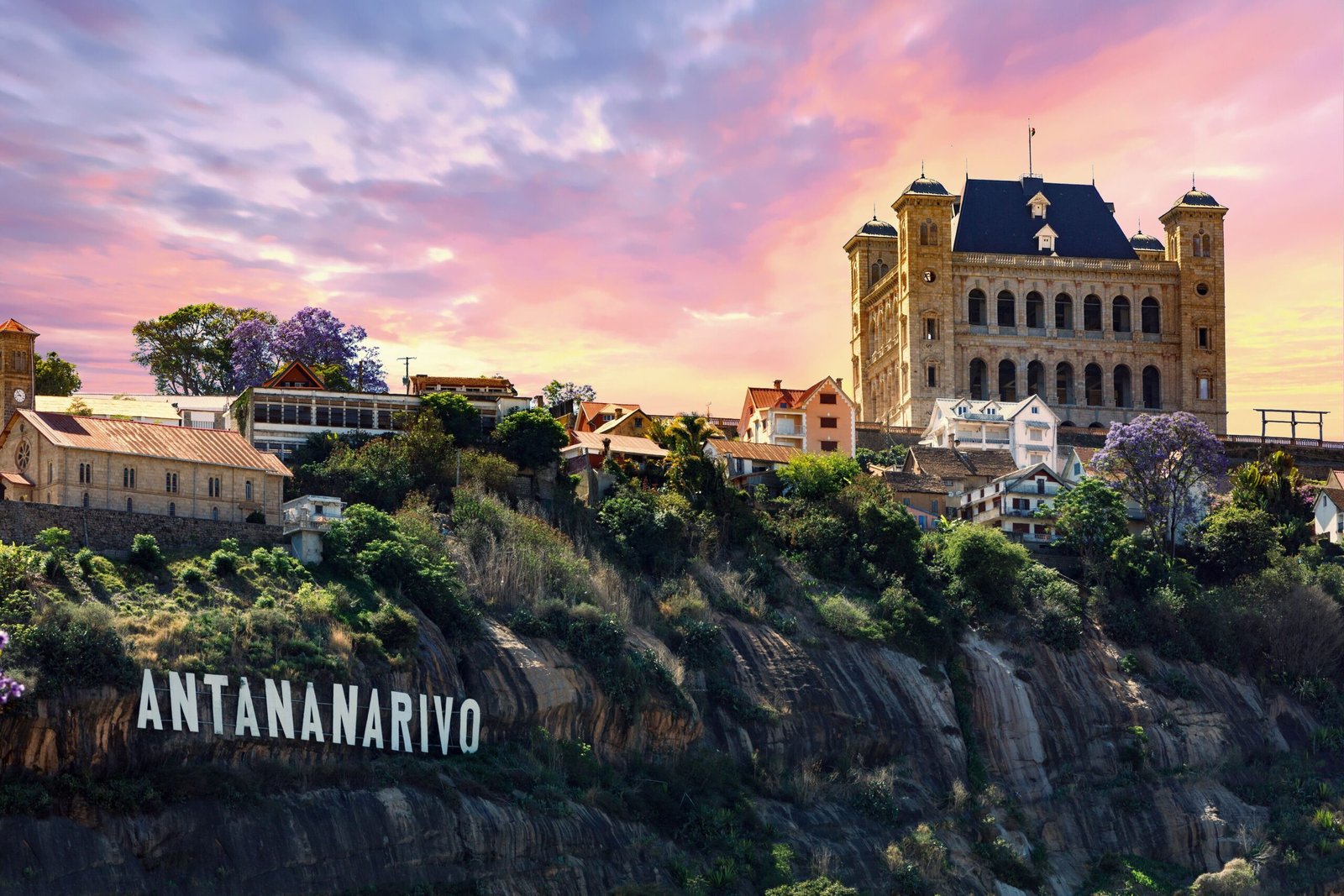
The magnificent Rova of Antananarivo is the most important historical landmark in the city. Located on the highest hill overlooking the capital, the Rova served as the royal residence of the Merina monarchs who ruled Madagascar before the colonial period.
Originally built during the seventeenth century and expanded over time, the complex includes royal palaces, tombs, ceremonial structures, and historical monuments. The site played a central role in the political and cultural life of the kingdom and became a symbol of Malagasy national identity.
Visitors can admire panoramic views of the city while learning about the history of Madagascar’s royal dynasties. Despite suffering damage from a fire in 1995, extensive restoration efforts have helped preserve this iconic landmark.
Today, the Rova remains one of Madagascar’s most significant cultural treasures and a must-visit destination for history enthusiasts.
2. Andafiavaratra Palace

A Museum of Royal History
The beautiful Andafiavaratra Palace was originally built in the nineteenth century as the residence of Madagascar’s Prime Minister. Following the devastating fire at the Rova, many valuable royal artifacts were transferred here for safekeeping.
Today, the palace functions as a museum displaying royal furniture, historical documents, jewelry, ceremonial objects, and items associated with Madagascar’s monarchy.
Visitors gain a deeper understanding of the country’s political history and cultural heritage through its extensive collections. The palace itself is an architectural masterpiece and offers spectacular views over Antananarivo.
It remains one of the city’s most important historical attractions.
3. Independence Avenue

The Heart of Modern Antananarivo
The lively Independence Avenue is one of the city’s most famous streets and a major center of commerce and social life.
Surrounded by colonial-era buildings, shops, restaurants, hotels, and government offices, the avenue reflects the historical influence of French colonial architecture while remaining an active part of modern urban life.
Visitors can enjoy walking through the district, experiencing local culture, shopping for souvenirs, and observing everyday life in the capital.
The avenue remains a central gathering place for residents and tourists alike.
4. Analakely Market

Experiencing Local Life
The bustling Analakely Market is one of the city’s largest and most vibrant marketplaces.
Visitors can browse countless stalls selling fresh produce, spices, textiles, handicrafts, traditional clothing, and household goods. The market provides an authentic glimpse into daily life and local commerce.
The colorful atmosphere, diverse products, and energetic environment make it a fascinating destination for cultural exploration.
It remains one of the best places to experience the spirit of Antananarivo.
5. Tsimbazaza Zoo and Botanical Garden

Discovering Madagascar’s Unique Biodiversity
The renowned Tsimbazaza Zoo and Botanical Garden showcases the extraordinary wildlife and plant life that make Madagascar famous worldwide.
Visitors can observe lemurs, reptiles, birds, and numerous endemic species found nowhere else on Earth. The botanical garden contains native plants, medicinal herbs, and rare tropical species.
Educational exhibits highlight conservation efforts and the importance of protecting Madagascar’s unique ecosystems.
The attraction is particularly popular with families and nature enthusiasts.
6. Lake Anosy

A Scenic Urban Landmark
The picturesque Lake Anosy is one of the city’s most recognizable landmarks.
Created during the nineteenth century, the heart-shaped artificial lake is famous for its central war memorial dedicated to Malagasy soldiers who fought during World War I.
Surrounded by beautiful jacaranda trees that bloom with vibrant purple flowers, the lake provides one of the most photographed scenes in Antananarivo.
Visitors enjoy peaceful walks, photography, and relaxation along its shores.
7. Ambohimanga Royal Hill

Madagascar’s Most Sacred Historical Site
The extraordinary Ambohimanga is located just outside Antananarivo and is considered one of Madagascar’s most important cultural landmarks.
This ancient royal city served as a political and spiritual center for the Merina Kingdom. Its royal residences, tombs, sacred sites, and defensive walls provide insight into centuries of Malagasy history.
Recognized as a UNESCO World Heritage Site, Ambohimanga remains a place of great national significance.
Visitors can explore historic buildings while learning about traditional customs and royal ceremonies.
8. Piratenmuseum

Exploring Madagascar’s Pirate Past
The fascinating Piratenmuseum focuses on the island’s connection to pirates who once operated throughout the Indian Ocean.
Exhibits feature artifacts, maps, ship models, historical documents, and stories about legendary pirates who used Madagascar as a base during the seventeenth and eighteenth centuries.
Visitors gain insight into a unique and often overlooked chapter of maritime history.
The museum is a favorite among history enthusiasts.
9. Cathedral of Andohalo

A Monument of Faith and History
The beautiful Cathedral of Andohalo is one of the city’s most important religious landmarks.
Built during the nineteenth century, the cathedral reflects Gothic architectural influences and occupies a prominent position overlooking the city.
Visitors admire its stained-glass windows, elegant interior, and historical significance.
The cathedral continues to serve as an important center of worship and community life.
10. Lemurs’ Park

Encounter Madagascar’s Famous Lemurs
Located near the capital, Lemurs’ Park offers visitors the opportunity to observe several species of lemurs in a protected natural environment.
The reserve was established to protect rescued lemurs and educate visitors about conservation efforts. Walking trails allow close observation of these remarkable primates as they move freely among native vegetation.
Educational programs highlight the importance of preserving Madagascar’s unique biodiversity.
The park provides an unforgettable wildlife experience for visitors of all ages.
Related artical : Best lace to visist in Luxembourg