
Now Reading: Best lace to visist in Luxembourg
-
01
Best lace to visist in Luxembourg
Best lace to visist in Luxembourg
1. Luxembourg Old Quarter

Luxembourg Old Quarter – The Historic Heart of the Grand Duchy
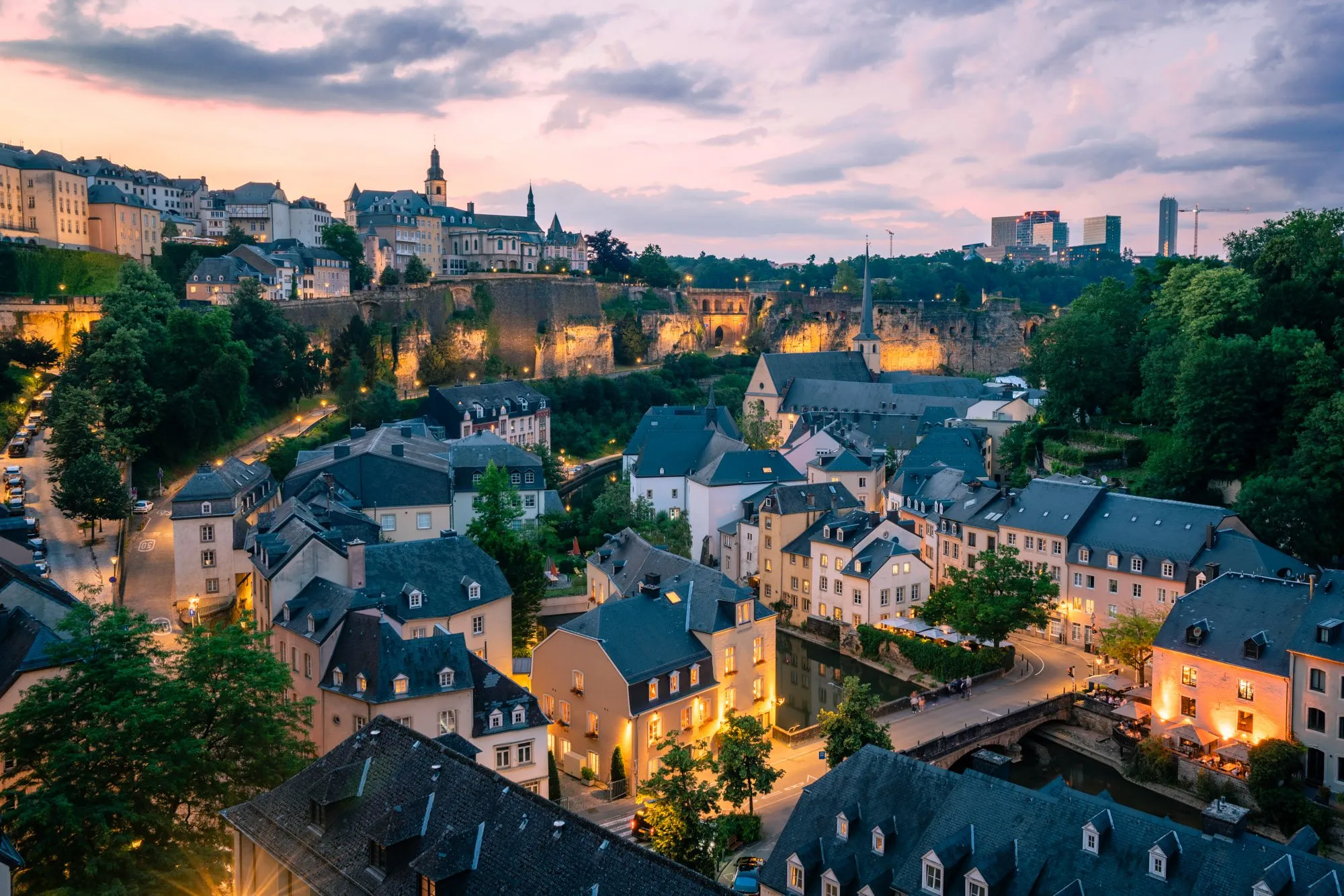
The historic Luxembourg Old Quarter is one of Europe’s most beautiful and best-preserved historic districts. Located in the center of **Luxembourg City>, the Old Quarter is recognized as a UNESCO World Heritage Site due to its exceptional historical, cultural, and architectural significance.
Founded during the early medieval period, the area developed around a fortress that was considered one of Europe’s strongest defensive structures. Over centuries, various European powers including the Burgundians, Spanish, French, Austrians, and Prussians influenced the city’s development, leaving behind a fascinating blend of architectural styles.
Visitors wandering through the Old Quarter encounter cobblestone streets, ancient fortifications, picturesque squares, historic churches, elegant government buildings, and panoramic viewpoints overlooking deep river valleys. The district’s unique landscape, characterized by dramatic cliffs and bridges, creates one of the most distinctive urban settings in Europe.
Today, the Old Quarter serves as the cultural and historical center of Luxembourg. Museums, cafés, restaurants, boutiques, and cultural institutions coexist alongside centuries-old landmarks. Walking through its streets offers a journey through more than a thousand years of European history, making it an essential destination for anyone visiting Luxembourg.
2. Bock Casemates

Bock Casemates – The Underground Fortress of Luxembourg
The remarkable Bock Casemates represent one of Luxembourg’s most famous historical attractions. Carved into massive rock formations beneath the city, these underground tunnels formed part of the extensive fortification system that earned Luxembourg the nickname “Gibraltar of the North.”
Construction began during the seventeenth century under Spanish rule and was expanded significantly by later military powers. The network eventually stretched for many kilometers, providing shelter for soldiers, horses, artillery, and supplies during times of conflict.
Visitors can explore narrow passageways, chambers, galleries, and observation points that reveal the strategic importance of Luxembourg’s defenses. The tunnels provide fascinating insights into military engineering and the challenges of defending a fortified city.
The Bock Casemates also offer spectacular views over the Alzette Valley, historic neighborhoods, and surrounding landscapes. Today, they remain one of the most visited attractions in Luxembourg and a symbol of the nation’s remarkable military heritage.
3. Grand Ducal Palace

Grand Ducal Palace – The Official Residence of Luxembourg’s Royal Family
The magnificent Grand Ducal Palace stands as one of the country’s most important national landmarks. Located in the heart of Luxembourg City, the palace serves as the official residence of the Grand Duke of Luxembourg and represents the country’s constitutional monarchy.
Originally constructed during the sixteenth century as a city hall, the building later became the residence of the ruling grand ducal family. Its elegant Flemish Renaissance architecture reflects both historical grandeur and political significance.
Visitors admire the palace’s richly decorated façade, ornate balconies, and ceremonial features. During certain times of the year, guided tours allow access to lavish interiors including reception halls, royal chambers, and state rooms.
The palace plays a central role in national ceremonies, diplomatic events, and official celebrations. As a symbol of Luxembourg’s independence, stability, and royal traditions, it remains one of the nation’s most treasured landmarks.
4. Notre-Dame Cathedral

Notre-Dame Cathedral – Luxembourg’s Spiritual Masterpiece
The stunning Notre-Dame Cathedral is the most important Catholic church in Luxembourg and one of the country’s greatest architectural achievements.
Built during the early seventeenth century by Jesuit priests, the cathedral combines Gothic, Renaissance, and Baroque architectural influences. Its soaring towers, magnificent stained-glass windows, intricate sculptures, and elegant interior create a truly inspiring atmosphere.
The cathedral is particularly significant because it houses the revered statue of the Consoler of the Afflicted, the patron saint of Luxembourg. Each year, thousands of pilgrims visit the cathedral during important religious celebrations.
Visitors are captivated by the church’s impressive vaults, artistic decorations, royal crypts, and peaceful ambiance. The cathedral remains both a place of worship and a national symbol deeply connected to Luxembourg’s cultural identity.
5. Vianden Castle

Vianden Castle – One of Europe’s Finest Medieval Castles
The spectacular Vianden Castle is widely regarded as one of the most beautiful feudal castles in Europe. Rising majestically above the town of Vianden, the castle dominates the surrounding landscape and attracts visitors from around the world.
Constructed between the eleventh and fourteenth centuries, the castle served as the residence of the powerful Counts of Vianden. Its architecture reflects Romanesque and Gothic influences while showcasing medieval engineering at its finest.
Visitors can explore grand halls, chapels, towers, defensive walls, and noble residences that provide insight into medieval aristocratic life. Extensive restoration efforts have preserved the castle’s historical character and architectural beauty.
The breathtaking views of the Our Valley, surrounding forests, and historic town below make Vianden Castle one of Luxembourg’s most iconic attractions and a must-visit destination for history lovers.
6. Mullerthal Trail

Mullerthal Trail – Luxembourg’s Most Famous Hiking Adventure
The renowned Mullerthal Trail is one of Europe’s most scenic hiking routes and the centerpiece of Luxembourg’s famous “Little Switzerland” region.
Stretching through forests, valleys, rivers, waterfalls, caves, and dramatic sandstone formations, the trail offers visitors an unforgettable outdoor experience. The unique geological landscape has been shaped by millions of years of natural processes, creating extraordinary rock formations and narrow passages.
Hikers encounter dense woodlands, crystal-clear streams, hidden gorges, and panoramic viewpoints throughout the route. The trail is divided into several sections that cater to different skill levels, making it accessible to both casual walkers and experienced hikers.
The Mullerthal Trail showcases Luxembourg’s natural beauty at its finest and remains one of the country’s most beloved attractions for outdoor enthusiasts.
7. Echternach

Echternach – Luxembourg’s Oldest Town
Echternach is the oldest town in Luxembourg and one of its most historically significant destinations. Founded around the famous abbey established by Saint Willibrord in the seventh century, the town has served as an important religious and cultural center for over thirteen hundred years.
The historic center features beautiful squares, ancient churches, charming streets, and well-preserved architecture. Visitors can explore the Abbey of Echternach, the Basilica of Saint Willibrord, museums, and cultural landmarks that reflect the town’s rich heritage.
Echternach is also famous for its UNESCO-recognized Dancing Procession, a unique religious tradition that attracts pilgrims and visitors from across Europe.
Surrounded by the stunning landscapes of the Mullerthal region, Echternach offers a perfect combination of history, spirituality, culture, and natural beauty.
8. Beaufort Castle

Beaufort Castle – A Tale of Medieval Nobility
The impressive Beaufort Castle is one of Luxembourg’s most fascinating historical sites. The castle complex consists of medieval ruins and a later Renaissance residence, offering visitors a unique perspective on architectural evolution across centuries.
Originally constructed during the eleventh century, the fortress played an important role in regional defense and noble governance. Over time, new structures were added, creating the distinctive combination visible today.
Visitors can explore ancient walls, towers, courtyards, underground passages, and historic chambers while learning about the castle’s remarkable history. The surrounding forests and landscapes enhance the site’s romantic atmosphere.
Beaufort Castle remains one of Luxembourg’s most atmospheric medieval attractions and a favorite destination for history enthusiasts.
9. Larochette Castle

Larochette Castle – The Fortress Above the Valley
The magnificent Larochette Castle stands dramatically atop a sandstone cliff overlooking the picturesque town of Larochette.
Dating back to the medieval period, the castle served as a stronghold for powerful noble families who controlled the surrounding territory. Despite partial destruction over the centuries, substantial restoration work has preserved many important sections of the fortress.
Visitors can explore towers, courtyards, halls, defensive walls, and observation points while enjoying breathtaking views of the valley below. The castle’s elevated position offers some of the most spectacular scenery in Luxembourg.
Its combination of historical significance, architectural beauty, and natural surroundings makes Larochette Castle one of the country’s most rewarding destinations.
10. Clervaux Castle

Clervaux Castle – A Cultural Treasure of Northern Luxembourg
The elegant Clervaux Castle is one of the most important historical landmarks in northern Luxembourg. Situated above the charming town of Clervaux, the castle combines medieval origins with later architectural developments.
Throughout its history, the castle served as a noble residence and administrative center. Today, it houses museums and cultural institutions that attract visitors from around the world.
One of its most famous attractions is the internationally acclaimed “The Family of Man” photography exhibition created by Edward Steichen, which has been recognized by UNESCO for its cultural significance.
Visitors can explore the castle’s historic architecture while learning about art, photography, and regional history. Combined with the scenic beauty of the Ardennes region, Clervaux Castle offers a memorable and enriching travel experience that showcases the cultural richness of Luxembourg.
11. Upper Sûre Natural Park

Upper Sûre Natural Park – Luxembourg’s Largest Protected Natural Area
The magnificent Upper Sûre Natural Park is one of the most spectacular natural destinations in Luxembourg. Located in the northwestern part of the country, the park surrounds the beautiful Upper Sûre Reservoir, which serves as Luxembourg’s primary source of drinking water.
Established in 1999, the park covers vast forests, rolling hills, river valleys, and picturesque villages. The centerpiece of the region is the stunning reservoir, whose crystal-clear waters create breathtaking scenery throughout the year. Visitors can enjoy hiking, cycling, kayaking, sailing, swimming, and wildlife observation while exploring one of the country’s most pristine environments.
The park is home to diverse ecosystems that support numerous species of birds, mammals, and aquatic life. Educational centers and guided tours help visitors understand the importance of conservation and sustainable development within the region.
Combining natural beauty, outdoor recreation, and environmental significance, Upper Sûre Natural Park remains one of Luxembourg’s most treasured landscapes and a paradise for nature enthusiasts.
12. Moselle Valley

Moselle Valley – The Wine Paradise of Luxembourg
The beautiful Moselle Valley forms one of the most picturesque regions in Luxembourg. Stretching along the Moselle River on the border with Germany, the valley is internationally renowned for its vineyards, charming villages, scenic river landscapes, and centuries-old wine-making traditions.
The region enjoys a mild climate and fertile soils that create ideal conditions for grape cultivation. Visitors can explore vineyards that produce some of Luxembourg’s finest wines, including Riesling, Pinot Gris, Auxerrois, and sparkling Crémant wines.
Picturesque towns such as Remich, Grevenmacher, and Wormeldange offer wine tastings, historic architecture, and beautiful riverside promenades. Cycling routes and river cruises provide additional opportunities to experience the valley’s beauty.
The Moselle Valley remains one of Luxembourg’s premier tourism destinations and an essential stop for wine lovers and nature enthusiasts.
13. Schiessentümpel Waterfall

Schiessentümpel Waterfall – Luxembourg’s Most Photographed Natural Landmark
The enchanting Schiessentümpel Waterfall is one of Luxembourg’s most iconic natural attractions. Located within the famous Mullerthal region, often referred to as “Little Switzerland,” the waterfall attracts photographers, hikers, and nature lovers from around the world.
The waterfall cascades gracefully over moss-covered rocks beneath a charming stone bridge that dates back to the nineteenth century. Surrounded by dense forests and dramatic sandstone formations, the location creates a fairytale-like atmosphere that captivates visitors throughout the year.
The site forms part of the renowned Mullerthal Trail and serves as a highlight for hikers exploring the region’s extraordinary landscapes. Seasonal changes bring unique beauty, from vibrant spring greenery to colorful autumn foliage.
Schiessentümpel perfectly represents the natural beauty of Luxembourg and remains one of the country’s most recognizable landmarks.
14. Remich

Remich – The Pearl of the Moselle
Remich is one of Luxembourg’s most charming riverside towns and is often called the “Pearl of the Moselle.” Located on the banks of the Moselle River, Remich is famous for its scenic promenade, vineyards, wine culture, and relaxed atmosphere.
The town has a rich history dating back to Roman times, when the fertile valley became an important agricultural and trading region. Today, visitors can stroll along one of Luxembourg’s longest river promenades while enjoying spectacular views of the river and surrounding vineyards.
Wine tourism plays a central role in local life, with numerous wineries offering tastings and cellar tours. River cruises, cycling routes, and cultural events add to the town’s appeal.
Remich’s combination of natural beauty, historical charm, and wine heritage makes it one of the most attractive destinations in Luxembourg.
15. Esch-sur-Sûre Castle

Esch-sur-Sûre Castle – A Fortress Above the River
The historic Esch-sur-Sûre Castle stands dramatically above one of Luxembourg’s most picturesque villages. Built during the tenth century, the castle occupies a strategic hilltop position overlooking a bend in the Sûre River.
The fortress played an important role in defending the region and controlling trade routes throughout the Middle Ages. Although much of the structure now exists as ruins, visitors can still explore defensive walls, towers, and historical remains while learning about its fascinating history.
The panoramic views from the castle are among the finest in Luxembourg, offering spectacular perspectives of the river, forests, and village below.
Combined with the beauty of the surrounding natural park, Esch-sur-Sûre Castle remains one of Luxembourg’s most memorable historical attractions.
16. Parc Merveilleux

Parc Merveilleux – Luxembourg’s Favorite Family Attraction
The famous Parc Merveilleux is one of the most popular family destinations in Luxembourg. Located in Bettembourg, the park combines a zoo, amusement park, educational center, and fairy-tale world into one unique attraction.
Visitors can encounter animals from around the globe, including exotic birds, mammals, reptiles, and rare species. Fairy-tale themed attractions bring classic stories to life through creative displays and interactive experiences.
The park also features playgrounds, miniature trains, educational exhibits, and family entertainment areas. Children particularly enjoy the magical atmosphere and engaging activities.
Parc Merveilleux continues to delight generations of visitors and remains one of Luxembourg’s most beloved attractions.
17. National Museum of History and Art

National Museum of History and Art – Preserving Luxembourg’s Heritage
The prestigious National Museum of History and Art is one of the country’s most important cultural institutions.
Located in Luxembourg City’s historic center, the museum houses extensive collections covering archaeology, history, decorative arts, and fine arts. Exhibits trace Luxembourg’s development from prehistoric times through the Roman era, Middle Ages, and modern period.
Visitors can admire ancient artifacts, medieval treasures, paintings, sculptures, coins, and archaeological discoveries that illustrate the nation’s rich cultural heritage.
The museum serves as an essential destination for anyone interested in understanding Luxembourg’s historical evolution and artistic achievements.
18. Philharmonie Luxembourg

Philharmonie Luxembourg – A World-Class Cultural Landmark
The stunning Philharmonie Luxembourg is one of Europe’s leading concert halls and a masterpiece of contemporary architecture.
Designed by renowned architect Christian de Portzamparc, the building is distinguished by its elegant façade featuring hundreds of white columns that create a striking visual appearance.
The venue hosts performances by internationally acclaimed orchestras, soloists, conductors, and ensembles representing a wide range of musical genres. Exceptional acoustics and modern facilities have established the Philharmonie as one of Europe’s premier cultural destinations.
Visitors admire both the architectural beauty and the vibrant artistic life that the institution brings to Luxembourg.
19. Valley of the Seven Castles

Valley of the Seven Castles – A Journey Through Medieval Luxembourg
The legendary Valley of the Seven Castles is one of the country’s most famous tourism routes. Stretching through the scenic Eisch Valley, the route connects a series of magnificent castles and manor houses that reflect Luxembourg’s noble history.
Visitors encounter impressive landmarks such as Mersch Castle, Schoenfels Castle, and Hollenfels Castle, among others.
The route passes through beautiful countryside characterized by forests, rivers, picturesque villages, and rolling hills. It offers exceptional opportunities for sightseeing, photography, cycling, and historical exploration.
The Valley of the Seven Castles remains one of Luxembourg’s most enchanting travel experiences.
20. Wiltz Castle

Wiltz Castle – The Cultural Landmark of the Ardennes
The impressive Wiltz Castle stands proudly above the town of Wiltz in northern Luxembourg. Originally constructed as a medieval fortress, the castle was later transformed into an elegant Renaissance-style residence.
Throughout its long history, the castle played an important role in regional governance and defense. Today, it houses cultural institutions, museums, and exhibition spaces that preserve the history of the region.
One of the castle’s most famous features is its open-air amphitheater, which hosts the renowned Wiltz Festival every summer. The festival attracts performers and audiences from across Europe, transforming the castle into a vibrant cultural center.
Visitors can explore historic architecture, museum collections, beautiful courtyards, and panoramic viewpoints while discovering one of Luxembourg’s most important heritage sites. Wiltz Castle perfectly combines history, culture, and architectural beauty, making it a highlight of northern Luxembourg.
Related artical : Best place to visit in Pétange