
Now Reading: Best place to visit in Pétange
-
01
Best place to visit in Pétange
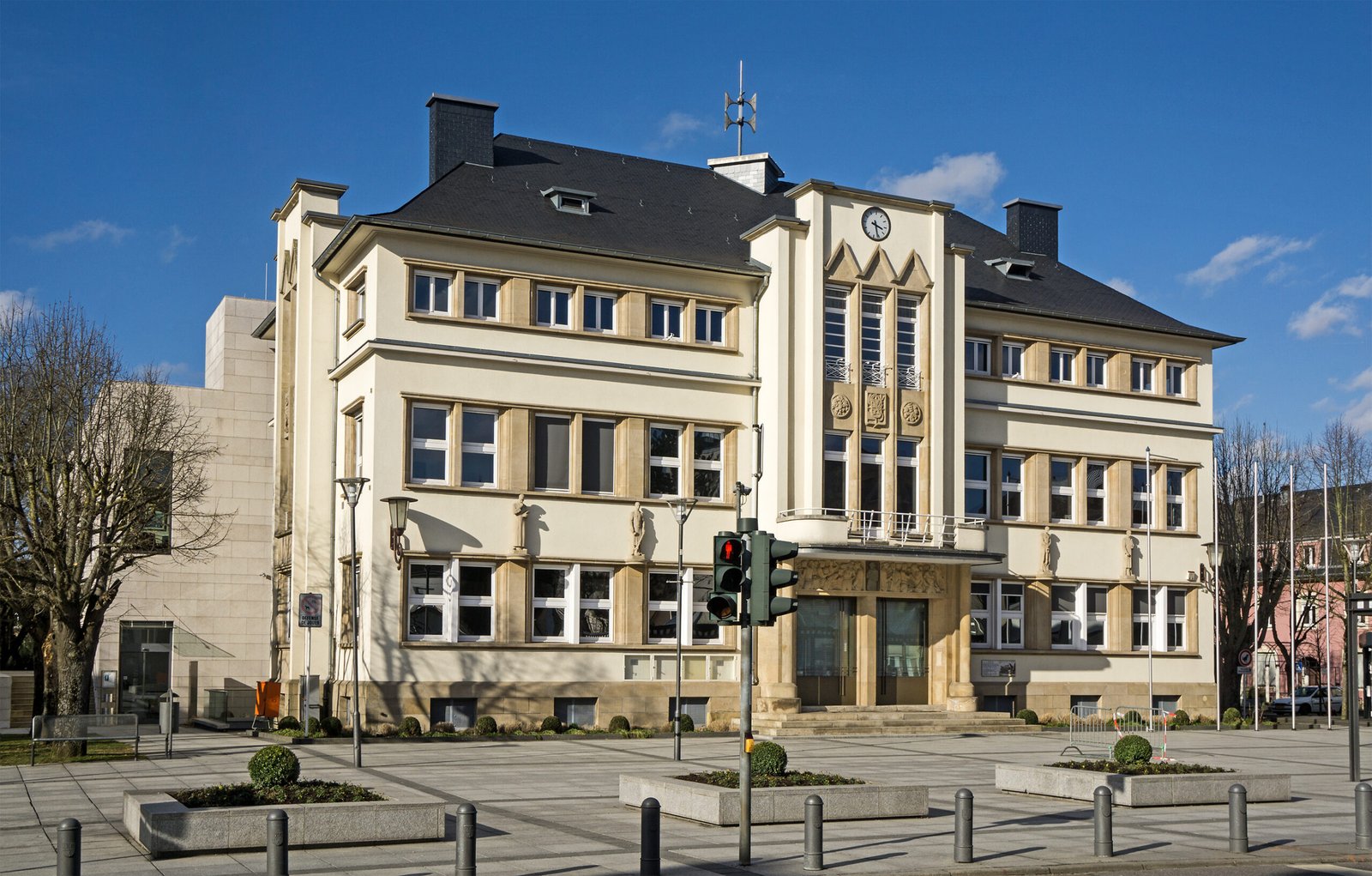
Best place to visit in Pétange

Introduction
Pétange is one of the most important municipalities in southwestern Luxembourg, located near the borders of Belgium and France. Known for its rich industrial heritage, railway history, multicultural atmosphere, and strategic location, Pétange has played a significant role in Luxembourg’s economic development for more than a century.
Situated in the heart of the famous Minett region, often called the Red Lands, the town grew rapidly during the industrial revolution due to the discovery of iron ore and the expansion of the steel industry. Today, Pétange combines its proud industrial past with modern residential development, cultural diversity, and beautiful natural surroundings.
Visitors can explore historical landmarks, railway attractions, cultural venues, scenic parks, and nearby nature reserves while discovering one of Luxembourg’s most dynamic border communities.
History of Pétange
The origins of Pétange can be traced back to medieval settlements that developed along important trade routes connecting Luxembourg with neighboring regions. For centuries, agriculture remained the primary occupation of local residents.
The nineteenth century brought dramatic change when iron ore deposits were discovered throughout southern Luxembourg. Mining activities and the rapid expansion of the steel industry transformed Pétange into a thriving industrial center.
Its strategic location near international borders also made it an important transportation hub. Railway networks connected the municipality with major industrial regions across Europe, further accelerating growth.
Today, Pétange preserves its industrial heritage while embracing cultural development, environmental conservation, and modern urban planning.
1. Fond-de-Gras Industrial and Railway Park

The Most Famous Attraction in the Region
The renowned Fond-de-Gras Industrial and Railway Park is one of Luxembourg’s most important industrial heritage sites.
Visitors can ride historic steam trains, explore former mining facilities, and learn about the transportation systems that supported the region’s industrial growth.
The attraction provides a fascinating journey into Luxembourg’s mining and railway history.
It remains one of the country’s most unique tourism experiences.
2. Train 1900 Heritage Railway

A Journey Through Time
The famous Train 1900 Heritage Railway offers visitors the opportunity to travel aboard beautifully restored historic trains.
The railway follows scenic routes through former industrial landscapes and picturesque countryside.
Passengers experience the atmosphere of early twentieth-century rail travel.
It remains a highlight for railway enthusiasts and families alike.
3. Pétange Town Centre

The Heart of Community Life
The lively Pétange Town Centre serves as the municipality’s social, commercial, and administrative center.
Visitors can explore shops, cafés, restaurants, and public spaces while experiencing the multicultural character of the community.
The town center hosts markets, festivals, and community events throughout the year.
It remains a focal point of local life.
4. Saint Hubert Church


A Historic Spiritual Landmark
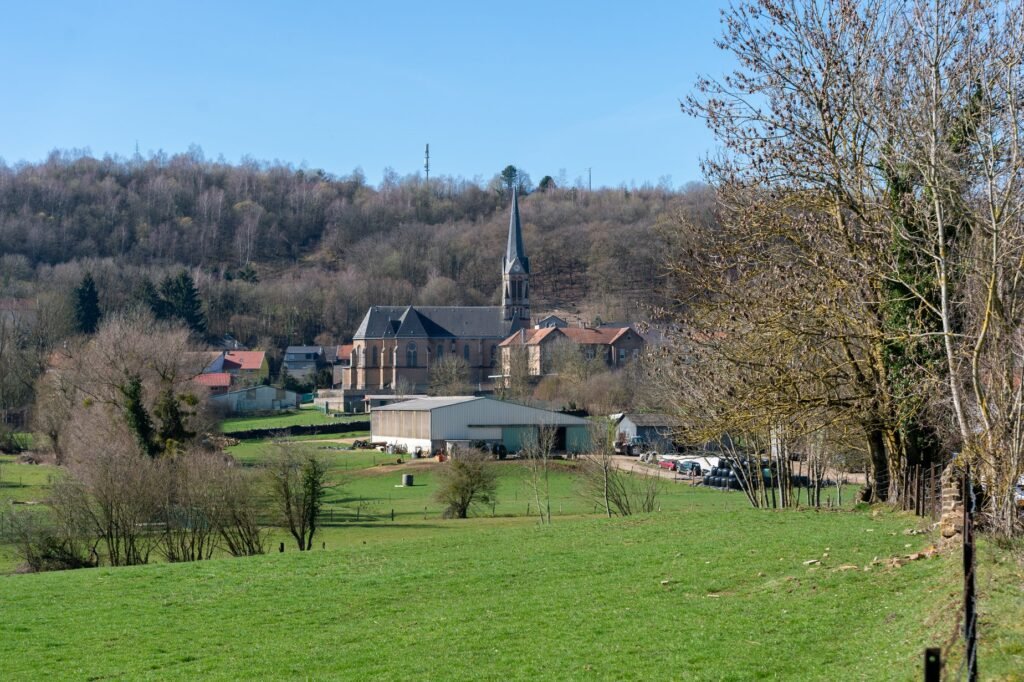
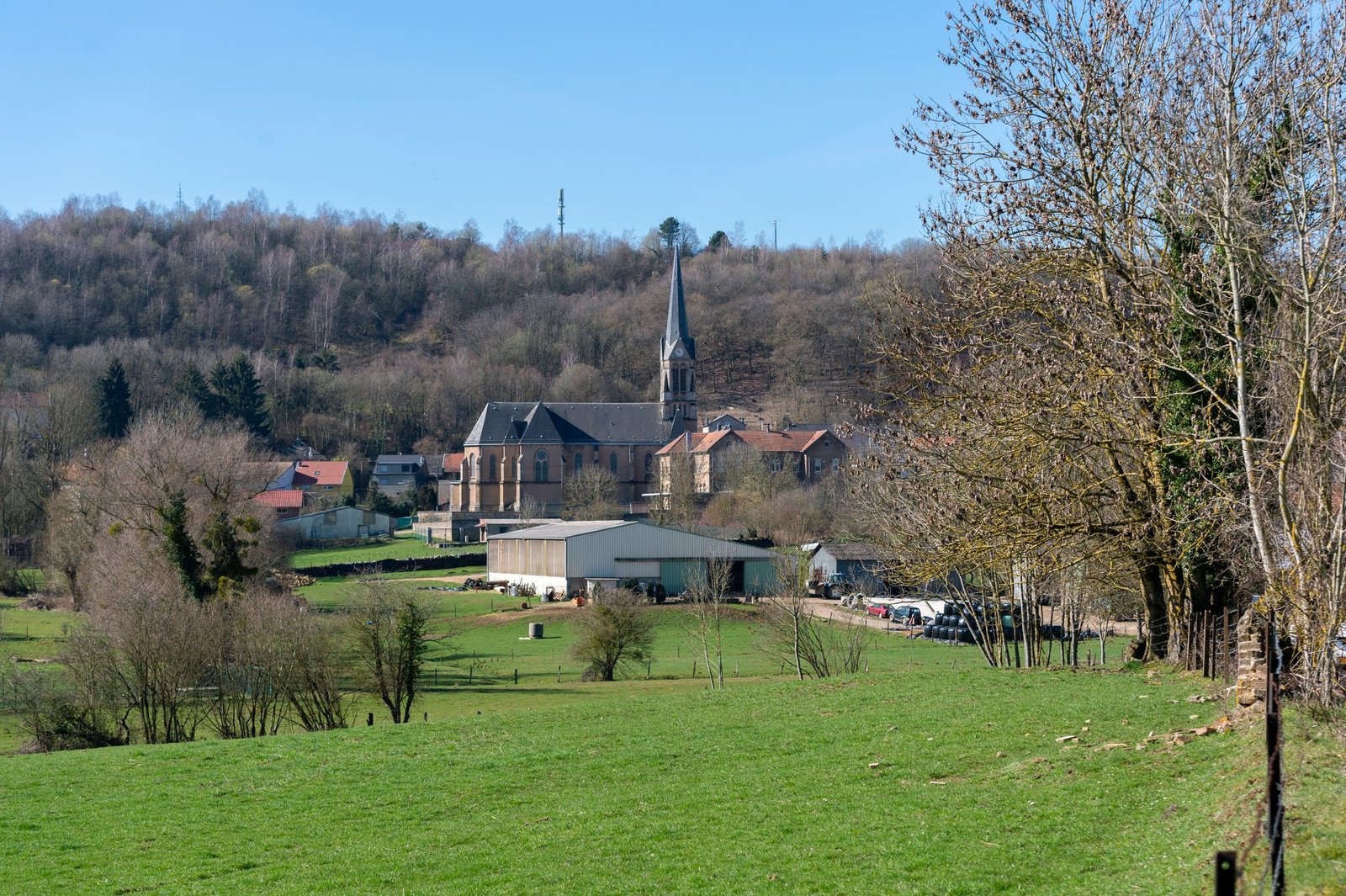
The beautiful Saint Hubert Church stands as one of the municipality’s most important architectural and religious monuments.
Visitors admire its impressive design, peaceful interior, and historical significance.
The church reflects the strong cultural traditions of the local community.
It remains an active place of worship today.
5. Minett Trail

Exploring Luxembourg’s Red Lands
The scenic Minett Trail passes through areas surrounding Pétange and showcases the fascinating landscapes of the former mining region.
Visitors can hike through forests, restored industrial sites, nature reserves, and scenic viewpoints.
The trail combines history, culture, and outdoor adventure.
It is one of the most popular hiking routes in southern Luxembourg.
6. Titelberg Archaeological Site

Discovering Ancient Luxembourg
The nearby Titelberg Archaeological Site is one of the most significant archaeological locations in the country.
The site was once a major Celtic settlement and later played an important role during the Roman era.
Visitors can explore ancient ruins and learn about the region’s earliest inhabitants.
It offers a fascinating glimpse into Luxembourg’s distant past.
7. Nature Reserve Prënzebierg

A Landscape of Ecological Importance
The beautiful Prënzebierg Nature Reserve protects unique habitats and diverse wildlife within the Red Lands region.
Visitors can enjoy hiking trails, birdwatching opportunities, and educational experiences focused on environmental conservation.
The reserve demonstrates the successful restoration of former industrial landscapes.
It remains a favorite destination for nature enthusiasts.
8. Cultural Centre Pétange

Promoting Arts and Community Engagement
The modern Cultural Centre Pétange hosts concerts, exhibitions, workshops, performances, and educational activities throughout the year.
The venue supports local artists and cultural initiatives while strengthening community life.
Visitors can enjoy a variety of events and programs.
The center serves as an important cultural hub.
9. Cross-Border Excursions

Exploring Three Countries from One Base
Pétange’s location near both Belgium and France allows visitors to easily explore neighboring regions.
Day trips to nearby towns, historical sites, and cultural attractions offer unique international experiences.
The municipality serves as an excellent gateway to cross-border tourism.
Its multicultural setting enhances its appeal.
10. Community Festivals and Traditions

Celebrating Local Culture
Throughout the year, Pétange hosts festivals, markets, concerts, and community celebrations that reflect its rich cultural diversity.
Visitors can experience local traditions, music, cuisine, and hospitality while participating in vibrant public events.
These celebrations strengthen community ties and preserve cultural heritage.
They contribute greatly to the town’s lively atmosphere.
Related artical : Best place to visit in Redange