
Now Reading: Best place to visit in Balaka
-
01
Best place to visit in Balaka
Best place to visit in Balaka
1. Balaka Town Market
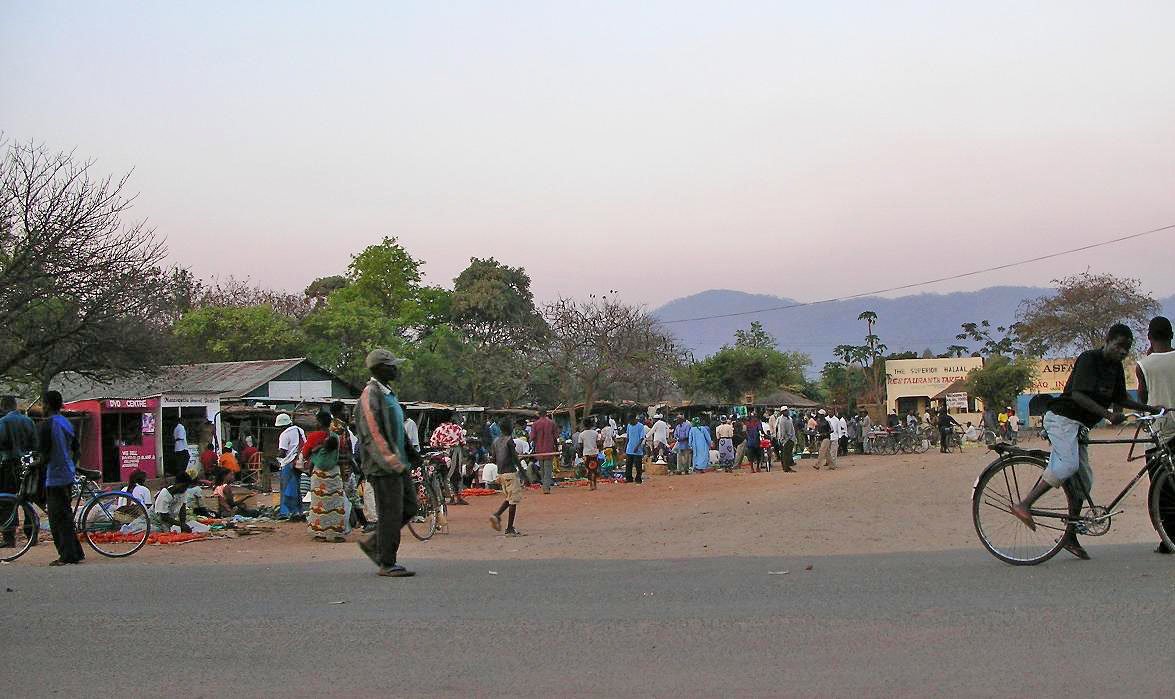
Balaka Town Market is the commercial heart of the district and one of the best places to experience the daily life and culture of southern Malawi. The market is a vibrant gathering place where farmers, traders, and residents come together to buy and sell a wide variety of goods including fresh produce, grains, textiles, household items, and traditional crafts. The colorful stalls and bustling atmosphere create a lively environment that reflects the energy of the local community.
Visitors exploring the market can observe traditional trading practices, interact with friendly vendors, and gain insight into the economic activities that sustain the region. The market also provides an excellent opportunity to sample local foods and discover products unique to southern Malawi. For travelers seeking an authentic cultural experience, Balaka Town Market offers a fascinating glimpse into everyday life in the district.
2. St. Louis Montfort Mission

The St. Louis Montfort Mission is one of Balaka’s most significant historical and religious landmarks. Established by Catholic missionaries, the mission has played an important role in the development of education, healthcare, and community services throughout the region. Its beautiful architecture and peaceful surroundings make it an attractive destination for visitors interested in history and culture.
The mission complex includes churches, schools, and community facilities that continue to serve local residents. Visitors can learn about the contribution of missionary organizations to Malawi’s development while appreciating the site’s historical significance and spiritual atmosphere.
3. Shire River Valley

The Shire River Valley is one of the most impressive natural features near Balaka. Characterized by expansive plains, fertile farmland, and scenic landscapes, the valley plays a crucial role in the region’s agriculture and economy. The combination of open vistas, distant hills, and seasonal rivers creates beautiful scenery that showcases the natural beauty of southern Malawi.
Visitors can enjoy photography, sightseeing, and opportunities to observe rural life in one of the country’s most productive agricultural regions. The valley’s landscapes are especially striking during sunrise and sunset when warm light transforms the countryside into a colorful panorama.
4. Traditional Yao Villages

Balaka is home to many Yao communities, one of Malawi’s most prominent ethnic groups. Visiting traditional villages provides a unique opportunity to experience local customs, cultural traditions, music, dance, and everyday life. These communities have preserved many aspects of their heritage and continue to play an important role in the cultural identity of the region.
Travelers can learn about traditional architecture, farming practices, and social customs while interacting with local residents. Cultural visits offer meaningful experiences and help visitors gain a deeper appreciation for Malawi’s diverse cultural landscape.
5. Balaka Railway Station

Balaka Railway Station has long been an important transportation hub connecting southern Malawi with other parts of the country and neighboring nations. The railway has played a significant role in trade, travel, and economic development throughout the region.
Visitors interested in transportation history can observe railway operations and learn about the impact of rail infrastructure on Malawi’s growth. The station remains an important landmark and reflects Balaka’s strategic location within the country’s transportation network.
6. Balaka Cultural Centre

The Balaka Cultural Centre serves as a focal point for preserving and promoting local traditions. The center hosts cultural performances, educational programs, craft exhibitions, and community events that celebrate the region’s heritage.
Visitors can enjoy traditional music, dance, storytelling, and displays of local craftsmanship. The center provides valuable insight into the customs and traditions that continue to shape life in Balaka and surrounding communities.
7. Mua Mission Area

The Mua Mission area, located within reach of Balaka, is one of Malawi’s most important cultural destinations. The mission is known for its contributions to education, social development, and cultural preservation. It also houses significant collections of traditional art and historical artifacts.
Visitors can learn about Malawi’s diverse ethnic groups, cultural practices, and artistic traditions while exploring exhibits and community projects. The mission offers a rich educational experience and remains one of the country’s leading cultural institutions.
8. Agricultural Landscapes of Balaka

Balaka is one of Malawi’s important agricultural districts, and its vast rural landscapes provide insight into the country’s farming traditions. Fields of maize, cotton, tobacco, and other crops stretch across the countryside, creating scenic views and supporting local livelihoods.
Visitors traveling through the district can observe agricultural activities, interact with farming communities, and gain a better understanding of the role agriculture plays in Malawi’s economy. The countryside offers peaceful scenery and an authentic rural experience.
9. Mpilisi Hills

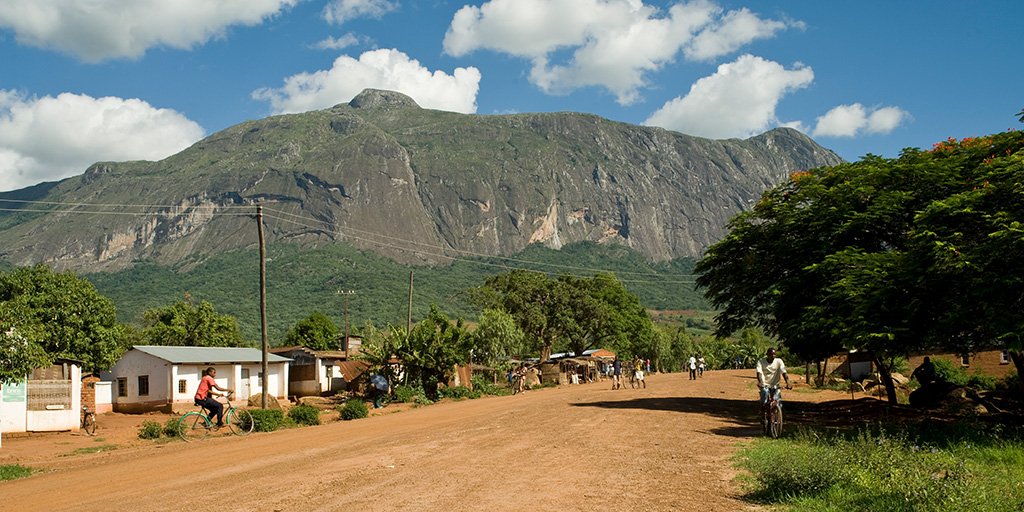
The hills surrounding parts of the Balaka region provide beautiful viewpoints overlooking the district’s plains and agricultural areas. These elevated landscapes offer opportunities for sightseeing, hiking, and photography while showcasing the natural beauty of southern Malawi.
The peaceful environment and expansive views make the hills an attractive destination for visitors seeking outdoor experiences away from busy urban centers.
10. Community Craft Markets

Community craft markets throughout the Balaka district showcase the creativity and skills of local artisans. Visitors can browse handmade baskets, wood carvings, textiles, jewelry, and decorative items created using traditional techniques passed down through generations.
Purchasing these products supports local communities while providing travelers with meaningful souvenirs that reflect Malawi’s cultural heritage. The markets offer an excellent opportunity to appreciate traditional craftsmanship and connect with local artisans who continue to preserve these important artistic traditions.
Related artical : Best place to visit in Liwonde